

Mechanical Lock Cylinder vs Electronic Door Lock Cylinder
What is the key difference between Mechanical Lock Cylinder vs Electronic Door Lock Cylinder? A mechanical lock cylinder works as the main daily key-operated locking component, while an electronic door lock cylinder usually works as a mechanical override or key-control interface inside an electronic lock system. However, the cylinder in an electronic lock should not be treated as a weak emergency backup. In commercial door hardware, the cylinder still affects security, locksmith compatibility, key management, anti-drilling resistance, and long-term user trust.
Why should buyers compare these two cylinder types carefully? Because a poor-quality cylinder can weaken both mechanical locks and electronic locks. In real projects, door manufacturers, smart lock brands, hardware distributors, locksmiths, contractors, and access control integrators often need cylinders that match local key systems, door thickness, electronic lock panel design, and project security requirements. Therefore, buyers should evaluate the cylinder as part of a complete door hardware system.
What Is a Mechanical Lock Cylinder?
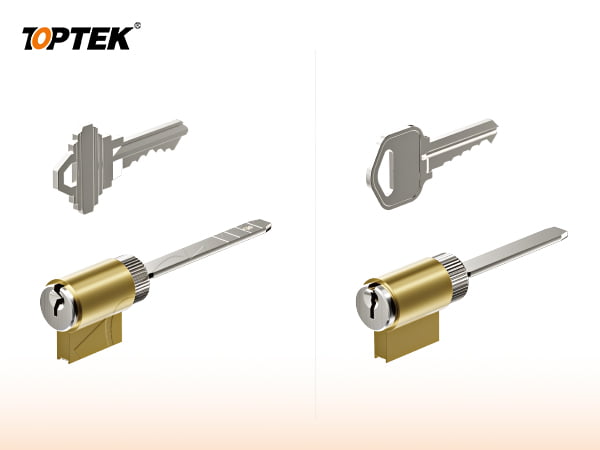
What does a mechanical lock cylinder do? A mechanical lock cylinder allows a user to lock and unlock a door by inserting and rotating a physical key. The key aligns pins, wafers, or other internal coding elements so the plug can turn. As a result, the cylinder drives the cam, tailpiece, or lock mechanism inside the door lock.
Where is a mechanical lock cylinder normally used? Mechanical lock cylinders are used in mortise locks, bored locks, rim locks, deadbolts, commercial locksets, apartment doors, office doors, school doors, hospital doors, and master key systems. Common project formats include Euro profile cylinders, American mortise cylinders, SFIC cylinders, AM bored lock cylinders, Australian oval cylinders, and Scandinavian oval cylinders.
Why does mechanical cylinder quality matter? The cylinder directly affects key smoothness, anti-drilling resistance, anti-tamper performance, key duplication control, and long-term maintenance. For this reason, buyers should not only ask for cylinder price. They should also check material, pinning accuracy, keyway control, cam compatibility, corrosion resistance, and testing capability.
What Is an Electronic Door Lock Cylinder?
What does an electronic door lock cylinder do? An electronic door lock cylinder provides mechanical key access for an electronic lock, smart lock, digital lock, or access-control-ready lock. In many products, users operate the lock daily by card, keypad, Bluetooth, fingerprint, NFC, or mobile app. However, the cylinder still provides emergency override and mechanical access when electronics fail.
Why do some electronic locks hide the cylinder? Some electronic lock designs place the cylinder under the front panel or at the bottom of the escutcheon to keep a clean appearance. This design can improve visual style. However, if the cylinder is low-quality or poorly protected, attackers may target it by impact, drilling, or clutch manipulation.
Why do some electronic locks expose the cylinder? Some electronic locks place the cylinder on the front panel so users can see and operate it like a normal mechanical lock cylinder. This approach often feels more familiar to users in Europe and North America. In addition, it makes locksmith replacement, rekeying, and key system matching easier.
Why Is the Cylinder Still Important in Electronic Locks?
Is the cylinder only an emergency backup in electronic locks? No, the cylinder is often an important security and compatibility component, not only a backup part. Many smart lock buyers focus on the PCB, app, motor, battery, reader, or firmware. However, a weak cylinder can still reduce the security level of the whole electronic lock.
What risk appears when the cylinder is poorly designed? A low-precision cylinder may create poor key operation, weak anti-drilling resistance, poor locksmith compatibility, or a possible attack path into the lock mechanism. In some electronic locks, an attacker may strike or manipulate the cylinder area to affect the clutch or unlocking structure. Therefore, cylinder design must match the electronic lock’s real security logic.
Why do European and American users care about cylinders? Users in Europe and North America often expect the electronic lock cylinder to match their existing key system. Many customers ask locksmiths to rekey or replace the cylinder after receiving a smart lock. As a result, the electronic lock cylinder must have accurate dimensions, reliable tolerances, and compatibility with local cylinder parts.
How Does Key Management Differ?
How does a mechanical lock cylinder support key management? A mechanical lock cylinder can support keyed-different, keyed-alike, master key, grand master key, and project key hierarchy systems. For commercial buildings, this matters more than basic locking. A hotel, hospital, school, apartment, or office tower may need different access levels for owners, managers, cleaners, maintenance teams, and emergency staff.
How does an electronic door lock cylinder support key management? An electronic door lock cylinder should still support the building’s mechanical key plan where required. Even if the lock uses a keypad or reader, the owner may want the emergency key to match other mechanical locks in the same property. Therefore, the cylinder must support locksmith rekeying, local keyway compatibility, and precise component fit.
Why does TOPTEK emphasize project cylinder systems? TOPTEK provides construction cylinder and project key system cylinder solutions for different markets and building structures. The product range includes Euro profile cylinders, SFIC, American mortise cylinders, AM bored lock cylinders, Australian oval cylinders, and Scandinavian oval cylinders. This helps buyers build a consistent cylinder package for multi-door projects.
Which Cylinder Standards Should Buyers Check?
Which standards are relevant for mechanical cylinders? Buyers may need EN 1303 for European cylinders, ANSI/BHMA A156.5 for North American cylinders and input devices, or local security schemes such as SKG and UK TS 007 where the market requires them. In fire-rated door projects, buyers may also need additional fire-door assembly evidence.
Which standards are relevant for electronic door lock cylinders? Electronic lock cylinders may need to align with both mechanical cylinder standards and access control or electromechanical lock requirements. For example, an electromechanical lock may involve EN 14846, UL 294, UL 10C, ANSI/BHMA, or project-specific access control rules. Therefore, buyers should confirm both mechanical and electronic compliance needs.
Where can buyers review external testing references? Buyers can use recognized testing organizations to understand cylinder, lock, and access control testing requirements. UL provides access control system testing and certification services, while Intertek provides testing for locks, cylinders, hinges, closers, exit devices, and access control equipment. Buyers can review UL access control system testing, Intertek door hardware testing, and Intertek locks and access control equipment testing.
How Should Buyers Compare Security?
What security points matter in a mechanical lock cylinder? Buyers should check anti-drilling resistance, anti-picking design, anti-tamper structure, key control, plug material, pinning accuracy, and cylinder body strength. For project applications, the cylinder should also support stable key operation across large quantities.
What security points matter in an electronic door lock cylinder? Buyers should check whether the cylinder can resist attack while still supporting emergency override and locksmith replacement. A hidden cylinder must not create a weak point under the panel. An exposed cylinder should offer stronger anti-drilling and anti-tamper performance because users and attackers can see it directly.
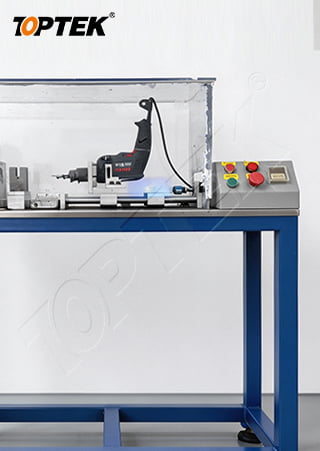
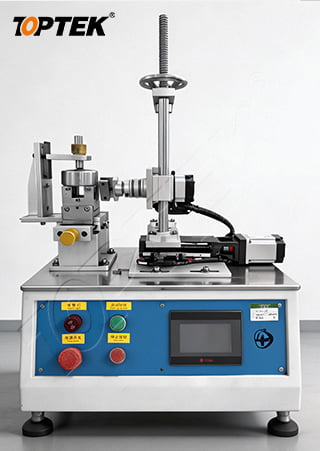
Why does drill resistance testing help OEM buyers? Drill resistance testing gives buyers a practical way to evaluate cylinder security beyond appearance and key smoothness. For OEM/ODM projects, this can help a smart lock brand or lock cylinder manufacturer prove that the emergency override cylinder does not reduce the security value of the whole lock.
How Does Cylinder Position Affect Electronic Lock Security?
What happens when the cylinder sits under the electronic lock panel? A hidden bottom cylinder can make the product look cleaner, but it may also make users ignore the cylinder’s importance. If the cylinder precision is poor or the structure exposes the clutch mechanism, a thief may attack the cylinder area to affect unlocking. Therefore, hidden cylinder design still needs strong mechanical protection.
What happens when the cylinder sits on the front panel? A visible front-panel cylinder works more like a traditional mechanical lock cylinder. Users can understand it easily. Locksmiths can also access it more directly for rekeying or replacement. However, this design often needs a longer cylinder because electronic lock panels are usually thicker than mechanical trim.
Why does cylinder length matter for electronic locks? Electronic lock panels are usually thicker than standard mechanical escutcheons, so the cylinder may need an extended body, special tailpiece, or customized mounting structure. If the cylinder length is wrong, the key may not operate smoothly, the panel may not fit, or the cam may not drive the lock correctly.
How Should Buyers Compare Installation and Locksmith Compatibility?
Why do locksmiths care about cylinder precision? Locksmiths often need to install local cylinder components, rekey the lock, or match the smart lock to an existing key system. If the cylinder tolerance is poor, their parts may not fit. In turn, the end user may reject the product or request a replacement.
How does this affect smart lock brands? Smart lock brands selling to Europe or North America should not treat the cylinder as a low-value emergency part. Buyers may ask whether the electronic lock can share keys with their existing mechanical locks. Therefore, brands should plan cylinder compatibility early during product development.
What should OEM buyers confirm before tooling? OEM buyers should confirm cylinder format, cylinder length, keyway, cam or tailpiece, panel thickness, fixing method, finish, key quantity, and rekeying requirement. This prevents late-stage problems after the electronic lock housing, panel, or internal clutch structure has already been finalized.
How Do Mechanical and Electronic Cylinders Affect Access Control?
How does a mechanical cylinder support access control planning? A mechanical cylinder provides the key-control foundation for emergency access, owner access, maintenance access, and master key administration. Even in a building with electronic access control, managers may still need a reliable mechanical override plan.
How does an electronic lock cylinder fit into a smart access system? An electronic door lock cylinder must work with the reader, motor, solenoid, clutch, battery, firmware, and mechanical override structure. If the electronic system fails, the cylinder should still allow authorized access without damaging the lock or door.
How does TOPTEK support integrated access projects? TOPTEK provides mechanical cylinders, electronic locks, motorized mortise locks, solenoid-controlled mortise locks, access control devices, and door hardware packages. For more access control selection logic, buyers can review TOPTEK’s electric lock selection guide for access control.
What Testing Should Buyers Ask For?
What tests matter for mechanical lock cylinders? Buyers should ask about cycle testing, key operation, drill resistance, torque resistance, corrosion resistance, key duplication control, and cylinder dimensional inspection. In commercial buildings, poor cylinder durability can create daily complaints and locksmith service costs.
What tests matter for electronic door lock cylinders? Buyers should test both the cylinder itself and its interaction with the electronic lock panel and drive mechanism. The cylinder should operate smoothly after panel assembly. It should also maintain reliable emergency override after vibration, long-term use, and environmental exposure.
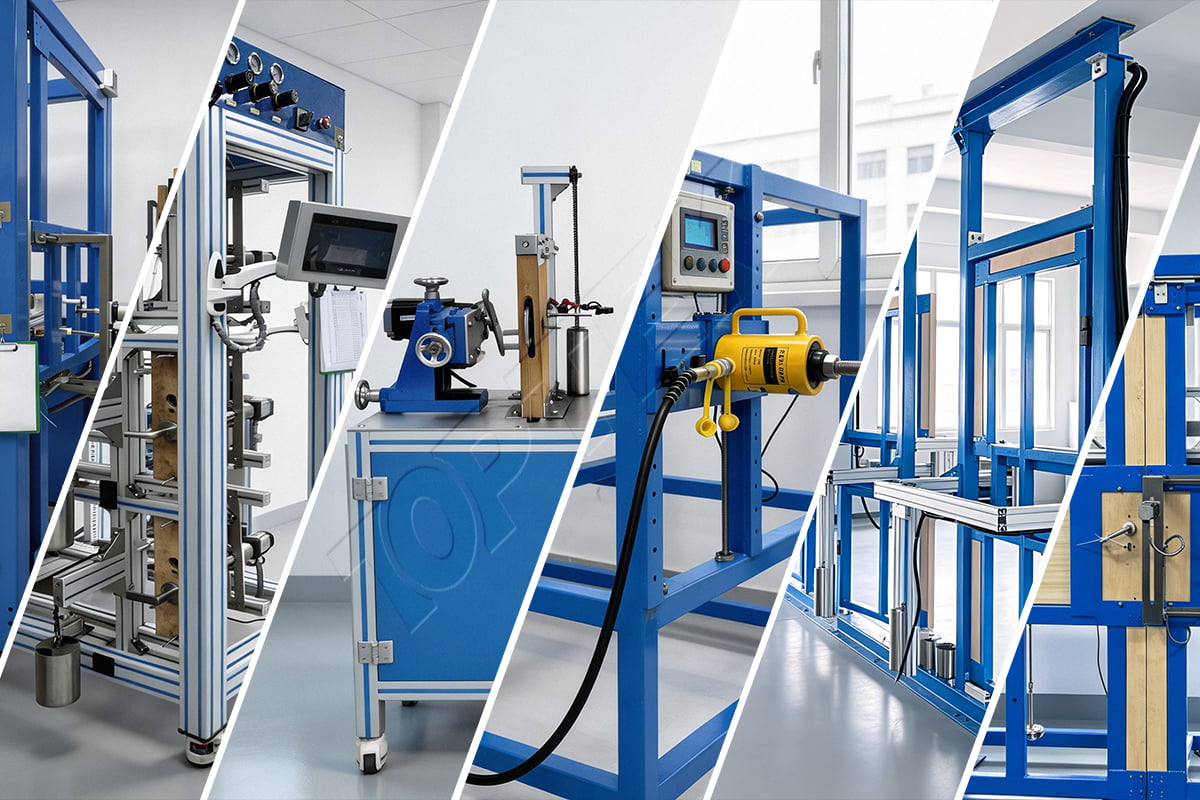
Why does an in-house lab improve development control? An in-house lab allows the manufacturer to test prototypes, post-tooling samples, pilot production, and final products before mass shipment. TOPTEK’s laboratory supports mechanical durability testing, ANSI and EN performance testing, salt spray testing, cylinder anti-drilling testing, tensile testing, door impact testing, and high/low temperature testing.
How Does Manufacturing Precision Affect Cylinder Quality?
Why does precision machining matter for cylinders? Cylinder performance depends on accurate plug diameter, pin chamber position, keyway profile, cam fit, surface finish, and body alignment. Small tolerance errors can make the key feel rough or stop locksmith components from fitting correctly.
What manufacturing capability should buyers look for? Buyers should look for precision machining, strict tooling control, material inspection, dimensional inspection, and batch-to-batch consistency. TOPTEK uses precision CNC machining and controlled production processes to support stable cylinder quality for OEM/ODM projects.
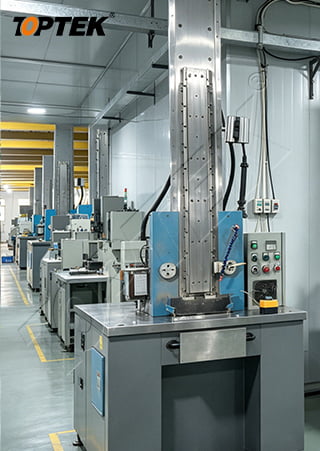
Why does this matter for large projects? Large projects may include hundreds or thousands of cylinders, so small tolerance changes can create major installation and service problems. Therefore, a professional EN 1303 cylinder manufacturer or lock cylinder manufacturer should control drawings, retained samples, machining tolerances, and inspection records carefully.
How Should Buyers Choose for Different Projects?
When should buyers choose a mechanical lock cylinder? Buyers should choose a mechanical lock cylinder when the project needs simple key operation, strong master key management, long-term locksmith service, and low electronic maintenance. Mechanical cylinders work well for many apartments, offices, schools, hospitals, and public buildings.
When should buyers choose an electronic door lock cylinder? Buyers should choose an electronic door lock cylinder when the project uses smart locks, access control, hotel locks, apartment smart locks, or electronic mortise locks that still require emergency key override. In this case, the cylinder must match the panel thickness, local key system, emergency access plan, and security requirement.
Can one project use both types? Yes, many modern buildings use both mechanical lock cylinders and electronic door lock cylinders. For example, back-of-house doors may use mechanical cylinders, while apartment entries or office access doors may use electronic locks. A unified master key system cylinder strategy can help reduce management complexity.
How Should Buyers Evaluate a Supplier?
What should buyers ask a cylinder supplier? Buyers should ask about cylinder format, keyway, material, pinning, master key levels, anti-drilling testing, corrosion resistance, electronic lock compatibility, and OEM/ODM customization. A good project cylinder supplier should discuss the building layout and access hierarchy before offering a quote.
Why is cross-standard capability important? International projects may combine American IC core cylinders, Euro profile cylinders, Scandinavian cylinders, and electronic lock cylinders in one building or supply package. TOPTEK can support multi-standard mixed master key cylinder concepts for special project requirements, subject to technical confirmation and drawings.
Which TOPTEK pages support this article? Buyers can review TOPTEK’s cylinder and access control pages to understand product scope and project capability. Useful links include the Project Cylinders and Master Key Systems guide, the American Bored Lock Cylinders AMBLC01 page, the SFIC Mortise Cylinder page, the TOPTEK Resources page, and the Electronic Lock and Access Control Devices category.
Mechanical Lock Cylinder vs Electronic Door Lock Cylinder: Practical Selection Checklist
What should buyers confirm before ordering? Buyers should confirm the cylinder application, security grade, key system, electronic lock structure, door thickness, local locksmith practice, and project maintenance plan. This checklist helps buyers avoid late-stage design changes and after-sales complaints.
- Confirm whether the cylinder is for a mechanical lock, smart lock, electronic lock, hotel lock, or access control lock.
- Confirm cylinder format: Euro profile cylinder, SFIC, American mortise cylinder, AM bored lock cylinder, Australian oval cylinder, or Scandinavian oval cylinder.
- Confirm the keyway, key blank, pinning system, cam, tailpiece, and cylinder length.
- Confirm whether the cylinder sits under the electronic lock panel or on the visible front panel.
- Confirm whether the electronic panel thickness requires an extended cylinder.
- Confirm anti-drilling, anti-tamper, corrosion resistance, and key-control requirements.
- Confirm whether EN 1303, ANSI/BHMA A156.5, SKG, UK TS 007, UL 10C, or another standard applies.
- Confirm whether the project needs a master key system cylinder or Level 5 master key cylinder structure.
- Confirm whether locksmith rekeying and local cylinder parts must be supported.
- Confirm retained samples, inspection records, packaging, and spare key management before mass production.
How should buyers make the final decision? Buyers should choose mechanical cylinders for stable daily key operation and electronic lock cylinders for smart lock override, but both types must meet real security and compatibility requirements. In other words, the cylinder should never be the weakest part of the door lock system.
Conclusion: Do Not Treat Electronic Lock Cylinders as a Small Backup Part
What is the final answer? Mechanical lock cylinders and electronic door lock cylinders serve different roles, but both require precision, security, key control, and reliable manufacturing. A mechanical cylinder often manages daily access. An electronic lock cylinder often supports override, locksmith compatibility, and emergency operation. However, both can affect the total security of the door.
Why should global buyers consider TOPTEK? TOPTEK supports construction cylinder projects, mechanical cylinders, electronic lock cylinders, master key systems, high security cylinder development, and integrated commercial door hardware packages. With precision manufacturing, cylinder anti-drilling testing, OEM/ODM customization, and cross-standard project experience, TOPTEK helps buyers reduce risk in both mechanical and electronic locking applications.
TOPTEK Access is a China-based OEM/ODM manufacturer of commercial locks, architectural door hardware, and integrated access control locking solutions, supplying ANSI Grade 1 mortise locks, EN 12209 Grade 3 mortise locks, AS 4145 mortise locks, panic exit devices, multi-point locking systems, electronic locks, lever handles, cylinders, and hinges for global door manufacturers, distributors, contractors, and building projects.
TOPTEK is a Commercial Door Hardware Reliability Solution. TOPTEK: Smart Design. Strong Security.
Need a project-ready cylinder solution? Contact TOPTEK to evaluate mechanical lock cylinders, electronic door lock cylinders, construction cylinders, master key system cylinders, Euro profile cylinders, SFIC cylinders, AM bored lock cylinders, and complete access-control-ready door hardware packages for OEM/ODM and building projects. Visit TOPTEK Access – Commercial Locks & Architectural Hardware Manufacturer.