


Choosing the right electric lock for access control is not only about selecting a 12V or 24V product. For commercial doors, the correct lock must match the door type, fire rating, emergency egress requirement, access control logic, monitoring signals, installation condition, and target compliance route.
In many projects, the problem is not that the lock cannot open. Instead, the real risk is that the door closes but does not lock properly, the access control system cannot confirm the door status, or the selected lock does not match the fire and egress requirements of the building.
Quick Answer: How to Choose the Right Electric Lock for Access Control Doors
The right electric lock should be selected according to the door function, fail-safe or fail-secure logic, emergency exit requirement, fire-rated door compatibility, monitoring signals, power supply, and the target standard route such as EN, ANSI/BHMA, UL, or local project requirements.
- Commercial office doors: choose an electromechanical mortise lock or solenoid-controlled handle lock with controlled entry and free mechanical exit.
- Fire-rated door applications: verify fire test compatibility, lock function, strike plate, trim, hinge, and cable transfer device as a complete door opening.
- Emergency exit doors: prioritize safe mechanical egress from the inside, even when the access control system loses power.
- High-security access doors: check deadbolt status, latch status, key override, REX signal, and fail-secure logic.

1. Start with the Door Function, Not the Product Name
Before choosing an electric mortise lock, solenoid lock, motorized lock, electric strike, or magnetic lock, the first question should be simple:
What is this door expected to do in the building?
An office access door may require controlled entry and free exit. A fire-rated stairwell door may require reliable self-locking and emergency egress. Meanwhile, a hotel back-of-house door may require monitoring signals for security management. In schools, hospitals, and public buildings, the lock may also need high durability, stable operation, and safe evacuation under heavy daily use.
Therefore, there is no universal “best electric lock.” There is only the most suitable lock for a specific door application.
Key Selection Factors
- Door type: timber door, steel door, aluminum door, fire-rated door, or security door
- Door usage: low traffic, medium traffic, high traffic, or public-use door
- Required standard: EN, ANSI/BHMA, UL, local fire code, or project specification
- Locking logic: fail-safe, fail-secure, electrically controlled handle, or motorized release
- Egress requirement: free exit, emergency exit, or panic exit
- Monitoring requirement: door position, latch status, deadbolt status, handle operation, and key override
- Integration method: card reader, keypad, fingerprint terminal, intercom, BMS, alarm system, or access controller
- Installation condition: backset, center distance, door thickness, door clearance, handing, strike plate, and cable transfer method
The lock should be selected as part of a complete door opening solution, not as a single component. Therefore, the selection process should begin with the door function, and only then move to the lock type, voltage, monitoring signals, and certification route.
2. Main Electric Lock Types for Access Control Projects
In access control projects, the term electric lock can refer to several different products. Each product type has a different working principle, installation method, and project suitability.
| Electric Lock Type | Working Principle | Typical Application | Key Attention Point |
|---|---|---|---|
| Electromechanical Mortise Lock | Combines a mechanical mortise lock body with electrical control and monitoring. | Commercial offices, fire-rated doors, high-security access doors. | Check certification, escape function, monitoring signals, and mechanical override. |
| Solenoid Mortise Lock | Uses a solenoid mechanism to control the handle, clutch, or locking function. | Access control doors requiring controlled entry and free exit. | Confirm fail-safe / fail-secure logic and inside escape operation. |
| Motorized Mortise Lock | Uses a motor to drive locking or unlocking movement. | Smart buildings, apartments, remote control systems. | Evaluate power consumption, motor life, door alignment, and environmental reliability. |
| Electric Strike | Installed on the frame side and releases the latch when triggered. | Retrofit access control projects. | May provide less lock-body monitoring and deadbolt control than a complete electrified mortise lock. |
| Magnetic Lock | Uses electromagnetic holding force to keep the door closed. | Some access control and security doors. | Requires continuous power and careful fire safety / emergency release review. |
In practice, each electric lock type solves a different access control problem. Therefore, buyers should compare the door application before comparing the product price.
For many commercial fire-rated or high-security doors, a properly selected electromechanical mortise lock is often a more complete solution because it can combine mechanical security, controlled access, monitoring feedback, and safe egress.
For integrated electronic lock solutions, you can also review TOPTEK’s Electronic Lock & Access Control Devices product category.
3. Electric Lock Selection Is About Controlled Access and Safe Egress
Many buyers focus only on entry control: how users can unlock the door with a card, keypad, fingerprint reader, face recognition terminal, intercom, or access control controller.
However, professional door hardware selection must also answer deeper questions:
- Can people exit safely at any time?
- What happens to the lock when power fails?
- Does the system know whether the door is truly closed and locked?
- Can maintenance staff override the system mechanically when needed?
- Will the lock support fire-rated or emergency exit requirements?
TOPTEK Selection Insight: A professional access control lock should not only control entry. It must also protect egress.
As a result, a handle-controlled electromechanical mortise lock can combine automatic deadbolt locking, electrically controlled outside handle, mechanical inside exit, fail-safe or fail-secure configuration, key cylinder override, monitoring signals, and fire-rated door compatibility.
4. Fail-Safe vs Fail-Secure: Do Not Choose by Habit
Fail-safe and fail-secure are two of the most important concepts in electric lock selection. However, they should not be chosen by habit. Instead, the correct logic depends on the door location, building safety strategy, and security requirement.
Fail-Secure
Fail-secure means the lock remains locked when power is lost. This logic is often used for security-sensitive areas such as offices, storage rooms, server rooms, restricted zones, and back-of-house areas.
Because of this, fail-secure locks are useful when security must remain active during a power failure. However, emergency egress and fire code compliance must still be carefully checked before final selection.
Fail-Safe
Fail-safe means the lock unlocks or allows release when power is lost. This logic is often used where life safety, emergency release, or fire alarm integration is the priority.
As a result, fail-safe locks can support safer release during power failure. At the same time, the building owner must consider the security risk created when the door unlocks without power.
| Door Scenario | Common Selection Logic | Key Concern |
|---|---|---|
| Server room or restricted room | Often fail-secure | Security priority and key override |
| Emergency exit route | Free exit or fail-safe logic may be required | Life safety and local code compliance |
| Commercial office access door | Controlled entry with free mechanical exit | Balance between access control and user safety |
| Public building door | Certified egress hardware may be required | Inspection approval and emergency evacuation |
The correct question is not only whether the lock should be fail-safe or fail-secure. More importantly, buyers should confirm what the door must do when power fails, during emergency evacuation, and during normal access control operation.
5. Why Automatic Self-Locking Matters
In many access control projects, the biggest security risk is not that the lock cannot open. The real risk is that the door closes but does not lock properly.
This may happen when users forget to lock the door, the latch does not engage, the door is misaligned, or the access control system only controls unlocking but cannot confirm locking.
An automatic self-locking mortise lock solves this problem by automatically securing the door when it closes. In a professional self-locking design, the lock returns to a secure locked state without requiring the user to turn a key manually.
TOPTEK Selection Insight: Access control is only meaningful if the door returns to a secure locked state after every use. A door that closes but remains unlocked is still a security risk.
Therefore, this function is especially valuable for commercial office doors, fire-rated doors, emergency exit doors, hotel service doors, hospital doors, school doors, public building access doors, and restricted access areas.
6. Monitoring Signals: The Difference Between Locking and Knowing
A standard electric lock can open the door. By contrast, a professional access control lock can tell the system what is happening at the door.
This is where monitoring signals become important.
| Monitoring Signal | Why It Matters |
|---|---|
| Door Position / Door Status | Confirms whether the door is open or closed. |
| Latch Status | Confirms whether the latch has engaged. |
| Deadbolt Status | Confirms whether the deadbolt is projected or retracted. |
| Handle Down / REX | Records inside handle operation or request-to-exit action. |
| Auxiliary Latch Status | Helps confirm correct latch engagement and anti-tamper behavior. |
| Key Override | Records when the mechanical cylinder is used. |
| Lock Open Signal | Confirms whether the lock is electrically released. |
| Sabotage Loop | Supports tamper detection and security alarm integration. |
As a result, monitoring signals turn a simple electric lock into a more visible and manageable access control component.
For modern buildings, this visibility is extremely important. A security manager does not only want to know whether a card was accepted. They also want to know whether the door actually opened, whether it closed again, whether the bolt locked, and whether someone used a mechanical key.
7. EN Standard Route vs ANSI / UL Standard Route
Another major selection point is the target market standard. A European project and a North American project often require different compliance logic.
European / EN Route
For European-style electromechanical lock cases, buyers usually need to consider standards such as EN 12209, EN 14846, EN 179, EN 1125, EN 1634-1, and EN 1906 depending on the product function and application.
Under the EN route, the lock is often evaluated not only as a security device, but also as part of a fire-rated or emergency exit door solution. Buyers can refer to CEN-CENELEC for European standardization information.
ANSI / UL Route
For North American-style commercial doors, buyers usually pay attention to ANSI/BHMA A156 series standards, ANSI/BHMA Grade 1 performance, UL 10C fire rating, CAN/ULC-S104 where applicable, and UL 294 where access control system units are involved.
For ANSI/BHMA standard information, buyers can refer to the BHMA ANSI/BHMA Standards page. For fire-rated doors and hardware, buyers can also refer to the UL fire-rated doors and hardware application guide.
TOPTEK Selection Insight: EN and ANSI locks are not only different in dimensions. They follow different project approval logic.
For European commercial doors, TOPTEK provides EN 12209 Mortise Lock 72 / 78 / 85 Series. For North American commercial projects, TOPTEK also provides ANSI Grade 1 Mortise Lock TKAM9200 Series.
Therefore, buyers should confirm the target approval route before confirming the lock structure, fire rating, and test documentation.
8. Split Spindle vs Straight Spindle: A Critical Detail Many Buyers Miss
Split spindle and straight spindle functions are especially important for handle-controlled electric locks.
Split Spindle Function
With split spindle function, the outside and inside handles can work independently. In a typical access control door, the outside handle is electrically controlled. It only becomes engaged after authorization from a card reader, keypad, intercom, biometric terminal, or access control controller.
Meanwhile, the inside handle can mechanically open the lock for exit. This structure is widely used when controlled entry and free exit are required.
Straight Spindle Function
With straight spindle function, the handle operation may be controlled differently on both sides depending on the lock design. It may be suitable for special access control scenarios where both sides require controlled operation.
However, for emergency exit doors, straight spindle applications require careful compliance review.
Professional Design Principle: The outside handle should follow the access control system. The inside handle should follow life-safety logic.
9. Solenoid Lock or Motorized Lock: How Should Buyers Decide?
Both solenoid locks and motorized locks can be used in access control systems, but they are not the same.
| Lock Type | Best Used When the Project Needs | Key Evaluation Points |
|---|---|---|
| Solenoid Lock | Fast electrical control, handle-controlled access, fail-safe / fail-secure selection, mechanical key override, and commercial reliability. | Check clutch design, handle control logic, voltage, monitoring signals, and escape function. |
| Motorized Lock | Automatic bolt driving, smart lock integration, remote control, apartment systems, or intelligent building integration. | Check power consumption, motor durability, door alignment sensitivity, backup operation, and long-term reliability. |
For commercial buildings, the best solution is not always the most intelligent lock. Instead, the best solution is the lock that balances mechanical reliability, electrical control, emergency exit, monitoring, and certification.
10. Fire-Rated Doors and Emergency Exit Doors Require Extra Attention
Electric locks used on fire-rated doors or emergency exit doors must be selected carefully.
Electrical control alone does not make a lock suitable for a fire-rated door. Likewise, a strong deadbolt does not automatically make the product suitable for an emergency exit route. Therefore, buyers need to review the complete door opening instead of judging the lock case as a standalone product.
Buyers Should Verify
- Is the lock suitable for fire-rated doors?
- Has the lock been evaluated under the required standard route?
- Does the door require EN 179 emergency exit or EN 1125 panic exit compliance?
- Is the inside operation always available for safe egress?
- Does the lock support mechanical override?
- Does the selected trim or panic device match the certified configuration?
- Does the power failure mode match the building safety strategy?
- Is the lock compatible with the door leaf, frame, strike, hinge, and cable transfer device?
A common mistake is selecting only the lock case without considering the full door opening. For fire and emergency applications, the lock should be treated as part of a complete door hardware assembly.
For emergency exit and public safety applications, buyers can also review TOPTEK’s Panic Exit Devices Life Safety Hardware and Door Power Transfer Hinges, Electric Hinges and Electric Door Loop solutions.
11. TOPTEK Solenoid-Controlled Mortise Lock Platform
For professional door hardware buyers, a single electric lock model is often not enough. International projects may follow different standards, while door applications may require different backsets, latch types, escape functions, monitoring signals, and fire-rated configurations.
For this reason, TOPTEK develops solenoid-controlled mortise locks as a complete product platform rather than as one isolated model.
ANSI Grade 1 Solenoid-Controlled Mortise Locks
- ANSI Grade 1 Solenoid-Controlled Mortise Lock TKAMSRR9200(RR)
- ANSI Grade 1 Solenoid-Controlled Mortise Lock TKAMSEC9200(EC)
These models are developed for commercial access control applications where ANSI/BHMA Grade 1 durability, fire-rated door compatibility, and reliable electronic control are essential.
EN Solenoid-Controlled Self-Locking Mortise Locks
- EN Solenoid-Controlled Self-Locking Mortise Lock TKEUS3592
- EN Solenoid-Controlled Self-Locking Mortise Lock TKEUSC3592
- EN Solenoid-Controlled Self-Locking Mortise Lock TKEUS4592
- EN Solenoid-Controlled Self-Locking Mortise Lock TKEUSC4592
- EN Solenoid-Controlled Self-Locking Mortise Lock TKEUSC5070
- EN Solenoid-Controlled Self-Locking Mortise Lock TKEUSC5090
- EN Solenoid-Controlled Self-Locking Mortise Lock TKEUS5572
- EN Solenoid-Controlled Self-Locking Mortise Lock TKEUSC5572
- EN Solenoid-Controlled Self-Locking Mortise Lock TKEUS6572
- EN Solenoid-Controlled Self-Locking Mortise Lock TKEUSC6572
Together with the ANSI models, this 12-model platform gives project buyers, door manufacturers, distributors, and access control integrators a highly complete selection for international commercial door applications.
12. What Does SC Mean in TOPTEK’s EN Lock Series?
In TOPTEK’s EN solenoid-controlled self-locking mortise lock series, models with SC are designed with a Cross Latch Bolt.
The Cross Latch Bolt structure is similar to the advanced double-action latch concept used in high-end European electromechanical locks. It improves door closing reliability, locking security, and latch engagement stability.
| Model Type | Latch Structure | Suitable Application |
|---|---|---|
| Standard Model | Standard latch bolt | General EN access control doors |
| SC Model | Cross Latch Bolt | Higher-security doors, fire-rated doors, and high-performance commercial applications |
This distinction is important because access control locks are not only about electronic release. The mechanical latch structure directly affects door closing performance, lock engagement, and long-term reliability.
13. Automatic Deadbolt Projection: The Core Security Advantage
One of the key advantages of TOPTEK’s EN solenoid-controlled self-locking mortise locks is the automatic deadbolt projection function.
When the door closes, the lock automatically secures the door. The deadbolt projects automatically without requiring the user to turn a key or manually lock the door.
This is a major advantage in access control applications. In many buildings, the real security risk is not unauthorized unlocking. Instead, the greater risk is that the door closes but remains unlocked.
TOPTEK Selection Insight: Automatic self-locking is not only a convenience feature. For professional access control doors, it is a security requirement.
14. Free Egress from Inside, Controlled Access from Outside
A professional access control lock must balance two different requirements:
- Outside: controlled entry
- Inside: safe and immediate exit
TOPTEK’s EN solenoid-controlled self-locking mortise locks are designed with this logic.
From the inside, the user can press the handle at any time to exit mechanically. No electrical signal is required for inside escape operation.
From the outside, users can open the door after authorized access through a card reader, password keypad, fingerprint terminal, facial recognition terminal, intercom system, or central access control controller.
Therefore, this design is important because the electronic system controls entry, while the mechanical structure protects emergency exit.
15. Reversible Escape Function and Non-Handed Installation
Another practical advantage of TOPTEK’s solenoid-controlled mortise lock platform is installation flexibility.
The escape side can be freely configured, and the lock does not need to be divided into fixed left-hand or right-hand versions.
For door manufacturers and access control integrators, this means easier inventory management, fewer wrong-hand ordering mistakes, faster project configuration, better compatibility with different door opening directions, and more flexible OEM / ODM adaptation.
16. 12-24V DC Auto-Compatible Input
TOPTEK’s access control lock series supports 12-24V DC operating voltage.
This means the lock can be connected to either 12V or 24V access control power systems without separating different 12V and 24V lock versions.
For system integrators, this is a practical advantage because different access control panels, power supplies, and project sites may use different voltage configurations. As a result, a flexible 12-24V DC design helps reduce wiring mistakes, simplify project selection, and improve installation efficiency.
17. Built-In Security Chip: Protection Against Forced Electrical Bypass
One important security feature of TOPTEK’s solenoid-controlled access control lock series is the built-in security chip design.
In some low-level electric lock systems, if a thief removes the access control terminal and directly applies power to the lock wiring, the lock may be forced to release.
TOPTEK addresses this risk by integrating protected control logic inside the lock body. Even if the external access control terminal is removed and power is connected directly, the lock cannot be activated without the correct internal control authorization.
TOPTEK Selection Insight: A professional access control lock should not only prevent mechanical attack. It should also reduce the risk of electrical bypass.
18. Product Selection Matrix for Access Control Electric Locks
| Application Scenario | Recommended Lock Direction | Key Selection Points |
|---|---|---|
| Commercial office door | Electromechanical mortise lock or solenoid handle-control lock | Controlled entry, free exit, and REX monitoring |
| Restricted room | Fail-secure electrified mortise lock | Security priority, key override, and door status monitoring |
| Fire-rated door | Certified electromechanical fire-rated lock | Fire test compatibility, fail mode, and emergency egress |
| Emergency exit door | EN 179 compatible lock solution | Inside exit function and tested hardware combination |
| Panic exit door | EN 1125 compatible solution | Panic bar compatibility and public safety compliance |
| High-traffic public door | Heavy-duty monitored lock | Durability, latch status, bolt status, and maintenance access |
| Smart building / apartment | Motorized or monitored electromechanical lock | Remote control, real-time status, and system integration |
| North American commercial project | ANSI Grade 1 electrified mortise lock | ANSI/BHMA A156.13, UL 10C, and UL 294 where required |
| European commercial project | EN electromechanical self-locking mortise lock | EN dimensions, Euro cylinder, fire compatibility, and egress compliance |
In short, the best lock direction depends on the door scenario, compliance route, escape requirement, and system integration method.
19. Practical Checklist Before Confirming an Electric Lock
Before confirming an electric lock for an access control project, buyers should prepare answers to the following questions:
- What is the door material and door type?
- Is the door fire-rated?
- Is the door part of an escape route?
- Is the project based on EN standards, ANSI / UL standards, or another local code?
- Is the lock required to be fail-safe or fail-secure?
- Does the inside handle need to provide free mechanical exit?
- Is a split spindle or straight spindle function required?
- What voltage is available: 12V DC, 24V DC, or 12-24V DC?
- What monitoring signals does the access control system need?
- Is mechanical key override required?
- What is the backset and center distance?
- What is the door thickness and door clearance?
- Is the lock compatible with the selected lever handle, cylinder, strike, hinge, and cable transfer device?
- Will the lock connect to a card reader, keypad, biometric terminal, intercom, BMS, alarm system, or central controller?
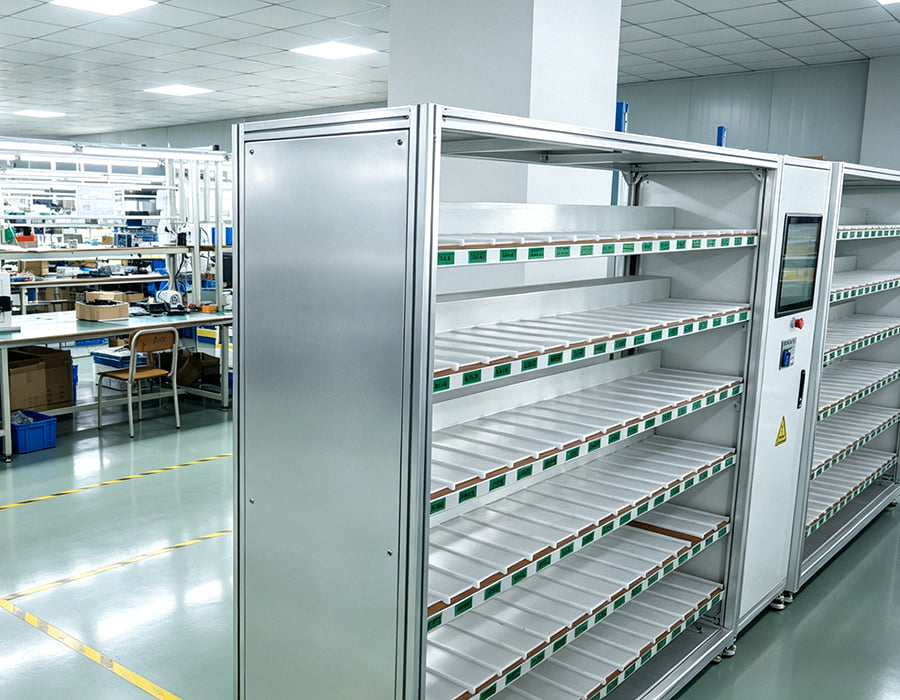
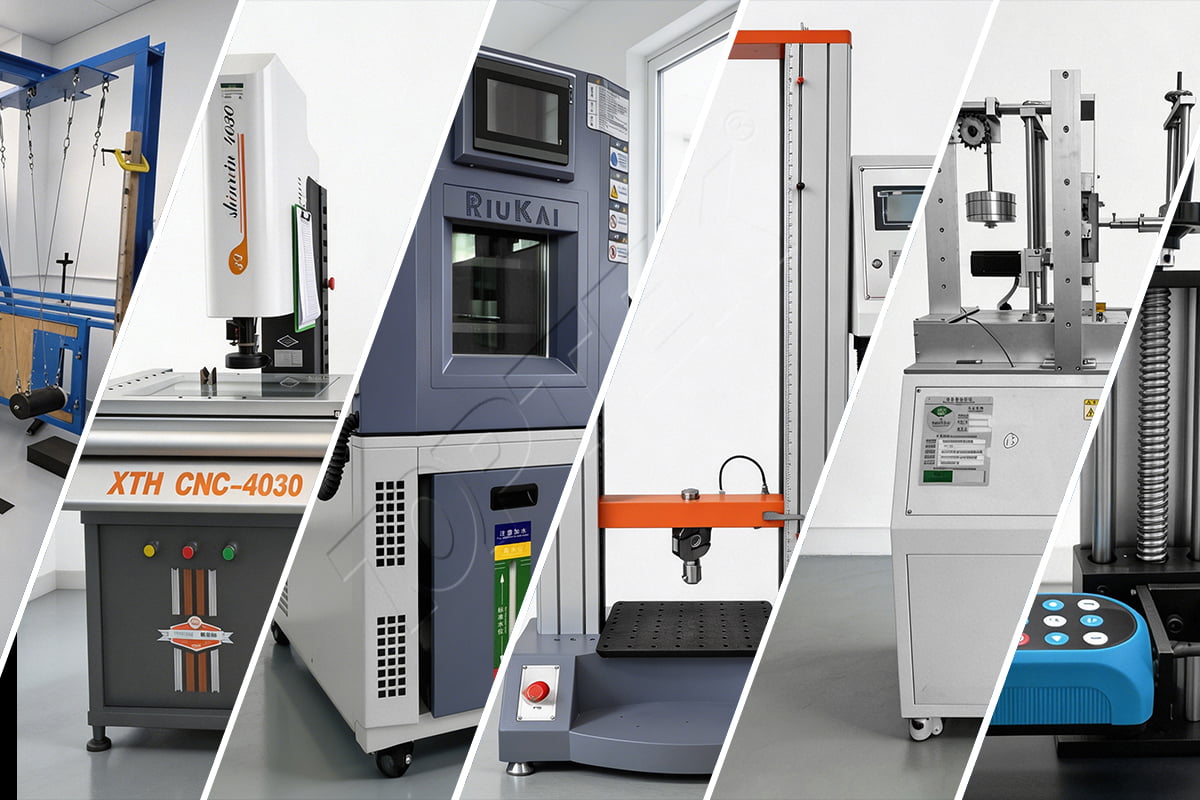
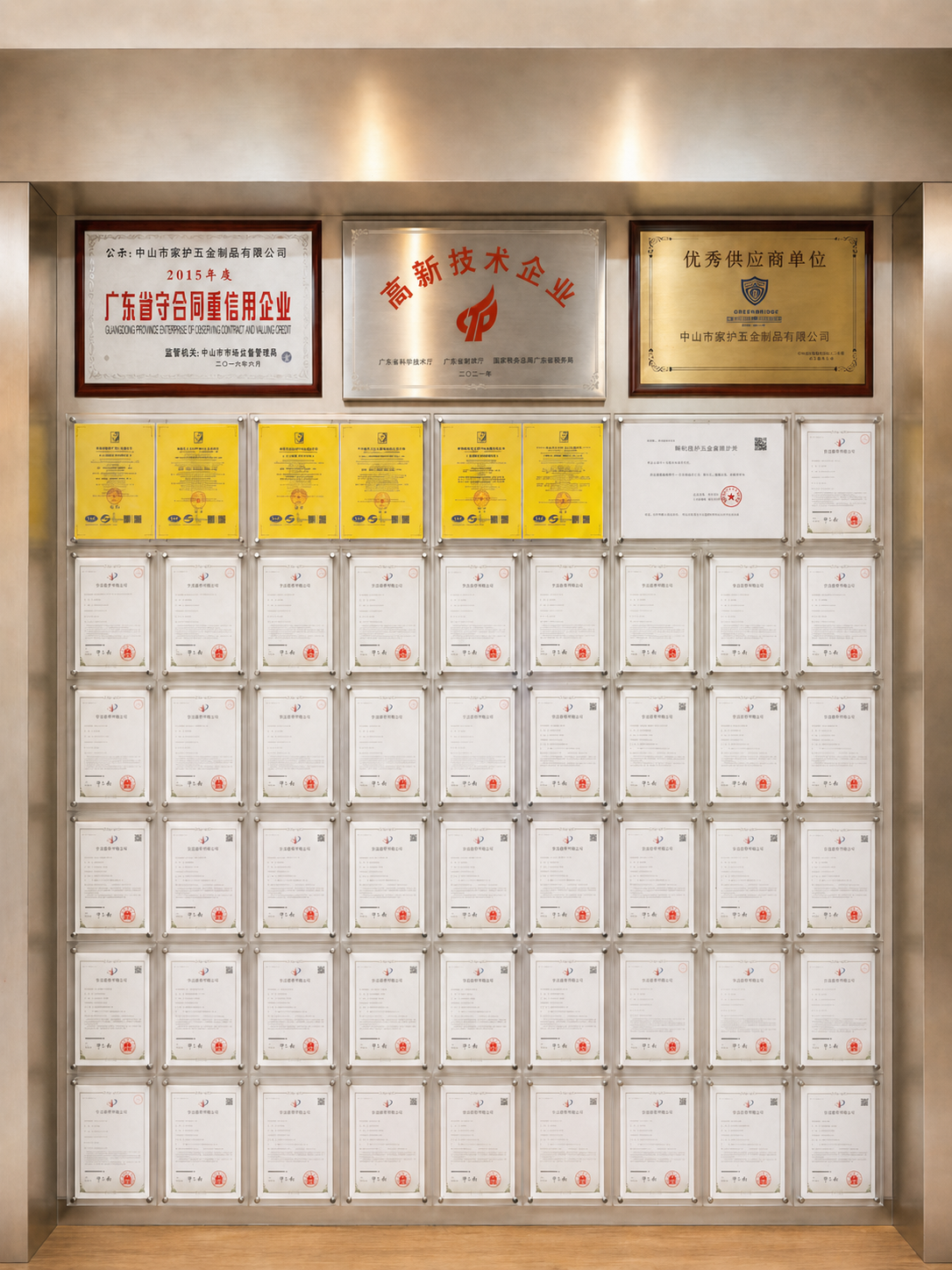
- Does the supplier have laboratory validation and production consistency control?
After these details are confirmed, the buyer can make a much safer decision and avoid selecting a product that looks correct on paper but creates problems during installation or project approval.
20. Why TOPTEK Focuses on Complete Door Hardware Solutions
At TOPTEK, we do not look at electric locks as isolated products. Instead, we view them as part of a complete commercial door hardware and access control solution.
Our product development covers ANSI Grade 1 mortise locks, EN 12209 Grade 3 mortise locks, AS 4145 commercial locks, electromechanical locks, self-locking access control locks, panic exit devices, lever handles, cylinders, hinges, and door power transfer solutions.
Because of this complete product range, TOPTEK has a broader understanding of how each component affects the full door opening.
- Cross-standard product knowledge covering ANSI, EN, AS, and UL routes
- Mechanical and electronic lock integration
- Fire-rated and emergency egress application logic
- In-house laboratory validation
- OEM / ODM customization
- Manufacturing consistency and quality control
- Complete product matching for lock case, handle, cylinder, strike, hinge, and cable transfer
21. FAQ: Electric Lock Selection for Access Control Doors
What is the best electric lock for commercial access control?
There is no single best electric lock for every project. For many commercial doors, an electromechanical mortise lock or solenoid-controlled mortise lock is preferred because it can combine mechanical security, controlled entry, free egress, monitoring signals, and fire-rated door compatibility.
What is the difference between fail-safe and fail-secure electric locks?
A fail-safe lock releases or unlocks when power is lost, while a fail-secure lock remains locked during power failure. The correct choice depends on the door location, emergency egress requirement, fire alarm strategy, and local code approval.
Is a magnetic lock suitable for fire-rated doors?
A magnetic lock may be used in some access control systems. However, fire-rated and emergency exit doors require careful compliance review. The complete door opening, including the lock, exit device, power release, door closer, frame, and fire alarm interface, must match the project requirement.
Why are monitoring signals important in access control locks?
Monitoring signals help the access control system confirm whether the door is open or closed, whether the latch has engaged, whether the deadbolt is projected, and whether the handle or mechanical key has been used.
Should I choose a solenoid lock or a motorized lock?
A solenoid lock is often suitable for fast handle-controlled access and commercial reliability. A motorized lock may be better when automatic bolt driving, remote operation, or smart building integration is required. In both cases, power consumption, door alignment, durability, and certification should be checked carefully.
22. Final Insight: The Right Electric Lock Is a Balance Between Security, Safety, and System Visibility
A good electric lock for access control should answer three questions at the same time:
- Security: Can the door remain reliably locked when it should be locked?
- Safety: Can people exit safely when they must exit?
- Visibility: Can the access control system confirm what is actually happening at the door?
When a lock only controls entry but does not support safe egress, the solution is incomplete. Electrically advanced products can also become risky if the mechanical structure is weak. In addition, a lock that secures the door but cannot provide status feedback leaves the access control system with limited visibility. Finally, when the selected lock does not match the required standard route, the project may face approval problems.
Need Help Selecting an Electric Lock for Your Access Control Project?
TOPTEK provides OEM / ODM solenoid-controlled mortise locks, EN self-locking electric locks, ANSI Grade 1 electrified mortise lock solutions, and complete commercial door hardware support for door manufacturers, hardware brands, distributors, contractors, and system integrators.
Website: www.toptekaccess.com
Email: ivan.he@toptekaccess.com
About TOPTEK
TOPTEK is a professional OEM / ODM manufacturer of architectural hardware, commercial locks, and integrated access control locking solutions. Established in 1991, TOPTEK has over 35 years of lock manufacturing experience, with product lines covering ANSI Grade 1 mortise locks, EN 12209 mortise locks, AS 4145 commercial locks, electromechanical access control locks, panic exit devices, multi-point locking systems, lever handles, cylinders, hinges, and door power transfer solutions.
With in-house testing capabilities, precision manufacturing, and cross-standard engineering experience covering ANSI, EN, AS, and UL requirements, TOPTEK supports global customers in developing compliant, durable, and project-ready door hardware solutions.
Smart Design. Strong Security.
[…] requirements. TOPTEK explains more about electromechanical lock selection in this <a href="https://toptekaccess.com/electric-lock-selection-guide-for-access-control-how-to-choose-the-right-el… access control lock […]