

How to Select a Complete Door Hardware Set for European Commercial Doors
What is the fastest way to select the right European Commercial Door Hardware Set? A complete European Commercial Door Hardware Set should be selected by door function, EN standard requirement, fire rating, traffic level, security grade, access control demand, material environment, and long-term maintenance risk. In real commercial projects, buyers should not choose a mortise lock, handle, cylinder, hinge, panic device, and access control device separately. Instead, they should treat every door opening as one complete hardware system.
Why does this matter for European commercial doors? Because one weak component can cause installation failure, poor door performance, failed inspection, or high after-sales cost. For example, a strong lock body still needs a compatible lever handle, correct cylinder, stable hinge, suitable strike plate, and proper emergency egress hardware. Therefore, door manufacturers, hardware distributors, contractors, and project buyers should check the whole door hardware package before mass ordering.
What Components Should a Complete Door Hardware Set Include?
What should buyers include in one complete specification? A complete door hardware set normally includes the mortise lock body, lever handle, cylinder, strike plate, hinge, panic exit device, door loop or power transfer device, and optional access control lock. The exact combination depends on whether the door is used for a hotel, office, hospital, school, apartment, public building, or fire-rated escape route.
How should project buyers avoid missing items? They should prepare a door schedule and match every door type with its required function. In real projects, common door types include office entrance doors, classroom doors, bathroom doors, apartment entrance doors, fire escape doors, corridor doors, plant room doors, and access control doors. As a result, one building may require several different lock functions instead of one universal solution.
| Hardware Component | Main Selection Point | Typical Standard or Requirement |
|---|---|---|
| EN Mortise Lock Body | Function, backset, center distance, durability, security grade | EN 12209, EN 1634-1 where applicable |
| Lever Handle | Strength, return spring, corrosion resistance, fire door compatibility | EN 1906, EN 179, EN 1125 where applicable |
| Euro Profile Cylinder | Key system, anti-drilling, master key level, project security | EN 1303 |
| Butt Hinge | Door weight, frequency of use, material, corrosion environment | EN 1935 |
| Panic Exit Device | Emergency egress, public safety, exit route classification | EN 1125 or EN 179 |
| Access Control Lock | Electric release, monitoring signals, fail-safe or fail-secure logic | EN 14846, project fire and egress rules |
How Should Buyers Select the Mortise Lock Body?
Which lock body should come first in the specification? The mortise lock body should be selected first because it defines the door function, handing, center distance, backset, latch operation, cylinder operation, and strike plate position. For European commercial doors, common options include sash lock, passage lock, deadbolt lock, bathroom lock, night latch, escape lock, classroom lock, roller latch lock, and anti-thrust escape lock.
Why are TOPTEK 72, 78, and 85 series important for project selection? These lock platforms cover nine core functions, helping buyers configure one coordinated European-standard lock package for different door types. This is useful for door manufacturers and distributors because they can reduce sourcing complexity while keeping product logic consistent across the project.
What structure should buyers check inside the lock body? Buyers should check the latch construction, lock case thickness, dust protection, deadbolt strength, strike compatibility, and long-term cycle performance. TOPTEK’s European mortise lock platform uses a 1.5 mm lock case cover and a one-piece precision investment-cast SUS304 latch bolt. This avoids the loosening risk often found in traditional riveted latch assemblies.
How Do EN Standards Affect Hardware Selection?
Which EN standards should buyers check first? Buyers should check EN 12209 for mechanical lock bodies, EN 1906 for lever handles, EN 1303 for cylinders, EN 1935 for hinges, EN 1125 or EN 179 for exit devices, and EN 14846 for electromechanical locks. However, the correct standard depends on the door application. A classroom door, hotel room door, office entrance door, and fire escape door do not use the same hardware logic.
How should buyers use third-party references? They should use recognized testing and certification bodies as reference points, especially when fire, life safety, or market access is involved. For broader compliance understanding, buyers may review resources from UL Solutions and Intertek. These references help buyers understand why verified testing, certification, and product consistency matter in commercial building projects.
Why should buyers avoid looking only at certificates? Because certification only has value when mass production remains consistent with the approved sample. In real projects, instability between annual audits, production batches, or material changes can create serious risk. Therefore, a supplier should prove not only certification knowledge, but also process control, in-house testing, and batch-to-batch consistency.
What Performance Data Should Be Checked Before Ordering?
What durability level is suitable for commercial doors? For European commercial door hardware, buyers should check certified cycle performance and also ask whether the supplier conducts internal endurance testing before mass production. TOPTEK’s CE-certified European mortise lock durability is 300,000 cycles, while its internal laboratory test capability can reach up to 1,000,000 cycles for development and verification. This helps support high-frequency public building applications.
What security strength should be checked on the deadbolt? The deadbolt should resist forced entry pressure, especially on apartment entrance doors, office entrance doors, and higher-risk commercial areas. TOPTEK’s European mortise lock deadbolt can reach Grade 4 security performance, including 5,000 N axial pressure and 7,000 N side pressure. This gives buyers a stronger safety margin than many standard Grade 3 lock bodies.
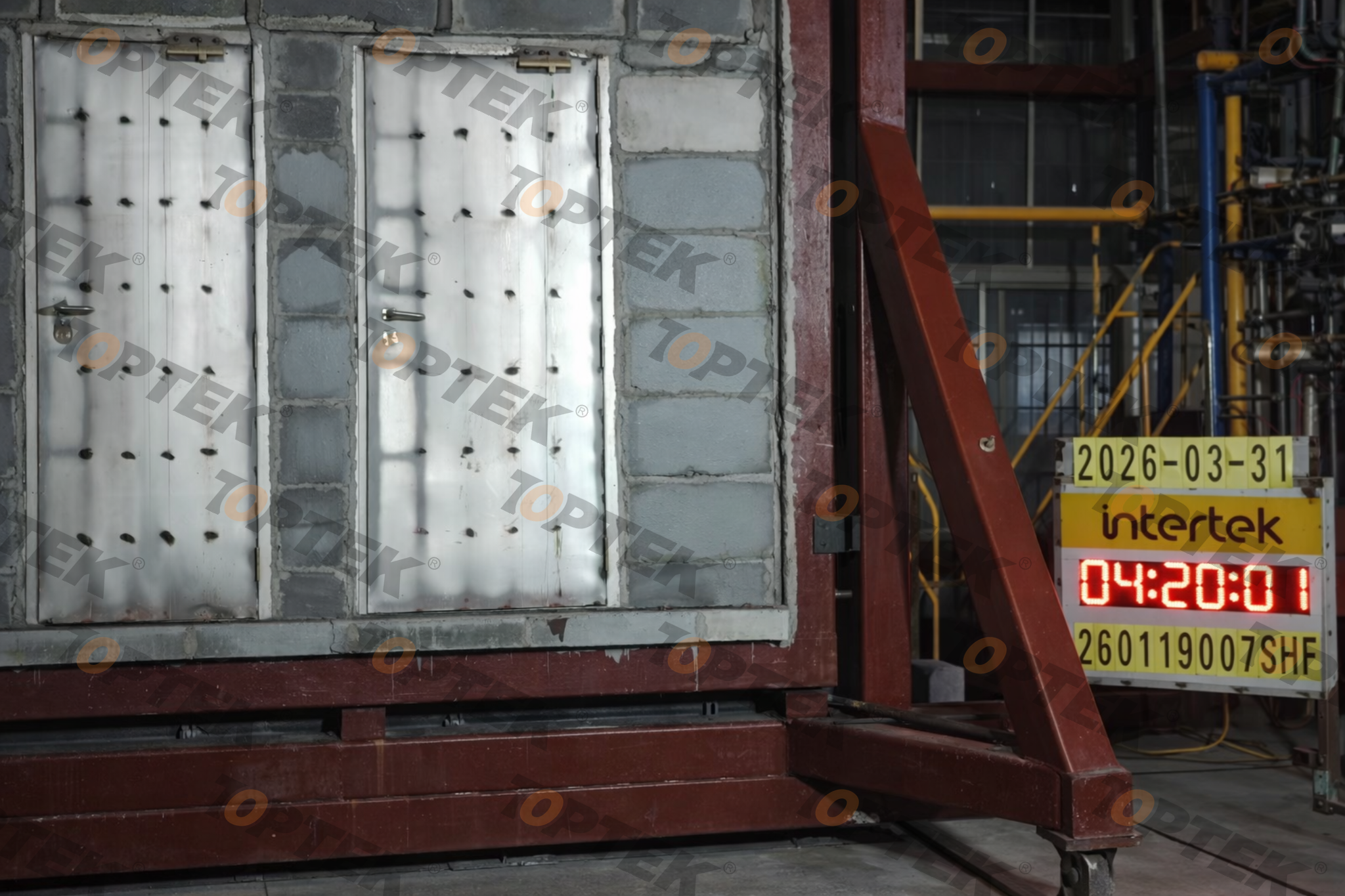
What fire test information should buyers request? They should ask whether the lock has been evaluated as part of a tested door assembly and confirm the exact door material, duration, and applicable market requirement. TOPTEK’s European mortise lock platform includes fire test references for 260 minutes on steel doors and 132 minutes on wooden doors. In real projects, the final acceptance still depends on the tested assembly and local authority requirements.
How Should Buyers Select Lever Handles?
What makes a lever handle suitable for commercial use? A commercial lever handle should provide stable return, strong fixing, corrosion resistance, low sag risk, and compatibility with emergency or fire-rated doors. For this reason, buyers should not select handles only by design or finish. They should also check EN 1906 grade, spindle size, through-bolt fixing, spring structure, and installation stability.
Why is handle sag a real project risk? Handle sag makes a door look poorly maintained and may indicate spring weakness, poor spindle engagement, or structural fatigue. In public buildings, repeated operation can quickly expose weak handle structures. TOPTEK’s EN 1906 lever handle platform focuses on heavy-duty structure, stable return performance, stainless steel construction, and long-term use in commercial environments.
Which handle materials should buyers consider? Stainless steel handles are suitable for high-traffic commercial doors, while optional upgraded materials or surface finishes can support more demanding environments. In coastal, hospital, school, or public transportation projects, corrosion resistance becomes more important. Therefore, buyers should match the handle material with the real use environment, not only the architectural design.
How Should Buyers Select Cylinders and Key Systems?
What should buyers check when selecting Euro profile cylinders? They should check cylinder length, cam type, keyway, anti-drilling requirement, master key hierarchy, and project management level. A good cylinder is not just a locking component. It also affects daily access management, maintenance cost, and future replacement efficiency.
Why does master key planning matter? Because hotels, schools, offices, apartments, and public buildings often require different access levels for owners, managers, maintenance teams, and emergency personnel. TOPTEK provides project cylinder solutions with master key system capability up to Management Level 5. This helps buyers build a structured access hierarchy instead of relying on simple keyed-alike or keyed-different arrangements.
How should buyers reduce cylinder risk? They should confirm the approved key system, sample cylinder, cylinder finish, key quantity, packaging method, and replacement policy before mass production. This is especially important for OEM/ODM customers, because a small cylinder specification error can create large after-sales pressure across thousands of doors.
How Should Hinges and Door Power Transfer Be Selected?
Why are hinges important in a complete hardware set? Hinges carry the door weight and directly affect alignment, closing force, latch engagement, and long-term lock performance. A high-quality lock may still perform poorly if the door sags or the hinge cannot support the door weight. Therefore, hinge grade, bearing structure, material, screw fixing, and door weight should be checked together.
Which hinge solution is suitable for commercial doors? For heavy-duty European commercial doors, buyers should consider stainless steel butt hinges tested to relevant performance requirements such as EN 1935. TOPTEK provides precision hinges and door power transfer solutions, including standard full mortise hinges, electric hinges, and door loops for access control applications.
When should a door loop or electric hinge be used? It should be used when the door requires power transfer for electric locks, monitoring contacts, card reader integration, or access control devices. In access control projects, cable protection is not a small detail. Poor cable routing can create electrical failure, door appearance problems, or service difficulties after installation.
How Should Access Control Requirements Be Included?
When should buyers choose an electromechanical lock? Buyers should choose an electromechanical lock when the door requires electric release, monitoring signals, access control integration, or centralized building management. For European projects, common options include solenoid-controlled locks, motorized locks, and self-locking electromechanical mortise locks. The final choice depends on security logic, power failure strategy, and egress requirement.
What is the difference between fail-safe and fail-secure? Fail-safe normally unlocks when power fails, while fail-secure normally remains locked when power fails. However, the correct choice depends on the door location, fire safety rule, security level, and local acceptance requirement. In real projects, buyers should confirm this with the project consultant, fire authority, or system integrator before final approval.
How does TOPTEK support access control projects? TOPTEK provides electronic lock and access control devices, including ANSI Grade 1 electrified mortise locks and EN electromechanical lock platforms. For additional selection logic, buyers can also read TOPTEK’s electromechanical lock selection guide for access control.
What Real Project Problems Should Buyers Avoid?
What is one common mistake in European door hardware sourcing? Many buyers focus on price first and discover the real cost only after installation, inspection, or annual certification review. For example, unstable lock body quality may pass an initial sample review but fail later due to batch inconsistency. This can create product rejection, replacement cost, delivery delay, and serious brand damage.
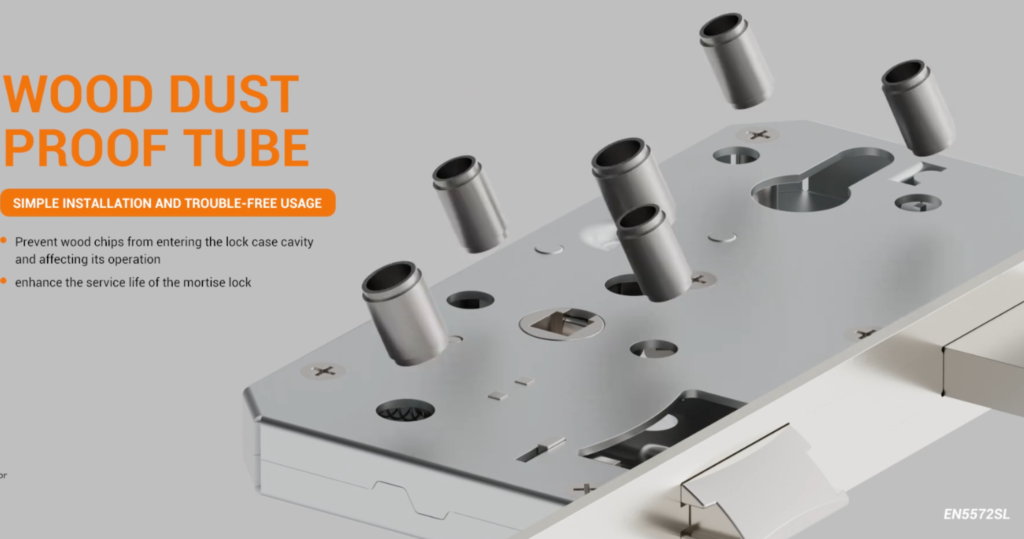
How can wood chips or installation debris affect lock performance? Debris can enter the lock body during door preparation and cause rough operation, jamming, or functional failure. TOPTEK adds a dust protection cover to the European mortise lock body to help reduce this risk during installation. This detail is especially useful for wooden doors and project sites where installation conditions are difficult to control.
Why does corrosion resistance need early confirmation? Corrosion problems often appear after delivery, especially in coastal areas, hospitals, high-humidity buildings, and public facilities with frequent cleaning. TOPTEK can provide different finishes for the forend, strike plate, latch bolt, and deadbolt. For higher anti-rust requirements, buyers can also evaluate optional 316 stainless steel components.
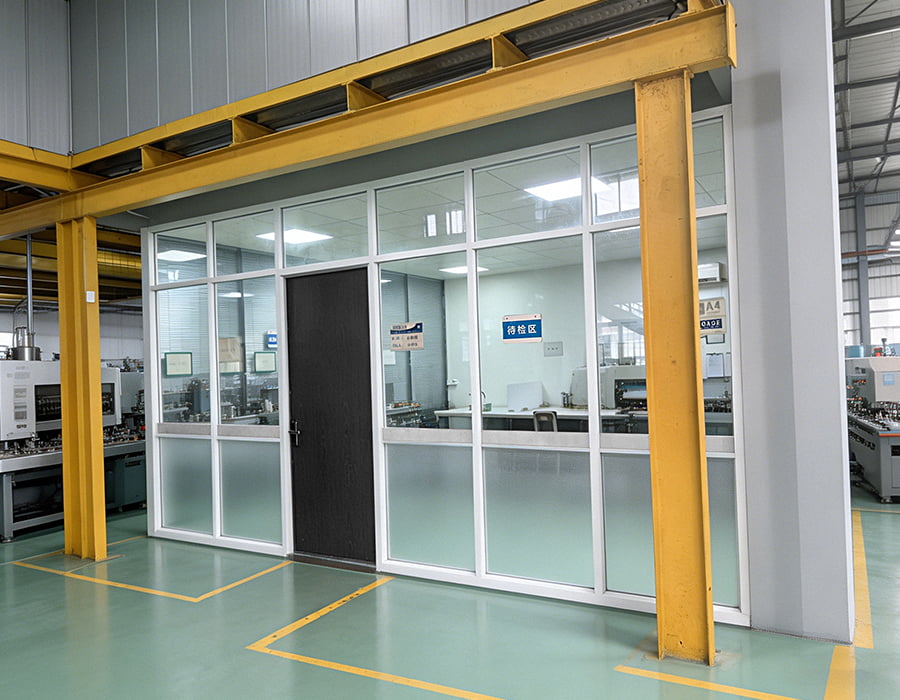
How Does TOPTEK Build a Complete Hardware Solution?
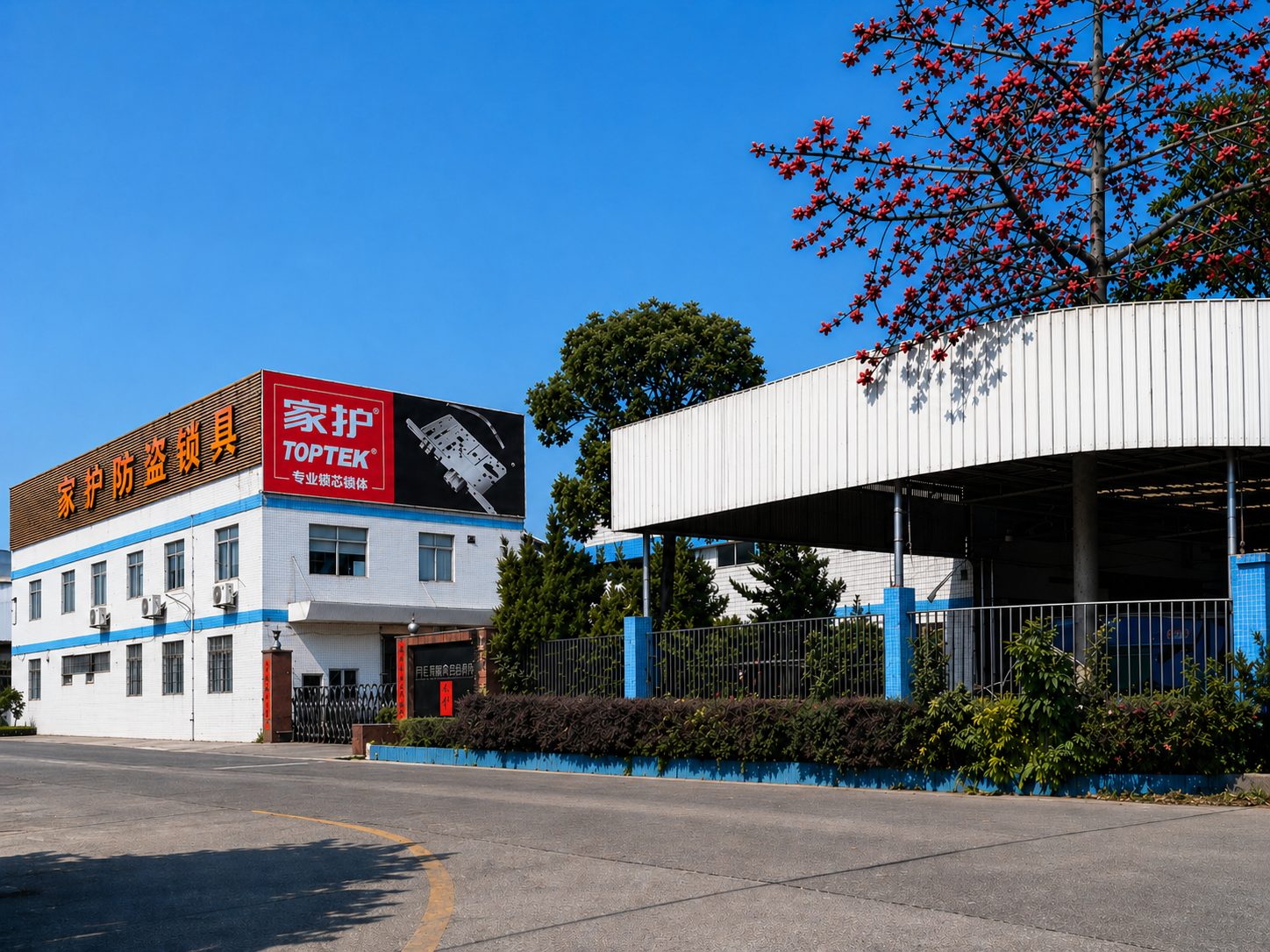
What makes TOPTEK suitable for European commercial door projects? TOPTEK combines European-standard lock development, precision manufacturing, in-house laboratory validation, ISO management systems, and OEM/ODM customization experience. Established in 1991, TOPTEK has more than 35 years of lock manufacturing experience and serves global buyers in commercial locks, architectural hardware, and integrated access control solutions.
Which product lines support a complete European Commercial Door Hardware Set? TOPTEK’s portfolio covers EN 12209 Grade 3 mortise locks, EN 1906 lever handles, construction cylinders, panic exit devices, multi-point locking systems, electronic locks, access control devices, butt hinges, and door power transfer solutions. This helps door manufacturers and distributors build a coordinated package rather than sourcing unrelated components from many suppliers.
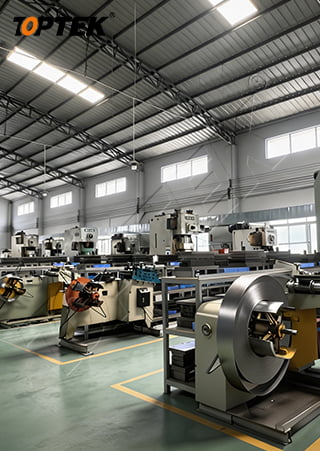
How does TOPTEK control quality before shipment? TOPTEK uses First Article Inspection, in-process inspection, patrol inspection, post-plating inspection, assembly inspection, and internal laboratory testing. The company also operates under ISO 9001, ISO 14001, and ISO 45001 management systems. As a result, buyers can evaluate not only product design, but also process stability and long-term supply reliability.
What Checklist Should Buyers Use Before Final Confirmation?
What should buyers confirm before approving samples? They should confirm the door type, door material, lock function, backset, center distance, forend size, strike plate, handle fixing, cylinder length, hinge size, finish, fire requirement, egress rule, and access control wiring. This checklist prevents specification gaps before tooling, sampling, or mass production begins.
- Confirm door material: timber door, steel door, aluminum door, or fire-rated door.
- Confirm door function: sash lock, passage, bathroom, classroom, escape, roller latch, or anti-thrust escape.
- Confirm EN standards: EN 12209, EN 1906, EN 1303, EN 1935, EN 1125, EN 179, or EN 14846.
- Confirm fire test requirement and local acceptance authority.
- Confirm finish: stainless steel, satin chrome, polished chrome, black, bronze, brass, or project-specific color.
- Confirm corrosion requirement and whether optional 316 stainless steel components are needed.
- Confirm sample approval, retained sample control, inspection plan, and packaging method.
How should buyers make the final supplier decision? They should choose a supplier that understands door openings, standards, installation risk, certification logic, and mass production control. A reliable European Commercial Door Hardware Set supplier should provide technical discussion, product configuration, sample testing, compliance support, and stable delivery. For this reason, TOPTEK positions itself as a project-oriented partner, not only a lock component vendor.
Conclusion: How to Build a Reliable Door Hardware Package
What is the final selection rule? A reliable European Commercial Door Hardware Set must combine correct function, certified performance, strong materials, stable installation, fire and egress compliance, and supplier quality control. Buyers should check the complete door opening instead of buying hardware items separately. This approach reduces project risk, improves acceptance success, and supports long-term building safety.
Why work with TOPTEK for European commercial door hardware? TOPTEK helps buyers configure complete architectural hardware solutions covering mechanical locks, lever handles, cylinders, hinges, panic exit devices, multi-point locks, and access control devices. With in-house testing capability, precision manufacturing, OEM/ODM experience, and EN/ANSI/AS standard knowledge, TOPTEK supports door manufacturers, distributors, contractors, and system integrators with project-ready hardware solutions.
TOPTEK Access – Commercial Locks & Architectural Hardware Manufacturer
Learn more at TOPTEK Access – Commercial Locks & Architectural Hardware Manufacturer.
For company background, engineering capability, and manufacturing information, visit the About TOPTEK engineering page.