
UL 10C Fire Door Lock Manufacturer: A Buyer’s Verification Guide
Source the lock as part of a documented opening—not as an isolated “fire-rated” component. This guide shows what to verify before quotation, sample approval and production.
What should a buyer verify?
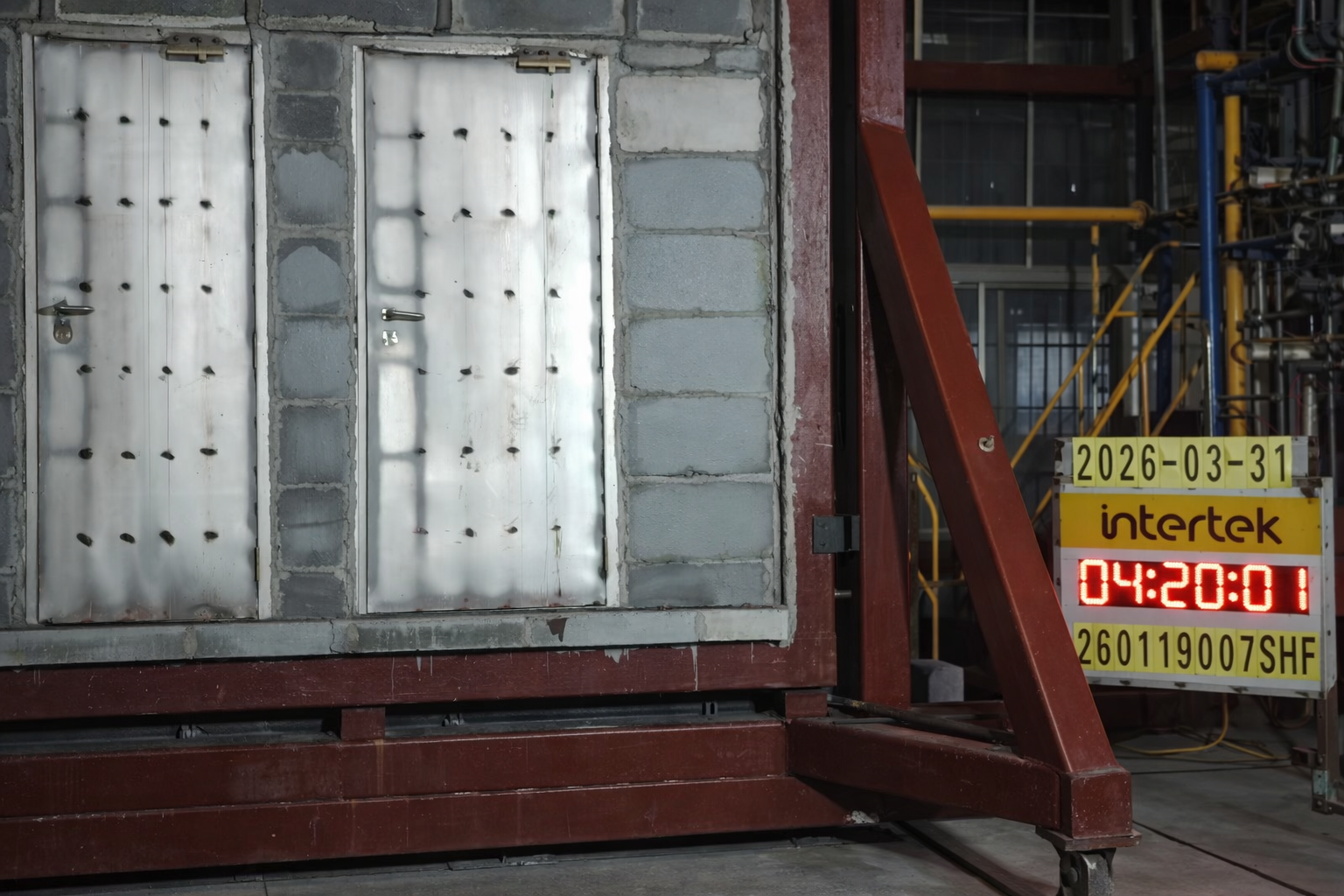
For a UL 10C fire-door project, verify that the proposed lock configuration is covered by the applicable listing or doorset approval, including the exact model, function, trim or actuator, required label, door type and installation conditions.
UL 10C is a positive-pressure fire-test standard for door assemblies. It does not make every product sold by a manufacturer suitable for every fire opening. Acceptance still depends on the documented scope and the authority having jurisdiction.
Model identity
Quotation code, lock function, handing and all parts that affect the opening.
Door assembly
Door and frame construction, rating, preparation and required edge conditions.
Listed scope
Current listing, report or approval evidence that explicitly covers the proposal.
Project controls
Approved drawings, sample, markings, packaging and revision control.
Six checks before you name a supplier
A complete review connects the code requirement to the product, the doorset and the approved production configuration.
Required standard
Identify whether the project specifies UL 10C, UL 10B, NFPA-linked requirements, a building-code route or a doorset manufacturer’s listing.
Lock function
Define the ANSI/BHMA function, latch and deadbolt operation, egress behavior, trim and any electrified feature.
Opening construction
State steel or timber construction, door thickness, rating, frame, edge preparation and relevant seals.
Evidence traceability
Compare the offered model code and components with the current listing, certificate or approval document.
Labels and marking
Agree which mark, label or document is required, who is authorized to apply it and what inspection route applies.
Change control
Do not change materials, accessories, dimensions or production details after approval without a documented review.
A fire claim is not a product-family shortcut
The test route, listing category and approved hardware combination must be read together. A similar lock case, finish or trim does not automatically inherit the same scope.
What each document should answer
| Document or control | Buyer question | Approval action |
|---|---|---|
| Project specification | Which code, standard, rating and function are required? | Record the exact requirement in the RFQ. |
| Listing / approval evidence | Is this precise lock configuration within the documented scope? | Match model and assembly before approval. |
| Product drawing | Do the lock case, door preparation, trim and interfaces match? | Freeze a signed revision. |
| Approved sample | Does delivered hardware match function, markings and finish? | Retain a reference sample. |
| Production release | Are all changes reviewed and traceable? | Authorize only the approved configuration. |
Avoid approval gaps before production
- Generic certificate request: asking only for “a UL certificate” without a model and opening schedule.
- Uncontrolled substitutions: changing trim, strike, latch, electronics or door construction after approval.
- Mixed terminology: treating UL 10B, UL 10C, lock grade and fire-door labels as the same requirement.
- Late evidence review: placing the order before the consultant or doorset supplier confirms acceptance.
RFQ starter list
- ✓ Project country and code route
- ✓ Required fire rating and opening type
- ✓ Door and frame construction
- ✓ ANSI/BHMA function and handing
- ✓ Mechanical or electrified operation
- ✓ Door thickness, backset and centres
- ✓ Trim, cylinder, strike and accessories
- ✓ Required listing, label and documents
- ✓ Sample and drawing approval sequence
Engineering review before commercial release
TOPTEK has manufactured commercial door hardware since 1991. Our team can review lock function, interface dimensions, drawings, samples and available evidence as a controlled package. We distinguish development testing from third-party approval and do not extend evidence beyond its documented scope.
View Manufacturing Capabilities →Commercial hardware manufacturing since
Manufacturing facility
Team members
Japanese CNC machines
UL 10C sourcing questions
Does UL 10C approval apply to every lock from the same manufacturer?+
No. The buyer must verify the exact model, function, components and opening conditions covered by the applicable listing or approval documentation.
What is the difference between UL 10B and UL 10C?+
They use different pressure conditions for fire tests of door assemblies. The project specification and authority having jurisdiction determine which route is required.
Is ANSI Grade 1 the same as a fire-door listing?+
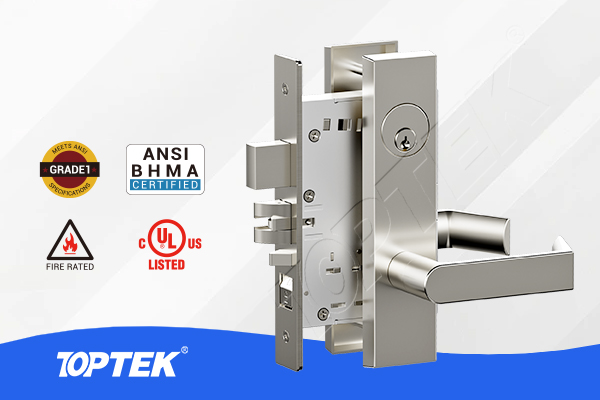
No. Grade describes performance under the applicable lock standard, while fire-door acceptance concerns the listed or approved opening configuration. Both may be required but they answer different questions.
Can electrified functions be substituted for mechanical functions?+
Only after the electrified model, power behavior, egress function, accessories and documented approval scope have been checked. Similar case dimensions do not prove equivalent acceptance.
What should I send TOPTEK for review?+
Send the project country, required code route, door and frame construction, fire rating, lock function, dimensions, trim, accessories, document requirements and approval timeline.
Request a UL 10C model-and-scope review
Share your opening schedule and approval route before you release drawings, samples or production.