
Fire Door Hardware RFQ Checklist: From Opening Schedule to Approval
Build a quotation package that identifies the doorset, lock function, standards, interfaces, evidence, samples and approval responsibilities before price becomes the only decision.
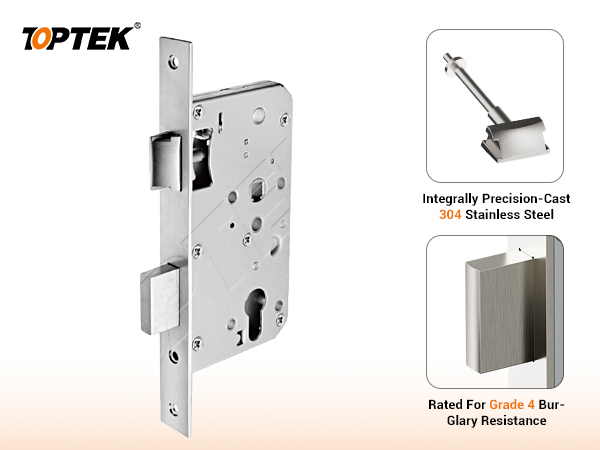
What makes a fire-door RFQ actionable?
An actionable RFQ lets the supplier identify a precise configuration and lets the buyer verify that configuration against the project’s doorset, code route and approval documents.
At minimum, define the project market, opening type, fire rating, door and frame construction, lock function, hardware interfaces, required standards, document scope, sample plan and change-control process.
The result
A complete RFQ reduces assumptions in model selection, exposes missing evidence early and creates a traceable path from the door schedule to the approved sample and mass-production release.
Start with: “Please review the attached opening schedule and propose a model within the required approval route.”
Eight information blocks buyers should send
Use the cards as a pre-quotation review. Unknown items should be marked “to be confirmed,” not guessed.
Market & code
Country, building type, project specification, required standard and approving party.
Opening schedule
Door IDs, quantities, handing, leaf arrangement, rating and occupancy function.
Door & frame
Steel or timber composite construction, thickness, frame, preparation and seals.
Lock function
Latch, deadbolt, egress, cylinder, trim, fail-safe/fail-secure and monitoring needs.
Interfaces
Backset, centres, case depth, forend, strike, spindle, cylinder and cable path.
Evidence
Listing, test report, classification, declaration, label and project approval needs.
Sample plan
Prototype quantity, inspection points, installation trial and signed acceptance.
Production control
Approved revision, marking, packaging, inspection, change request and release owner.
Price approval is not product approval
The commercial quotation should identify assumptions and exclusions. Product release should happen only after the model, interfaces, evidence, drawings, sample and responsibilities are agreed.
Technical proposal
Proposed model and stated assumptions.
Document review
Evidence scope and project acceptance.
Sample approval
Physical function, interfaces and marking.
Production release
Frozen revision and change control.
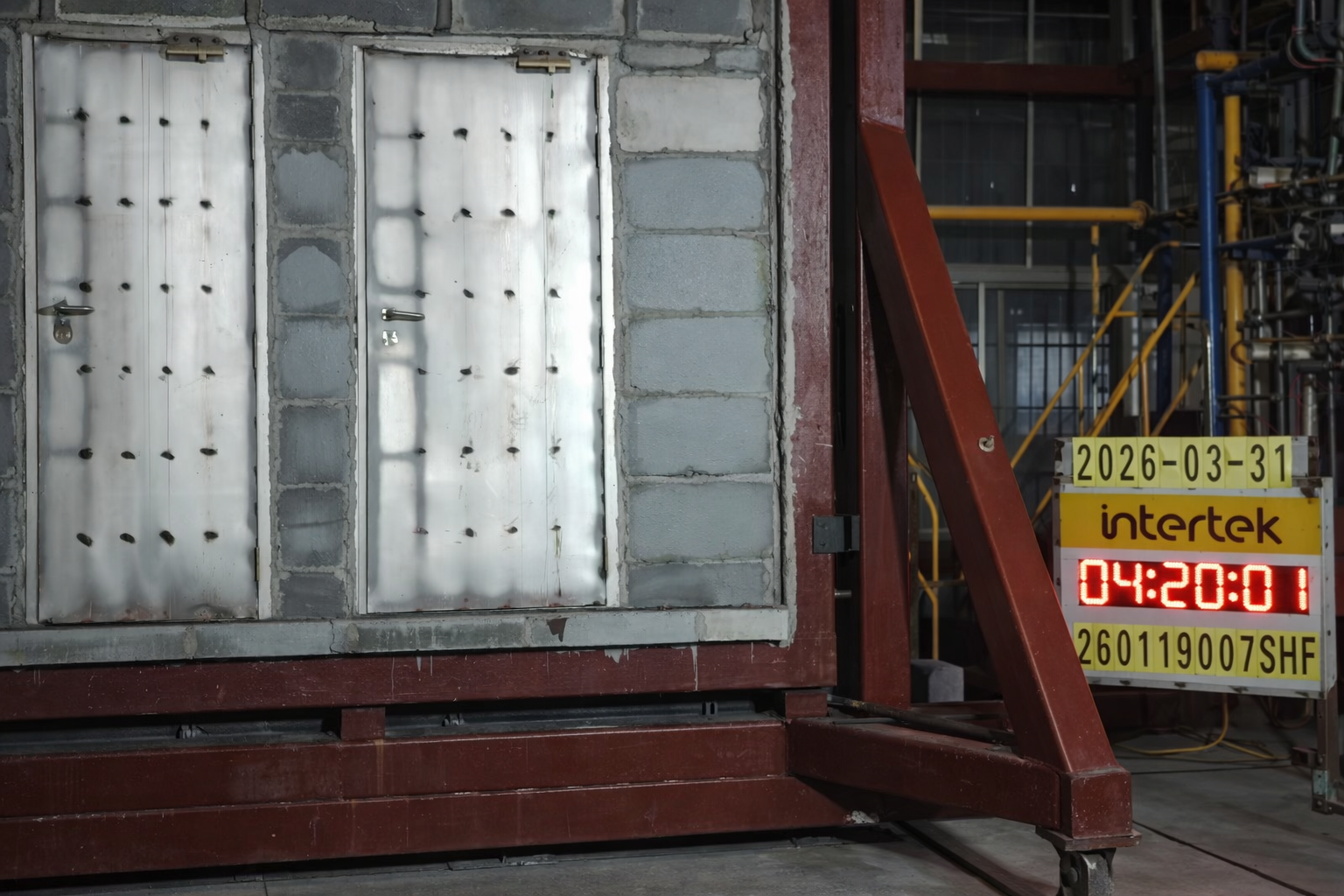
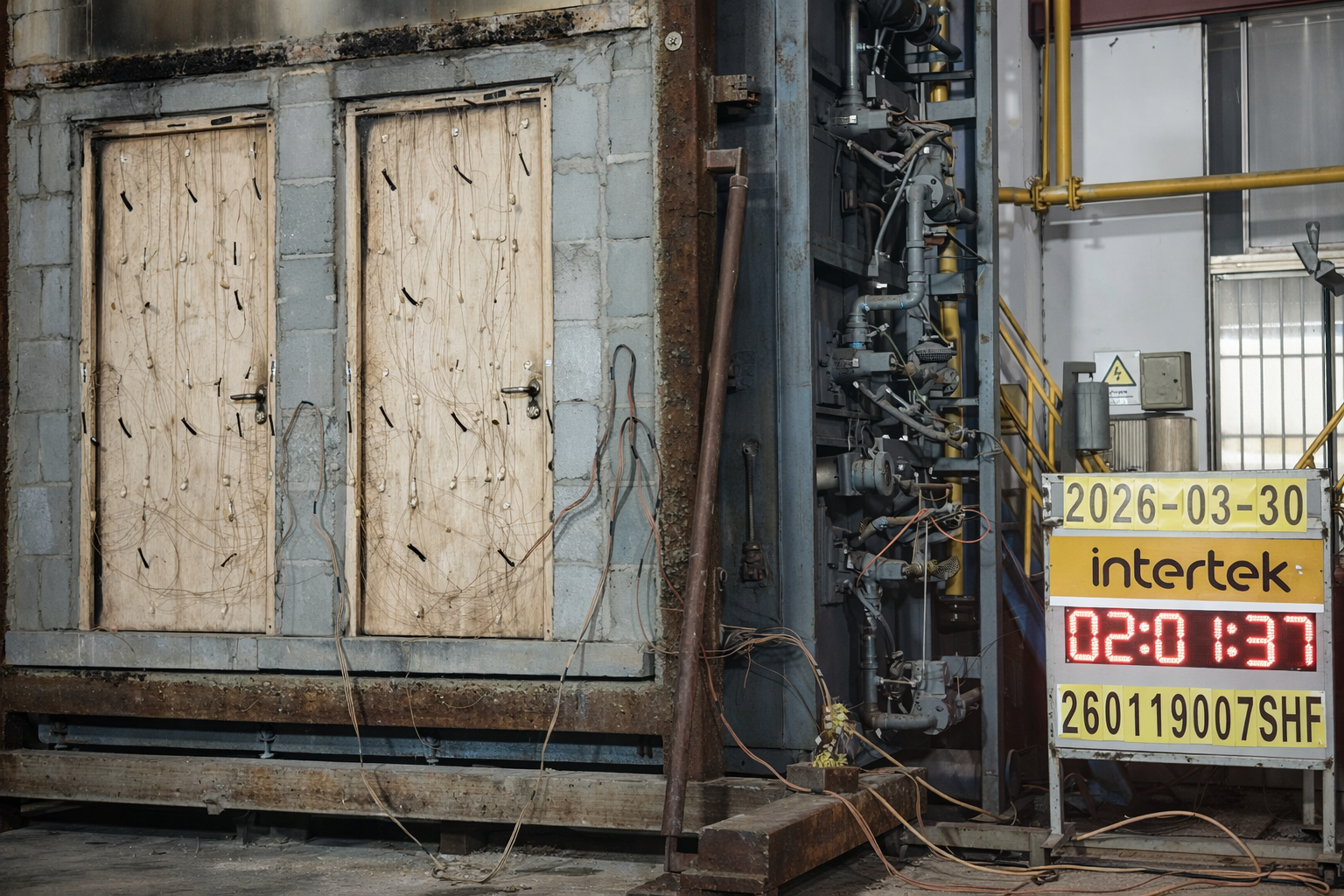
Name the owner for every approval
| Activity | Typical input | RFQ question |
|---|---|---|
| Code and doorset decision | Consultant, architect, doorset supplier or authority | Who confirms the required route and accepts substitutions? |
| Lock selection | Hardware consultant, distributor and supplier | Who approves function, dimensions and interface compatibility? |
| Evidence review | Supplier documents and project requirements | Which document, revision and model schedule are required? |
| Sample approval | Physical sample, drawing and inspection checklist | Who signs the sample and what becomes the production reference? |
| Production change | Formal deviation or change request | Who can approve a change after release? |
Questions that delay a reliable quotation
- Unknown door construction: the RFQ says “fire door” but does not state steel or timber composite construction.
- No function schedule: one lock description is used for passage, storeroom, egress and electrified doors.
- Evidence requested after order: documents are reviewed only when production is due.
- Dimensions omitted: backset, centres, door thickness, trim and cylinder interface are left to assumption.
- No change owner: substitutions are accepted by email without checking the doorset or evidence impact.
Attach these files when available
- ✓ Door and hardware schedule
- ✓ Relevant specification sections
- ✓ Door and frame drawings
- ✓ Existing preparation details
- ✓ Required hardware set and function
- ✓ Consultant document checklist
- ✓ Target sample and delivery dates
- ✓ Approved finish schedule
Missing information? Mark it for confirmation and assign an owner. Do not fill gaps with unverified assumptions.
A repeatable path from model review to production
TOPTEK has manufactured commercial door hardware since 1991. Our product and engineering teams can review functions, interfaces, drawings, samples and available evidence as one controlled package. Internal development tests are kept distinct from third-party certifications or listings.
View Manufacturing Capabilities →Fire door hardware RFQ questions
Can I request a quotation before every project detail is known?+
Yes, but unknown items should be identified as assumptions or open decisions. The supplier’s proposal should not be treated as final approval until critical opening, function and evidence details are confirmed.
Which dimensions are essential for a mortise lock RFQ?+
State backset, centres, case depth, forend and strike dimensions, door thickness, cylinder interface, spindle size and the relationship to trim and door preparation.
Should the supplier choose the fire standard?+
The project team should define the applicable market and approval route. A supplier can review options and available evidence but should not replace the consultant or authority’s code decision.
When should samples be approved?+
Approve samples after the technical model and evidence scope have been reviewed but before mass production. Record the approved drawing, function, markings, finish and accessories.
How should substitutions be controlled?+
Submit a formal change request describing the old and new configuration, reason, dimensional impact, evidence impact and approval owner before the change is used.
Build a reviewable fire door hardware RFQ
TOPTEK can review the proposed lock, interfaces and available evidence before drawings and samples are released.