
Fire Door Lock Supplier for Global Commercial Projects
Match the lock, door construction, fire-test route and approval documents before production. TOPTEK supports model-specific review for ANSI, EN/CE and project-defined fire-door hardware packages.
Written and reviewed for publication by Ivan He, General Manager, Zhongshan Toptek Security Technology Co., Ltd.
Fire door lock buyer guides
Each guide answers a different buyer question and has its own search intent. Start with the required market or the specific procurement risk.
UL 10C Fire Door Lock Manufacturer
Verify the positive-pressure route, exact listed model, function, label, door assembly and approval documents.
Read the UL 10C guide →EN 1634-1 Fire Door Mortise Lock
Read doorset fire-test evidence together with EN 12209 classification, installation details and model scope.
Read the EN 1634-1 guide →Fire Door Lock: Timber vs Steel Doors
Understand why door material, preparation, insulation and the documented test assembly cannot be treated as interchangeable.
Compare door constructions →Fire Door Hardware RFQ Checklist
Define the doorset, lock function, interfaces, standards, evidence, samples and approval gates before quotation.
Build a complete RFQ →What should a fire door lock supplier confirm?
A capable supplier connects the exact lock model to the door construction, test or listing route, egress function, installation details and project approval requirements. A fire-related label or a general product-family statement is not enough.
Market & approval
Country, project specification, required standard and authority having jurisdiction.
Door construction
Steel, timber composite or another approved construction, including preparation and rating.
Hardware function
Passage, deadlocking, escape, electrified control or exit-device operation.
Evidence & control
Exact model scope, drawings, samples, markings and production change control.
One phrase can hide several approval questions
“Fire-rated lock” may refer to doorset fire resistance, lock performance, escape function, product marking or a regional listing. These layers must be coordinated instead of treated as interchangeable.
Project boundary: these are common reference routes, not a universal approval list. The project specification, doorset manufacturer, consultant and authority having jurisdiction determine what is accepted.
Review the model and the doorset together
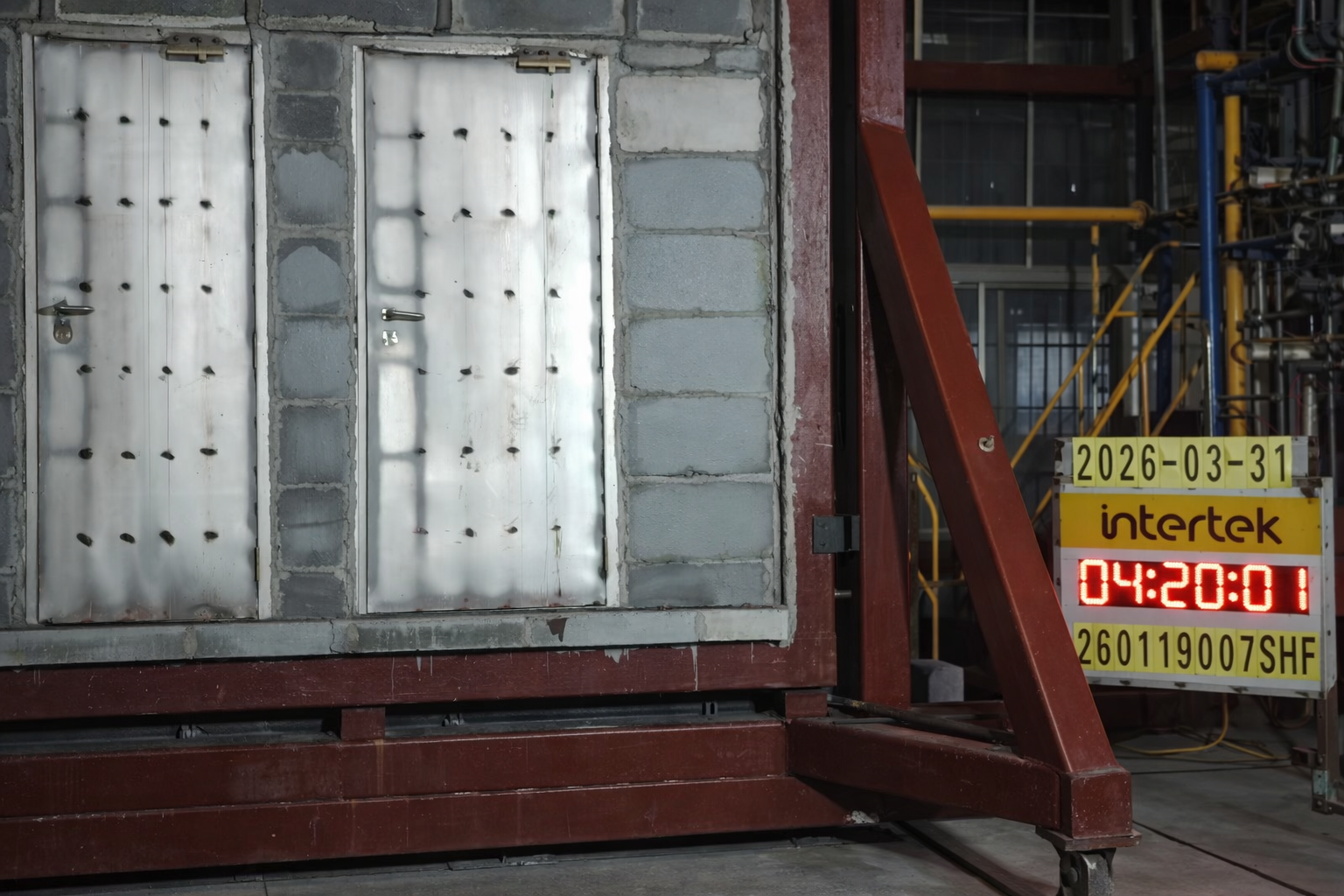
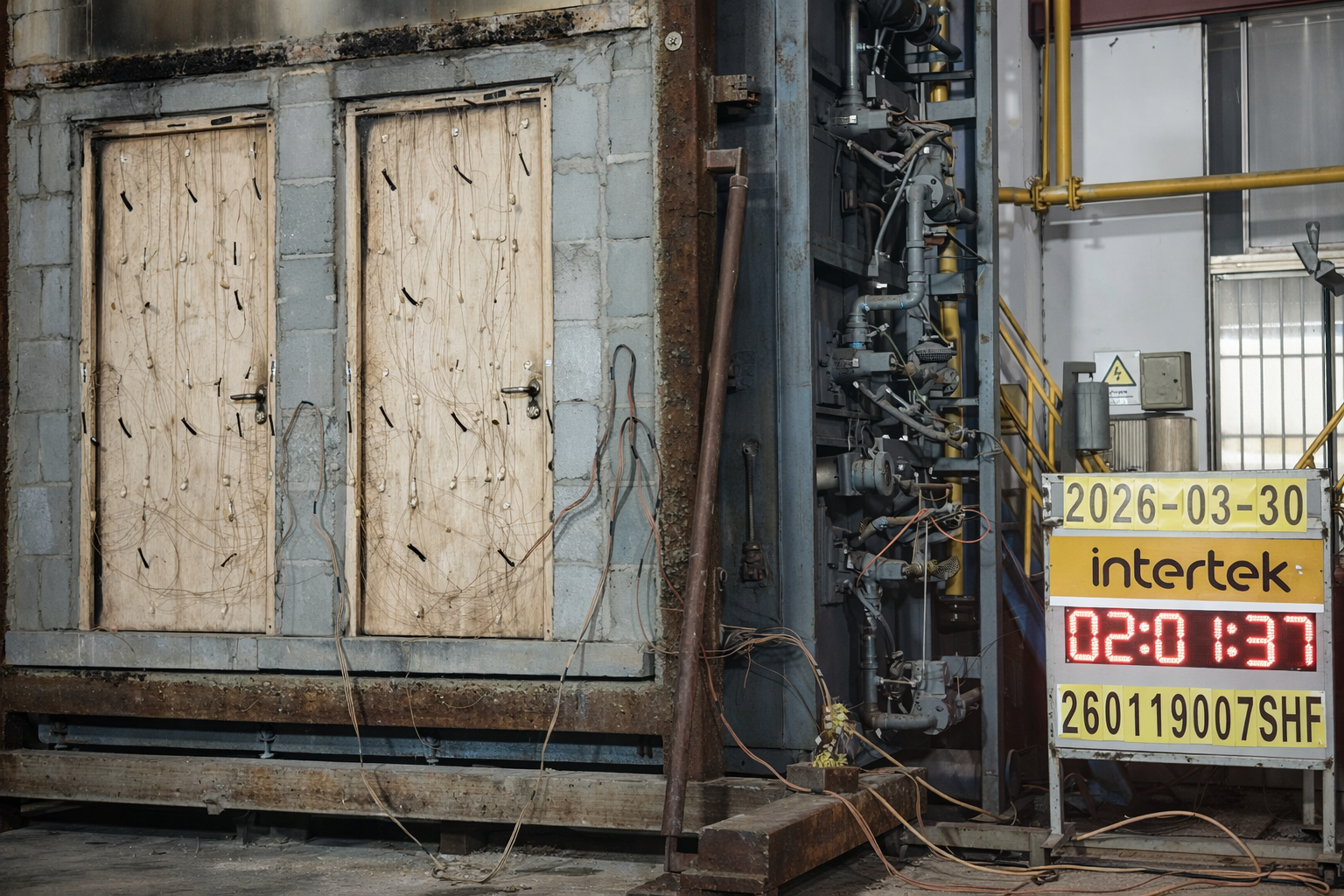
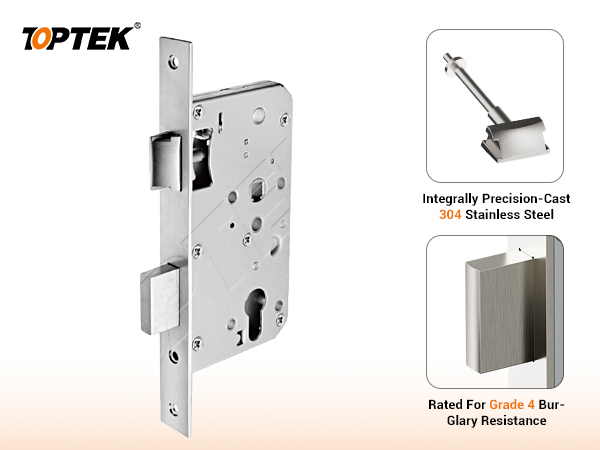
TOPTEK’s supporting EN 1634-1 reports document defined mortise-lock configurations in specified steel and timber composite fire doorsets. Results belong to the described assemblies and report scope; they are not blanket approval for every lock, accessory or door.
- ✓Traceable model schedule: compare quotation codes with the current report, certificate or listing.
- ✓Door-specific scope: do not transfer steel-door evidence to timber doors without supporting documentation.
- ✓Independent versus internal: development tests are never presented as third-party certification.
Choose the function before the model
EN 12209 / CE Mortise Locks
Confirm function, backset, centres, forend, strike and the current model-specific evidence.
Explore the EN range →ANSI Grade 1 Mortise Locks
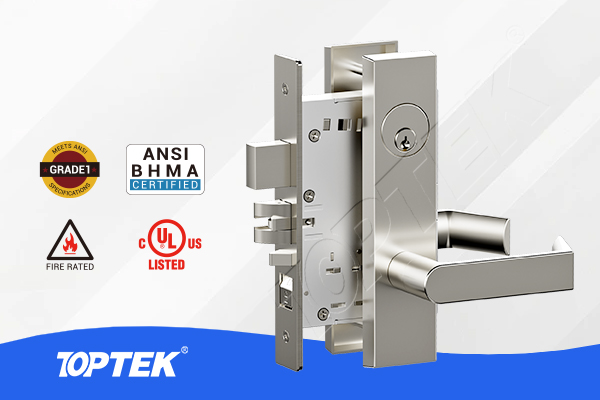
Start with the ANSI/BHMA function, then verify listing, trim, label and fire-door assembly.
Explore the ANSI range →Exit and Electrified Hardware
Coordinate egress, occupancy, voltage, monitoring and system interfaces as separate approval paths.
View all product systems →From door schedule to production release
Define
Market, doorset, rating, function and interfaces.
Verify
Exact model, evidence scope and installation limits.
Approve
Drawing, sample, marking, finish and documents.
Control
Lock the revision and authorize production changes.
Engineering, evidence and repeatable production
TOPTEK has manufactured commercial door hardware since 1991. A 13,000 m² facility, 220+ team members, 20+ R&D personnel and 50+ Japanese CNC machines support coordinated development and production. ISO 9001, ISO 14001 and ISO 45001 management systems support controlled delivery.
Fire door lock sourcing questions
Is UL 10C the only standard for a fire door lock?+
No. Depending on the project, other references can include UL 10B, CAN/ULC-S104, EN 1634-1, EN 1634-2, EN 16034, BS 476-22, AS/NZS 1905.1, AS 1530.4 or ISO 3008-1. The project specification and authority having jurisdiction decide what is accepted.
Does an EN 1634-1 test cover every lock in a product family?+
No. The result applies to the tested assembly and the scope allowed by the report, assessment or certification. Verify the exact lock model, door construction, accessories and installation details.
What is the difference between EN 12209 and EN 1634-1?+
EN 12209 is a product standard for mechanically operated locks, latches and locking plates. EN 1634-1 is a fire-resistance test for door and shutter assemblies. A project may require both the lock classification and suitable doorset evidence.
Can one mortise lock be used on steel and timber fire doors?+
Only when the available evidence and approved application cover the proposed construction. Steel and timber doors should not be treated as interchangeable.
What should I send for an accurate fire door lock quotation?+
Send the destination market, standard, door schedule, rating, construction, lock function, dimensions, interfaces, required documents, sample quantity and expected order volume.
Request a model-and-evidence review
Send TOPTEK your target market, doorset and required hardware function. We will review the product path, interface dimensions and available evidence before quotation.