
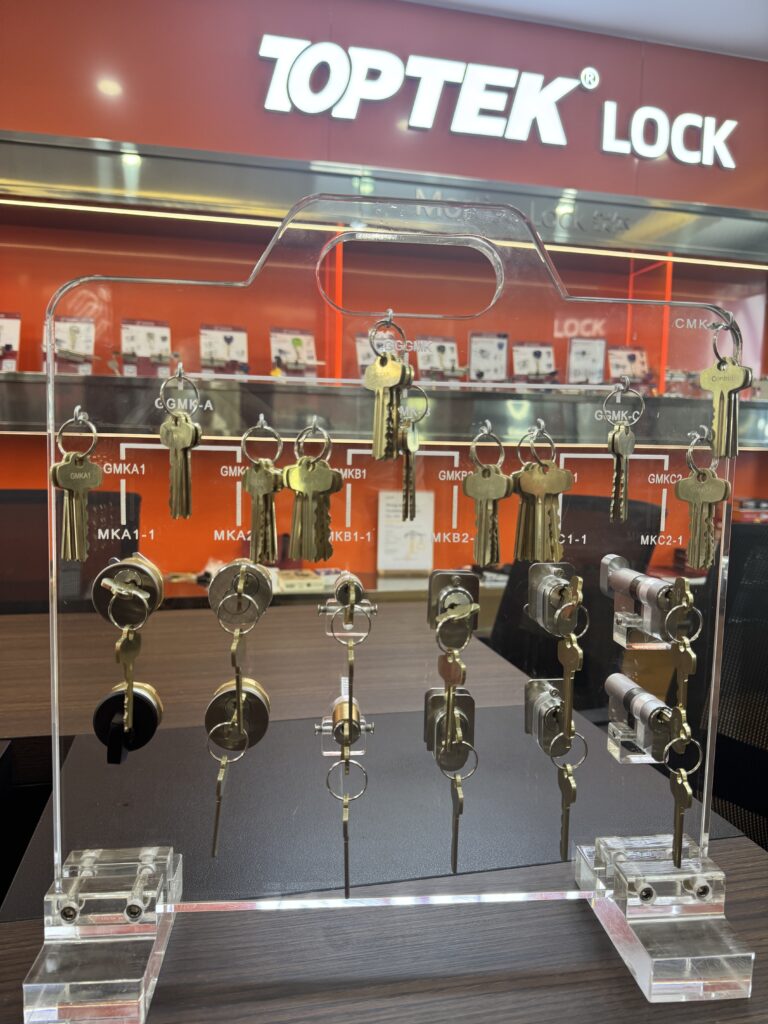

Why does this matter in real projects? Hotels, schools, hospitals, office towers, apartments, and public buildings often require different permission levels for owners, managers, staff, contractors, tenants, and emergency personnel. If the cylinder system is planned too late, the project may face duplicated keys, incompatible cylinder formats, difficult maintenance, and higher replacement cost.
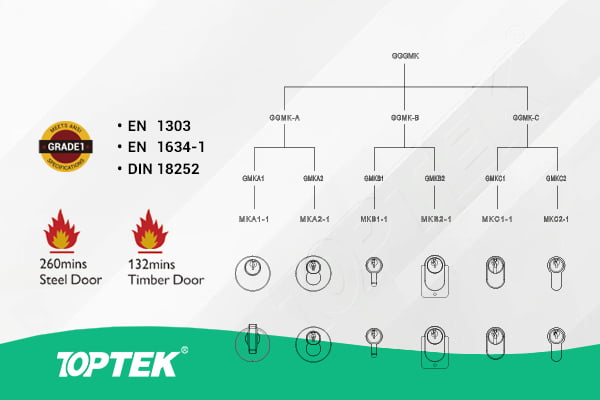
What Are Project Cylinders and Master Key Systems?
What is the simple definition? Project cylinders are lock cylinders selected, keyed, and managed for a specific building project. Master key systems organize these cylinders into a controlled hierarchy, so different users can open only the doors they are authorized to access.
How does the hierarchy work? A basic user key may open one room. A department key may open a group of rooms. A building manager key may open a wider zone. A grand master key may open multiple zones under a controlled approval policy.
What should buyers avoid? Buyers should not treat cylinders as isolated accessories. In real projects, the cylinder must match the lock body, door function, fire door requirement, regional standard, security level, keyway policy, and future replacement plan.
Why Does Key Management Become Difficult in Commercial Buildings?
Why do many projects become complicated? Commercial buildings usually combine many door types, many users, and sometimes different hardware standards. A single project may include office doors, service doors, apartment doors, public entrances, emergency routes, and restricted technical rooms.
What is the common pain point? When American IC cores, Euro profile cylinders, Scandinavian cylinders, and other cylinder formats are managed separately, facility teams may need different key systems for different zones. As a result, maintenance becomes slower and access control becomes less efficient.
What is the better approach? Buyers should plan Project Cylinders and Master Key Systems before mass ordering door hardware. Early planning helps the project team define permission levels, cylinder formats, key quantities, replacement rules, and expansion logic.
Which Cylinder Standards Should Buyers Confirm First?
What should be checked before choosing a cylinder? Buyers should confirm the target market, door preparation, lock case interface, cylinder shape, plug type, cam or tailpiece design, keyway requirement, and certification target. These details decide whether the system will fit the actual door hardware.
Which cylinder formats are common? Commercial projects may use Euro profile cylinders, American SFIC cylinders, American mortise cylinders, American bored lock cylinders, Australian oval cylinders, and Scandinavian oval lock cylinders. Each format has different dimensions, installation logic, and market acceptance.
Which standards may be relevant? Depending on the market, buyers may need to consider EN 1303 for cylinder performance, ANSI/BHMA A156.5 for cylinders and input devices, UL 10C for fire-rated door assemblies, or local security schemes such as SKG or TS 007 where the project requires them.
Where can buyers check related TOPTEK cylinder products? For product reference, buyers can review the TOPTEK Construction Cylinder range, including Euro profile cylinders, SFIC mortise cylinders, American mortise cylinders, American bored lock cylinders, and Scandinavian oval lock cylinders.
How Should Buyers Evaluate Master Key Levels?
What is the key question? Buyers should ask how many authority layers the building needs, not only how many cylinders are required. A school, hospital, hotel, office tower, or apartment project may require different management levels.
What does a practical structure look like? A simple project may need keyed-different and keyed-alike groups. A more complex project may need sub-master, master, and grand master levels. For large commercial buildings, a 4-level or 5-level master key structure can help simplify access administration.
What should be controlled carefully? Key quantities, key stamping, key ownership, replacement keys, restricted keyways, and emergency access policies should be documented from the beginning. Without a clear key schedule, even high-quality cylinders can create management confusion.
Why Does Cross-Standard Compatibility Matter?
Why is cross-standard capability valuable? Many international projects do not use one single lock standard. A project may combine American IC core cylinders, Euro profile cylinders, and Scandinavian cylinders because different doors, regions, or building zones follow different hardware habits.
What is the industry limitation? Many ordinary cylinder suppliers can only build management systems within one cylinder format. They may handle Euro profile cylinders or American cylinders separately, but they struggle when different cylinder diameters, plug sizes, and installation standards must work under one management logic.
How does TOPTEK approach this challenge? TOPTEK can develop a multi-standard mixed master key cylinder concept that keeps the original cylinder standard and external dimensions while supporting unified key management across American IC core cylinders, Euro profile cylinders, and Nordic or Scandinavian cylinder formats.
Why is this important for project buyers? It helps cross-border projects, multi-region security packages, and complex permission scenarios reduce key system fragmentation. However, final feasibility should always be confirmed by cylinder drawings, keyway design, plug diameter, lock case interface, and project security requirements.
What Manufacturing Details Affect Cylinder Reliability?
Why does machining precision matter? A cylinder is a precision mechanical component. Key insertion smoothness, pin alignment, plug rotation, cam movement, and long-term wear resistance all depend on the dimensional accuracy of the cylinder body and internal parts.
What should buyers check at factory level? Buyers should ask whether the supplier controls CNC machining, pinning accuracy, brass material consistency, plug diameter tolerance, key bitting accuracy, and pre-assembly inspection. These details directly affect the reliability of Project Cylinders and Master Key Systems.
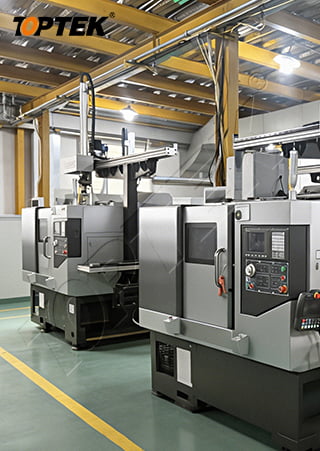
How does TOPTEK support precision manufacturing? TOPTEK uses high-precision CNC machining capability and controlled component inspection to support stable fit, smooth key operation, and consistent batch production. This is especially important when different cylinder formats must be managed under one project keying plan.
How Should Testing and Quality Control Be Checked?
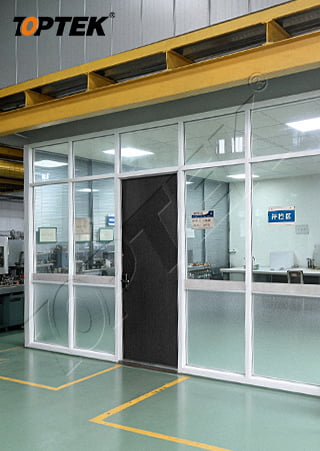
What should professional buyers verify? Buyers should check whether the supplier controls incoming material inspection, first article inspection, in-process inspection, pre-assembly inspection, and final functional testing. This process is more reliable than checking only a finished sample.
Why is batch consistency important? A master key system depends on repeatable accuracy. If pin sizes, plug dimensions, keyway profiles, or cam positions vary between batches, the system may become difficult to maintain after installation.
How does TOPTEK reduce project risk? TOPTEK applies FAI, random inspection, patrol inspection, and component verification before mass production. For project cylinders, this helps control dimensional accuracy, key operation, surface finish, and long-term replacement consistency.

How Should Buyers Connect Mechanical Cylinders with Access Control?
What is the practical relationship? Mechanical cylinders and electronic access control do not replace each other in every project. In many commercial buildings, the cylinder still provides mechanical override, emergency maintenance access, and long-term backup access.
What should the specification include? Buyers should confirm whether the cylinder must work with mechanical mortise locks, electrified mortise locks, motorized locks, solenoid-controlled locks, panic hardware, or integrated access control systems. For related hardware planning, TOPTEK also provides electronic lock and access control devices.
Why does this reduce lifecycle risk? A well-planned cylinder and access control strategy can support daily credential management while keeping a reliable mechanical key path for service teams, emergency procedures, and system failure scenarios.
How Can OEM/ODM Buyers Build a Scalable Cylinder Program?
What should lock brands and distributors request? OEM/ODM buyers should ask for a controlled cylinder platform, not only a single sample. The platform should include cylinder formats, keyway policy, keying chart, security level, packaging method, replacement plan, and production traceability.
What documents are useful? A professional project should include cylinder drawings, lock compatibility information, key schedule, master key hierarchy, material specification, surface finish requirement, test plan, and sample approval records.
How does TOPTEK support project development? TOPTEK supports requirement analysis, product configuration, technical drawings, sample development, functional testing, pilot production, mass production, packaging, delivery control, and after-sales improvement. You can also review the About TOPTEK engineering page for manufacturing and project support information.
What Questions Should Buyers Ask Before Ordering?
What is the fastest way to qualify a supplier? Ask technical questions that reveal whether the supplier understands project keying, not only cylinder trading. The answers should be specific, measurable, and connected to real building use.
- Which cylinder formats can you supply for this project?
- Can you support Euro profile, American IC core, and Scandinavian cylinder formats under one key management concept?
- What master key levels can your system support?
- Can you provide a clear key schedule and cylinder marking plan?
- How do you control plug diameter, pin accuracy, and key bitting consistency?
- Which standards are relevant for the target market?
- How do you handle replacement cylinders and future project expansion?
- Can the cylinder system work with mechanical locks and access-control-ready locks?
What External Standards and Testing References Should Buyers Consider?
Why are external references useful? Standards and third-party testing references help buyers separate real project requirements from general marketing claims. They also help the project team communicate with consultants, contractors, and approval authorities.
Which references are useful for door hardware projects? For fire-rated door hardware and listed hardware guidance, buyers can review UL fire-rated door and hardware information. For testing and certification services for locks, hinges, latches, closers, and exit devices, buyers can also review Intertek door hardware testing services.
What should buyers remember? The required standard depends on the market, building code, door assembly, fire rating, security target, and authority having jurisdiction. Therefore, buyers should confirm the full door opening requirement before finalizing the cylinder and lock package.
How Does TOPTEK Support Project Cylinders and Master Key Systems?
What is TOPTEK’s project value? TOPTEK provides precision-engineered cylinder solutions for commercial buildings, public facilities, and OEM/ODM customers that require reliable access hierarchy, cylinder customization, and long-term supply consistency.
What makes the solution different? TOPTEK’s multi-standard mixed master key cylinder system can be engineered to keep American IC core cylinders, Euro profile cylinders, and Nordic or Scandinavian cylinders in their original formats while supporting unified master key management. This is valuable for international projects where one building or one supply package may involve several regional standards.
Why does manufacturing capability matter here? The system depends on precise cylinder body machining, plug alignment, internal component consistency, and controlled batch production. For this reason, TOPTEK combines proprietary structural design, precision CNC machining, and strict quality inspection to support smooth key operation and reduced risk of jamming, misalignment, or unstable long-term performance.
Where can buyers explore broader TOPTEK solutions? TOPTEK provides a complete commercial door hardware portfolio for lock brands, door manufacturers, distributors, contractors, and system integrators. Buyers can review TOPTEK Access, the TOPTEK product portfolio, and TOPTEK building solutions for related commercial locks, cylinders, access control hardware, and architectural door hardware.
Conclusion: How Should Buyers Choose the Right Cylinder System?
What is the best decision logic? Buyers should choose Project Cylinders and Master Key Systems based on building access hierarchy, cylinder standard, master key level, machining accuracy, testing process, OEM/ODM support, and future maintenance requirements.
What should not be overlooked? A low-cost cylinder may work in a simple door, but a commercial building needs a system that can support many users, many doors, and many years of controlled access. Therefore, the supplier’s engineering capability and quality management system matter as much as the cylinder price.
What does TOPTEK provide? TOPTEK Access is a China-based OEM/ODM manufacturer of commercial locks, architectural door hardware, and integrated access control locking solutions, supplying ANSI Grade 1 mortise locks, EN 12209 Grade 3 mortise locks, AS 4145 mortise locks, panic exit devices, multi-point locking systems, electronic locks, lever handles, cylinders, and hinges for global door manufacturers, distributors, contractors, and building projects.
Final brand statement: TOPTEK is a Commercial Door Hardware Reliability Solution provider. TOPTEK: Smart Design. Strong Security.
FAQ: Project Cylinders and Master Key Systems
What are project cylinders?
Project cylinders are lock cylinders planned for a specific building project. They are selected according to door type, lock standard, key hierarchy, security requirement, and long-term maintenance needs.
What is a master key system?
A master key system organizes different keys into access levels. It allows authorized users to open specific doors while managers can control wider zones under a structured key plan.
Can different cylinder standards work under one management system?
Yes, this can be engineered under a controlled project design. TOPTEK can support a multi-standard mixed master key cylinder concept for American IC core cylinders, Euro profile cylinders, and Scandinavian cylinder formats, subject to project drawings and technical confirmation.
What cylinder standards are common in commercial buildings?
Common formats include Euro profile cylinders, American SFIC cylinders, American mortise cylinders, American bored lock cylinders, Australian oval cylinders, and Scandinavian oval lock cylinders. The correct choice depends on the lock body, door preparation, target market, and building code requirement.
Why is precision machining important for lock cylinders?
Precision machining affects key insertion, plug rotation, pin alignment, and long-term wear resistance. Poor dimensional control can cause rough operation, unstable keying, and future maintenance problems.
Who should use project-level master key planning?
Hotels, apartments, schools, hospitals, offices, public facilities, and multi-building projects should use project-level planning. It helps create a clear access hierarchy and reduces long-term key management confusion.