
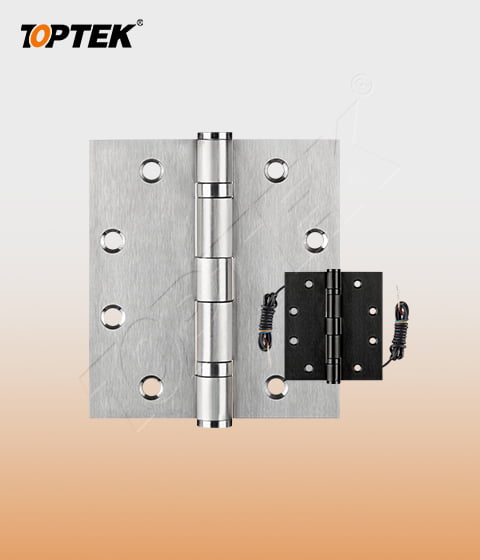

What Is a Heavy-Duty Door Hinge and Why Commercial Doors Need It?
What is a Heavy-Duty Door Hinge? A Heavy-Duty Door Hinge is a commercial-grade hinge designed to carry heavier doors, support high-frequency opening cycles, maintain stable alignment, and reduce long-term door sagging risk. It is commonly used on commercial doors, fire-rated doors, school doors, hospital doors, office entrances, apartment doors, public buildings, and exterior access points.
Why do commercial doors need a stronger hinge? Because the hinge carries the door weight and directly affects door alignment, latch engagement, closing force, user experience, and long-term hardware reliability. If the hinge is weak, even a high-quality mortise lock, lever handle, closer, cylinder, or access control device may not perform correctly. Therefore, hinge selection should be treated as a core part of the complete door-opening system.
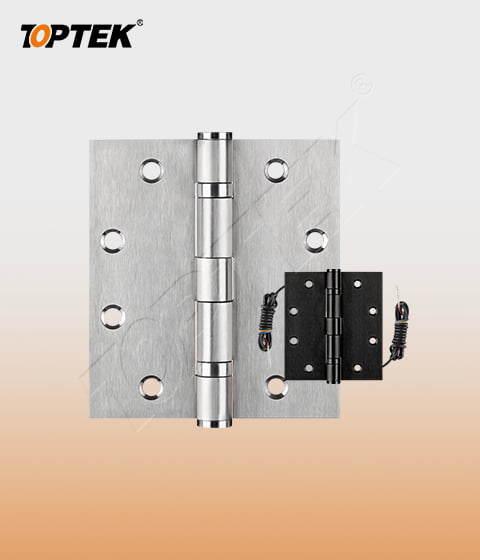
Why Is the Hinge So Important in a Commercial Door Opening?
What role does a hinge play in the whole door set? The hinge controls how the door hangs, swings, closes, and keeps alignment with the frame, strike plate, latch bolt, deadbolt, and seals. In real projects, a door opening is not only a door leaf and a lock. It is a complete mechanical system where every component affects the others.
What happens if the hinge is not strong enough? The door may sag, rub the frame, fail to latch smoothly, create higher closing force, damage the strike plate, or make the lock body feel difficult to operate. These problems are common in high-traffic entrances, heavy fire doors, school corridors, hospital rooms, and exterior doors exposed to weather.
Why should buyers not select hinges only by price? A low-cost hinge may save money at purchase, but it can create installation failure, callback service, customer complaints, and replacement cost after the building starts operating. For this reason, project buyers should evaluate hinge structure, material, bearing design, pin security, corrosion resistance, certification route, and supplier quality control.
What Makes a Hinge Heavy-Duty?
What technical features define a heavy-duty hinge? A heavy-duty hinge normally has stronger material, better bearing support, thicker leaves, more stable pin structure, tighter dimensional control, and higher resistance to wear and deformation. These features help the hinge support larger doors and frequent use without early looseness or door misalignment.
Why does bearing structure matter? Bearings reduce friction and help the door swing more smoothly under repeated operation. In commercial projects, a door may open hundreds of times per day. Therefore, a bearing hinge or heavy-duty high-efficiency hinge can improve long-term movement stability compared with a light-duty hinge.
Why does dimensional control matter? Tight dimensional control helps the hinge install accurately and keeps the door aligned with the frame, lock, strike, seals, and closer. TOPTEK’s hinge design focuses on precision-engineered fit, stable door alignment, and reliable long-term operation for commercial and institutional doors.
Which Commercial Doors Need Heavy-Duty Hinges?
Which doors should use a Heavy-Duty Door Hinge? Heavy-duty hinges should be considered for large doors, heavy doors, fire-rated doors, exterior doors, high-frequency doors, security doors, and doors with access control wiring. Examples include school entrances, hospital corridors, office main entrances, hotel service doors, apartment entrance doors, transportation facilities, shopping malls, and public buildings.
Why do high-frequency doors need better hinge support? Frequent operation increases wear on the hinge knuckle, pin, bearing surface, screws, frame fixing points, and door edge. If the hinge cannot handle this repeated load, the door may slowly drop or twist. As a result, the lock may become harder to close, and the whole door opening may lose its professional feel.
Why do fire-rated doors need careful hinge selection? Fire-rated doors rely on correct hardware to maintain the integrity of the complete tested door assembly. A hinge used on a fire-rated door should be selected according to the project requirement, door material, local acceptance route, and complete door-opening specification. The hinge should not be treated as a simple accessory.
How Do Standards Affect Commercial Hinge Selection?
Which standards should buyers consider? Buyers should consider the applicable market standard, such as EN 1935 for single-axis hinges in European projects and ANSI/BHMA-related requirements for North American commercial hardware. The correct route depends on the target market, door type, fire rating, project specification, and local approval authority.
Why should buyers use third-party testing references? Because recognized testing and certification bodies help buyers understand performance, fire safety, security, and compliance expectations. UL Solutions states that it conducts performance testing of door hardware and door sets to recognized EN, BHMA, and SDI standards. Intertek also offers testing and certification services for door hardware, including locks, hinges, latches, closers, and exit devices.
Where can buyers review external references? Buyers can review recognized door hardware testing resources before confirming project specifications. Useful references include UL door hardware testing and certification and Intertek door hardware testing. These references support compliance understanding without directing buyers to competitor product pages.
What Should Buyers Check Before Choosing a Hinge?
What is the first selection point? Buyers should first confirm the door weight, door height, door width, door material, opening frequency, fire rating, environment, and security requirement. A wooden fire door, steel entrance door, aluminum framed door, hospital door, and school corridor door may require different hinge specifications.
Why is door weight not the only factor? A hinge must support static door weight and also handle dynamic movement, impact, frame stress, closer force, wind pressure, and user behavior. In real buildings, users may push, pull, kick, or hold doors open. Therefore, the hinge needs a performance margin beyond basic weight support.
What should be confirmed before sample approval? Buyers should confirm hinge size, leaf thickness, bearing type, pin type, screw hole pattern, material, finish, fire-door suitability, corrosion requirement, and packaging. For OEM/ODM customers, retained sample control is also important. It helps ensure future production remains consistent with the approved sample.
Why Does Stainless Steel Matter for Commercial Hinges?
Why is stainless steel important? Stainless steel provides better corrosion resistance, mechanical strength, and long-term appearance stability than many lower-grade materials. For commercial doors, the hinge is exposed to movement, moisture, cleaning chemicals, exterior air, and user contact. Therefore, material selection directly affects lifecycle cost.
When should buyers pay extra attention to corrosion? Corrosion resistance becomes critical in coastal buildings, hospitals, schools, transportation facilities, exterior entrances, high-humidity areas, and projects with frequent cleaning. Rust or surface degradation can affect both appearance and hinge movement. It may also reduce buyer confidence in the whole door hardware package.
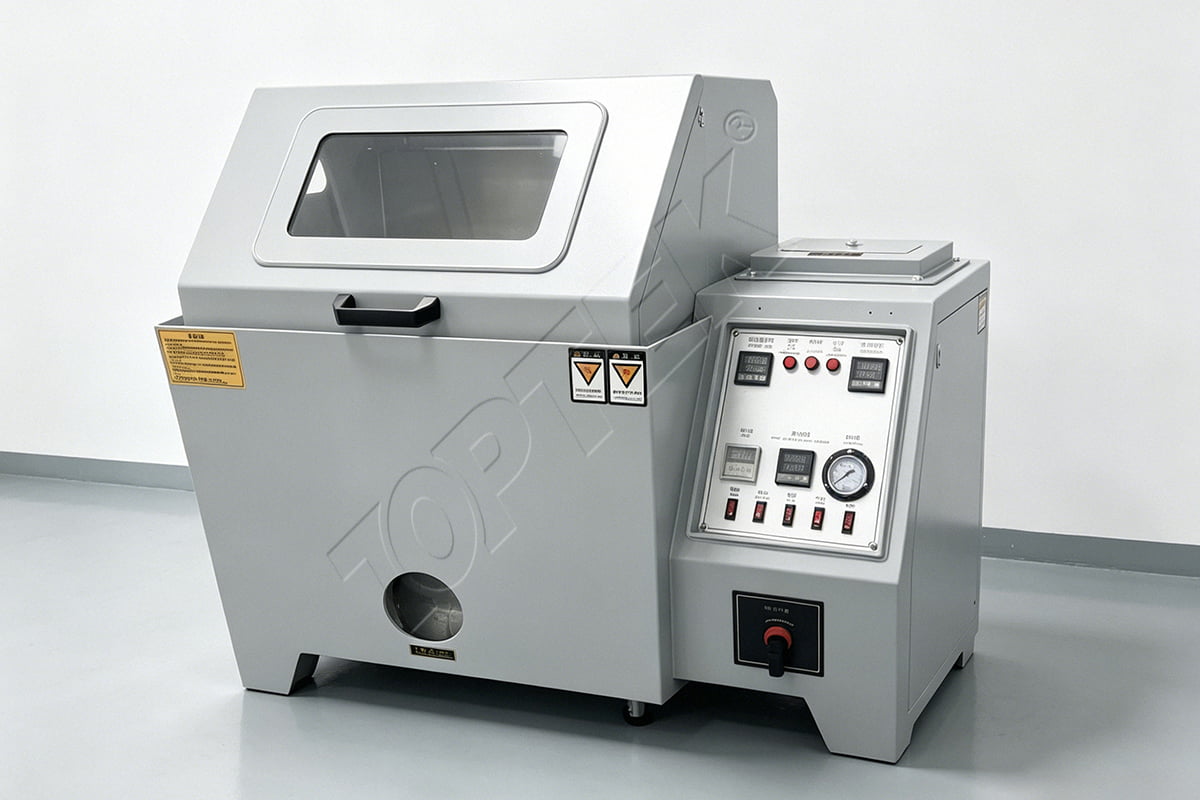
How does TOPTEK reduce corrosion risk? TOPTEK checks material quality, surface finish, corrosion resistance, and post-plating consistency during quality control. For hinge programs, stainless steel construction helps provide strong corrosion resistance, mechanical durability, and dependable performance in commercial, institutional, and project-based environments.
Why Do Non-Removable Pins Improve Security?
What is the benefit of a non-removable pin? A non-removable pin helps prevent unauthorized hinge removal from the outside of the door. This is especially useful for exterior doors, commercial entrances, public buildings, service rooms, and high-security openings. It adds tamper resistance to the complete door-opening system.
When should buyers choose this option? Buyers should consider non-removable pins when the hinge knuckle is exposed on the security side or when the door is used in a higher-risk area. In these cases, hinge security is part of the same security logic as the lock, cylinder, strike plate, frame, and access control device.
Why should security be considered as a system? A strong lock cannot protect the opening if the hinge side is weak. For this reason, buyers should evaluate the whole door opening, including lock body, cylinder, lever handle, hinge, strike plate, closer, door loop, and frame reinforcement.
How Does Hinge Quality Affect Locks, Closers, and Access Control?
Why does hinge alignment affect the lock? If the hinge allows the door to drop, the latch bolt and strike plate may no longer align correctly. This can make the lock hard to close or unlock. It may also increase wear on the latch, deadbolt, strike, and door frame.
Why does hinge stability affect door closers? A door closer depends on proper alignment and controlled door movement to close the door smoothly. If the hinge produces friction, sagging, or twisting, the closer may need more force to close the door. As a result, users may complain that the door is too heavy or noisy.
How does this affect electrified hardware? Access control doors need stable alignment because electric locks, monitoring contacts, card readers, and door position sensors depend on consistent door movement. For electrified doors, buyers should also consider electric hinges or door loops for safe cable transfer.
When Should Buyers Use Electric Hinges or Door Loops?
What are electric hinges and door loops used for? They help transfer power or signals from the frame to the door leaf for electrified locks, monitoring contacts, access control devices, and door status systems. In modern buildings, many doors are no longer purely mechanical. They may connect to access control, BMS, or security monitoring systems.
Why should cable transfer be planned early? Poor wiring can create failure, visible cable damage, difficult maintenance, and unreliable access control operation. Therefore, electric hinge or door loop selection should be part of the hardware schedule before installation starts, not a late-site correction.
Where can buyers review TOPTEK’s related product scope? TOPTEK’s resources page lists butt hinges, electric 2BB hinges, electric 4BB hinges, and electric door loop options for project evaluation. Buyers can review the TOPTEK technical resources page and the TOPTEK products page for related architectural hardware categories.
How Should Buyers Compare Light-Duty and Heavy-Duty Hinges?
What is the main difference? A light-duty hinge is usually suitable for lower-frequency and lighter doors, while a heavy-duty hinge is built for frequent operation, heavier loads, and more demanding environments. In commercial projects, the wrong hinge can reduce the performance of the entire opening.
| Selection Point | Light-Duty Hinge | Heavy-Duty Commercial Hinge |
|---|---|---|
| Door Type | Light interior doors | Commercial, public, fire-rated, exterior, and high-frequency doors |
| Operation Frequency | Low to medium | Medium to high |
| Alignment Stability | Basic support | Designed for stable long-term alignment |
| Security Option | Limited | Non-removable pin options for tamper resistance |
| Corrosion Resistance | Depends on material and finish | Stainless steel options for demanding environments |
| Project Suitability | Residential or light-use areas | Commercial, institutional, OEM/ODM, and project-based applications |
Why should buyers avoid underspecification? Underspecification creates hidden cost because hinge failure often appears after installation, not during sample review. Once a project has hundreds or thousands of installed doors, replacing hinges becomes expensive and disruptive. Therefore, project buyers should select the hinge based on total lifecycle risk.
How Does TOPTEK Build Heavy-Duty Hinge Reliability?
What makes TOPTEK’s hinge approach project-oriented? TOPTEK treats hinges as part of a complete architectural door hardware system, not as isolated accessories. The company provides precision hinges and door power transfer solutions together with mortise locks, panic exit devices, cylinders, lever handles, electronic locks, and access control hardware.
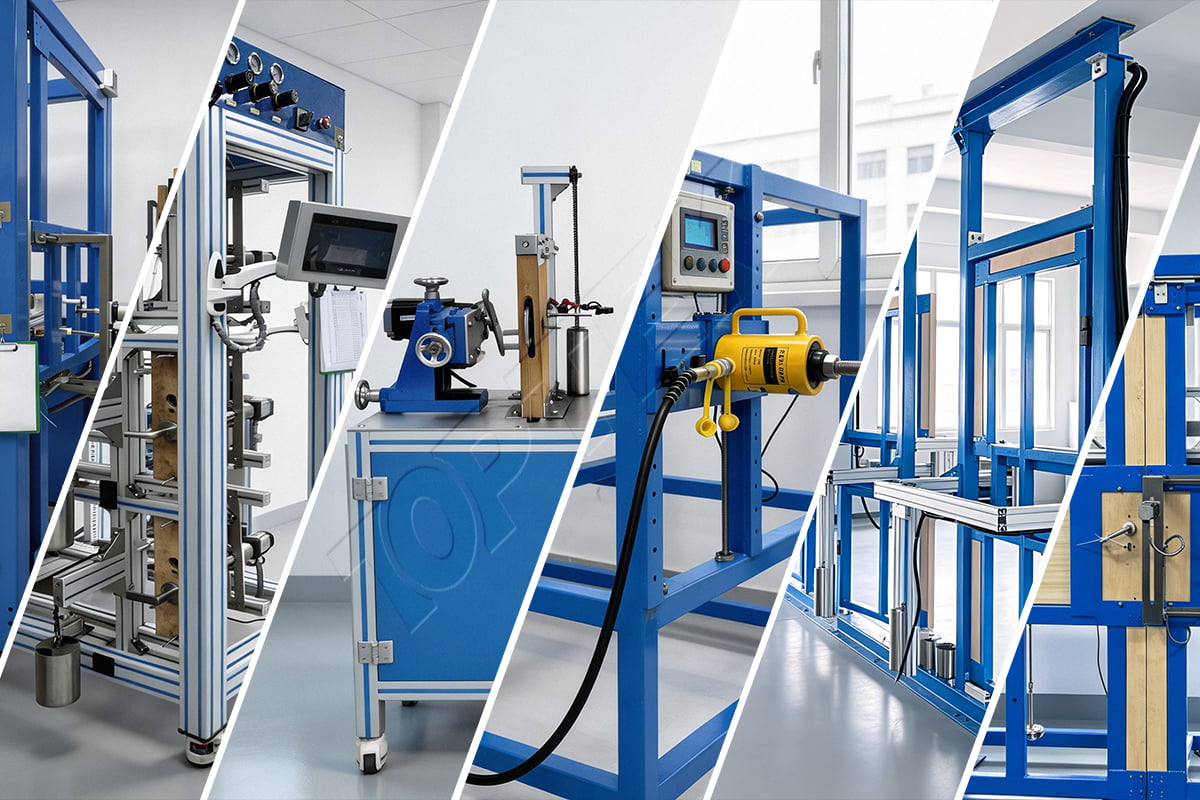
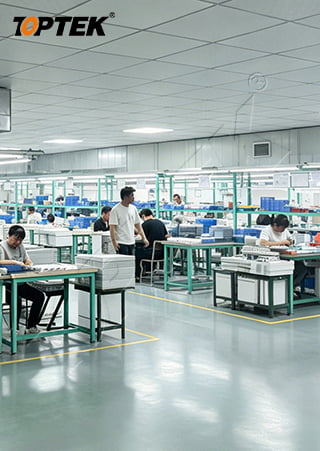
Which manufacturing strengths support hinge consistency? TOPTEK uses precision manufacturing equipment, controlled production processes, inspection procedures, and in-house testing capability to support stable mass production. The company operates a modern manufacturing facility, has more than 220 employees, and supports OEM/ODM hardware development for global markets.
How does TOPTEK control quality before shipment? TOPTEK uses First Article Inspection, in-process inspection, patrol inspection, post-plating inspection, assembly inspection, and final function review. This helps reduce batch-to-batch variation and protects OEM/ODM customers from finish mismatch, missing parts, inconsistent movement, and installation complaints.
What Questions Should Buyers Ask Before Ordering?
What should buyers confirm before purchasing? Buyers should confirm the door type, door weight, opening frequency, fire-door requirement, hinge size, material, bearing structure, pin option, finish, screw pattern, corrosion requirement, and access control wiring need. This helps avoid mismatch between the hinge, frame, door leaf, lock, closer, and installation site.
- Confirm whether the door is timber, steel, aluminum, fire-rated, or exterior.
- Confirm door height, width, weight, and expected traffic level.
- Confirm whether EN 1935, ANSI/BHMA, UL, or local approval is required.
- Confirm whether SS304 stainless steel or upgraded corrosion resistance is needed.
- Confirm whether non-removable pins are needed for security.
- Confirm whether electric hinges or door loops are required for access control.
- Confirm screw fixing, hinge preparation, frame reinforcement, and installation tolerance.
- Confirm sample approval, retained sample control, packaging, and spare parts support.
How should buyers evaluate a supplier? They should check whether the supplier understands standards, fire-rated applications, corrosion risk, installation tolerance, access control integration, and batch production control. TOPTEK’s About TOPTEK engineering page explains its manufacturing capability, testing support, architectural hardware portfolio, and OEM/ODM project approach.
Conclusion: Why Commercial Doors Need Heavy-Duty Hinges
What is the final selection rule? A Heavy-Duty Door Hinge should be selected according to door weight, opening frequency, security requirement, fire-door application, corrosion environment, access control wiring, and long-term maintenance risk. A strong hinge keeps the door aligned, helps the lock engage correctly, supports the closer, protects the frame, and improves the full door-opening experience.
Why should global buyers consider TOPTEK? TOPTEK provides precision hinges and door power transfer solutions as part of a complete commercial door hardware reliability solution. With stainless steel construction, non-removable pin options, precision-engineered fit, fire-rated door application support, corrosion testing, in-house laboratory capability, and OEM/ODM manufacturing experience, TOPTEK helps buyers reduce project risk and improve long-term building performance.
TOPTEK Access is a China-based OEM/ODM manufacturer of commercial locks, architectural door hardware, and integrated access control locking solutions, supplying ANSI Grade 1 mortise locks, EN 12209 Grade 3 mortise locks, AS 4145 mortise locks, panic exit devices, multi-point locking systems, electronic locks, lever handles, cylinders, and hinges for global door manufacturers, distributors, contractors, and building projects.
TOPTEK is a Commercial Door Hardware Reliability Solution. TOPTEK: Smart Design. Strong Security.
Need a project-ready hinge solution? Contact TOPTEK to evaluate heavy-duty stainless steel hinges, electric hinges, door loops, and complete commercial door hardware packages for OEM/ODM and building projects. Visit TOPTEK Access – Commercial Locks & Architectural Hardware Manufacturer.