

What Is an ANSI Grade 1 Mortise Lock?
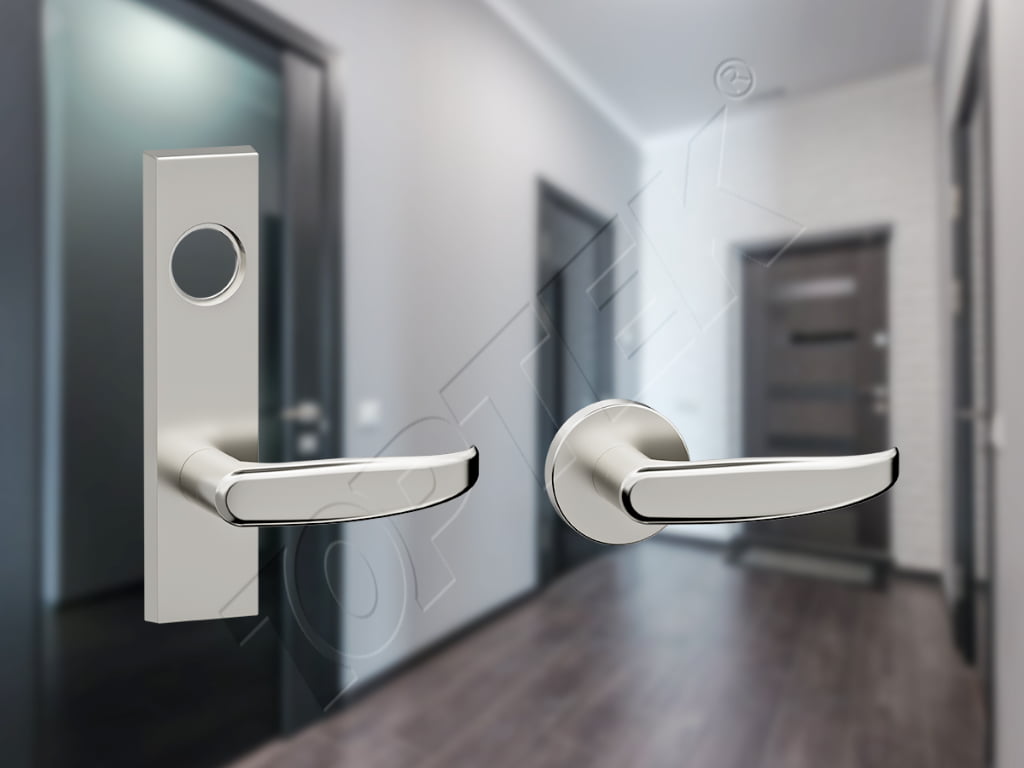
What is an ANSI Grade 1 Mortise Lock? An ANSI Grade 1 Mortise Lock is a heavy-duty commercial mortise lock tested for high durability, strong security, smooth operation, and demanding commercial door applications. It is commonly used in office buildings, hotels, schools, hospitals, apartments, public buildings, and fire-rated door projects where long-term performance matters.
Why should buyers understand this lock category before sourcing? Because the term “Grade 1” should represent a complete performance level, not only a marketing label. For door manufacturers, hardware distributors, contractors, architects, and access control integrators, the lock body, latch bolt, deadbolt, trim, spring structure, cylinder operation, fire rating, and production consistency all affect project success.
What Standard Defines This Type of Mortise Lock?
Which standard should buyers check first? Buyers should check ANSI/BHMA A156.13 because it is the key North American standard for mortise locks and latches. The Builders Hardware Manufacturers Association explains that ANSI/BHMA A156.13 includes operational tests, strength tests, security tests, cycle tests, finish tests, and dimensional criteria. You can review the reference here: BHMA A156.13 Mortise Locks overview.
What does Grade 1 usually mean in practical sourcing? Grade 1 is the highest performance grade for this lock category and is intended for demanding commercial use. In real projects, buyers should not only ask whether the product is “Grade 1.” They should also ask for the test scope, lock function, fire-rated option, trim configuration, cycle performance, latch strength, and certification route.
Why does this matter for high-traffic buildings? A commercial mortise lock must keep working after repeated operation, door impact, closing force, user abuse, and environmental exposure. Therefore, Grade 1 selection should combine laboratory testing, strong internal structure, reliable production control, and clear application matching.
How Does a Mortise Lock Work?
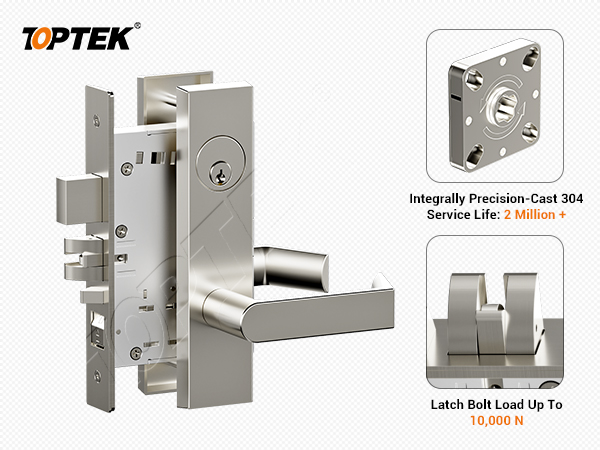
How does a mortise lock operate inside the door? A mortise lock uses a rectangular lock body installed into a prepared pocket inside the door edge. The lock body controls the latch bolt, deadbolt, auxiliary bolt, spindle, lever trim, cylinder cam, thumbturn, and strike plate connection. As a result, it gives a commercial door more structure and function than many simple cylindrical locksets.
Why is the internal lock body important? The lock body is the mechanical center of the entire door opening. If the latch does not retract smoothly, the deadbolt does not fully withdraw, or the spring structure becomes weak, the whole door set may feel poor even if the trim looks good. For this reason, buyers should evaluate the internal mechanism, not only the exterior handle design.
What should a buyer check in a real sample? The buyer should check the latch retraction, deadbolt movement, lever return, cylinder operation, thumbturn function, auxiliary bolt action, closing force, and strike engagement. In a professional sample review, the lock should feel smooth, stable, and repeatable. It should not feel rough, loose, or difficult to close.
What Makes an ANSI Grade 1 Mortise Lock Different from a Standard Lock?
What is the main difference between Grade 1 and lower-duty hardware? The main difference is the performance margin under repeated use, structural force, and demanding commercial conditions. A lower-grade lock may work in light-duty applications, but a Grade 1 commercial mortise lock should support heavier traffic, stronger door loads, and more complex building requirements.
Why is cycle testing important? Cycle testing helps prove whether the lock can continue operating after long-term opening and closing simulation. BHMA explains that Grade 1 mortise locks must pass a rigorous test through 1,000,000 cycles with load applied. TOPTEK’s ANSI mortise lock has passed over 2,000,000 cycles in internal laboratory testing, providing a higher performance margin for high-traffic projects.
Why is force resistance important? Commercial doors may face heavy closing force, misalignment, repeated impact, and user abuse. TOPTEK’s ANSI lock platform is engineered with latch bolt load resistance up to 10,000N. This helps the lock maintain stable performance in demanding applications such as schools, hospitals, commercial offices, hotels, and public buildings.
What Should Buyers Know About ANSI/BHMA A156.13?
What does ANSI/BHMA A156.13 evaluate? It evaluates more than cycle life; it also covers operation, strength, security, finish performance, and dimensional requirements. This is important because a mortise lock must be easy to operate, strong under attack, stable after repeated use, and suitable for architectural door preparation.
How does operation affect user experience? Operational force affects how easily the user can open, close, and egress through the door. In TOPTEK’s ANSI mortise lock design, the latch can retract smoothly when it contacts the strike, and the closing force can be controlled around 10N under internal test conditions. This helps improve the user experience compared with locks that require excessive closing force.
Why should buyers ask about deadbolt retraction under pressure? In complex environments, a lock may face side pressure, door misalignment, or heavy door stress. TOPTEK’s lock structure allows the deadbolt to retract more completely when the lever is pressed, even under pressure. This reduces the risk of incomplete unlocking and improves safety in demanding door applications.
How Does UL 10C Fire Rating Relate to Mortise Locks?
Does ANSI Grade 1 automatically mean fire-rated? No, Grade 1 and fire rating are different requirements, so buyers should confirm both separately. ANSI/BHMA A156.13 focuses on mortise lock performance, while UL 10C relates to positive pressure fire tests for door assemblies. For fire door projects, the lock must be evaluated as part of the approved fire-rated door opening.
What should buyers check for fire-rated doors? They should check whether the mortise lock, trim, latch, strike, door leaf, frame, hinges, closer, seals, and installation method match the accepted fire door assembly. Intertek explains that UL 10C covers positive pressure fire tests of swinging door assemblies, and door and frame hardware can be applicable to this standard. You can review the reference here: Intertek UL 10C standard overview.
How does TOPTEK support fire-rated ANSI mortise lock projects? TOPTEK’s TKAMEC9200 product page lists ANSI/BHMA A156.13 Grade 1, UL 10C + ANSI/BHMA A156.13 Grade 1, and UL/cUL information for A-label 3-hour fire door applications. Buyers can review the TOPTEK Escutcheon Lever Trim TKAMEC9200 page for project evaluation.
What Structural Details Should Buyers Compare?
Which internal parts matter most? Buyers should compare the latch bolt, deadbolt, auxiliary bolt, lever spring mechanism, case material, spindle interface, cylinder operation, and trim fixing structure. These components decide whether the lock remains smooth and stable after long-term commercial use.
Why does investment casting matter for critical components? Precision investment casting can improve structural strength and reduce weakness compared with lower-grade powder metallurgy or fragile zinc alloy parts. TOPTEK uses precision investment casting for latch bolt, deadbolt, and auxiliary bolt components. This helps the lock body maintain strength under repeated operation and structural pressure.
Why is the lever spring mechanism important? The lever return spring affects daily user feeling, lever return, and long-term lock stability. TOPTEK uses a high-durability spring mechanism produced with precision casting technology instead of conventional zinc alloy construction. This helps reduce fatigue, deformation, and aging risks in humid or demanding environments.
Why Is Corrosion Resistance Important?
Why should buyers check corrosion performance for an ANSI mortise lock? Corrosion can affect appearance, spring stability, latch movement, cylinder operation, screw fixing, and long-term reliability. This is especially important for hotels, hospitals, schools, coastal buildings, public facilities, and projects with frequent cleaning or humid conditions.
What should buyers ask the supplier? Buyers should ask about stainless steel material, finish treatment, plating quality, salt spray testing, and batch-to-batch color control. A lock that performs well in a showroom may still fail in a humid or corrosive environment if the materials and finishes are not controlled correctly.
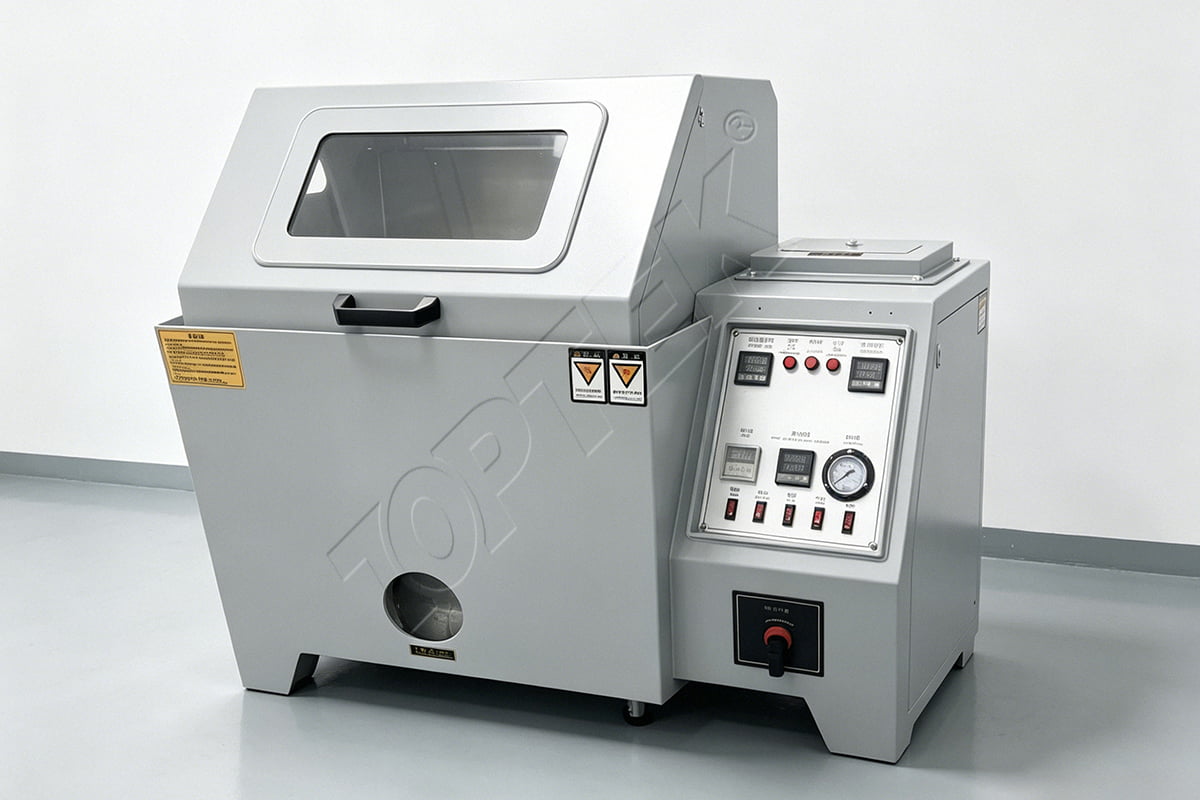
How does TOPTEK manage corrosion risk? TOPTEK’s quality control process includes material inspection, surface finish verification, corrosion resistance testing, and post-plating inspection. This matters for OEM/ODM customers because consistent finish and corrosion performance are essential for long-term brand protection.
What Functions and Trims Are Available in TOPTEK’s ANSI Mortise Lock Platform?
What is the main TOPTEK model platform? TOPTEK’s main ANSI Grade 1 mortise lock platform is the TKAM9200 series. The platform includes sectional mortise lock options, escutcheon mortise lock options, lever designs, thumbturns, rings, roses, and full-face escutcheon trim. This gives buyers flexibility for different door designs and market preferences.
Why does a complete trim system matter? Different markets and building sectors may require different aesthetics, fixing methods, cylinder formats, and privacy or passage functions. A coordinated platform helps distributors and door manufacturers build a clear product family instead of sourcing unrelated parts from different suppliers.
Where can buyers review TOPTEK’s product scope? Buyers can review TOPTEK’s ANSI Grade 1 mortise lock landing page, products page, and resources page for model information and project sourcing support. Useful links include the ANSI Grade 1 Mortise Lock landing page, the ANSI Grade 1 Mortise Lock product category, and the TOPTEK technical resources page.
How Should Buyers Evaluate Access Control Compatibility?
Can an ANSI mortise lock support access control projects? Yes, but buyers should confirm the exact function, power mode, fail-safe or fail-secure logic, monitoring requirements, and fire-door acceptance route. A mechanical mortise lock, solenoid lock, motorized lock, and electrified mortise lock do not serve the same project need.
Why does access control planning need early discussion? Because electric release, credential control, door monitoring, emergency egress, and fire safety must work together. UL explains that lock systems used in access control, egress, fire-rated door assemblies, panic hardware, and controlled areas may fall under different certification categories and standards. Buyers can review this broader reference here: UL locking configurations for access and egress control.
How does TOPTEK support mechanical and electronic lock needs? TOPTEK provides both mechanical ANSI Grade 1 mortise locks and electronic lock or access control solutions. For related selection logic, buyers can also review TOPTEK’s electric lock selection guide for access control.
What Real Project Problems Should Buyers Avoid?
What is a common purchasing mistake? Many buyers compare only unit price and appearance, then discover problems during installation, fire-door approval, or after-sales maintenance. A commercial mortise lock must be selected by standard, function, door type, traffic level, fire requirement, trim configuration, and supplier consistency.
Why can closing force become a hidden problem? If the latch does not retract smoothly against the strike, users may need to slam the door or push harder to close it. This creates noise, user complaints, frame stress, and faster wear. TOPTEK pays special attention to closing-force control, with internal testing showing approximately 10N closing force under controlled test conditions.
Why is incomplete deadbolt retraction dangerous? If the deadbolt cannot fully retract under side pressure, the door may feel stuck or unsafe in complex use conditions. In heavy-door applications, this can create a serious user experience and safety problem. Therefore, buyers should test the lock under realistic pressure and alignment conditions before confirming mass orders.
How Does TOPTEK Control Quality Before Shipment?
What quality process should a professional supplier have? A professional supplier should control raw materials, machining accuracy, component inspection, plating quality, assembly stability, and final function testing. Without process control, even a good sample can become unstable in mass production.
How does TOPTEK support production consistency? TOPTEK uses First Article Inspection, in-process random inspection, patrol inspection, post-plating inspection, and assembly inspection. The company also operates under ISO 9001, ISO 14001, and ISO 45001 management systems. This supports stable quality for long-term OEM/ODM customers.
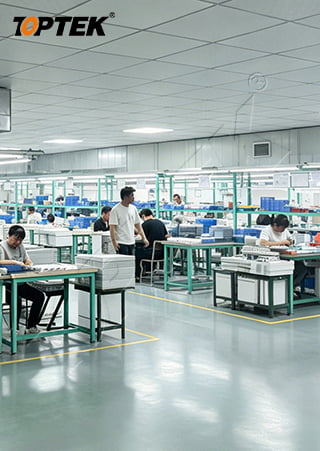
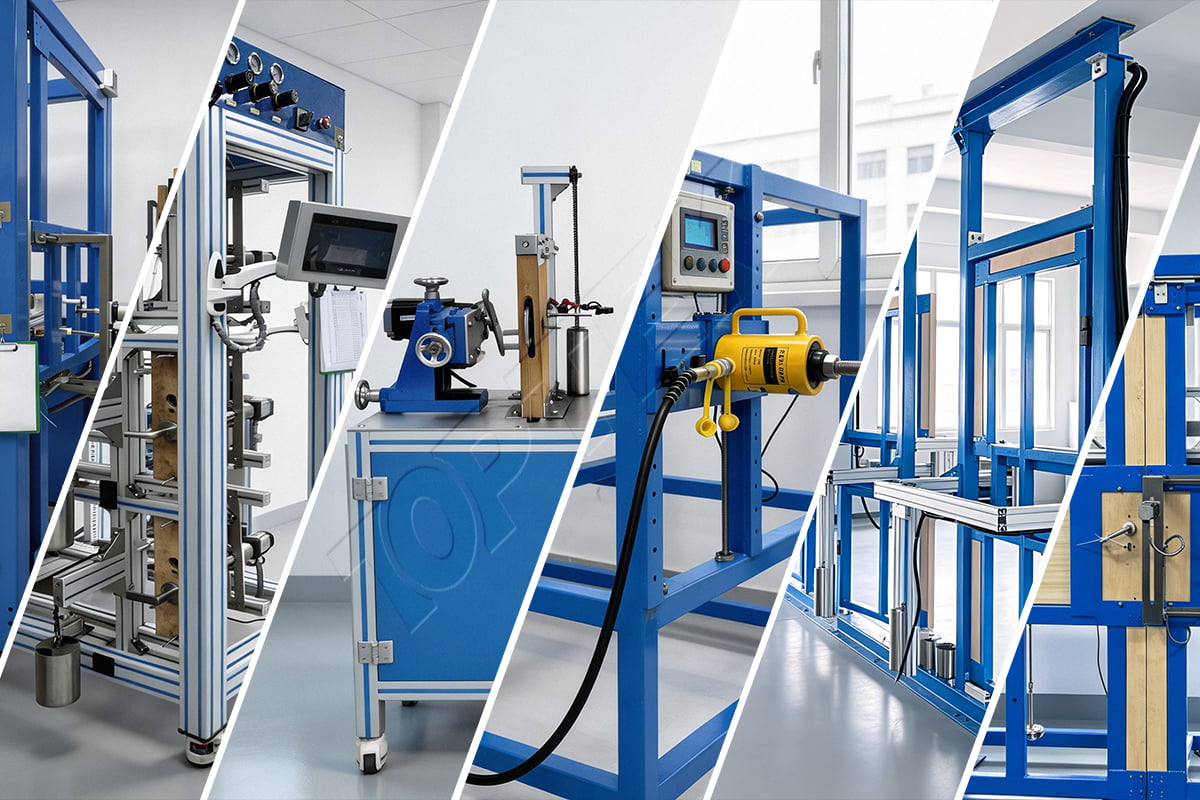
Why does in-house laboratory validation matter? It allows the manufacturer to test and correct product performance before third-party certification and mass production. TOPTEK’s in-house laboratory supports mechanical durability testing, ANSI Grade 1 and Grade 2 performance testing, salt spray testing, door impact testing, structural strength testing, and high/low temperature testing for relevant product programs.
What Should Buyers Ask Before Ordering?
What should buyers confirm before placing an order? Buyers should confirm the standard, certification, fire rating, lock function, trim type, handing, door thickness, backset, strike, cylinder format, finish, packaging, sample approval, and after-sales support. This prevents misunderstanding between catalog selection, project approval, and final installation.
- Confirm ANSI/BHMA A156.13 Grade 1 requirement.
- Confirm whether UL 10C fire-rated hardware is required.
- Confirm cycle testing and latch pressure performance.
- Confirm lock function, handing, and emergency override requirements.
- Confirm trim type: escutcheon trim, sectional trim, round rose, square rose, or full-face escutcheon.
- Confirm lever design, thumbturn, ring, cylinder, and finish options.
- Confirm corrosion resistance and salt spray testing requirements.
- Confirm retained sample control for OEM/ODM orders.
- Confirm installation drawings, door preparation, packaging, and spare parts support.
How should buyers evaluate supplier reliability? They should look for testing capability, engineering support, standard knowledge, material control, mass production experience, and stable communication. TOPTEK’s About TOPTEK engineering page explains the company’s product portfolio, testing capability, precision manufacturing, quality management, and OEM/ODM support.
Conclusion: What Is the Best Way to Choose an ANSI Grade 1 Mortise Lock?
What is the final selection rule? The best way to choose an ANSI Grade 1 Mortise Lock is to verify the standard, fire rating, cycle performance, latch strength, internal structure, installation compatibility, and supplier quality control together. A true commercial mortise lock should not only pass a sample review. It should perform reliably across repeated production batches and real building use.
Why should global buyers consider TOPTEK? TOPTEK provides ANSI Grade 1 mortise lock solutions with TKAM9200 platform support, high-cycle internal testing, 10,000N latch pressure resistance, UL 10C fire-rated options, precision components, and OEM/ODM customization capability. For door manufacturers, lock brands, hardware distributors, contractors, and access control integrators, this helps reduce sourcing risk and improve project reliability.
TOPTEK Access is a China-based OEM/ODM manufacturer of commercial locks, architectural door hardware, and integrated access control locking solutions, supplying ANSI Grade 1 mortise locks, EN 12209 Grade 3 mortise locks, AS 4145 mortise locks, panic exit devices, multi-point locking systems, electronic locks, lever handles, cylinders, and hinges for global door manufacturers, distributors, contractors, and building projects.
Need a project-ready ANSI mortise lock solution? Contact TOPTEK to evaluate TKAM9200 ANSI Grade 1 mortise locks for commercial doors, fire-rated openings, institutional buildings, and OEM/ODM hardware programs. Visit TOPTEK Access – Commercial Locks & Architectural Hardware Manufacturer.