

What Is a High-Security Lock Cylinder?
What is a High-Security Lock Cylinder? A High-Security Lock Cylinder is a precision cylinder designed to improve key control, resist forced attack, support master key hierarchy, and deliver stable operation across commercial buildings. It is not only a small brass component inside the lock. It controls who can open the door, how keys are managed, and how the building handles long-term security.
Why should project buyers care about cylinder quality? A weak cylinder can reduce the security value of a strong mortise lock, electronic lock, or access control door. Therefore, door manufacturers, lock brands, locksmiths, hardware distributors, contractors, and building owners should evaluate the cylinder as part of the complete door hardware system.
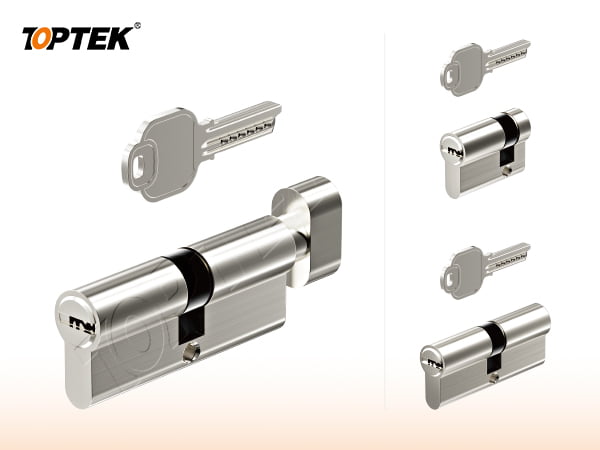
How Is a High-Security Cylinder Different from a Standard Cylinder?
What makes a cylinder “high-security”? A high-security cylinder combines stronger material, precise keying, anti-drill protection, anti-tamper structure, controlled key duplication, and stable master key management. A standard cylinder may open and close a door. However, a project-grade cylinder must support security control across many users and many openings.
Why does precision matter? Precision affects key smoothness, plug rotation, pin alignment, cam movement, and long-term wear. If machining tolerance is unstable, the key may feel rough. In larger projects, that small problem can become a major service issue across hundreds of doors.
Which projects need better cylinders? Commercial buildings, apartments, schools, hospitals, offices, hotels, public buildings, and multi-region projects need stronger cylinder planning. These buildings often need a construction cylinder, master key system cylinder, key control cylinder, or project key system cylinder instead of a simple keyed-different cylinder.
Why Does Key Control Matter?
What is key control? Key control means the building owner can manage who receives keys, which doors each key can open, and how future replacement cylinders are controlled. Without key control, unauthorized duplication or poor access planning can weaken the entire building security strategy.
Why is key control important for commercial projects? Commercial buildings usually need different access levels for owners, managers, tenants, maintenance teams, cleaners, and emergency staff. Therefore, a high-security cylinder should support structured access management, not only basic locking.
How does TOPTEK support project key control? TOPTEK provides construction cylinder and project cylinder solutions for commercial and institutional buildings. The cylinder platform can support master key systems up to Management Level 5 for complex access hierarchy planning. This helps buyers who need a Level 5 master key cylinder or apartment master key cylinder solution.
What Is a Master Key System Cylinder?
What is a master key system cylinder? A master key system cylinder allows different keys to open different groups of doors within a controlled hierarchy. For example, a tenant key may open one apartment. A maintenance key may open service rooms. A management key may open multiple areas according to the approved access plan.
Why do buildings need master key systems? Large buildings become difficult to manage if every door uses an unrelated key. As a result, hotels, hospitals, schools, offices, and apartment projects need structured key planning. A hospital master key cylinder or school master key cylinder can reduce daily management risk.
What should buyers confirm before designing a master key system? Buyers should confirm door quantity, user groups, access levels, future expansion, emergency access, keyway control, and replacement policy. In real projects, the cylinder schedule should be planned before mass production, not after installation.
Which Cylinder Formats Are Common in Commercial Buildings?
Which cylinder formats should buyers understand? Common project formats include Euro profile cylinders, SFIC cylinders, American mortise cylinders, American bored lock cylinders, Australian oval cylinders, and Scandinavian oval cylinders. Each format serves different markets and lock platforms.
Why does cylinder format matter? The format affects lock compatibility, keyway design, cam structure, door thickness, trim design, and local locksmith service. For this reason, buyers should not ask only for “a cylinder.” They should confirm the exact standard and door hardware system.
How does TOPTEK support multiple standards? TOPTEK develops cylinder platforms for Euro profile, SFIC, AM mortise, AM bored lock, Australian oval, and Scandinavian oval applications. This helps international buyers work with one lock cylinder manufacturer across different project markets.
Can Different Cylinder Standards Work Under One Management System?
Can American, European, and Scandinavian cylinders be managed together? In special project conditions, TOPTEK can discuss multi-standard mixed master key cylinder systems that keep different cylinder standards while supporting unified key management. This approach can help cross-border projects and multi-region building groups reduce key management complexity.
Why is this difficult for ordinary cylinder factories? Different cylinder standards often use different sizes, plug diameters, mechanisms, key profiles, and installation structures. Many standard suppliers can make one format, but they cannot coordinate American IC cores, Euro profile cylinders, and Scandinavian cylinders under one management logic.
How does TOPTEK solve this challenge? TOPTEK uses original component design, precision machining, and project-specific engineering review to discuss cross-standard cylinder compatibility. The goal is to keep the original cylinder standard and dimensions while supporting practical key hierarchy where the project allows it.
Why Does Material Matter in a High-Security Cylinder?
What material should buyers check first? Buyers should check whether the cylinder body, plug, pins, cam, screws, and protection components use stable materials for long-term use. Solid brass cylinder construction is common in quality project cylinders because brass offers good machining stability and corrosion resistance.
Why does brass matter? Brass supports accurate machining, smooth key operation, corrosion resistance, and stable plug movement. In commercial buildings, the cylinder may operate every day for many years. Therefore, material stability affects both security and user experience.
What should buyers avoid? Buyers should avoid cylinders that use weak materials, poor plating, unstable key blanks, or inaccurate pinning. These problems can create rough operation, fast wear, poor key control, and higher locksmith service cost.
How Does Anti-Drill Protection Improve Security?
What is an anti drill cylinder? An anti drill cylinder uses stronger protection around the plug, pin area, or cylinder body to resist drilling attacks. Drilling is a common forced-entry method. Therefore, anti-drill protection helps strengthen the weakest visible point of many locksets.
Why does drill resistance matter for project doors? Commercial entrance doors, apartment doors, offices, schools, and public buildings may face attempted forced entry. A strong mortise lock or electronic lock can still lose value if the cylinder fails quickly. For this reason, buyers should evaluate cylinder attack resistance together with the lock body and door frame.
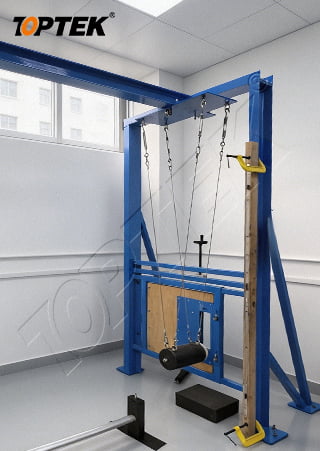
How should buyers verify anti-drill claims? Buyers should ask for test methods, material details, cylinder drawings, and sample testing instead of relying only on catalog language. A professional high security cylinder manufacturer should explain how the cylinder resists drilling, tampering, and rough use.
What Standards Should Buyers Consider?
Which standards matter for high-security cylinders? Buyers may need EN 1303 for European cylinders, ANSI/BHMA A156.5 for North American cylinders, or local security schemes such as SKG and UK TS 007 where the market requires them. The correct standard depends on the target country, door type, and project acceptance route.
Why does EN 1303 matter for Euro profile cylinders? EN 1303 helps buyers evaluate cylinder durability, key-related security, attack resistance, corrosion, and classification logic. Therefore, an EN 1303 cylinder manufacturer should understand both mechanical performance and real project key management.
Where can buyers review external testing references? Buyers can use recognized testing organizations to understand door hardware and cylinder testing expectations. UL provides door hardware testing and certification information, while Intertek offers testing for locks, cylinders, hinges, closers, exit devices, and access control equipment. Buyers can review UL door hardware testing and certification and Intertek door hardware testing.
How Does Manufacturing Precision Affect Cylinder Security?
Why is machining accuracy so important? Machining accuracy controls plug fit, pin chamber alignment, keyway shape, cam movement, and long-term key smoothness. A cylinder with poor precision may feel acceptable during the first sample review. However, it can wear faster after repeated use.
What manufacturing capability should buyers look for? Buyers should look for precision machining, stable tooling, material inspection, dimensional control, and batch-to-batch consistency. TOPTEK uses high-precision manufacturing processes to support cylinder body and internal component accuracy for OEM/ODM projects.
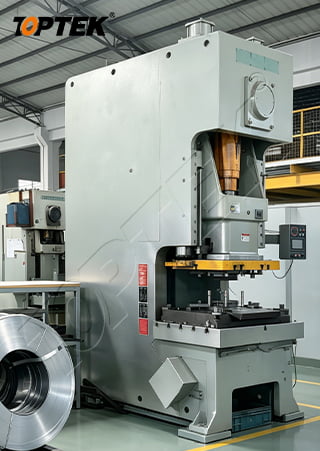
Why does this matter for master key projects? A master key system depends on accurate pinning, smooth plug movement, and repeatable component dimensions. If tolerances drift between batches, replacement cylinders may not match the approved key system. Therefore, a project cylinder supplier must control drawings and retained samples carefully.
How Should Buyers Evaluate Keyway Control?
What is keyway control? Keyway control limits which key blanks can operate or duplicate a cylinder system. It helps prevent unauthorized copying and supports long-term project security. In many commercial buildings, keyway control matters as much as cylinder material.
When should buyers request a proprietary keyway cylinder? Buyers should consider a proprietary keyway cylinder when they need stronger control over key duplication and channel protection. This may suit apartment groups, schools, hospitals, office buildings, and large property management companies.
How does custom pinning support security? Custom pinning cylinder design allows a supplier to match the approved access hierarchy and project key schedule. For this reason, buyers should provide clear keying requirements before sample approval and mass production.
How Do Construction Cylinders Help During a Building Project?
What is a construction cylinder? A construction cylinder allows temporary access control during the construction phase before the final owner keys are issued. It helps contractors, installers, and project teams manage access during building work without compromising the final key system.
Why does this matter for project handover? A project may need temporary access during construction and final controlled access after handover. Therefore, construction master key cylinder planning helps reduce key confusion, unauthorized access, and lock replacement after the project finishes.
What should buyers confirm? Buyers should confirm the construction key plan, final key plan, handover process, cylinder format, and replacement strategy. In real projects, poor planning can force the owner to replace cylinders after installation.
How Should Different Building Types Specify Cylinders?
How should apartments select cylinders? Apartment projects should balance tenant privacy, property management access, emergency access, and future replacement needs. An apartment master key cylinder can help property owners manage many doors without losing access control.
How should schools and hospitals choose cylinders? Schools and hospitals should define access zones for classrooms, wards, offices, service rooms, storage areas, and emergency routes. A school master key cylinder or hospital master key cylinder should support strict user hierarchy and fast maintenance response.
How should office buildings plan key systems? An office building key system should separate tenant areas, public areas, service zones, management rooms, and restricted spaces. Therefore, buyers should plan cylinders together with doors, mortise locks, access control, and facility management policies.
How Do Cylinders Work with Electronic Locks and Access Control?
Can a high-security cylinder support electronic lock projects? Yes, electronic locks often still need mechanical override, emergency access, and locksmith compatibility. A weak cylinder can reduce the security value of an electronic lock. Therefore, smart lock brands should not treat the cylinder as a low-value backup part.
What should access control buyers confirm? Buyers should confirm fail-safe or fail-secure logic, mechanical override, cylinder length, tailpiece, panel thickness, and local locksmith service. For electronic lock projects, the cylinder must match the access control hardware and the mechanical lock structure.
Where can buyers learn more? Buyers can review TOPTEK’s access control and cylinder-related guides for more project planning details. Useful internal links include the Mechanical Lock Cylinder vs Electronic Door Lock Cylinder guide and the electric lock selection guide for access control.
How Should Buyers Test Cylinder Strength and Reliability?
What tests should buyers ask for? Buyers should ask about cycle testing, key operation, anti-drill resistance, torque resistance, pull strength, corrosion resistance, and dimensional inspection. They should also test the cylinder with the actual lock body and door trim.
Why does strength testing matter? Strength testing helps buyers understand whether the cylinder and related door hardware can resist force, abuse, and repeated operation. In commercial buildings, the cylinder works together with the lock body, lever trim, escutcheon, and strike plate.
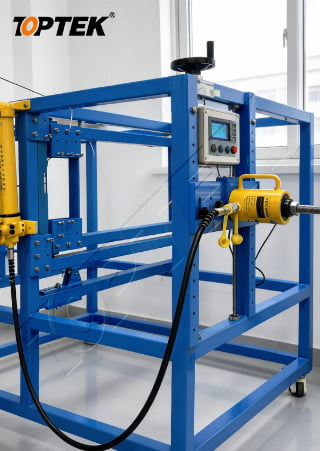
How does TOPTEK support testing? TOPTEK’s in-house laboratory supports mechanical durability, ANSI and EN performance, cylinder anti-drilling, salt spray, structural strength, and environmental testing. This helps OEM/ODM buyers evaluate product reliability before third-party testing or mass production.
How Should Buyers Choose a Cylinder Supplier?
What should buyers ask a cylinder supplier? Buyers should ask about cylinder format, material, keyway, pinning, master key levels, anti-drill design, EN 1303 or ANSI/BHMA requirements, and OEM/ODM support. A good supplier should understand the building layout before quoting.
Why does cross-standard experience matter? International projects may combine Euro profile cylinders, SFIC cylinders, AM mortise cylinders, AM bored lock cylinders, Australian oval cylinders, and Scandinavian oval cylinders. Therefore, a supplier with cross-standard experience can help buyers reduce sourcing complexity.
Which TOPTEK pages support this article? Buyers can review TOPTEK’s cylinder product pages and master key system guide for more information. Useful internal links include the Construction Cylinder product category, the Euro Profile Cylinder 03 EPCVK6P page, the Project Cylinders and Master Key Systems guide, and the TOPTEK Products page.
What Should Buyers Confirm Before Requesting a Cylinder RFQ?
What should buyers prepare before requesting a cylinder quote? Buyers should prepare the cylinder format, keyway, length, cam, finish, master key level, security requirement, door type, lock type, and order quantity. A clear RFQ helps the supplier build the right keying plan and avoid repeated technical changes.
- Confirm whether the project needs a Euro profile cylinder, SFIC cylinder, AM mortise cylinder, AM bored lock cylinder, Australian oval cylinder, or Scandinavian oval cylinder.
- Confirm whether EN 1303, ANSI/BHMA A156.5, SKG, UK TS 007, or another local requirement applies.
- Confirm whether the project needs a master key system cylinder or Level 5 master key cylinder structure.
- Confirm whether the cylinder must support construction keying before final handover.
- Confirm whether anti drill cylinder or anti tamper cylinder performance is required.
- Confirm whether the buyer needs a proprietary keyway cylinder or open keyway system.
- Confirm cylinder length, cam type, tailpiece, finish, packaging, key quantity, and spare key policy.
- Confirm whether the cylinder will work with mechanical locks, electronic locks, or access control hardware.
- Confirm retained samples, keying records, inspection process, and replacement support.
- Confirm whether the project needs cylinder OEM, cylinder ODM, wholesale, or distributor support.
How should buyers make the final decision? Buyers should choose a high-security cylinder by security design, key control, precision, material, standard route, and project management capability. A cylinder price alone does not show whether the supplier can protect the building’s long-term access control plan.
Conclusion: A High-Security Cylinder Is a Key Management System
What is the final answer? A High-Security Lock Cylinder is a precision security component that protects access, controls keys, supports master key hierarchy, and improves door hardware reliability. Buyers should evaluate it by material, machining, keyway control, anti-drill design, standards, master key planning, and supplier process control.
Why should global buyers consider TOPTEK? TOPTEK supports construction cylinders, Euro profile cylinders, SFIC cylinders, AM mortise cylinders, AM bored lock cylinders, Australian oval cylinders, Scandinavian oval cylinders, master key systems, and multi-standard project cylinder solutions. With precision manufacturing, testing capability, OEM/ODM support, and cross-standard engineering experience, TOPTEK helps buyers reduce cylinder sourcing and key management risk.
TOPTEK Access is a China-based OEM/ODM manufacturer of commercial locks, architectural door hardware, and integrated access control locking solutions, supplying ANSI Grade 1 mortise locks, EN 12209 Grade 3 mortise locks, AS 4145 mortise locks, panic exit devices, multi-point locking systems, electronic locks, lever handles, cylinders, and hinges for global door manufacturers, distributors, contractors, and building projects.
TOPTEK is a Commercial Door Hardware Reliability Solution. TOPTEK: Smart Design. Strong Security.
Need a project-ready high-security cylinder solution? Contact TOPTEK to evaluate High-Security Lock Cylinder platforms, construction cylinders, master key system cylinders, Euro profile cylinders, SFIC cylinders, anti drill cylinders, custom pinning cylinders, and complete OEM/ODM door hardware packages. Visit TOPTEK Access – Commercial Locks & Architectural Hardware Manufacturer.