

Common Multipoint Lock Problems and How Better Manufacturing Prevents Them
What are the most common Multipoint Lock Problems? The most common Multipoint Lock Problems include hooks that do not project, hooks that release too early, stiff operation, bent faceplates, poor latch timing, weak material contact points, and transport deformation. These problems usually do not come from one single part. They come from lock body design, tooling accuracy, material selection, assembly control, testing, packaging, and door installation.
Why should door manufacturers care about these problems? Because a multipoint door lock failure can delay installation, create service calls, damage the door brand, and increase after-sales cost. Therefore, door manufacturers, hardware distributors, contractors, and project buyers should evaluate a multi point locking system by real engineering control, not only by appearance, price, or catalog drawings.
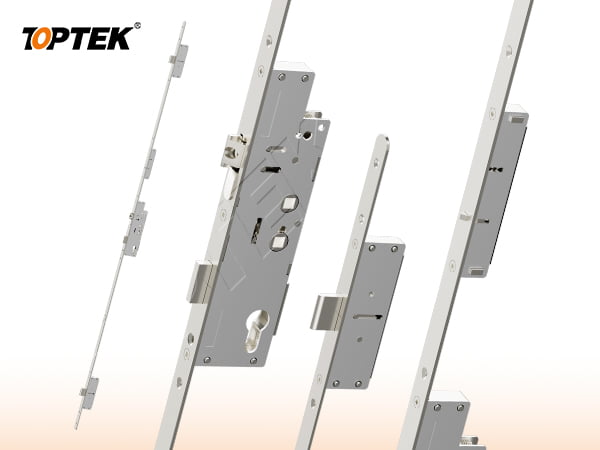
Why Do Multipoint Locks Fail More Easily Than Standard Locks?
Why is a multipoint lock more complex than a standard mortise lock? A multipoint lock controls several locking points across the door height, so every rod, hook, deadbolt, trigger, latch, and faceplate must move in the correct sequence. By contrast, a standard mortise lock usually controls one latch and one deadbolt. As a result, a multipoint lock needs tighter dimensional control.
What makes the installation more sensitive? The long faceplate, multiple keepers, door compression, gasket pressure, and frame alignment all affect the final operation. If the door is slightly twisted, the hook may rub the keeper. Therefore, the lock manufacturer and the door manufacturer must review the full door system together.
Why should buyers not treat it as a simple lock body? A multipoint door lock is a complete mechanical system, not only a long metal strip with hooks. In real projects, reliable performance depends on design logic, tooling, stamping, material, heat treatment, assembly, testing, and packaging.
Problem 1: Hooks Do Not Project Correctly
Why do multipoint hooks fail to project? Hooks may fail to project when the trigger position, rod movement, keeper alignment, or internal clearance is not controlled correctly. In an automatic multipoint lock, the door must close first. Then the trigger should release the hooks and deadbolt at the correct moment.
What causes this problem during production? Poor dimensional control can create friction, lost motion, or incorrect hook travel. If the lock case, rod, trigger, or secondary lock point has tolerance deviation, the hook may not self-lock. Therefore, the production process must control every moving part.
How does better manufacturing prevent hook failure? Better manufacturing uses precise tooling, stable stamping, correct spring force, smooth sliding clearance, and repeated movement testing before mass production. TOPTEK reviews prototype samples, tooling samples, pilot production, and batch production before releasing a project multipoint locking solution.
Problem 2: Hooks Release Before the Door Fully Closes
Why is early hook release dangerous? If the hook releases before the door fully closes, it can hit the frame, damage the keeper, or stop the door from closing. This problem often happens when the trigger system reacts too early. In real projects, it creates noise, frame damage, and installation complaints.
Why does trigger timing matter? Automatic locking depends on exact timing between the latch, trigger, door position, and hook release. If the trigger position is wrong, the automatic locking door system will behave unpredictably. Therefore, buyers should test automatic locking under real door conditions, not only by hand on the workbench.
How should buyers test this issue? Buyers should close the door slowly, close it quickly, test with gasket pressure, and test after repeated cycles. This helps reveal early release, weak self-locking, or rough hook movement before the product enters mass production.
Problem 3: The Long Faceplate Bends During Installation or Shipping
Why does faceplate bending create serious problems? A multipoint lock faceplate often exceeds 1.7 meters, so bending can affect the entire locking system. Once the faceplate bends, the rods and hooks may rub inside the door. As a result, the lock can feel stiff or fail to lock.
What causes faceplate deformation? Weak material, thin structure, rough handling, poor carton packaging, and heavy stacking can all deform a long multipoint lock. This is especially risky in export shipments. Therefore, packaging should be part of the engineering plan.
How does TOPTEK reduce transport deformation risk? TOPTEK protects each multipoint lock and can use stronger packaging, including wooden case protection for project shipments. This helps reduce bending risk before the lock reaches the door factory or installation site.
Problem 4: The Lock Feels Stiff or Jams After Installation
Why does a multipoint lock feel stiff after installation? Stiff operation may come from door misalignment, tight keepers, bent faceplate, rough sliding parts, or friction between incompatible materials. In many cases, the lock works in the hand sample but fails after door installation. Therefore, buyers should test it inside the real door structure.
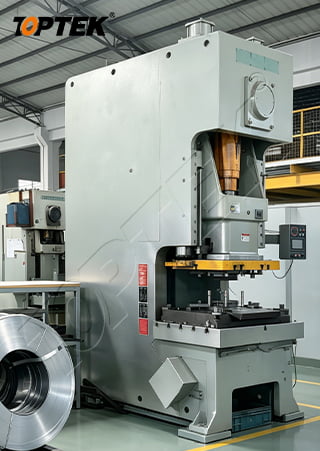
What manufacturing issue can create jamming? Unstable stamping, burrs, poor clearance, and weak surface finishing can increase friction inside the mechanism. If one moving plate rubs against another part, the user may feel heavy handle force or key resistance.
How does precision production reduce jamming? Precision production controls the lock case, sliding parts, rod travel, hook travel, and faceplate straightness. TOPTEK uses high-precision production equipment and inspection steps to reduce tolerance deviation before assembly.
Problem 5: Zinc Alloy Parts Wear Too Fast
Why can zinc alloy friction become a problem? Zinc alloy may wear quickly when it rubs against stronger metal parts under repeated force. In one project review, TOPTEK found a sample where zinc alloy parts and metal parts rubbed against each other. That design created a clear long-term failure risk.
Why does material pairing matter? Different materials have different hardness, wear behavior, and corrosion resistance. If the material combination is wrong, the lock may operate smoothly at first but fail after repeated use. Therefore, buyers should review material contact points before approving samples.
How should a manufacturer prevent wear failure? A manufacturer should choose stronger materials for load-bearing and sliding positions, then test the lock after repeated operation. For a steel hook multipoint lock or multipoint lock with deadbolt, the hook, rod, trigger, and sliding plates need stable wear resistance.
Problem 6: The Handle Lift Function Does Not Feel Smooth
Why does handle lift operation become heavy? Handle lift operation can feel heavy when hooks, rods, deadbolt, and followers do not move smoothly together. In a lift-lever multipoint lock, the handle must lift the locking points. Then the cylinder can deadlock the system if the function requires it.
What should buyers check during sample review? Buyers should check lift-up force, press-down force, deadbolt travel, hook travel, cylinder deadlocking, and return movement. If the lift force is too high, users may complain after installation. Therefore, the sample should be tested in a complete door setup.
How does TOPTEK approach function logic? TOPTEK reviews whether the project needs automatic locking, lift-lever operation, or cylinder-driven locking before development. This helps door manufacturers choose the correct multipoint lock structure instead of forcing one model into every door application.
Problem 7: Poor Alignment Between Door and Frame
Why does frame alignment affect multipoint lock performance? Every hook and deadbolt must enter the correct keeper position in the frame. If one keeper is misaligned, the whole system may feel stiff. As a result, the user may think the lock has failed, even if the problem comes from door installation.
How can door manufacturers reduce alignment problems? Door manufacturers should coordinate lock drawings, keeper positions, gasket compression, hinge adjustment, and frame tolerances before production. In addition, they should perform trial fitting before batch assembly.
Why does manufacturing still matter? Even good installation cannot fix an unstable lock body with poor hook travel or inconsistent dimensions. Therefore, the multipoint lock supplier must provide stable drawings, controlled dimensions, and repeatable production quality.
Problem 8: Weak Testing Before Mass Production
Why do some problems only appear after delivery? Many suppliers test only a hand sample, then move too quickly into mass production. However, tooling samples and pilot production may behave differently. Therefore, buyers should require testing at several development stages.
What testing should a serious supplier perform? A serious supplier should test operation cycles, hook timing, handle force, cylinder force, corrosion resistance, impact resistance, faceplate straightness, and packaging stability. For European multipoint lock projects, EN 15685 can also guide design and test discussion where applicable.
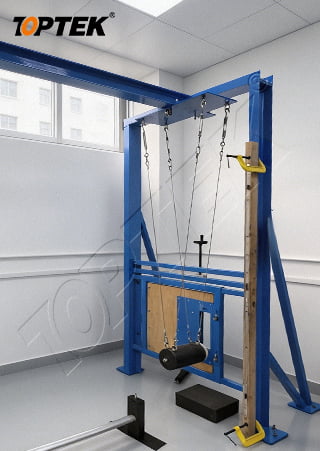
Where can buyers review external testing context? Buyers can use recognized testing organizations to understand door hardware testing and certification expectations. UL provides door hardware testing and certification information, while Intertek offers testing for locks, hinges, latches, closers, and exit devices. Buyers can review UL door hardware testing and certification and Intertek door hardware testing.
Problem 9: Weak Structural Strength Under Real Door Stress
Why does structural strength matter for multipoint locks? Multipoint locks experience force from door closing, gasket compression, wind pressure, user force, and possible forced entry attempts. A weak mechanism may deform or lose smooth movement. Therefore, the lock needs more than basic movement testing.
What should buyers check in strength testing? Buyers should check hook strength, deadbolt strength, rod strength, lock case strength, handle force, and keeper engagement. They should also test the product after repeated use. In real projects, durability and strength must work together.
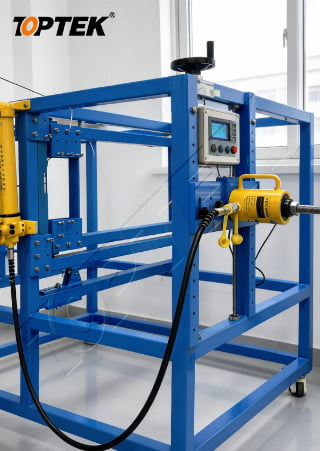
How does better manufacturing improve strength? Better manufacturing improves strength through material control, precision tooling, stable riveting or fastening, correct heat treatment where required, and controlled assembly. As a result, the final lock is more likely to remain stable under real door stress.
Problem 10: Poor Packaging Creates a Good Product but a Bad Delivery
Why can packaging decide project success? Packaging can decide whether a long multipoint lock arrives straight, clean, and ready for assembly. A supplier may manufacture a good product. However, weak packaging can still create bending, scratches, or damaged locking points before installation.
What should export buyers ask? Export buyers should ask about individual protection, faceplate support, carton strength, wooden case options, stacking limits, and moisture protection. This is especially important for an export multipoint lock manufacturer serving door factories in different countries.
How does TOPTEK think about shipment protection? TOPTEK treats packaging as part of multipoint lock quality control, not only a shipping detail. For long lock bodies, protective packaging helps prevent deformation and supports a smoother door factory assembly process.
How Better Manufacturing Prevents Multipoint Lock Problems
What is the best way to prevent common multipoint lock problems? The best way is to control the product from design, tooling, stamping, material selection, assembly, testing, packaging, and after-sales feedback. A multipoint lock requires system thinking. Therefore, better manufacturing must start before the first sample is made.
What does TOPTEK control during development? TOPTEK reviews the door application, locking logic, hook positions, faceplate length, material contact points, access control needs, and testing route. This helps reduce risks before tooling. It also helps buyers choose between automatic multipoint lock, lift-lever lock, cylinder-driven lock, or access control multipoint lock.
Why does pilot production matter? Pilot production helps reveal issues that a single hand sample may not show. It checks process stability, worker assembly habits, part tolerance, and packaging method. As a result, the manufacturer can correct problems before mass delivery.
Which Multipoint Lock Types Should Buyers Understand?
What are the three common mechanical types? The first type auto-locks after the door closes; the second type uses lift-lever operation; the third type uses cylinder-driven locking. Each type solves a different user habit and project need. Therefore, buyers should not compare all multipoint locks as the same product.
When should buyers choose an automatic multipoint lock? Buyers should choose an automatic multipoint lock when they want the door to secure itself after closing. This can reduce unlocked-door risk and improve convenience. It suits apartment projects, residential entrances, public buildings, and selected commercial doors.
When should buyers choose an access control version? Buyers should choose an access control multipoint lock when the door needs electric release, monitoring, motorized operation, or integration with a building system. In this case, buyers must confirm fail-safe or fail-secure logic, inside egress, power supply, and monitoring signals.
How Should Door Manufacturers Evaluate a Supplier?
What should door manufacturers ask before choosing a multipoint lock supplier? They should ask about lock structure, material selection, faceplate straightness, testing process, packaging method, tooling control, and OEM/ODM support. A low price may look attractive. However, poor stability can create higher cost after installation.
Why should buyers check real project experience? Real project experience helps a supplier understand failures that do not appear in drawings. TOPTEK has more than five years of multipoint lock production experience and more than 35 years of lock manufacturing experience. This helps the engineering team identify product risks during sample review.
Which TOPTEK pages support this article? Buyers can review TOPTEK’s multipoint lock pages for product scope and project information. Useful internal links include the Multi-point Locking Systems product category, the Auto Lock product page, the Multi-point Locking Systems landing page, and the TOPTEK resources page.
What Should Buyers Confirm Before an RFQ?
What should buyers prepare before requesting a multipoint lock RFQ? Buyers should prepare door material, door thickness, faceplate length, backset, center distance, locking point positions, handle operation, cylinder function, and access control needs. A clear RFQ reduces engineering back-and-forth and improves quote accuracy.
- Confirm whether the project needs an automatic multipoint lock, lift-lever lock, or cylinder-driven lock.
- Confirm door material: aluminum doors, steel doors, wooden doors, PVC doors, or composite doors.
- Confirm whether the project needs a steel hook multipoint lock or a multipoint lock with deadbolt.
- Confirm whether the lock is for apartment projects, public buildings, commercial doors, or exterior doors.
- Confirm whether the project needs a fire door multipoint lock, emergency escape multipoint lock, or EN 179 / EN 1125 logic.
- Confirm whether the project needs an electromechanical multipoint lock or motorized multipoint lock.
- Confirm faceplate length, faceplate material, straightness requirement, and packaging protection.
- Confirm hook timing, trigger behavior, handle force, cylinder deadlocking, and keeper positions.
- Confirm prototype testing, tooling sample testing, pilot production, and mass production inspection.
- Confirm private label, multipoint lock OEM, multipoint lock ODM, datasheet, installation guide, and long-term supply plan.
How should buyers compare suppliers after receiving quotes? Buyers should compare technical understanding, drawings, testing, packaging, communication, and after-sales process, not only the multipoint lock price. In real projects, the cheapest quote may create the most expensive field problem.
Conclusion: Better Manufacturing Prevents Most Multipoint Lock Failures
What is the final answer? Most Multipoint Lock Problems can be prevented through better design, precise manufacturing, correct materials, stable tooling, full movement testing, strong packaging, and real project feedback. Door manufacturers should evaluate the full locking system before approving mass production.
Why should global buyers consider TOPTEK? TOPTEK supports multi point locking system projects with Auto Lock, PD1000, EU001, steel hook and deadbolt combinations, automatic locking logic, access control integration, OEM/ODM development, testing, packaging protection, and project engineering support. This helps door manufacturers and distributors reduce installation risk, after-sales cost, and product failure.
TOPTEK Access is a China-based OEM/ODM manufacturer of commercial locks, architectural door hardware, and integrated access control locking solutions, supplying ANSI Grade 1 mortise locks, EN 12209 Grade 3 mortise locks, AS 4145 mortise locks, panic exit devices, multi-point locking systems, electronic locks, lever handles, cylinders, and hinges for global door manufacturers, distributors, contractors, and building projects.
TOPTEK is a Commercial Door Hardware Reliability Solution. TOPTEK: Smart Design. Strong Security.
Need help solving multipoint lock problems? Contact TOPTEK to evaluate automatic multipoint locks, steel hook multipoint locks, access control multipoint locks, motorized multipoint locks, and complete OEM/ODM multipoint lock packages for door manufacturers and building projects. Visit TOPTEK Access – Commercial Locks & Architectural Hardware Manufacturer.
[…] From a manufacturing and inspection view, I pay close attention to how these parts interact. A locking system may look correct in drawings, but small dimensional errors can make the handle feel heavy. For example, if the keeper position is off by only a few millimeters, the hook may rub against the frame instead …3 […]