

Precision Hinges and Door Power Transfer Solutions
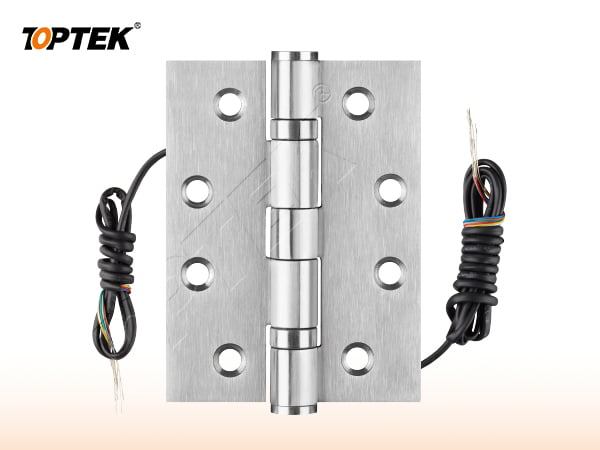
What are Precision Hinges and Door Power Transfer Solutions? Precision Hinges and Door Power Transfer Solutions include commercial butt hinges, electric hinges, and door loops that help the door carry weight, maintain alignment, and transfer power or signals safely. In commercial door hardware projects, hinges are not small accessories. They affect door swing, lock alignment, fire-door performance, access control wiring, and long-term maintenance.
Why should project buyers care about hinge and cable transfer quality? A weak hinge or poor power transfer path can create door sagging, latch misalignment, cable damage, access control failure, and expensive service calls. Therefore, door manufacturers, hardware distributors, contractors, fire door suppliers, and system integrators should evaluate hinges and door power transfer devices as part of the complete door-opening system.
Why Are Hinges Critical in Commercial Door Hardware?
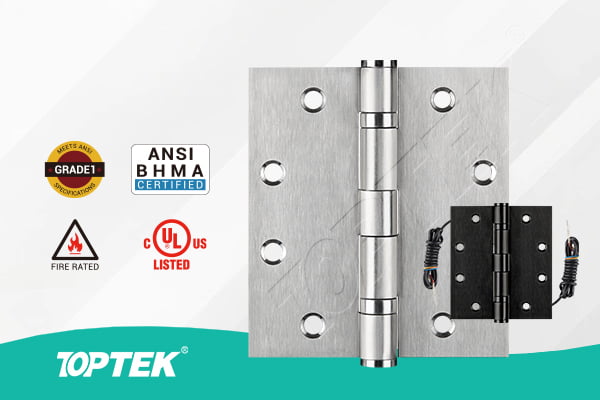
What does a hinge do in a door opening? A hinge carries the door weight and controls how the door swings, closes, and aligns with the frame. If the hinge cannot maintain alignment, the latch may rub the strike plate. As a result, the lock, closer, seal, and access control device may all perform poorly.
Why do high-traffic doors need better hinges? High-traffic doors face repeated opening, strong closer force, user impact, frame movement, and long-term wear. For this reason, a high traffic door hinge must offer stable movement and strong material support. Light-duty hinges may save cost at purchase, but they can create service problems later.
Where are commercial hinges commonly used? Commercial-grade hinges are used on office entrances, schools, hospitals, hotels, apartments, public buildings, fire-rated doors, metal doors, wooden doors, and access control doors. Therefore, buyers often search for a commercial building hinge supplier, hospital door hinge, school door hinge, or heavy door hinge manufacturer when they need project hardware.
What Makes a Precision Door Hinge Reliable?
What should buyers check in a precision door hinge? Buyers should check material grade, leaf thickness, knuckle structure, pin design, bearing type, hole position, screw fixing, finish quality, and dimensional tolerance. These details decide whether the door keeps proper alignment after long-term use.
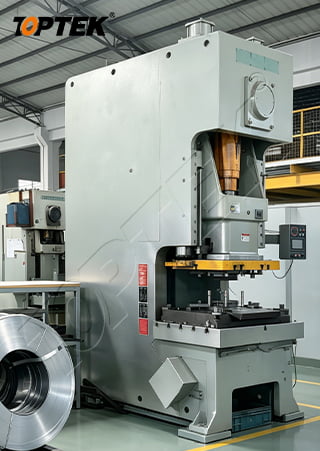
Why does dimensional control matter? Tight dimensional control helps the hinge install accurately and reduces door alignment problems. In real projects, even a small hole-position error can create installation delay. Therefore, a precision door hinge supplier should control tooling, stamping, inspection, and batch consistency carefully.
How does TOPTEK support precision manufacturing? TOPTEK uses precision manufacturing equipment, controlled inspection, and in-house testing to support commercial hinge quality. The company also operates under ISO 9001, ISO 14001, and ISO 45001 systems. As a result, OEM/ODM buyers can evaluate both product design and mass production control.
Why Choose Stainless Steel Butt Hinges?
Why is stainless steel important for commercial hinges? Stainless steel supports corrosion resistance, mechanical strength, and long-term appearance stability in demanding environments. This matters for coastal buildings, hospitals, schools, transport facilities, exterior doors, and high-humidity areas. Therefore, many buyers prefer a stainless steel butt hinge or SS304 butt hinge for project use.
What should buyers confirm about stainless steel hinges? Buyers should confirm the stainless steel grade, surface finish, leaf thickness, pin design, bearing type, screw material, and corrosion resistance requirement. A corrosion resistant door hinge should protect both appearance and movement. Otherwise, rust or surface damage may affect the full door opening.
How does TOPTEK position stainless steel hinge products? TOPTEK provides stainless steel hinge solutions for commercial, institutional, and project-based applications. The goal is stable movement, strong corrosion resistance, reliable fixing, and consistent finish coordination with other TOPTEK architectural hardware products.
What Is the Difference Between 2BB and 4BB Full Mortise Hinges?
What is a 2BB full mortise hinge? A 2BB full mortise hinge uses two ball bearings to reduce friction and support smoother door movement. It can suit many commercial doors where the door weight and use frequency require better performance than a plain bearing hinge.
What is a 4BB full mortise hinge? A 4BB full mortise hinge uses four ball bearings for improved support, smoother movement, and better performance on heavier or higher-use doors. Buyers often choose 4BB hinges for heavy-duty commercial doors, public buildings, and high-frequency entrances.
How should buyers choose between 2BB and 4BB? Buyers should compare door weight, door height, traffic level, closer force, fire-door requirement, and expected maintenance cycle. For this reason, a butt hinge manufacturer should ask about the door application before recommending a model.
How Do Precision Hinges Affect Fire-Rated Doors?
Can every hinge be used on fire-rated doors? No, fire-rated door applications require hinges that match the tested door assembly and local approval route. Buyers should confirm the door leaf, frame, hinge size, screw fixing, lock, closer, seals, and installation method together. A fire door hinge stainless steel solution should support the complete fire-rated opening.
Why do fire doors need stable hinge alignment? Fire doors must remain aligned so the latch, seals, frame, and door closer can work correctly during daily use and emergency conditions. If the hinge deforms or loosens, the door may not close and latch correctly. Therefore, hinge quality directly affects fire-door reliability.
Where can buyers review external testing references? Buyers can use recognized testing organizations to understand door hardware performance and certification requirements. UL provides door hardware testing and certification information, while Intertek offers testing for locks, hinges, latches, closers, and exit devices. Buyers can review UL door hardware testing and certification and Intertek door hardware testing.
Why Are Non-Removable Pins Important?
What is an NRP hinge? An NRP hinge uses a non-rising removable pin or non-removable pin design to improve tamper resistance. This feature helps reduce the risk of unauthorized hinge removal from the exposed side of the door. It is useful for exterior, commercial, and high-security openings.
When should buyers choose an NRP hinge? Buyers should consider NRP hinge non rising removable pin options when the hinge knuckle sits on the security side or exterior side. In these applications, the hinge side should not become the weak point of the opening. Therefore, lock security and hinge security should work together.
How does NRP design support a full hardware package? A secure hinge supports the same protection logic as the mortise lock, cylinder, strike plate, frame, and access control system. For this reason, buyers should not specify a strong lock and then use a weak hinge on the same door.
What Are Door Power Transfer Solutions?
What are door power transfer solutions? Door power transfer solutions move power or signals from the frame to the door leaf for electric locks, monitoring contacts, access control devices, and alarm systems. Common products include electric hinges, electrified hinges, door loops, concealed door loops, and mortice mounted door loops.
Why do access control doors need power transfer planning? Access control doors often need wiring for electric locks, sensors, readers, alarms, door status contacts, or monitoring signals. Poor cable routing can damage wires, affect the appearance, and create service problems. Therefore, cable transfer for access control doors should be planned early.
Which products should buyers compare? Buyers should compare electric hinge options, door loop cable transfer devices, concealed door loop solutions, and door power transfer hinge designs. The correct solution depends on the door type, security level, appearance requirement, wiring load, and maintenance plan.
When Should Buyers Use Electric Hinges?
What is an electric hinge used for? An electric hinge transfers power or low-voltage signals through the hinge side while maintaining normal door movement. It can support electric locks, access control functions, monitoring signals, and certain door status systems. As a result, it offers a cleaner appearance than exposed wiring in many projects.
When is an electric hinge better than a door loop? An electric hinge may suit projects that need concealed wiring and a cleaner architectural appearance. However, buyers should confirm wire quantity, current requirement, door weight, hinge size, fire-door use, and service access before selecting it.
How should buyers evaluate an electric hinge manufacturer? Buyers should check electrical continuity, mechanical durability, hinge alignment, wire protection, finish quality, and installation instructions. In addition, they should confirm whether the product works with the selected electric lock and access control system.
When Should Buyers Use Door Loops?
What is a door loop used for? A door loop protects cables between the door frame and the moving door leaf. It can support electric locks, access control systems, alarm systems, monitoring contacts, and other low-voltage door devices. Many buyers search for Toptek door loop, door loop for alarm systems, or door loop cable transfer when planning these applications.
When is a mortice mounted door loop useful? A mortice mounted door loop can create a neater cable path and reduce exposed wiring on the door face. It may suit commercial projects where appearance and cable protection both matter. However, installers must follow the door preparation and wiring instructions carefully.
What should buyers check before ordering door loops? Buyers should confirm cable diameter, wire quantity, door swing, installation space, finish, protection level, and compatibility with the electric lock system. For this reason, a door cable transfer manufacturer should discuss the full access control layout before quoting.
How Do Hinges and Door Loops Affect Access Control Reliability?
Why does access control depend on stable hardware? Access control hardware only works reliably when the door remains aligned and the wiring remains protected. If the hinge causes door sagging, the electric lock may misalign. If the cable fails, the reader or lock may stop working.
How should system integrators specify the hinge side? System integrators should confirm hinge type, door loop type, wire path, electric lock type, reader logic, monitoring output, and power supply before installation. This reduces the risk of later drilling, exposed cables, or electrical failure.
Which TOPTEK pages support this topic? Buyers can review TOPTEK’s hinge and door power transfer product pages for more information. Useful internal links include the Precision Hinges and Door Power Transfer Solutions category, the Precision Hinges and Door Power Transfer Solutions page, the Electric Door Loop 01 page, and the Full Mortise Hinges 4BB page.
How Should Buyers Evaluate Testing and Strength?
What tests matter for commercial hinges? Buyers should ask about durability, load performance, alignment stability, corrosion resistance, security, pin performance, and finish consistency. For high-use doors, testing gives buyers more confidence than appearance alone.
Why do impact and security tests matter? Door openings face forced use, impact, frame stress, and closing force in real buildings. Security and impact testing help buyers evaluate whether the complete door hardware package can resist demanding conditions. Therefore, hinge selection should support the lock and frame system.
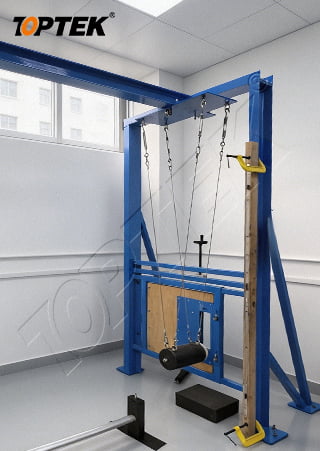
How does TOPTEK support testing? TOPTEK operates an in-house laboratory that supports mechanical durability, structural strength, forced-entry impact, corrosion, and related hardware testing. This helps buyers evaluate product reliability before third-party testing or mass production.
Why Does Strength Testing Matter for Heavy Doors?
Why do heavy doors need stronger hinge hardware? Heavy doors place higher load on hinge leaves, pins, bearings, screws, and frame fixing points. If the hinge cannot support that load, the door may sag. Then the latch, lock, closer, and seal may no longer align correctly.
What should buyers check for heavy doors? Buyers should check hinge size, bearing count, leaf thickness, material grade, screw pattern, frame reinforcement, and door weight range. A heavy duty butt hinge or heavy door hinge manufacturer should provide clear technical guidance before project selection.
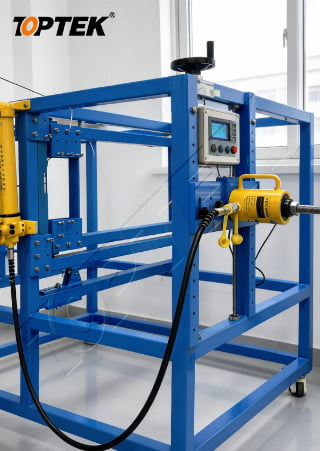
Why should buyers test the full door opening? A hinge does not work alone; it works with the lock, closer, frame, seal, strike plate, and access control hardware. Therefore, buyers should evaluate the full door opening when the project involves heavy doors, fire doors, or high-traffic doors.
How Should OEM/ODM Buyers Work with TOPTEK?
What should OEM/ODM buyers provide first? Buyers should provide door type, door weight, hinge size, finish, screw pattern, material requirement, fire-door requirement, wiring requirement, and target standard. This helps TOPTEK evaluate whether 2BB hinges, 4BB hinges, electric hinges, or door loops fit the project.
How does TOPTEK support customization? TOPTEK supports OEM/ODM development through requirement definition, drawing review, sample development, testing, pilot production, and mass production control. This process helps buyers reduce risk before tooling and large-scale orders.
Why does finish consistency matter? Finish consistency helps the hinge coordinate with locks, handles, cylinders, panic devices, and other architectural hardware. TOPTEK designs its hinge solutions to coordinate with complete door hardware packages. As a result, buyers can build a more professional project appearance.
What Should Buyers Confirm Before Ordering?
What should buyers prepare before requesting a hinge RFQ? Buyers should prepare the door type, door material, door weight, hinge size, hinge quantity, finish, pin type, fire-door requirement, and access control wiring requirement. A clear RFQ helps the supplier quote faster and reduces engineering misunderstanding.
- Confirm whether the project needs a 2BB full mortise hinge or 4BB full mortise hinge.
- Confirm whether the door requires a stainless steel butt hinge, SS304 butt hinge, or corrosion resistant door hinge.
- Confirm whether the project needs EN 1935 hinge manufacturer support or ANSI hinge supplier commercial door logic.
- Confirm whether the door is metal, wooden, fire-rated, exterior, hospital, school, or high-traffic.
- Confirm whether NRP hinge non rising removable pin security is required.
- Confirm whether the project needs an electric hinge, electrified hinge supplier, or door power transfer hinge.
- Confirm whether the door needs a door loop cable transfer, concealed door loop, or mortice mounted door loop.
- Confirm cable quantity, wire diameter, electric lock type, and access control system requirement.
- Confirm finish, screw type, packaging, branding, and OEM/ODM private-label requirements.
- Confirm sample approval, retained samples, testing plan, and long-term supply support.
How should buyers judge supplier reliability? Buyers should choose a door hardware hinge supplier China partner that understands standards, door weight, fire-door use, access control wiring, testing, and batch consistency. A low-price hinge may look acceptable at first. However, project reliability depends on material, precision, and process control.
Conclusion: Why Precision Hinges and Door Power Transfer Solutions Matter
What is the final selection rule? Precision Hinges and Door Power Transfer Solutions should be selected by door weight, traffic level, fire-door requirement, access control wiring, security need, corrosion environment, finish coordination, and supplier process control. Buyers should not choose hinges or door loops only by price.
Why should global buyers consider TOPTEK? TOPTEK provides precision hinges, stainless steel butt hinges, 2BB and 4BB full mortise hinges, electric hinges, electric door loops, door power transfer solutions, OEM/ODM support, testing capability, and complete commercial door hardware packages. This helps door manufacturers, distributors, contractors, and building projects reduce installation, wiring, alignment, and long-term maintenance risk.
TOPTEK Access is a China-based OEM/ODM manufacturer of commercial locks, architectural door hardware, and integrated access control locking solutions, supplying ANSI Grade 1 mortise locks, EN 12209 Grade 3 mortise locks, AS 4145 mortise locks, panic exit devices, multi-point locking systems, electronic locks, lever handles, cylinders, and hinges for global door manufacturers, distributors, contractors, and building projects.
TOPTEK is a Commercial Door Hardware Reliability Solution. TOPTEK: Smart Design. Strong Security.
Need project-ready hinges and power transfer hardware? Contact TOPTEK to evaluate Precision Hinges and Door Power Transfer Solutions, stainless steel butt hinges, full mortise hinges, electric hinges, door loops, cable transfer for access control doors, and complete OEM/ODM commercial door hardware packages. Visit TOPTEK Access – Commercial Locks & Architectural Hardware Manufacturer.