

Why High-Traffic Doors Should Use ANSI Grade 1 Mortise Locks
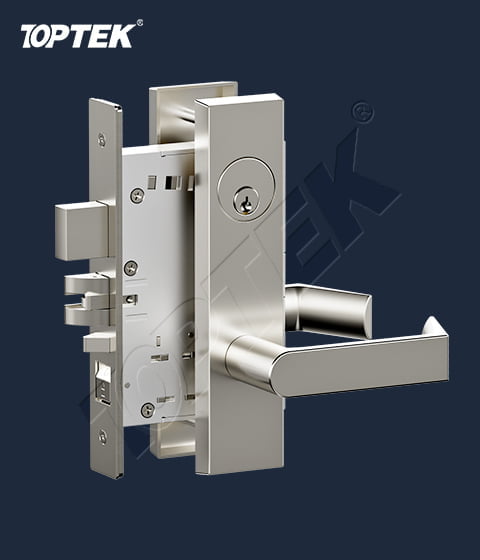
Why should high-traffic doors use ANSI Grade 1 Mortise Locks? High-traffic doors need ANSI Grade 1 Mortise Locks because they face repeated use, strong closing force, user abuse, fire-door requirements, and long-term maintenance pressure. A standard light-duty lock may work on low-use doors. However, public entrances, hotels, hospitals, schools, offices, apartments, and institutional buildings need stronger commercial door hardware.
What makes this decision important for project buyers? A weak lock can create hard closing, latch failure, lever sag, poor security, failed inspection, and high after-sales cost. Therefore, lock brands, door manufacturers, hardware distributors, contractors, and access control integrators should select the lock body by performance data, not only by price or appearance.
What Does ANSI Grade 1 Mean for Mortise Locks?
What does ANSI Grade 1 mean? ANSI Grade 1 represents the highest performance grade for this mortise lock category under ANSI/BHMA A156.13. It gives buyers a clear reference for durability, strength, operation, security, finish, and dimensional performance. As a result, it suits demanding commercial door applications.
Why should buyers check ANSI/BHMA A156.13? ANSI/BHMA A156.13 helps buyers evaluate mortise locks and latches through structured performance tests. The BHMA overview explains that Grade 1 locks must pass a rigorous 1,000,000-cycle test with load applied. Buyers can review the BHMA A156.13 Mortise Locks overview for more context.
Why does Grade 1 matter beyond the label? The Grade 1 label only has value when the lock structure, material, spring system, latch movement, fire rating, and mass production remain stable. Therefore, buyers should ask for testing data, drawings, samples, installation guidance, and batch control details before confirming large orders.
Why Are High-Traffic Doors More Demanding?
What makes high-traffic doors different? High-traffic doors face frequent opening, strong door closer force, frame movement, impact, vibration, rough operation, and changing users. In real projects, these doors often appear in hotels, hospitals, schools, office buildings, public buildings, airports, and apartment entrances.
What happens when buyers choose a light-duty lock? The latch may wear, the handle may feel loose, the door may need excessive force, and the deadbolt may not retract cleanly. Consequently, building owners may face service calls, installation complaints, and early replacement cost.
Which search terms show real buyer intent? Buyers may search for commercial mortise lock Grade 1, heavy duty mortise lock ANSI, Grade 1 mortise lock for hotels, or Grade 1 mortise lock for office buildings. These terms show that buyers want more than a basic lock. They want a high-performance commercial door lock ANSI Grade 1 solution.
How Important Is Cycle Life?
Why does cycle life matter? Cycle life shows whether a mortise lock can keep working after long-term repeated operation. A high-traffic door can operate hundreds of times per day. Therefore, cycle testing gives buyers a practical durability reference before mass installation.
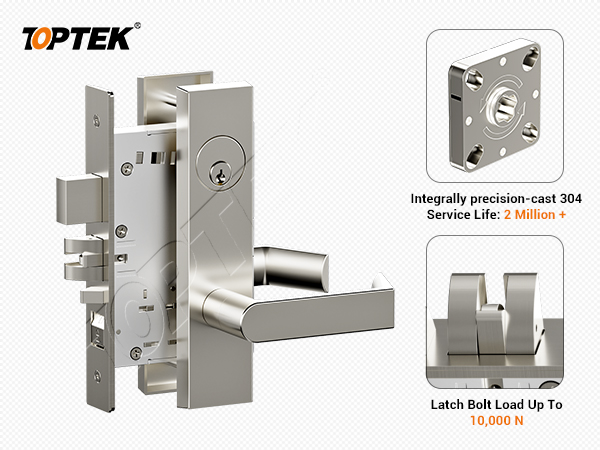
What performance does TOPTEK target? TOPTEK’s TKAM9200 mortise lock platform has passed over 2,000,000 cycles in internal laboratory testing. This is higher than the typical 1,000,000-cycle Grade 1 baseline. As a result, buyers looking for a mortise lock with 2 million cycles can use this platform for demanding project evaluation.
What should buyers check after cycle testing? Buyers should check latch retraction, deadbolt movement, lever return, spring stability, noise, looseness, key operation, and closing force after testing. A lock that only “still moves” may not provide enough confidence for hotels, hospitals, schools, or office towers.
Why Does Latch Strength Matter?
Why is the latchbolt critical in high-traffic doors? The latchbolt takes repeated closing impact and side pressure when the door meets the strike plate. If the latchbolt cannot handle this load, the door may become hard to close or fail to latch. For this reason, latch design directly affects daily reliability.
What makes TOPTEK’s latch design stronger? TOPTEK engineers the latch assembly to withstand side pressure up to 10,000N in internal testing. This supports buyers searching for a 10000N latch mortise lock or a high security mortise lock Grade 1. In demanding projects, this extra margin helps resist heavy closing force and structural stress.
How does smooth latch movement improve the user experience? A smooth latch can retract fully when it contacts the strike, so the door can close with lower force. TOPTEK focuses on this point during design. Under controlled internal conditions, the door closing force can stay around 10N, which helps reduce slamming and user complaints.
Why Does Deadbolt Retraction Matter?
What problem happens when a deadbolt cannot retract fully? A deadbolt that cannot retract fully under pressure can make the door feel stuck or unsafe. In some market locks, 9–10mm of deadbolt travel may remain outside the lock case under stress. This creates risk in complex door environments.
How does TOPTEK address this issue? TOPTEK’s internal structure helps the deadbolt retract more completely when the lever operates, even under pressure. This improves usability on heavy doors and high-traffic openings. Therefore, the lock can provide better safety and smoother operation in demanding commercial applications.
Why should project buyers test this detail? Project buyers should operate the lock under realistic pressure, not only on a loose tabletop sample. In real installations, door alignment, closer force, frame movement, and side pressure can change the lock feel. Therefore, testing under practical conditions matters.
How Do Materials Affect Long-Term Reliability?
Which materials should buyers check? Buyers should check the lock case, latchbolt, deadbolt, auxiliary latch, lever spring plate, spindle interface, faceplate, strike, and trim components. Weak materials can deform, corrode, age, or crack under frequent use. Therefore, material selection directly affects lifecycle cost.
Why does stainless steel structure matter? Stainless steel provides stronger corrosion resistance and mechanical stability than many lower-grade materials. TOPTEK uses 304 stainless steel logic for key structural components in the ANSI platform. This helps reduce failure risk in humid, hot, or high-use environments.
Why should buyers avoid weak spring components? Some market locks use zinc alloy components in spring-related structures, which may age or break in humid conditions. TOPTEK uses a stronger spring structure to support long-term lever return and stable operation. As a result, the lock can better support high-frequency commercial doors.
Why Does Fire Rating Matter?
Do ANSI Grade 1 Mortise Locks automatically mean fire-rated locks? No, ANSI Grade 1 performance and fire rating are different requirements. A lock can meet ANSI/BHMA A156.13 Grade 1 and still need separate UL 10C fire door evaluation for a rated opening. Therefore, buyers should confirm both requirements.
Why should buyers consider UL fire-rated mortise lock options? Fire-rated commercial doors need hardware that matches the tested door assembly and local approval route. TOPTEK’s ANSI platform supports UL 10C 3-hour fire-rated project evaluation. Buyers can also review UL’s door hardware testing and certification information for external context.
What should buyers confirm for fire doors? Buyers should confirm the lock, latch, strike, lever trim, cylinder, door leaf, frame, hinge, closer, seal, and installation method together. In real projects, the complete fire-rated opening matters more than one isolated hardware claim.
How Do Grade 1 Mortise Locks Support Different Building Types?
Why do hotels need Grade 1 mortise locks? Hotels need reliable guest room operation, smooth latch movement, quiet closing, and strong long-term durability. A Grade 1 mortise lock for hotels can reduce service calls and improve guest experience. In addition, stable trim and cylinder operation help protect the hotel brand.
Why do hospitals need stronger locks? Hospitals need locks that can handle frequent use, cleaning routines, staff movement, patient safety needs, and access control zones. Therefore, a Grade 1 mortise lock for hospitals should combine durability, corrosion resistance, smooth operation, and fire-door compatibility.
Why do schools and offices need ANSI Grade 1? Schools and office buildings need controlled access, reliable classroom or office functions, and low maintenance cost. Buyers may search for Grade 1 mortise lock for schools or Grade 1 mortise lock for office buildings. These applications need locks that can handle daily abuse and high traffic.
What Functions Should Buyers Specify?
Why are functions important? Different doors need different lock functions, so one lock function cannot serve every opening. A storeroom, classroom, hotel guest room, office, corridor, apartment entrance, and fire-rated door may all need different hardware logic. Therefore, buyers should start with a door schedule.
How many functions does TOPTEK support? TOPTEK’s ANSI mortise lock platform supports 24 functions for project requirements. This helps buyers configure storeroom mortise lock ANSI, classroom mortise lock ANSI, hotel guest room mortise lock ANSI, passage, privacy, and other commercial functions within one product family.
Why does a complete function range help distributors? A complete function range helps distributors and door manufacturers build a stronger local product system. It reduces sourcing complexity and keeps trim, lock case, cylinder, thumbturn, and strike logic more consistent across the project.
Which Trim Options Matter?
What trim options do buyers usually compare? Buyers often compare sectional mortise lock trim, escutcheon mortise lock trim, round rose mortise lock Grade 1, square rose mortise lock Grade 1, thumbturns, rings, and full-face escutcheons. The correct trim depends on building style, door thickness, cylinder format, security level, and project budget.
How does TOPTEK organize its trim system? TOPTEK’s TKAM9200 platform includes sectional mortise lock and escutcheon mortise lock options. It also supports multiple lever designs, thumbturns, and rings. This helps OEM/ODM customers create a complete private-label ANSI mortise lock family.
Where can buyers review TOPTEK’s product pages? Buyers can review TOPTEK’s ANSI product pages for platform details and project sourcing information. Useful internal links include the ANSI Grade 1 Mortise Lock landing page, the ANSI Grade 1 Mortise Lock category, the TKAMEC9200 escutcheon lever trim page, and the TOPTEK Products page.
How Do Cylinders and Override Functions Affect Security?
Why does cylinder override matter? Mortise lock cylinder override helps authorized users access the door under special conditions. In TOPTEK’s ANSI platform, the exterior cylinder can override the interior knob even if someone holds the inside knob. This improves emergency access and high-security control.
How do project cylinders support high-traffic buildings? Project cylinders help buildings manage master key levels, maintenance access, staff access, and emergency access. In hotels, hospitals, schools, and offices, cylinder planning can reduce key management complexity. Therefore, buyers should not choose the lock without planning the cylinder system.
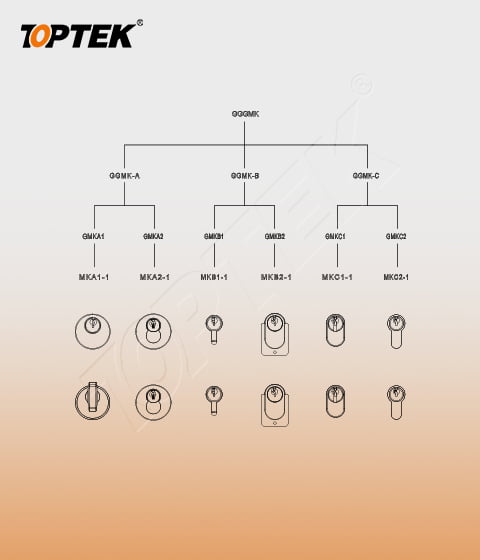
Where can buyers learn more about project cylinders? Buyers can review TOPTEK’s project cylinder guide to understand master key systems and project access hierarchy. Useful reference: Project Cylinders and Master Key Systems guide.
How Does Testing Support OEM/ODM Buyers?
Why should OEM/ODM buyers ask about testing? Testing helps confirm whether the lock design can survive real project use before the buyer places a large order. In OEM/ODM business, one unstable batch can damage the customer’s local brand. Therefore, testing and retained sample control are essential.
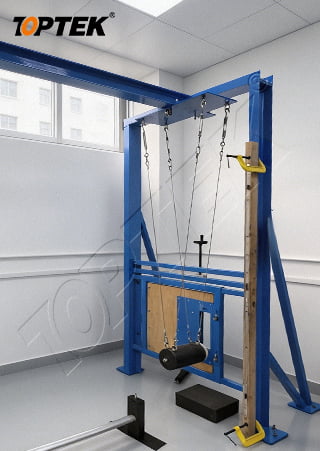
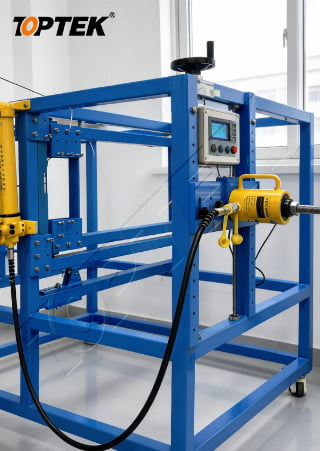
What does TOPTEK test internally? TOPTEK’s laboratory supports mechanical durability testing, ANSI Grade 1 and Grade 2 performance testing, electrical endurance, salt spray testing, handle torque testing, door impact testing, structural strength testing, and high/low temperature testing. This supports OEM/ODM project development and pre-certification review.
Where can buyers review external testing references? Buyers can use recognized testing organizations to understand door hardware performance and certification expectations. UL provides information on strength, physical endurance, corrosion, and operational testing for door hardware. Intertek also offers testing for locks, hinges, latches, closers, and exit devices through its door hardware testing services.
What Should Buyers Confirm Before Requesting a Quote?
What should buyers prepare before asking for a mortise lock quote ANSI? Buyers should prepare the target standard, lock function, trim type, door thickness, backset, cylinder format, finish, fire rating, order quantity, and OEM/ODM requirement. A clear request helps the supplier quote faster and reduces engineering confusion.
- Confirm whether the project needs ANSI Grade 1 mortise lock performance.
- Confirm whether the lock must meet mortise lock ANSI A156.13 requirements.
- Confirm whether the project needs a UL fire rated mortise lock.
- Confirm the target application: hotels, hospitals, schools, offices, apartments, or public buildings.
- Confirm whether the buyer needs storeroom, classroom, guest room, passage, privacy, or corridor functions.
- Confirm trim type: sectional mortise lock, escutcheon mortise lock, round rose, or square rose.
- Confirm whether the project needs mortise lock thumbturn Grade 1 or special cylinder override.
- Confirm finish, lever design, cylinder, strike, packaging, and spare parts.
- Confirm testing data, retained samples, inspection process, and batch consistency control.
- Confirm whether the buyer needs ANSI Grade 1 mortise lock OEM, ODM, or private-label support.
How should buyers evaluate supplier reliability? Buyers should choose an ANSI mortise lock manufacturer that understands standards, testing, fire-door use, functions, trim systems, cylinders, and mass production. A low-price supplier may copy the appearance. However, long-term reliability depends on structure, material, testing, and process control.
How Does TOPTEK Support High-Traffic Door Projects?
What makes TOPTEK suitable for ANSI Grade 1 mortise lock projects? TOPTEK combines TKAM9200 platform development, 2,000,000-cycle internal testing, 10,000N latch pressure resistance, 304 stainless steel structure, UL 10C fire-rated project support, and 24 function options. This helps brands, distributors, and door manufacturers build stronger commercial door lock programs.
Why does TOPTEK’s factory capability matter? TOPTEK controls precision manufacturing, tooling, inspection, assembly, testing, packaging, and OEM/ODM development under a structured process. In addition, the company operates under ISO 9001, ISO 14001, and ISO 45001 management systems. This supports stable supply for global commercial door hardware buyers.
How does TOPTEK reduce project risk? TOPTEK reviews application needs, door type, lock function, trim design, cylinder system, fire-door requirement, access control need, and production control before mass orders. As a result, buyers receive a more complete commercial door hardware solution, not only a lock body.
Conclusion: High-Traffic Doors Need Proven Grade 1 Hardware
What is the final answer? High-traffic doors should use ANSI Grade 1 Mortise Locks because they need stronger durability, smoother operation, higher latch strength, reliable deadbolt movement, fire-door options, and stable batch quality. Buyers should select the lock by ANSI/BHMA standard, test data, internal structure, material, trim system, cylinder planning, and supplier capability.
Why should global buyers consider TOPTEK? TOPTEK provides TKAM9200 ANSI Grade 1 mortise locks, commercial mortise lock Grade 1 solutions, escutcheon and sectional trim options, project cylinders, 2M-cycle internal testing, 10000N latch performance, UL 10C fire-rated options, and OEM/ODM support. This helps buyers reduce risk across specification, approval, installation, and long-term maintenance.
TOPTEK Access is a China-based OEM/ODM manufacturer of commercial locks, architectural door hardware, and integrated access control locking solutions, supplying ANSI Grade 1 mortise locks, EN 12209 Grade 3 mortise locks, AS 4145 mortise locks, panic exit devices, multi-point locking systems, electronic locks, lever handles, cylinders, and hinges for global door manufacturers, distributors, contractors, and building projects.
TOPTEK is a Commercial Door Hardware Reliability Solution. TOPTEK: Smart Design. Strong Security.
Need ANSI Grade 1 mortise locks for high-traffic commercial doors? Contact TOPTEK to evaluate TKAM9200 mortise lock platforms, commercial mortise lock Grade 1 options, UL fire rated mortise locks, project cylinders, escutcheon trims, sectional trims, and OEM/ODM ANSI mortise lock packages. Visit TOPTEK Access – Commercial Locks & Architectural Hardware Manufacturer.
[…] door must do. A fire-rated project door needs a different level of care than an indoor wooden door. A high-traffic apartment entrance door needs stronger mechanical stability than a low-use storage ro…12 A hardware brand may also need a unified appearance across product lines. These needs affect the […]