
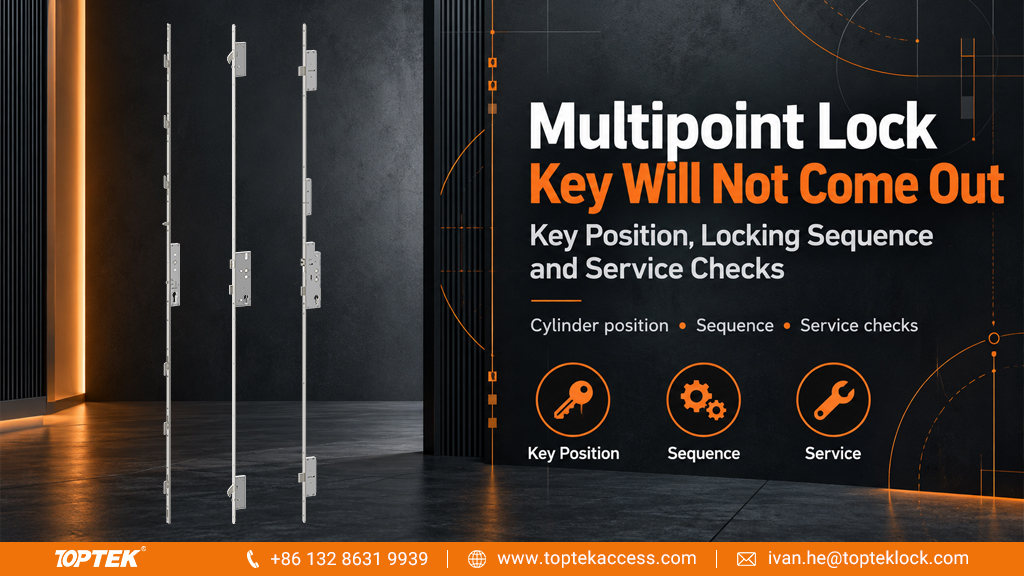

TL;DR: describe the key problem before replacing the lock
- Separate a key that cannot turn from one that turns but cannot be withdrawn.
- Identify the cylinder and the multipoint lock’s operating sequence; the strip model alone is not enough.
- Record whether the symptom occurs with the door open, closed, locked or unlocked, using only checks permitted for that mechanism.
- Request qualified service when the key remains trapped, operation is abnormal or the door cannot be secured or released reliably.
Quick answer: why will a multipoint lock key not come out?
If a multipoint lock key will not come out, first confirm the cylinder’s normal key-removal position and whether the documented locking or unlocking sequence has finished. Incomplete mechanism travel, door loading, a cylinder problem or key damage are possible investigation paths, not a diagnosis from the symptom alone. Do not force the key or assume the whole multipoint strip needs replacement. Record the exact cylinder, lock model, key position and door condition, then ask a qualified technician to check the assembly and determine the appropriate service scope.
For door manufacturers and distributors, the most useful outcome is a precise service record that identifies the affected interface. A report saying only “key stuck” can send the investigation towards the wrong component and produce an unnecessary replacement order.
Distinguish key insertion, rotation and withdrawal
Start by describing what the key can actually do. Does it enter fully? Can it rotate through the normal sequence? Does it return towards its usual removal position? Is it physically trapped even after the expected operation is complete? Each observation belongs in a separate field rather than being combined under “lock failure.”
A key-removal problem is also different from a door that remains locked after the key has turned. The latter concerns release of the locking points; the former concerns withdrawal from the cylinder. The two symptoms can occur together, but recording them separately helps the technician decide what to examine.
| Observed symptom | Useful information | Investigation direction |
|---|---|---|
| Key does not enter fully | Key reference, visible damage and the last normal use | Key and cylinder entry condition |
| Key enters but rotation stops early | Position of the stop and lock operating sequence | Cylinder-to-lock operation and possible loading |
| Key turns but will not return to removal position | Door state and completion of the locking sequence | Incomplete travel, interface condition or cylinder fault |
| Key reaches its usual position but will not withdraw | Whether the symptom is new and whether the key is visibly damaged | Cylinder and key inspection by qualified service |
| Key withdraws normally but door stays locked | Handle and locking-point behaviour | A separate release problem requiring its own record |
Identify the operating sequence before testing
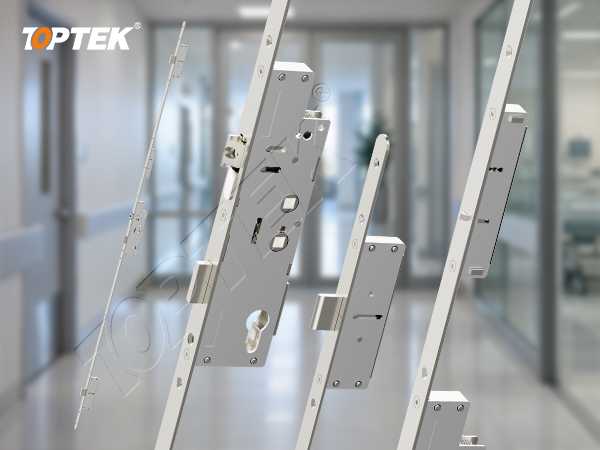
Multipoint systems can be handle-operated, key-operated or automatic. The cylinder’s role therefore differs between assemblies. On one platform the handle may move the locking points before the key completes a locking step; on another the key drives the locking mechanism; an automatic platform can engage points as the door closes.
Use the actual model instructions to establish the expected sequence. Do not apply the sequence from a neighbouring door simply because both have a long faceplate. Equally, do not assume that a vertical or horizontal key orientation is the universal withdrawal position. Confirm it from the cylinder documentation or the established normal behaviour of that exact configuration.
The multipoint cylinder and handle compatibility guide helps organise the interfaces to record. Include the cylinder type and function as well as the lock reference, handle arrangement and any recent component substitution.
If a special cylinder function intentionally limits key withdrawal, obtain its documented function description. A newly trapped key in a previously normal assembly should not be dismissed as intentional retention without that evidence.
Compare door conditions without forcing the mechanism
A qualified installer may compare open-door and closed-door operation when the manufacturer’s instructions permit it. If the key behaves normally during the permitted open-door check but becomes trapped during closed-door operation, record the difference. The result can direct attention towards incomplete engagement, door alignment or loading at the receiving keeps.
If the problem occurs in both conditions, the investigation should also consider the key, cylinder and their interface with the central case. This comparison narrows the investigation; it does not prove a failed gearbox or rule out installation problems.
Automatic mechanisms need particular care because their triggers and locking points may not be intended for arbitrary manipulation with the door open. Do not simulate closure by pushing parts with a tool unless the exact instructions provide that procedure. Avoid closing a door against projected locking points.
Record recent hinge work, seal replacement, handle changes and cylinder replacement. A symptom that begins after a change gives the technician a useful sequence of events. Keep the original component references available instead of assuming that the last fitted part must be defective.
Check the cylinder and key as their own assembly
The multipoint strip and the cylinder may come from different manufacturers. Record both names and references where available. Include whether the cylinder is key-operated on both sides or uses a thumbturn on one side, and note any special emergency or coupling function shown in its documentation.
Inspect the visible key for bending or damage without using it as a lever. Do not pull on a trapped key with pliers or add leverage to complete an uncertain operation. A broken key can complicate an otherwise limited service issue and leave the opening unavailable.
Lubrication is not a universal cure. The Winkhaus troubleshooting FAQ identifies incomplete lock engagement and cylinder dryness as possible reasons for a key not coming out. That manufacturer example supports checking more than one cause. Select any cleaning or lubrication treatment from the instructions for the actual cylinder and lock; do not transfer another brand’s product recommendation automatically.
If one key is still trapped, do not insert another key from the opposite side merely to experiment. The effect depends on the cylinder’s coupling function. A technician should determine the permitted checks from the specific assembly information.
Decide whether the service scope concerns the cylinder or lock
A service decision should follow the inspection results. The possible scope may involve a damaged key, cylinder servicing or replacement, correction of an installation interface, door alignment work, or replacement of a lock component where the supplier supports it. A trapped key alone does not choose among those options.
Ask the technician to identify what was observed, what was changed and which functional checks passed afterwards. If a cylinder is replaced, maintain the required key-control arrangement and confirm the replacement’s compatibility with the lock. A physically similar cylinder can differ in cam, coupling or other functional details.
Where a complete multipoint assembly is proposed, compare it with the original door preparation, locking-point positions and operating function. Do not lose an essential feature merely to obtain a part that fits the central recess. Retain the old identification details with the service record for future enquiries.
Prevent repeat complaints during sample approval and handover
Include key insertion, normal rotation and withdrawal in the sample operating checklist. Test the documented locked and unlocked states using the agreed cylinder and handle combination. Record the final component references, rather than approving the strip in isolation and changing the cylinder later.
For a production batch, maintain a controlled assembly list. If a supplier proposes an alternative cylinder or trim, repeat the relevant interface checks before accepting the substitution. Packaging and identification should keep cylinders, keys and opening references associated without exposing sensitive key-control information publicly.
Handover instructions should describe the actual operating sequence in plain language. Explain the difference between closing the door, engaging the locking points and completing any additional locking step. Show the normal key-removal position for that configuration. Do not rely on a generic instruction copied from a different door system.
Why TOPTEK: review the full multipoint configuration
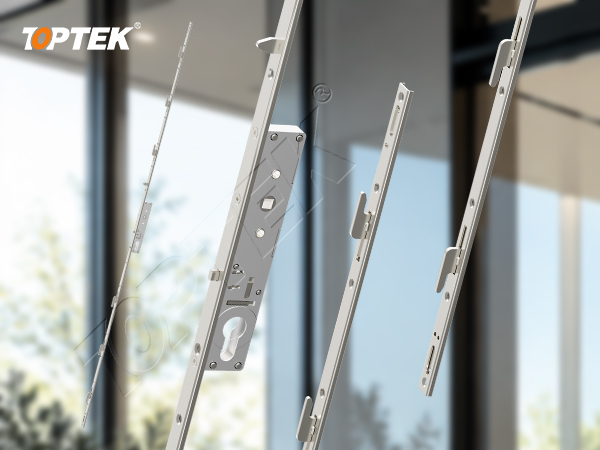
The TOPTEK multipoint locking systems range provides a starting point for a configuration enquiry. Include the door profile, cylinder and handle details so the discussion covers the complete operating assembly. The Auto Lock product page is relevant when an automatic platform is being considered; it should not be used as the operating instruction for a different system.
For commercial door hardware procurement, connect the purchase specification to a checked sample and a documented operating sequence. Review TOPTEK quality-management information and request the records applicable to the proposed model. Confirm specific performance and certification scope from the actual documents before specification.
RFQ and service checklist
- Identify the door, multipoint lock, cylinder, handle and any recently changed parts.
- Describe insertion, rotation and withdrawal separately, including the exact point where normal operation stops.
- Record the permitted open-door and closed-door observations, if available.
- Provide photographs of the lock identification and cylinder arrangement; share sensitive key details only through the authorised service channel.
- State whether the request is for investigation, a replacement cylinder, a complete assembly or production supply.
- Include quantities, market, door preparation and required key-control or documentation requirements.
Request a configuration review first when the affected component remains uncertain. Once the service scope or new assembly is defined, request a formal quotation with the exact references, sample checks and handover documents. This keeps a troubleshooting enquiry from becoming an unsupported order for the wrong part.
Frequently asked questions
Does a trapped key mean the multipoint gearbox has failed?
No. A trapped key can involve the cylinder, key, incomplete operating travel or loading in the installed assembly. The symptom needs investigation before choosing a replacement scope.
Should the key always be vertical before removal?
No universal position should be assumed. Use the withdrawal position specified for the exact cylinder and operating configuration.
Can I pull the key out with pliers?
Do not use pliers or extra leverage to force withdrawal. Arrange qualified service if normal documented operation does not release the key.
Is lubricant the first answer to every trapped key?
No. Establish the cause and follow the actual cylinder and lock maintenance instructions. Lubrication will not correct every alignment, engagement or component problem.
What information makes a service enquiry more useful?
Provide the lock and cylinder references, key position, operating sequence, door condition and recent changes. Separate key rotation, key withdrawal and door release in the description.
Conclusion: preserve the evidence and define the repair
When a multipoint lock key will not come out, a precise description is more useful than extra force. Identify the cylinder, confirm the normal sequence and record the conditions under which the symptom occurs. Qualified inspection can then establish whether the remedy concerns the key, cylinder, installation or locking assembly, while preserving the required function and key-control arrangement.