

CE Escape vs Anti-Thrust Escape Mortise Lock: Function and Project Selection
TL;DR
Both escape and anti-thrust escape configurations must be selected from the required inside egress sequence, outside access method and complete doorset. TOPTEK identifies EN72EL escape and EN72ESL anti-thrust escape references. The anti-thrust designation introduces an additional latch-interaction question that must be confirmed on the current drawing and sample.
Start with the EN 12209 / CE Mortise Lock product hub, then use this narrower guide to define the required function and approval evidence.
Quick Answer
Do not choose only from EL or ESL suffixes. Define whether the inside lever must retract the latch and, where applicable, the deadbolt in one action; define outside access; then confirm the latch/deadlatch arrangement, trim, cylinder, door preparation and applicable evidence.
Begin with the egress sequence
TOPTEK’s supplied escape-function description states that the inside lever can retract the latchbolt and, where applicable, the deadbolt in one action. Outside access remains controlled by key or authorisation. This operating sequence is the first specification input.
The responsible project team must determine the applicable escape, fire, accessibility and building requirements. This article supports purchasing questions; it does not classify a doorset, interpret legislation or approve an installation.
What EN72EL represents
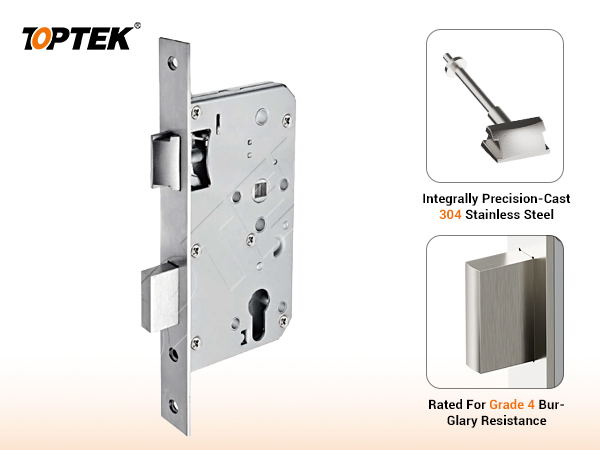
EN72EL is the TOPTEK reference for an escape mortise lock configuration. It should be discussed with the intended outside trim, cylinder, inside lever and door details. The EL suffix alone does not describe every component supplied.
Ask the drawing to show the latch, deadbolt where present, followers, cylinder centre and forend. Ask the sample record to state exactly what one inside operation retracts. Do not transfer behaviour from another centre distance or model without confirmation.
What EN72ESL adds to the enquiry
EN72ESL is the TOPTEK anti-thrust escape reference. The anti-thrust designation means the buyer must pay particular attention to the latch/deadlatch interaction and strike relationship in addition to the escape operation.
Do not reduce anti-thrust to a marketing adjective. Request the current configuration drawing, intended strike and operating explanation. Confirm which feature is included and what evidence applies to the exact model.
Compare outside access
An escape opening can still require controlled entry from outside. Define whether the external side uses a lever, fixed trim, key cylinder or access-control interface. The inside egress operation must not be compromised by that outside selection.
If electronic access is involved, coordinate the lock with the responsible access-control and life-safety design. Do not assume that an electrical release instruction applies to a purely mechanical case or that CE wording approves arbitrary system integration.
| Question | Escape EL | Anti-thrust escape ESL |
|---|---|---|
| Inside operation | Confirm one-action retraction | Confirm one-action retraction |
| Outside access | Define key/authorisation and trim | Define key/authorisation and trim |
| Latch interaction | Confirm latch/bolt sequence | Add anti-thrust/deadlatch review |
| Strike | Model-specific alignment | Model-specific alignment and interaction |
| Approval | Complete sample and evidence | Complete sample and evidence |
Coordinate strike and door preparation
Escape performance depends on a complete mechanical path. The case must sit correctly, the latch and deadbolt must align with the strike, and trim and spindle interfaces must allow intended operation. Review the European commercial-door hardware guide for broader set coordination.
Do not file a strike or disable a deadlatch to make a mismatched sample operate. Any modification must follow the approved instructions and doorset responsibilities. Record door and frame details in the RFQ.
Buyer checklist before model selection
- Write the required inside egress sequence.
- Define outside access and trim.
- Identify latch, deadbolt and anti-thrust/deadlatch questions.
- Confirm cylinder, spindle, follower and centre distance.
- Provide door, frame and strike preparation.
- List applicable evidence and doorset responsibilities.
- Approve an identified complete sample.
Common mistakes and project risks
A common mistake is selecting EL or ESL from a short catalogue line without the operating sequence. Another is treating the case certificate or product label as proof of the complete installed opening.
A function mismatch may affect outside access, inside escape, strike preparation or component coordination. Stop informal alteration when safe operation is uncertain and involve the qualified project team. Preserve photographs and the original condition for technical review.
TOPTEK evidence and product scope
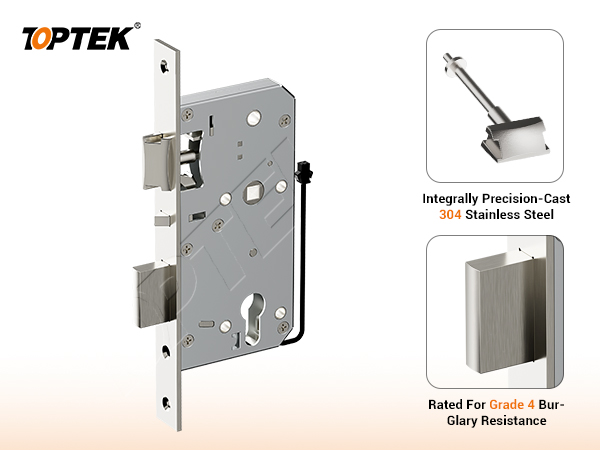
TOPTEK’s EN material identifies escape and anti-thrust escape functions in the 72/85 family. Current supplied function text supports controlled outside access and one-action inside egress for the escape configuration.
Use the TOPTEK resources page to request model-specific drawings and applicable evidence. This draft does not repeat unverified cycle, load, fire or classification figures from promotional images.
Product references and sample approval
Use the EN72EL product reference for the escape discussion and the EN72ESL product reference for anti-thrust escape. Verify that the live page, drawing and quotation refer to the same configuration.
The sample should demonstrate outside access, locked condition, inside lever operation, latch and deadbolt retraction where applicable, door closure and strike engagement. Label every component and drawing revision.
RFQ checklist
- Opening schedule and intended egress route
- EL or ESL enquiry with plain-language sequence
- Outside trim, cylinder and access method
- Backset, centre distance, forend and strike
- Door/frame construction and preparation
- Applicable certificate, report and declaration scope
- Sample quantity and acceptance sequence
- Revision control and production identification
Why TOPTEK: review function and evidence together
TOPTEK can compare the requested inside operation with the proposed model, flag missing interfaces and prepare a configuration-specific question list.
A controlled response distinguishes product-family information, model evidence and complete doorset approval. That boundary helps buyers avoid overstating what a lockcase document proves.
Two-level CTA
For a first review, send the opening schedule, door edge drawing and a short description of inside and outside operation.
For a formal RFQ, submit the model request, complete component list, evidence requirements and sample protocol through the TOPTEK contact page. Ask for a current configuration drawing before approval.
Conclusion
Escape and anti-thrust escape locks should be chosen from the operating sequence and complete opening, not a suffix alone.
Define inside egress, outside access and latch interaction. Match the trim, cylinder, strike and door preparation, then approve the identified sample and evidence scope before production. The final handover should include the approved operating sequence, current drawing, component references and maintenance information appropriate to the project. Site teams should be able to identify the installed model without dismantling or guessing from the trim. If the door, frame, access-control method or outside furniture changes, reopen the interface and evidence review before accepting the change. A successful bench demonstration is useful, but it does not replace installation checks or the responsible team’s approval of the complete opening. Record any discrepancy while the original sample and documents remain available. This makes the technical enquiry more precise and protects both supplier and buyer from unsupported assumptions about the anti-thrust designation, one-action operation or evidence scope. Include unresolved questions in the quotation rather than hiding them in notes. Before shipment, compare production identification with the approved model and ensure the document package names the same version. At handover, provide the responsible party with the agreed operating description so that later maintenance or replacement does not introduce a different function.
Frequently asked questions
What is the difference between an escape and anti-thrust escape mortise lock?
Both require a defined escape operation. The anti-thrust configuration adds a specific latch/deadlatch interaction that must be confirmed from the current model drawing and sample.
Does an escape lock allow controlled entry from outside?
It can. Define the outside key, trim or authorisation method while preserving the required inside egress operation.
Does CE marking approve the complete installed door?
No. Confirm the exact product evidence and the responsibilities for the complete doorset and installation.
Can installers modify the strike to make the lock operate?
Do not make unauthorised alterations. Follow approved drawings and instructions and involve the responsible project team.
What should the RFQ include?
Include the operating sequence, model, trim, cylinder, strike, preparation, evidence requirements and sample acceptance process.