
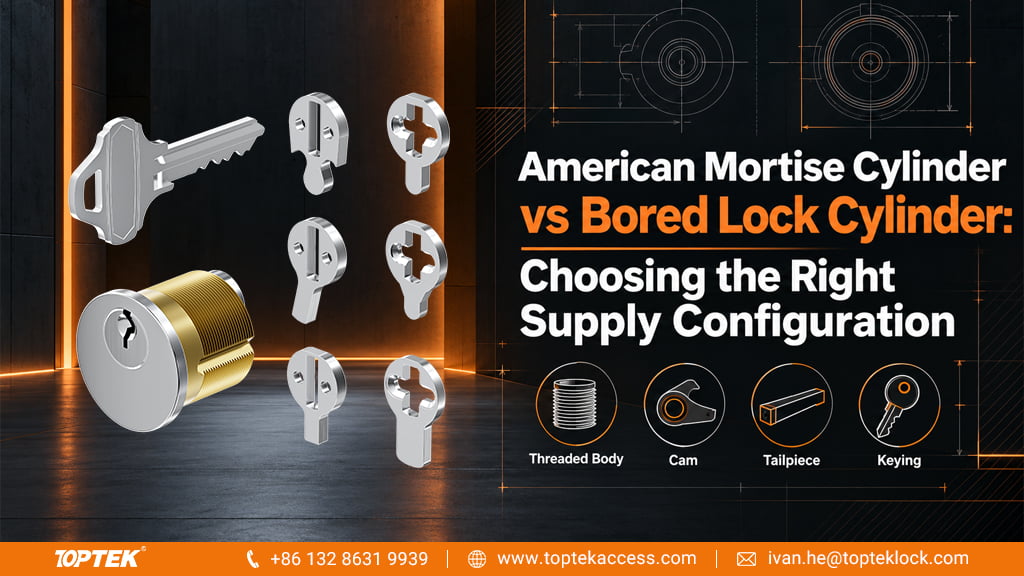

The main difference between an American mortise cylinder and a bored lock cylinder is the connection to the lock. A conventional American mortise cylinder uses a threaded body and a cam. A bored-lock cylinder fits the specified lock chassis and normally operates it through a tailpiece. TOPTEK supplies both formats, so buyers can select the interface first and then coordinate dimensions, keying and supply arrangements.
TL;DR
- Choose from the cylinder interface drawing, not the shape of the key face.
- Specify a cam for the mortise format and the correct tailpiece for the bored-lock format.
- Compare the complete configuration, including body retention and installed depth.
- Plan shared key management separately from physical fit.
Quick Answer
For an American mortise cylinder vs bored lock cylinder order, identify exactly what the lock or trim accepts. Choose TOPTEK AMMC01 when its threaded mortise-cylinder interface and selected cam match the hardware. Choose AMBLC01 when its body, retention and tailpiece match the specified bored-lock assembly. The two formats are not direct substitutes. Even a shared keyway does not make their bodies interchangeable, and the name of the overall lockset alone may not describe the cylinder inside its trim.
Compare the connections before comparing prices
The useful comparison starts behind the cylinder face. Ask for side and rear views of an existing part, the lock reference and a dimensioned interface drawing. A front photograph cannot establish either cam geometry or tailpiece engagement.
| Selection item | American mortise cylinder | Bored-lock cylinder |
|---|---|---|
| Body attachment | Threaded into compatible hardware | Retained in the specified chassis or trim |
| Operating part | Selected cam | Matching tailpiece or actuator |
| Critical length check | Body length and final trim position | Body fit and tailpiece engagement |
| TOPTEK reference | AMMC01 | AMBLC01 |
| Sample decision | Cam operates the correct function without binding | Retention and tailpiece work in the actual assembly |
Some mortise locksets use cylinders located in their lever trim. That is why an order saying only “cylinder for a mortise lock” is incomplete. Describe the physical cylinder interface as well as the lock function.
AMMC01 for threaded mortise-cylinder applications
The TOPTEK AMMC01 mortise cylinder provides a brass, six-pin, rekeyable platform with different cam and body-length options. The published length range includes 1, 1⅛, 1¼, 1⅜, 1½, 1⅝ and 1¾ inches. Select the required length against the lock and finished trim arrangement rather than defaulting to the longest body.
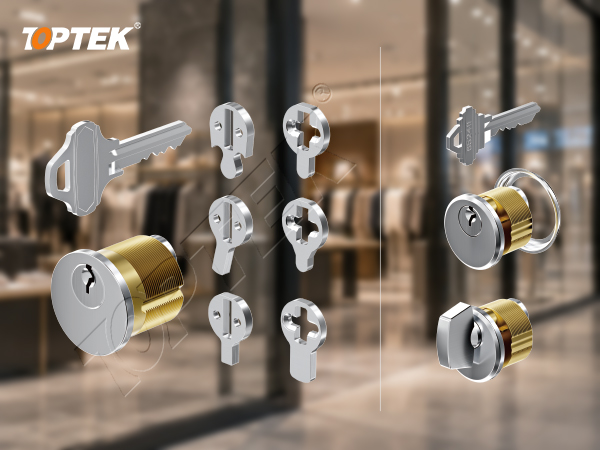
The cam needs the correct profile, projection and operating position for the lock. A part that screws into the housing may still fail to operate it correctly. Ask the quotation to identify the cam reference and the collar or trim relationship, then check key operation in the fitted sample.
For a distributor, this means stocking configurations that correspond to known lock interfaces. It also means keeping a change of cam or collar visible in the part description, rather than hiding it under one general cylinder code.
AMBLC01 for chassis and tailpiece matching
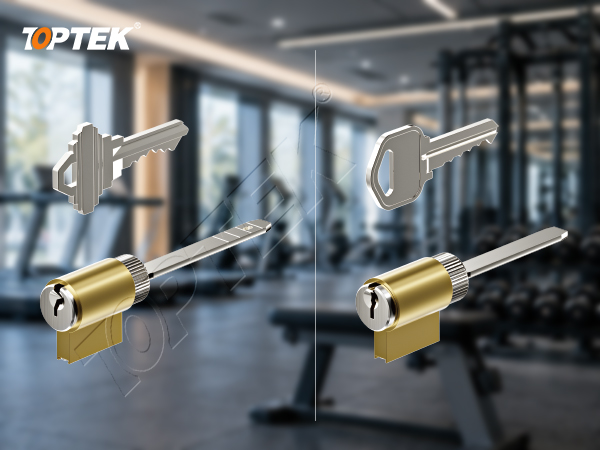
The TOPTEK AMBLC01 bored-lock cylinder range includes SC1 or KW1 keyway references and different tailpiece options. TOPTEK’s bored-cylinder range also allows different body and tail dimensions to be discussed for the target assembly. Specify the selected material and finish in the quotation; the range includes material options, not one universal construction.
Confirm the body diameter and retaining features, then the tailpiece’s shape, length, orientation and engagement. Check the parts in the actual lever, knob or chassis. A tailpiece that reaches the actuator but bottoms out when the furniture is tightened is not an approved fit.
For replacement work, keep a labelled original cylinder with its matching hardware. Measurements and photographs are useful, but a complete sample helps resolve concealed retention details that are easily missed in an isolated front view.
Coordinate key management without mixing up fit
TOPTEK supports master key systems with up to five levels of keying hierarchy. This allows project teams to plan different access responsibilities across departments or buildings. Five levels describes the organisation of key permissions; it is not a security grade.
Within an agreed compatible system, a buyer can discuss keyed-different, keyed-alike or master-keyed supply. Confirm feasibility for the selected cylinder formats and keyway before fixing the key chart. SC1 and KW1 are alternative keyway references, not a promise that the same key fits both.
Door manufacturers and project contractors can choose factory-assembled cylinders against an approved key chart. Distributors with local locksmith capability can discuss components, key blanks and pins for local assembly. The construction cylinder range provides the starting point for this discussion. The benefit is a supply method suited to the customer’s installation and service organisation.
Approve a complete working sample
A loose cylinder that turns smoothly has not yet proved compatibility with the lock. Fit the proposed cylinder, actuator and trim together. Check retention, the intended locking and unlocking sequence, key removal in the specified positions and operation from each relevant side. Use the approved installation instructions; do not force a cam or shorten a tailpiece without a permitted procedure.
TOPTEK’s first article and production inspection process gives buyers a way to connect the accepted sample with the drawing and subsequent supply. Include branding and packaging in that agreement so replacement cylinders remain identifiable after installation.
Frequently asked questions
Can AMMC01 replace AMBLC01?
They represent different interfaces. Select the format accepted by the lock and confirm the complete configuration; they are not direct replacements for one another.
Does the same keyway mean two cylinders are interchangeable?
No. Keyway compatibility concerns the key profile. Body retention, length, cam or tailpiece and lock function still need to match.
What does a five-level master key system mean?
It means up to five levels of keying hierarchy for organising access permissions. It does not describe a security grade or universal compatibility with other cylinders.
Can a locksmith assemble the cylinders locally?
TOPTEK offers component supply for local locksmith assembly as well as factory-assembled systems. Agree the compatible components, key chart and assembly responsibilities before ordering.
Request an American cylinder quotation
Send the lock model, cylinder side and rear views, body dimensions, cam or tailpiece reference, door and trim details, keyway and quantity. Add the keying plan, supply method and branding for an OEM order. TOPTEK’s commercial lock manufacturing programme supports coordinated project enquiries.
Begin with a sample fit review, then request a formal cylinder supply quotation against the agreed configuration. Keeping the physical interface and access plan clear makes both the initial order and later additions easier to manage.