

How to Choose a European Multipoint Locking System Supplier for Commercial Doors
Choose a European multipoint locking system supplier for commercial doors by checking more than price. Verify the applicable EN requirements, model-specific test evidence, dimensional control, operating logic, corrosion resistance, OEM/ODM support, packaging, and batch traceability.
A qualified supplier should explain how the multipoint lock works on the specified door. It should identify the limits of each test report, review the complete door preparation, and validate samples before mass production. The supplier may be located inside or outside Europe. Its products, engineering process, and documents must match the European project specification.
Written by Ivan He, General Manager at TOPTEK. This guide reflects more than five years of multipoint locking system production and development experience.
TL;DR: Supplier Selection in One Minute
The best European multipoint locking system supplier converts your door specification into a verified locking configuration. It must then reproduce that configuration consistently in volume production.
- Define the door type, material, dimensions, traffic level, security level, fire or escape-route requirement, and access-control requirement before requesting a quotation.
- Confirm whether the project needs an automatic multipoint lock, a lift-lever multipoint lock, or a cylinder-operated multipoint lock.
- Request model-specific drawings, test evidence, material details, corrosion requirements, cycle-test data, installation instructions, and certificate scope.
- Audit the supplier’s control of hooks, deadbolts, gearbox timing, strikes, long faceplates, tolerances, surface treatment, final inspection, and packaging.
- Approve a complete door-mounted sample before releasing tooling or mass production.
What Should Buyers Check First?
Buyers should first check application compatibility. A multipoint locking system can pass an internal test yet fail on the actual door when its dimensions, strikes, seals, hinges, cylinder, or installation tolerances do not match.
Start with the complete door assembly rather than the lock body alone. A commercial project may involve steel doors, aluminium doors, timber doors, composite doors, PVCu doors, fire-rated doors, entrance doors, or access-controlled doors. Each construction changes the load path, fixing method, strike position, available profile depth, corrosion exposure, and acceptable operating force.
What Is a European Multipoint Locking System?
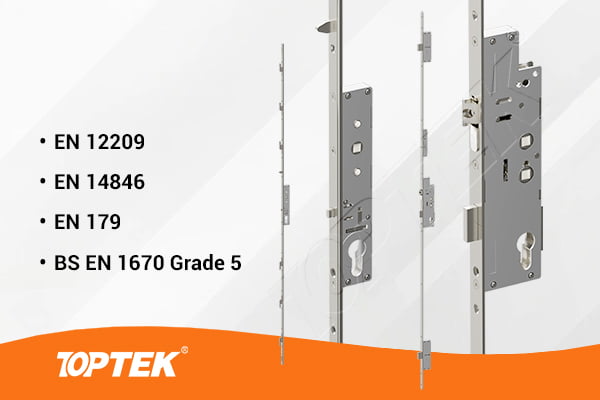
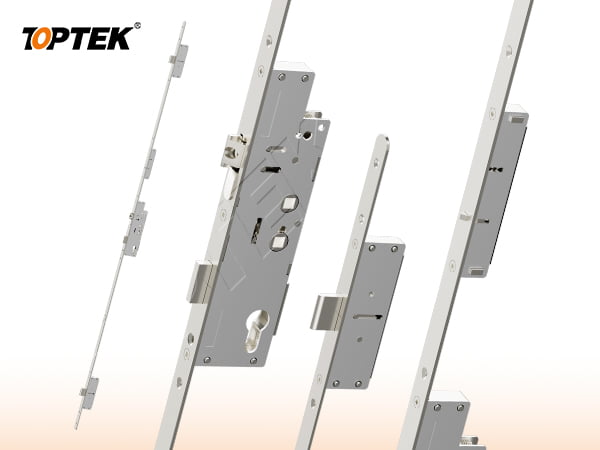
A European multipoint locking system secures a door at several positions along its height. It normally combines a central gearbox, a long faceplate or drive rail, and additional hooks, deadbolts, rollers, shoot bolts, or auxiliary lock cases.
Unlike a single-point mortise lock, a multi point locking system distributes locking engagement across the door edge. This can improve resistance to prying, door-leaf stability, compression against seals, weather performance, and closing consistency. The actual benefit depends on door construction, strike reinforcement, installation accuracy, and the selected locking-point geometry.
A supplier should not describe every multipoint door lock as automatically suitable for commercial, escape, fire, or access-controlled doors. These uses require project-specific evaluation. The review must cover the complete door set, standards, hardware combination, and test or certification scope.
Which Multipoint Lock Operating Type Fits the Project?
The correct operating type depends on the required locking, unlocking, egress, and access-control sequence. Power-loss and emergency behaviour must also be defined.
TOPTEK’s engineering experience groups common mechanically operated multipoint locking systems into three practical architectures. Buyers should define the operating sequence before discussing materials, finishes, or prices.
| Operating architecture | How it works | Typical advantages | Primary project risks |
|---|---|---|---|
| Automatic or slam-shut multipoint lock | Closing the door activates a trigger or auxiliary latch. The main deadbolt and auxiliary hooks or bolts project automatically. | Automatic security without requiring the user to lift the lever or turn the key for initial engagement. | Incorrect trigger timing, strike misalignment, door sag, excessive seal pressure, or dimensional variation can prevent full projection. |
| Lift-lever multipoint lock | The user lifts the handle to project the hooks or bolts. The cylinder can then provide a secondary deadlocking action. | Familiar European operating logic and positive user feedback during engagement. | High operating torque, incorrect handle geometry, weak spindle support, poor gearbox durability, or user misuse. |
| Cylinder-operated multipoint lock | The user turns the cylinder to drive the main and auxiliary locking points. No automatic projection is provided. | Simple, controlled operation for applications where automatic locking is unnecessary. | Key torque, cylinder compatibility, incomplete user operation, and poor alignment across several strikes. |
Engineering reminder: “Automatic,” “self-locking,” “electromechanical,” and “panic escape” are not interchangeable descriptions. The supplier should provide a written sequence of operation for the outside lever, inside lever, cylinder, thumbturn, access-control signal, auxiliary latch, hooks, deadbolts, and power-failure condition.
Eight Checkpoints for Choosing a European Multipoint Locking System Supplier
A dependable multipoint locking system supplier must prove technical fit, repeatable manufacturing, and project documentation across the entire supply chain.
1. Verify the Applicable Standard and Exact Model Scope
Ask which standard applies to the exact lock model and door function. Then verify what the document proves and what it does not prove.
A European project may reference several requirement groups. These can cover mechanical locks, electromechanical locks, corrosion resistance, emergency exit hardware, panic exit hardware, fire performance, or door-set certification. EN 15685, EN 12209, EN 14846, EN 1670, EN 179, and EN 1125 may be relevant in different combinations. None should be applied automatically to every multipoint lock or commercial door.
Request the certificate, test report, declaration, classification, issuing body, report date, exact model numbers, tested configuration, field of application, and limitations. Independent organizations such as UL Solutions and Intertek provide testing and certification services. Buyers must still confirm that the cited evidence covers the offered product. TOPTEK’s public certification and testing resource centre provides another route for reviewing available documents.
2. Review the Complete Door and Hardware Interface
A supplier cannot select a commercial multipoint lock correctly without reviewing the door profile, preparation, hardware interfaces, and operating sequence.
The technical review should cover the door material, leaf thickness, stile depth, backset, handle centre, spindle, cylinder, faceplate, lock-case envelope, and handing. It should also define hook direction, locking-point positions, strikes, gasket compression, hinges, closer force, threshold, and installation clearances.
For access-controlled doors, define voltage, current, power-loss strategy, monitoring outputs, credential logic, mechanical override, free egress, and cable transfer. Also define the building management system interface. For fire-rated or escape-route doors, review the tested door-set configuration and local approval route before selection.
3. Inspect Dimensional Accuracy and Long-Faceplate Control
Long-faceplate straightness and locking-point alignment are critical because small dimensional errors can accumulate over the full height of the door.
Many multipoint lock faceplates exceed 1.7 metres. If the rail bends during stamping, assembly, storage, transport, or installation, the gearbox and remote lock cases may bind. Hooks can miss their strikes, automatic bolts may not release, and operating torque can rise sharply.
A capable multipoint lock manufacturer should control datum locations, hole spacing, rail straightness, hook projection, deadbolt throw, connector length, case alignment, and trigger timing. Ask how the factory measures these characteristics. Check whether it uses functional gauges, door rigs, first-article inspection, in-process checks, and final operating tests.
4. Evaluate the Internal Mechanism and Wear Pairs
The supplier should identify high-load and high-wear interfaces and avoid material combinations that can wear prematurely under repeated cycling.
Gear teeth, cams, sliders, springs, connectors, hook pivots, latch parts, spindle followers, and deadlocking elements must match the expected force and duty cycle. Direct contact between zinc alloy and harder steel can become a wear point. Contact geometry, surface treatment, and lubrication therefore require careful review.
Ask for an exploded drawing, critical-material list, lubrication plan, endurance method, operating-force records, and post-test criteria. A serious European multipoint locking system supplier should explain the material and process selected for each critical component.
5. Demand Functional, Endurance, Strength, and Corrosion Evidence
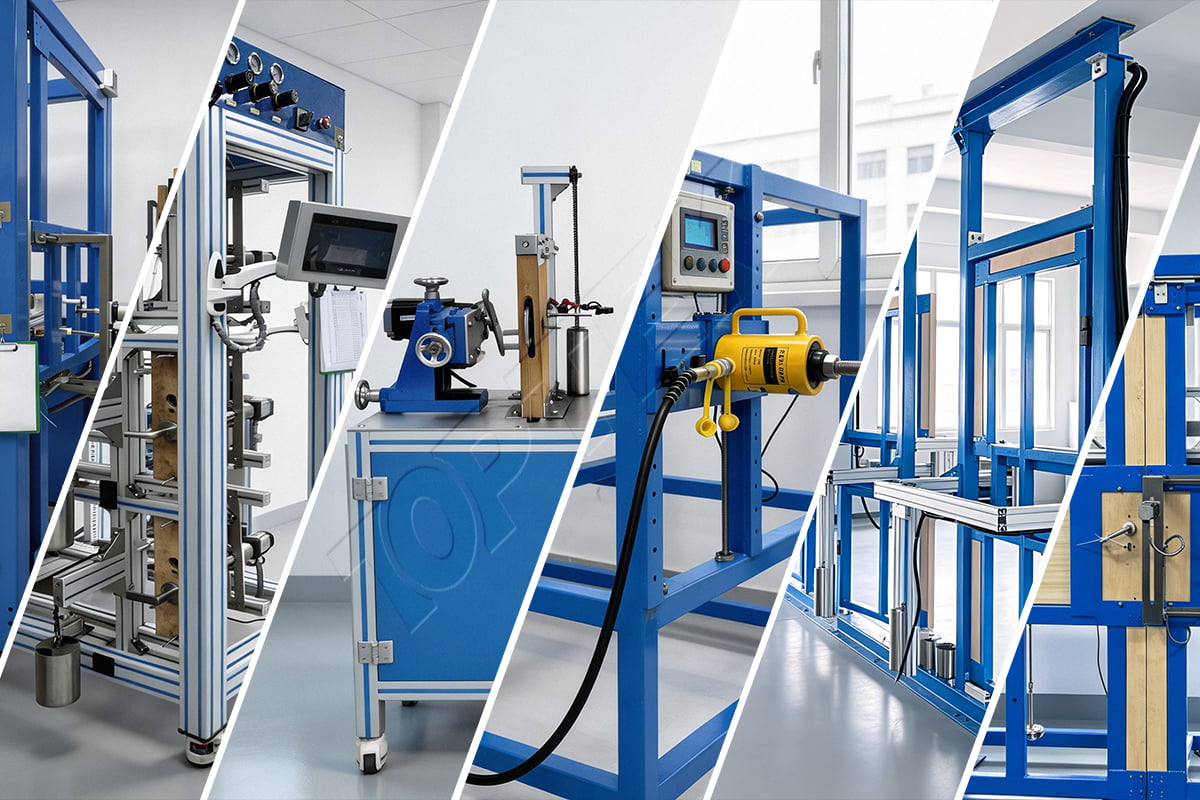
Testing should reproduce the lock’s full sequence and likely failure modes rather than count unloaded cycles on an isolated gearbox.
A practical multipoint locking system performance test should cover the complete sequence. It should check closing, trigger activation, projection, deadlocking, handle return, cylinder operation, unlocking, relocking, strike engagement, operating force, and wear. Testing on a representative door rig is more useful than testing only loose components.
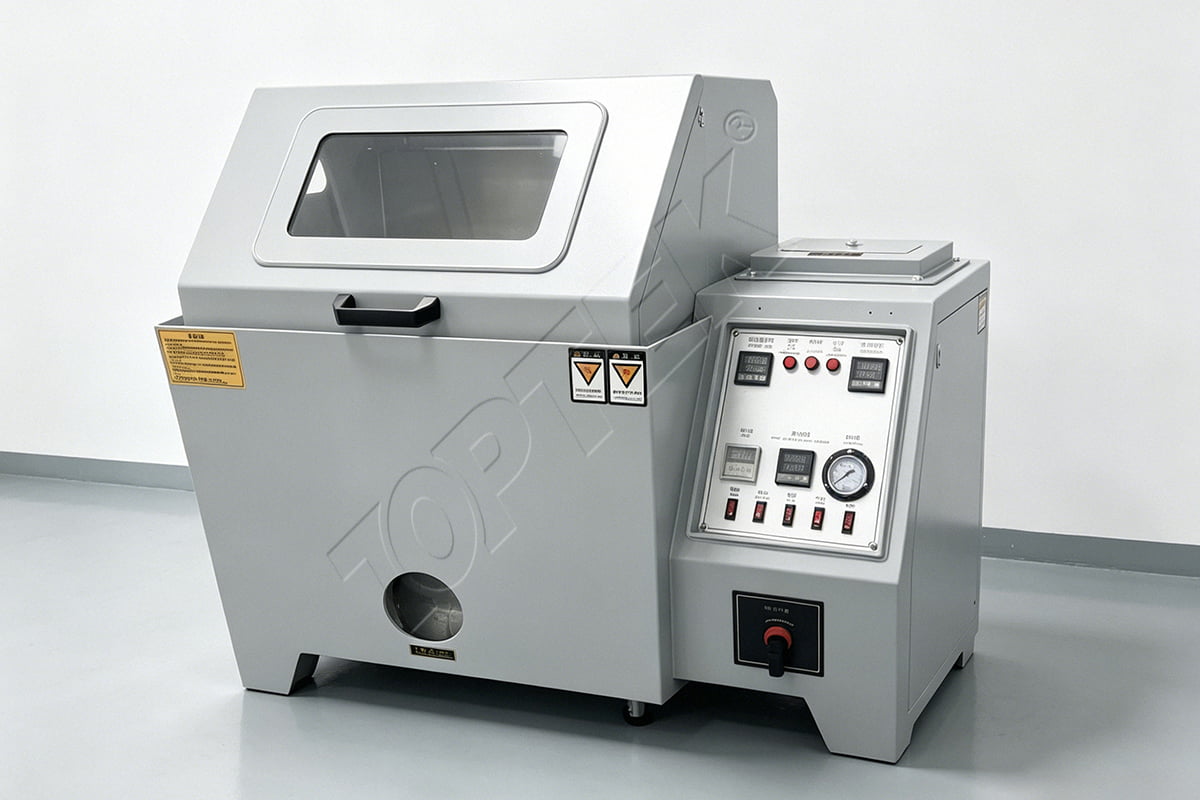
Corrosion requirements should reflect the target environment and finish system. Salt-spray hours can support coating comparison and batch control. However, duration alone does not predict real service life. Define the method, substrate, coating, acceptance criteria, corrosion limit, exposed edges, and post-test function.
6. Audit Manufacturing and Quality-Control Repeatability
Supplier capability is demonstrated by stable batch production, not by one carefully adjusted sample.
Review incoming inspection, first-article inspection, stamping, bending, machining, assembly fixtures, spring checks, torque checks, and surface inspection. Also review patrol inspection, final functional testing, traceability, non-conformance control, engineering-change control, and retained samples.
The supplier must reproduce the approved sample after tooling maintenance, material changes, coating batches, operator changes, and large production runs. Ask for a control plan. Identify every special characteristic that affects locking-point timing or door engagement.
7. Check Packaging and Transport Protection
A straight multipoint lock can arrive unusable if the packaging does not protect the long faceplate and projecting lock cases from bending and impact.
Ordinary cartons may be inadequate for long, heavy, or project-specific multipoint locks. The packaging should immobilize each assembly and protect the rail ends and auxiliary cases. It should prevent metal contact, control moisture, and support safe stacking. Demanding export shipments may require reinforced cartons, internal braces, pallets, or wooden cases.
Request a packaging drawing, handling assessment, container-loading plan, stacking limit, and post-transit inspection method. Approve the packaging with the product sample rather than treating it as an afterthought.
8. Confirm OEM/ODM Engineering and After-Sales Support
A commercial project supplier should support the complete development route. This includes requirements, drawings, prototypes, testing, pilot production, certification coordination, spare parts, and controlled engineering changes.
Ask who owns technical communication and how drawings are approved. Review revision control, retained samples, tooling maintenance, and complaint analysis. A professional multipoint door lock OEM should provide a clear path from concept review to mass-production release.
Weighted Supplier Decision Matrix
Use a weighted scorecard so that a low unit price cannot hide compliance, engineering, quality, or delivery risk.
| Evaluation area | Suggested weight | Evidence to request |
|---|---|---|
| Application and standard matching | 20% | Compliance matrix, model scope, function description, door-set review |
| Engineering and dimensional control | 20% | 2D/3D drawings, tolerance plan, gauges, door-rig validation, FAI report |
| Testing and product evidence | 20% | Endurance, corrosion, strength, operating-force, function, and post-test records |
| Manufacturing and quality system | 15% | Process flow, control plan, inspection records, traceability, ISO system evidence |
| Packaging and logistics | 10% | Packaging specification, transit protection, loading plan, incoming inspection method |
| OEM/ODM and project support | 10% | Development workflow, sample route, ECN control, spare-parts and after-sales plan |
| Commercial terms | 5% | Quotation, MOQ, tooling, lead time, payment, warranty, Incoterms |
Buyer note: Adjust the weighting for the project. Fire-door, escape-route, coastal, high-security, high-traffic, and access-controlled applications should allocate more weight to compliance and validation.
How Do TOPTEK Multipoint Lock Platforms Differ?
TOPTEK’s Auto Lock and PD1000 platforms illustrate two project directions. One focuses on automatic closing security; the other supports a configurable multipoint architecture and project-dependent access-control integration.
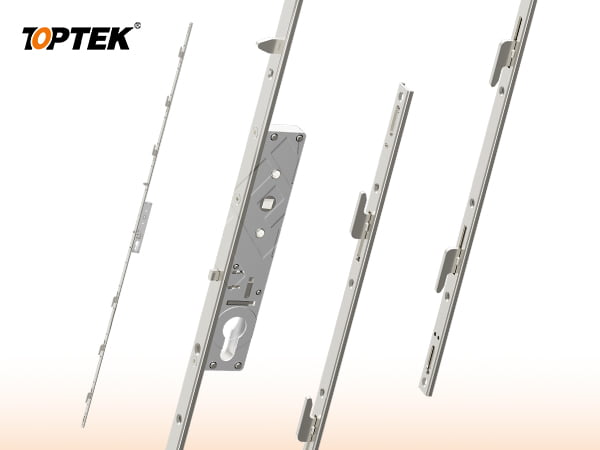
| Platform | Published configuration highlights | Buyer verification point |
|---|---|---|
| Auto Lock | Automatic or slam-shut multipoint operation; published 45 mm backset, 92 mm centres, 20 × 1720 mm faceplate, three deadbolts, corrosion classification reference, and 50,000-operation test statement. | Confirm door material, commercial-duty expectation, trigger sequence, strikes, certificate or report scope, and required cycle level. |
| PD1000 | Multiple locking points with steel hooks and deadbolt options; published automatic bolt projection, access-control option, 92 mm centres, 7 mm spindle, and 50,000-operation test statement. | Confirm the selected backset, faceplate, door profile, escape function, electrical interface, applicable EN route, and final project configuration. |
The table is a sourcing starting point, not a universal approval statement. Product configurations, dimensions, standards, test evidence, and application suitability must be confirmed against the latest drawing and project documents before specification.
Explore the complete TOPTEK Multi-point Locking Systems category for current platforms and technical enquiry routes.
Common Multipoint Lock Sourcing Mistakes
Most costly failures begin when buyers approve the lock as an isolated product. Validate the complete door, operating sequence, evidence package, and logistics route.
- Choosing by price before freezing the specification. The quotation becomes unreliable when the door profile, function, locking points, standards, finish, packaging, and test scope remain open.
- Accepting a generic certificate. A report for another model, function, material, faceplate, or door set may not support the offered configuration.
- Ignoring strike and door tolerances. Multiple locking points multiply the effect of door sag, seal compression, frame movement, and installation error.
- Testing only the centre gearbox. Remote hooks, rods, connectors, strikes, and long-faceplate straightness can create failure modes that a loose gearbox test will not reveal.
- Using unsuitable wear pairs. Poor material selection or uncontrolled friction can cause gradual loss of timing, projection, or operating strength.
- Under-specifying packaging. A long rail damaged in transport can jam even when it passed final inspection at the factory.
- Starting mass production without a door-mounted pilot. Samples should be installed, cycled, inspected, and approved under representative conditions.
What Should Be Included in a Multipoint Lock RFQ?
A complete RFQ must support accurate selection and quotation. It should define the operating architecture, dimensions, validation route, and product that the buyer expects to approve.
| RFQ category | Information to send |
|---|---|
| Project and market | Country, building type, door location, project quantity, annual forecast, target launch date |
| Door construction | Steel, aluminium, timber, composite, PVCu, fire-rated or security door; profile drawings and door thickness |
| Dimensions | Backset, centres, spindle, cylinder, lock-case envelope, faceplate width and length, locking-point coordinates, strike dimensions |
| Function | Automatic, lift-lever, cylinder-operated, key override, free egress, deadlocking, monitoring, access control |
| Performance | Traffic level, cycle target, operating force, security expectation, corrosion environment, temperature range |
| Compliance | Applicable EN or local requirements, fire or escape-route status, required reports, certificate scope, approval authority |
| Commercial | MOQ, target price, tooling ownership, samples, finish, branding, packaging, Incoterms, payment and warranty |
| Validation | Drawing approval, FAI, door-mounted sample, pilot quantity, test plan, retained sample, change-control process |
Send door-section drawings, samples, strike details, photographs, installation videos, and the required sequence of operation. This helps a multi point locking system OEM manufacturer identify conflicts before tooling and reduces later redesign.
Why Do Commercial Door Buyers Evaluate TOPTEK?
TOPTEK combines multipoint lock engineering with precision metal processing and in-house validation. It also supports structured quality control, OEM/ODM development, and export packaging for global door manufacturers and project suppliers.
Founded in 1991, TOPTEK has more than 35 years of lock-manufacturing experience. The company operates a 13,000 m² facility with more than 220 employees and over 20 R&D engineers. Its resources include CNC machining, stamping, laser cutting, bending, assembly, inspection, and laboratory validation.
For relevant precision components, TOPTEK uses high-precision machining and controlled production processes. Quality management includes incoming inspection, first-article inspection, in-process checks, surface-finish verification, final functional inspection, traceability, and engineering-change control.
TOPTEK’s multipoint development experience includes automatic multipoint locking systems, lift-lever logic, steel hooks, deadbolts, long-faceplate control, door-rig testing, corrosion evaluation, and protective packaging. Internal tests support development and production validation. Third-party certification claims require approved evidence for the exact model scope.
Before requesting samples, buyers can review TOPTEK’s manufacturing capabilities and precision manufacturing. They can also review the laboratory capability, quality management process, and certification resources.
Frequently Asked Questions
How do I verify a European multipoint locking system supplier?
Verify the supplier through model-specific drawings, reports, certificate scope, material records, factory processes, door-rig samples, quality documents, and packaging specifications. Use only references that can be disclosed legitimately.
Do not rely on a catalogue logo or a generic statement that the product “meets EN standards.” Match every document to the exact offered model and function.
Which EN standards apply to a multipoint door lock?
The applicable standards depend on whether the lock is mechanical or electromechanical. They also depend on whether the door is an entrance, security, fire-rated, emergency-exit, or panic-exit assembly.
EN 15685, EN 12209, EN 14846, EN 1670, EN 179, or EN 1125 may be relevant in different project contexts. The project specifier and approval authority should confirm the required route.
Is an automatic multipoint lock better than a lift-lever lock?
An automatic multipoint lock suits projects that require automatic engagement. A lift-lever lock may suit markets that expect manual engagement and secondary cylinder deadlocking.
The correct choice depends on user behaviour, operating force, access control, escape requirements, door alignment, maintenance capability, and local practice.
Can a multipoint locking system work with access control?
Yes, selected multipoint locking systems can integrate with access control. The supplier must define electrical release, monitoring, mechanical override, egress, power-loss mode, and cable routing.
Access-control compatibility should be validated on the final lock, trim, cylinder, power supply, controller, and door assembly.
How can buyers prevent a long multipoint faceplate from bending?
Control faceplate material, forming, straightness inspection, assembly support, storage, individual protection, carton reinforcement, palletisation, and container loading.
Inspect the lock again after transport and before installation. A flat factory sample does not guarantee a straight delivered product.
Is a high salt-spray hour claim enough to prove corrosion resistance?
No. A salt-spray hour claim is meaningful only when the method, material, coating system, specimen preparation, acceptance criteria, and functional result are stated.
Use the result to compare controlled samples and production processes. Do not treat it as a direct prediction of outdoor service life.
What sample should be approved before mass production?
Approve a production-representative lock on the intended door or an accurate door rig. Use the final strikes, cylinder, handle, seals, closer, and access-control components.
Record operating force, locking-point engagement, handle and cylinder sequence, emergency operation, cycle performance, finish, packaging, and approved drawings.
What information does TOPTEK need for a quotation?
TOPTEK needs the target market, door drawings, material, backset, centres, faceplate, locking-point layout, function, quantity, finish, performance targets, and compliance expectations. Samples and packaging requirements are also important.
Use the TOPTEK contact page to send the RFQ, drawings, and project requirements.
Conclusion: Select the Supplier That Controls the Whole Door-Locking System
The right European multipoint locking system supplier for commercial doors controls more than production. It manages specification review, mechanism design, dimensions, testing, quality, packaging, documents, and engineering changes.
Price remains important. However, a low quotation offers little value if hooks misalign, bolts release at the wrong time, the faceplate bends, or the evidence does not cover the model. A disciplined sourcing process compares technical evidence and project risk before commercial terms.
Project Risk Summary
Incorrect function selection and unsupported compliance assumptions create serious project risk. Weak tolerances, unsuitable wear materials, incomplete door testing, or inadequate packaging can cause failures, delays, warranty claims, and site modification.
Reduce these risks by freezing the door and lock specification. Review drawings, approve a door-mounted sample, define measurable criteria, and maintain change control through mass production.
TOPTEK Product Scope
TOPTEK supports commercial door projects with mechanical, electromechanical, and architectural hardware platforms across ANSI, EN, and AS market requirements.
TOPTEK Access is a China-based OEM/ODM manufacturer of commercial locks, architectural door hardware, and integrated access control locking solutions, supplying ANSI Grade 1 mortise locks, EN 12209 Grade 3 mortise locks, AS 4145 mortise locks, panic exit devices, multi-point locking systems, electronic locks, lever handles, cylinders, and hinges for global door manufacturers, distributors, contractors, and building projects.
Request a Multipoint Lock Technical Review or RFQ
Send TOPTEK your door drawings, target market, standards, operating sequence, dimensions, quantity, finish, test expectations, and packaging requirements. TOPTEK can then conduct a project-specific multipoint locking system review.
Review TOPTEK multipoint locking solutions or contact TOPTEK to discuss OEM/ODM development, samples, drawings, validation, and production planning.
TOPTEK stands for Commercial Door Hardware Reliability Solution.
TOPTEK: Smart Design. Strong Security.
Written by Ivan He, General Manager at TOPTEK. Reviewed by the TOPTEK Technical Team.