

Heavy Duty Mortise Lock Manufacturer: How to Choose an ANSI Grade 1 Lock Supplier for Commercial Door Projects
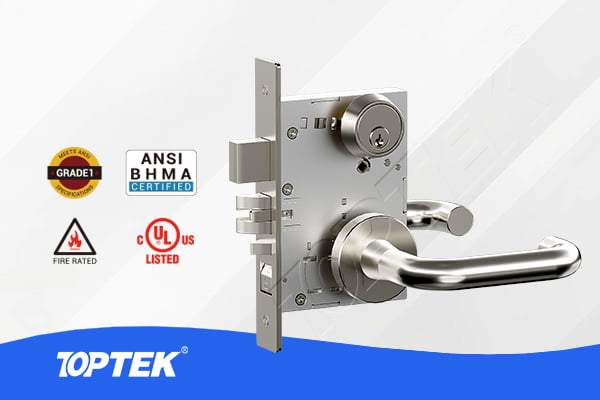
Looking for a heavy duty mortise lock manufacturer for commercial door projects? Buyers should not judge a mortise lock only by weight, appearance, or price; they should evaluate ANSI/BHMA A156.13 performance, Grade 1 durability, fire-rated door compatibility, latch and deadbolt strength, material structure, production consistency, and OEM/ODM project support.
For door manufacturers, distributors, contractors, and project hardware buyers, an ANSI Grade 1 mortise lock supplier must prove both engineering capability and mass-production reliability. A strong supplier should help buyers confirm lock function, trim style, cylinder system, door preparation, fire-door use, project RFQ details, and long-term after-sales risk before mass production begins.
TL;DR: Heavy Duty Mortise Lock Manufacturer Selection in One Minute
A heavy duty mortise lock manufacturer should be evaluated by ANSI Grade 1 performance, not only by product photos or low quotation. For commercial door projects, buyers should check ANSI/BHMA A156.13 requirements, UL 10C fire-rated application, lifecycle testing, latchbolt load resistance, stainless steel structure, master key cylinder compatibility, OEM/ODM support, and factory-level quality control.
Quick Answer: What Makes a Heavy Duty ANSI Grade 1 Mortise Lock Supplier Reliable?
A reliable heavy duty ANSI Grade 1 mortise lock supplier can support commercial doors with tested durability, strong latch and deadbolt structure, stable lever return, correct lock functions, fire-door compatibility, and repeatable production quality. Buyers should ask for product specifications, test evidence, certification route, installation drawings, sample validation, RFQ checklist, and clear OEM/ODM capability before placing a project order.
- Standard focus: ANSI/BHMA A156.13 for mortise locks and latches.
- Project focus: schools, hospitals, offices, apartments, hotels, public buildings, and high-traffic commercial doors.
- Risk focus: weak latch strength, handle sagging, poor closing force, wrong function, fire-door mismatch, cylinder incompatibility, and batch inconsistency.
- TOPTEK focus: OEM/ODM manufacturing, ANSI Grade 1 lock engineering, in-house testing, project cylinders, commercial trim options, and global door hardware supply.
Key Takeaways for Commercial Door Hardware Buyers
- Heavy duty means tested performance. A true heavy duty mortise lock should be evaluated through durability, operational force, latch strength, deadbolt performance, fire-door suitability, and installation stability.
- ANSI Grade 1 is the correct buying language for U.S. commercial projects. It gives buyers a more precise benchmark than generic terms such as strong lock, project lock, or commercial lock.
- Supplier selection is part of project risk control. The wrong ANSI Grade 1 mortise lock manufacturer can cause door preparation errors, difficult closing, lever sagging, latch jamming, fire-door inspection risk, and repeated service calls.
- OEM/ODM capability matters for distributors and door brands. Buyers need stable drawings, function options, trim options, cylinder compatibility, finish control, packaging control, and repeatable mass production.
- TOPTEK positions ANSI Grade 1 mortise locks as part of a complete commercial door hardware system. The system may include lock bodies, levers, cylinders, panic exit devices, electronic locks, hinges, and access control hardware.
What Is a Heavy Duty Mortise Lock for Commercial Door Projects?
A heavy duty mortise lock is a commercial-grade lock body designed for high-frequency use, stronger door impact, stable latch engagement, and long-term mechanical reliability. In real projects, “heavy duty” should be verified by standards, test data, material structure, installation performance, and supplier quality control rather than marketing language.
For ANSI commercial doors, the most relevant technical reference is ANSI/BHMA A156.13 for mortise locks and latches. Buyers should connect the phrase heavy duty mortise lock manufacturer with ANSI Grade 1 mortise lock supplier, commercial mortise lock Grade 1 manufacturer, and ANSI/BHMA A156.13 requirements for mortise lock.
The project application also matters. A lock used on a low-traffic office door, a school corridor, a hospital room, an apartment entry, or a fire-rated metal door may require different function codes, trims, cylinders, strikes, finishes, and certification expectations.
ANSI/BHMA A156.13 and UL 10C: The Standard Context Buyers Should Understand
ANSI/BHMA A156.13 is the key standard language buyers should use when evaluating an ANSI Grade 1 mortise lock. The Builders Hardware Manufacturers Association explains that A156.13 establishes requirements for mortise locks and latches, including operational tests, strength tests, security tests, cycle tests, finish tests, and dimensional criteria. Learn more from BHMA.
UL 10C is important when the mortise lock is intended for fire-rated door assemblies. Buyers should not assume that every strong lock is suitable for a fire-rated door; they should confirm whether the lockset, trim, latch, strike, door type, frame, and installation route match the fire-door project requirement. UL is commonly referenced for product safety and fire testing context.
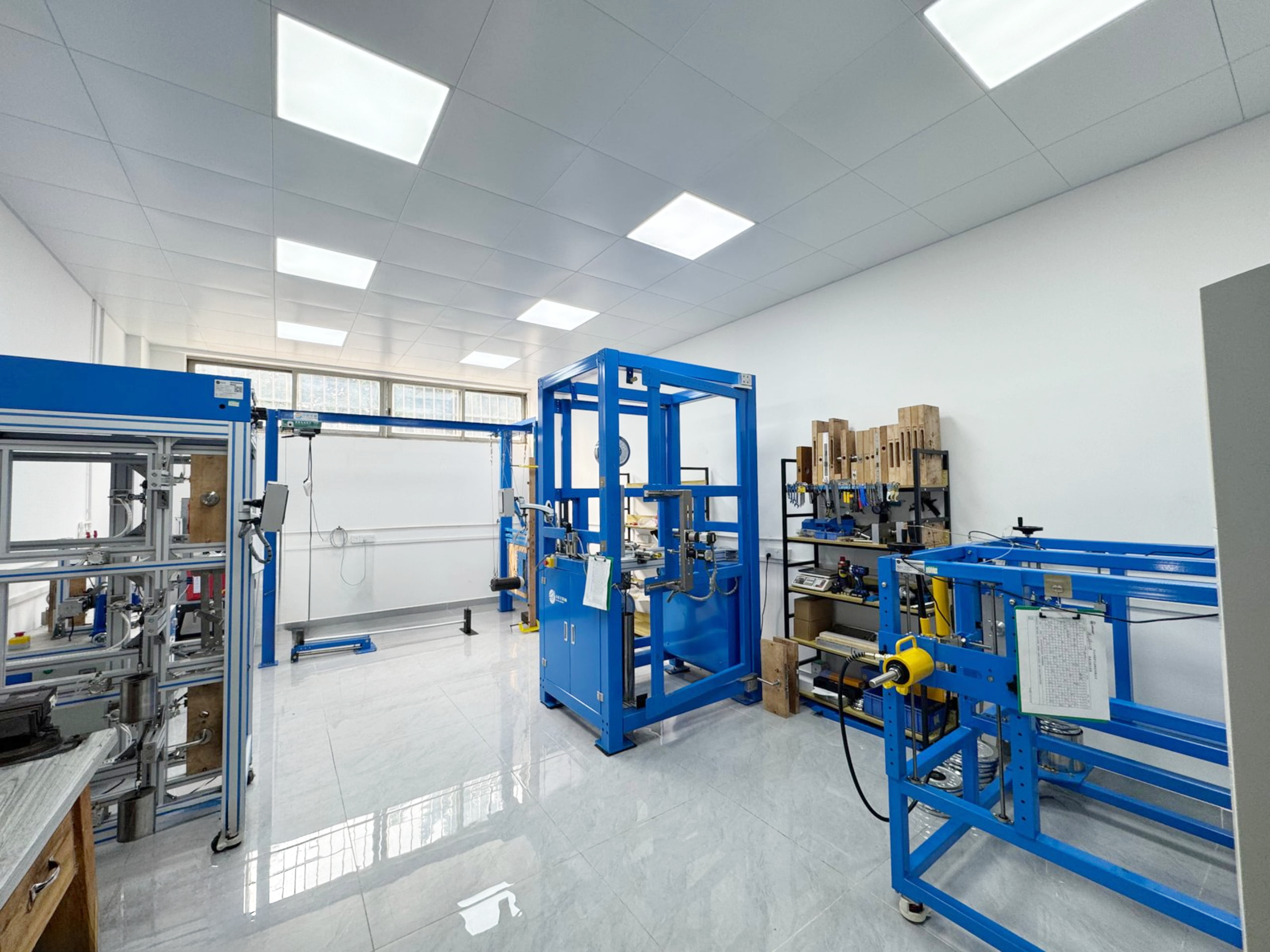
Testing and certification should be treated as project evidence, not decoration. Third-party organizations such as Intertek support testing, inspection, and certification services, while TOPTEK also provides internal engineering validation before third-party certification and mass production.
Heavy Duty Mortise Lock Evaluation Table for ANSI Grade 1 Projects
This comparison table helps buyers separate a real ANSI Grade 1 project lock from a general commercial lock. Use it when preparing an ANSI Grade 1 mortise lock RFQ, supplier comparison, or OEM/ODM sourcing review.
| Evaluation Point | What Buyers Should Check | Why It Matters in Commercial Projects | TOPTEK Engineering Focus |
|---|---|---|---|
| Standard | ANSI/BHMA A156.13 requirements for mortise lock | Creates a measurable performance baseline for operation, strength, security, cycles, finish, and dimensions | ANSI Grade 1 mortise lock platform for commercial door hardware projects |
| Durability | Cycle test evidence and internal performance validation | Reduces maintenance risk on schools, hospitals, apartments, offices, and public buildings | Internal testing target above common Grade 1 durability expectations |
| Latchbolt strength | Side load, closing force, and smooth latch retraction | Prevents latch damage, door closing complaints, and high after-sales cost | Investment-cast latch structure and high side-load resistance design |
| Deadbolt behavior | Full deadbolt retraction under pressure and stable locking engagement | Improves security and reduces risk in complex door environments | Heavy duty lock case design with reliable bolt retraction logic |
| Fire-rated use | UL 10C route, door assembly compatibility, latch engagement, and project approval requirement | Wrong hardware selection may create fire-door inspection risk | Fire-rated ANSI Grade 1 mortise lock support where project documentation confirms suitability |
| Material structure | Lock body, latch, deadbolt, auxiliary latch, spring structure, lever return parts | Weak zinc alloy or powder metallurgy components may fail earlier in demanding environments | 304 stainless steel and precision investment casting for key structural components |
| OEM/ODM supply | Drawings, samples, private label, function options, trim options, cylinder planning, packaging | Supports door brands, distributors, contractors, and long-term project procurement | China-based mortise lock OEM factory for export and private label projects |
Where Should Buyers Use a Heavy Duty ANSI Grade 1 Mortise Lock?
Heavy duty ANSI Grade 1 mortise locks are suitable for high-traffic commercial door applications where durability, security, and operational stability are important. Typical projects include schools, universities, hospitals, hotels, office buildings, apartment projects, public buildings, government facilities, and fire-rated door manufacturers.
For education projects, lock function is especially important. A classroom door may need key control from the outside and free egress from the inside, while a storeroom door may need the outside lever always locked and access controlled by key or credential.
For healthcare and apartment projects, smooth operation and serviceability matter as much as strength. If the closing force is too high, the latch jams, the lever return weakens, or the cylinder system is poorly planned, the building owner may face frequent maintenance calls after installation.
For fire-rated door projects, buyers should confirm the complete opening assembly. The mortise lock, latch, strike, trim, cylinder, hinges, door closer, seals, door material, and frame preparation should be reviewed together before mass production.
TOPTEK ANSI Grade 1 Mortise Lock Engineering Insight
TOPTEK designs ANSI Grade 1 mortise locks for commercial door projects where durability, smooth operation, and structural strength must work together. In internal testing, TOPTEK’s ANSI mortise lock platform is designed to exceed common Grade 1 durability expectations, with performance validation focused on long lifecycle operation, stable lock body movement, and smooth door closing.
TOPTEK pays close attention to closing force because commercial users notice door behavior immediately. When the auxiliary latch touches the strike, the latchbolt should retract smoothly and allow the door to close without excessive force, noise, or user complaint.
TOPTEK also focuses on latchbolt side-load resistance for heavy doors and demanding applications. The latchbolt assembly is engineered for strong side pressure resistance, helping the lock case handle real-world stress from heavy doors, misalignment, repeated impact, and high-frequency operation.
TOPTEK uses stainless steel and investment-cast structural components to improve long-term reliability. Compared with common powder metallurgy or zinc alloy components, a stronger latch, deadbolt, auxiliary latch, and lever return structure can better support demanding commercial environments.
For project flexibility, TOPTEK supports multiple ANSI mortise lock functions. Buyers can review office, classroom, storeroom, corridor, apartment, hotel, and other functional requirements before selecting the correct lock function for each door schedule.
How to Choose a Heavy Duty Mortise Lock Manufacturer
Buyers should choose a heavy duty mortise lock manufacturer by checking evidence, not by choosing the lowest price. A low-cost lock can become expensive if it causes door preparation errors, latch failure, handle sagging, finish inconsistency, cylinder mismatch, or fire-door approval problems.
1. Confirm ANSI Grade 1 performance before discussing price
ANSI Grade 1 performance should be the first supplier filter. Ask the supplier to explain the lock’s ANSI/BHMA A156.13 performance logic, durability test, latchbolt strength, deadbolt behavior, operational force, trim options, and installation requirements.
2. Check whether the supplier understands commercial door applications
A commercial mortise lock Grade 1 manufacturer must understand door use, not only lock production. The supplier should help buyers match lock function, door thickness, handing, backset, faceplate, strike, cylinder type, lever trim, escutcheon trim, and fire-rated application.
3. Review factory manufacturing control
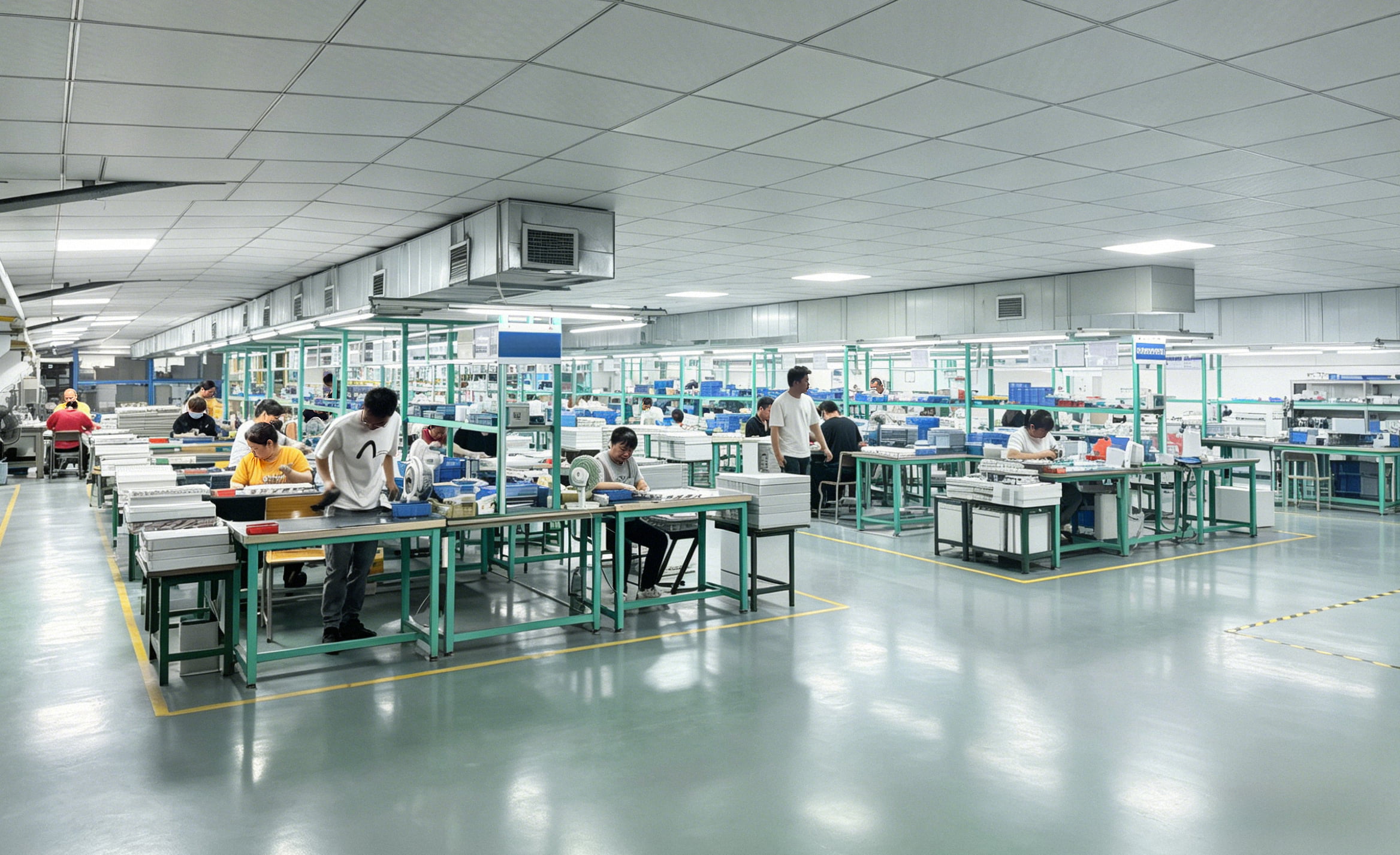
Stable mass production is the difference between a good sample and a successful project. Buyers should review CNC machining, stamping, assembly, first article inspection, in-process inspection, finish control, packaging, and traceability before approving bulk orders.
4. Ask for OEM/ODM and private label capability
Door brands and distributors often need more than a standard product. A strong ANSI Grade 1 mortise lock OEM manufacturer should support private label, function configuration, trim selection, cylinder planning, packaging design, market protection, NDA support, and long-term product consistency.
5. Check technical communication speed
Project delays often happen when a supplier cannot answer technical questions quickly. Buyers should test the supplier’s ability to respond to drawings, door schedules, certification requirements, installation questions, and sample feedback before placing a large order.
Why TOPTEK for ANSI Grade 1 Heavy Duty Mortise Lock Projects?
TOPTEK is not a simple trading supplier; TOPTEK is an OEM/ODM precision manufacturer for commercial door hardware and integrated access control locking solutions. Established in 1991, TOPTEK has more than 35 years of lock manufacturing experience and serves door manufacturers, hardware brands, distributors, contractors, and project buyers in global markets.
TOPTEK operates a modern manufacturing facility with strong production and engineering capability. The company has over 13,000 square meters of factory space, more than 220 skilled employees, over 20 R&D engineers, Japanese TSUGAMI CNC Swiss-type machines, ±0.01 mm machining tolerance capability, stamping, laser cutting, bending, assembly, testing, and quality control systems.
TOPTEK’s in-house laboratory supports engineering validation before third-party certification and mass production. The lab can support mechanical durability tests, ANSI Grade 1 / Grade 2 performance testing, electrical endurance, fail-safe function testing, salt spray testing, impact testing, structural strength testing, cylinder anti-drilling testing, deadbolt anti-sawing testing, and high-low temperature evaluation.
For ANSI Grade 1 mortise lock projects, TOPTEK can support both mechanical and electromechanical project paths. Buyers can review ANSI Grade 1 Mortise Lock solutions, Electronic Lock and Access Control Devices, and Construction Cylinder options for complete commercial door hardware planning.
For buyers who need a broader project package, TOPTEK also supplies related commercial hardware. The project scope may include Panic Exit Device products, Precision Hinges and Door Power Transfer Solutions, and EN 1906 Lever Handle solutions where the door schedule requires a complete hardware package.
Lock Function and Master Key Cylinder Planning
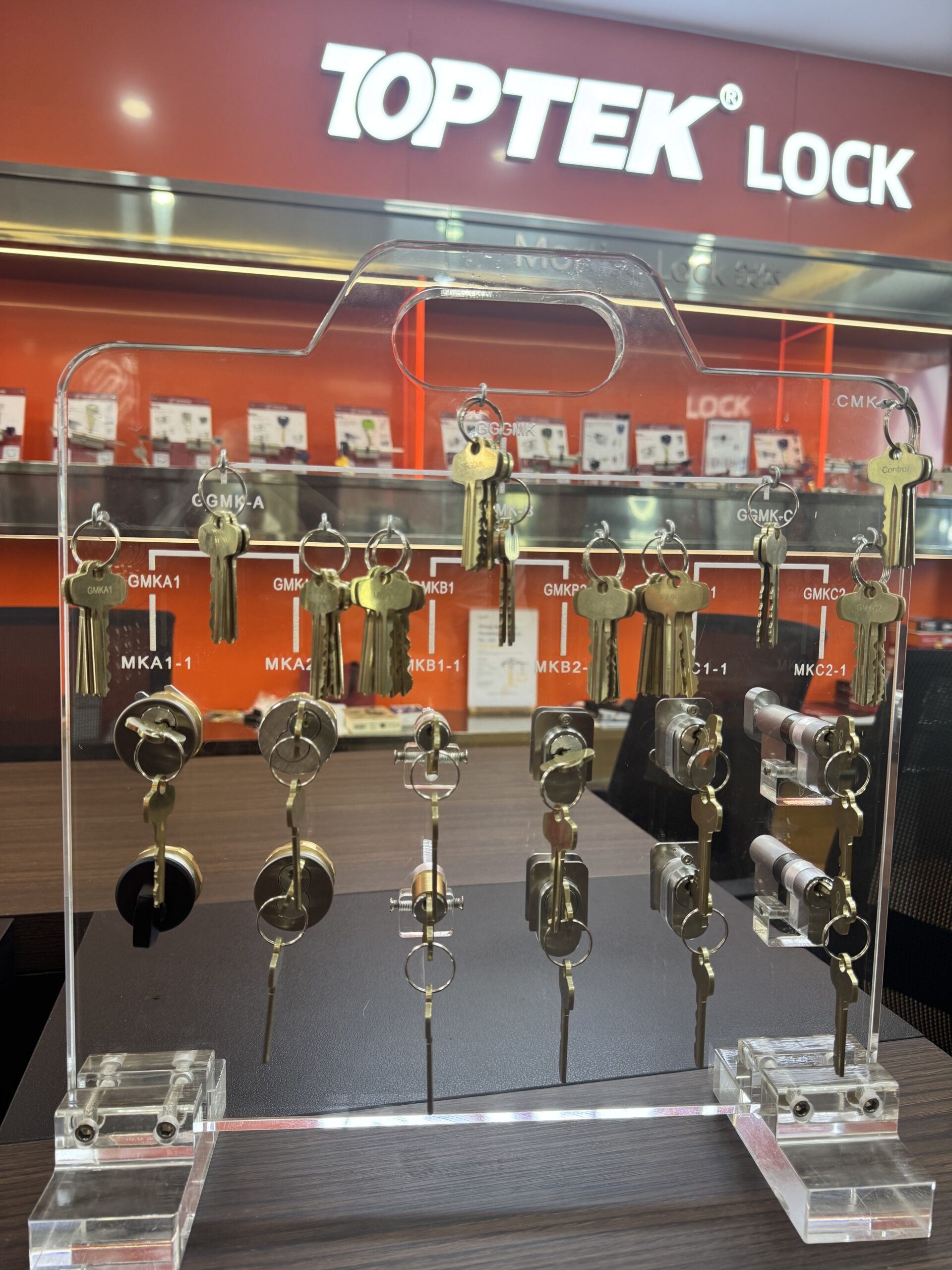
A heavy duty mortise lock is only successful when the lock function and cylinder system match the building’s access plan. Buyers should confirm office, classroom, storeroom, corridor, apartment, hotel, privacy, entry, and electrified functions before sample approval.
Master key planning is critical for multi-door commercial projects. A poor key system can create operational confusion for property managers, schools, hospitals, apartment operators, and facility maintenance teams.
TOPTEK supports construction cylinder and project master key cylinder solutions for different market requirements. Buyers can coordinate ANSI mortise cylinders, SFIC cylinders, bored lock cylinders, Euro profile cylinders, Australian oval cylinders, and Scandinavian oval cylinders according to project needs.
Five Common Buyer Mistakes When Sourcing Heavy Duty Mortise Locks
Mistake 1: Treating “heavy duty” as a product description instead of a test result
Buyers should ask what performance proves the lock is heavy duty. Weight alone does not confirm durability, latch strength, deadbolt strength, fire-rated suitability, finish resistance, or stable operation.
Mistake 2: Choosing the lock before confirming the door function
The lock function must match real user behavior. A classroom, storeroom, office, corridor, apartment, hotel, or fire-rated door may need different outside control, inside egress, deadbolt operation, cylinder control, or access control integration.
Mistake 3: Ignoring closing force and latch smoothness
A strong lock that closes poorly will still create project complaints. High closing force, poor latch retraction, strike misalignment, or rough internal movement can lead to noise, user dissatisfaction, and repeated service calls.
Mistake 4: Assuming every ANSI lock can be used on a fire-rated door
Fire-rated door hardware must be checked as part of the full door assembly. Buyers should confirm UL 10C route, door type, frame, strike, latch engagement, installation method, and project authority requirements before final approval.
Mistake 5: Approving a sample without checking mass-production control
A good sample does not guarantee a successful project shipment. Buyers should review incoming inspection, process inspection, finish control, assembly inspection, packaging, traceability, and supplier response to engineering changes.
RFQ Checklist for Heavy Duty ANSI Grade 1 Mortise Lock Projects
This RFQ checklist helps buyers send a complete inquiry to a heavy duty mortise lock manufacturer. A clear RFQ helps reduce quotation errors, sample delays, wrong function selection, and project approval risk.
| RFQ Item | Buyer Should Confirm | Why It Matters |
|---|---|---|
| Project type | School, hospital, office, apartment, hotel, public building, fire door, or OEM distribution | Defines traffic level, lock function, certification route, and product configuration |
| Standard requirement | ANSI/BHMA A156.13, ANSI Grade 1, UL 10C, local project requirements | Prevents mismatch between product offer and project specification |
| Lock function | Office, classroom, storeroom, corridor, apartment, hotel, privacy, entry, electrified | Ensures the door behaves correctly for users and building operators |
| Trim style | Sectional trim, escutcheon trim, lever design, thumbturn, ring, finish | Controls appearance, operation, accessibility, and installation compatibility |
| Cylinder system | Mortise cylinder, SFIC, master key system, keyway, security level | Supports access control, maintenance, and long-term key management |
| Door data | Door thickness, handing, backset, faceplate, strike, frame material, fire rating | Prevents door preparation errors and installation rework |
| Supplier support | Drawing review, sample testing, OEM/ODM, private label, packaging, delivery schedule | Reduces risk from development to mass production |
Related TOPTEK Commercial Door Hardware Solutions
Heavy duty mortise lock projects often require more than one product category. Buyers can build a stronger door hardware schedule by combining mortise lock ANSI A156.13 products with compatible cylinders, levers, hinges, exit devices, and access control hardware.
For U.S. commercial projects, ANSI lock bodies and cylinders should be reviewed together. TOPTEK supports high-security commercial cylinder planning for master key and project access management.
For intelligent building projects, mechanical and electronic hardware should be coordinated early. TOPTEK’s access control mortise lock and electromechanical lock solutions can support access control integration where the project requires electric locking functions.
For complete project hardware packages, buyers can also review TOPTEK’s certification resources. Visit TOPTEK Certification Resources to check available certification and test report information before RFQ review.
FAQ: Heavy Duty Mortise Lock Manufacturer and ANSI Grade 1 Sourcing
What is the best keyword for buyers looking for a heavy duty mortise lock factory?
The best procurement keyword is “heavy duty mortise lock manufacturer” or “ANSI Grade 1 mortise lock manufacturer.” Buyers who search these terms usually want a supplier, factory, OEM/ODM partner, quotation, sample, or project hardware solution.
Is ANSI Grade 1 better than a general commercial mortise lock?
ANSI Grade 1 gives buyers a stronger performance benchmark than the general phrase commercial mortise lock. It connects the lock to ANSI/BHMA A156.13 performance expectations, including operation, strength, security, cycle, finish, and dimensional criteria.
Can a heavy duty ANSI mortise lock be used on fire-rated doors?
A heavy duty ANSI mortise lock can be used on fire-rated doors only when the product and complete door assembly match the required fire-door approval route. Buyers should confirm UL 10C context, door type, frame, strike, latch engagement, trim, and installation details before approval.
What should buyers include in an ANSI Grade 1 mortise lock RFQ?
Buyers should include project type, standard requirement, lock function, trim style, cylinder system, door thickness, handing, faceplate, strike, finish, quantity, sample needs, packaging, and certification expectation. A complete RFQ helps the supplier quote accurately and reduce project delays.
Does TOPTEK support OEM/ODM ANSI Grade 1 mortise lock development?
Yes, TOPTEK supports OEM/ODM and private label development for ANSI Grade 1 mortise lock projects. Buyers can discuss drawings, samples, lock functions, trim options, cylinder systems, certification routes, packaging, and project-specific technical support.
Why should buyers check the spring structure inside a mortise lock?
The lever return spring structure affects long-term operation, handle return, and service life. Weak spring structures or unsuitable materials may cause handle sagging, poor return force, and higher after-sales cost in high-traffic commercial applications.
Conclusion: Choose a Heavy Duty Mortise Lock Manufacturer by Project Risk, Not Only by Price
A heavy duty mortise lock manufacturer should help buyers reduce commercial door project risk through ANSI Grade 1 performance, reliable structure, correct function selection, fire-door compatibility, cylinder planning, installation support, and stable OEM/ODM production. Buyers should compare suppliers by engineering evidence, testing capability, quality control, communication, and project support before choosing the lowest quotation.
The wrong ANSI mortise lock supplier can create serious downstream problems. Common risks include incorrect door behavior, high closing force, latch jamming, deadbolt retraction problems, handle sagging, weak cylinder planning, fire-door inspection risk, finish inconsistency, and mass-production instability.
TOPTEK Access is a China-based OEM/ODM manufacturer of commercial locks, architectural door hardware, and integrated access control locking solutions, supplying ANSI Grade 1 mortise locks, EN 12209 Grade 3 mortise locks, AS 4145 mortise locks, panic exit devices, multi-point locking systems, electronic locks, lever handles, cylinders, and hinges for global door manufacturers, distributors, contractors, and building projects.
TOPTEK stands for Commercial Door Hardware Reliability Solution.
TOPTEK: Smart Design. Strong Security.
Contact TOPTEK to discuss ANSI Grade 1 mortise lock RFQ, OEM/ODM development, project drawings, samples, certification route, heavy duty mortise lock specification, installation review, or complete commercial door hardware support.