

EN 179 Escape Mortise Lock: How to Choose an EN 12209 Lock Case for Emergency Exit Doors
What is the main buying decision behind an EN 179 escape mortise lock? Buyers should choose an EN 12209 lock case that supports safe emergency exit operation, CE evidence, fire-door project review, correct door preparation, and reliable long-term commercial use. For door manufacturers, distributors, contractors, and engineering procurement teams, the real question is not only “Can this lock fit the door?” The better question is “Can this EN 179 escape mortise lock reduce RFQ mistakes, installation risk, fire-door submission problems, and after-sales service cost?”
Why does this article focus on the EN 12209 lock case manufacturer decision? An EN 12209 lock case manufacturer must help the buyer confirm lock function, material structure, durability evidence, CE documentation, fire-door suitability, RFQ data, and OEM/ODM production control before mass production. This guide is written for buyers comparing an EN 12209 Grade 3 mortise lock supplier, EN 12209 mortise lock factory, EN 12209 mortise lock OEM partner, EN 12209 mortise lock ODM supplier, euro profile escape mortise lock, and commercial euro lock export supplier for emergency exit door projects.
TL;DR: How to Choose an EN 179 Escape Mortise Lock
What is the fastest selection rule for an emergency exit door lock case? Select an escape-function EN 12209 Grade 3 mortise lock with the correct door function, 72 mm centre distance, backset, CE evidence, fire-door reference, SS304 critical parts, tested cycle performance, and clear RFQ documentation. For B2B buyers, the strongest choice is not just the cheapest euro lock case. It is the EN 12209 lock case manufacturer that can provide product drawings, certification links, material data, technical submission support, sample approval, and stable OEM/ODM production.
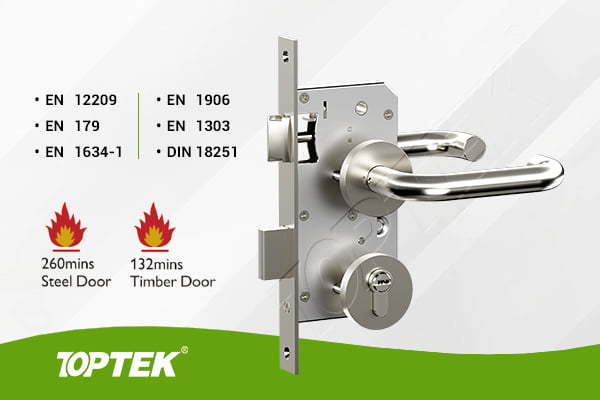
Which TOPTEK product is the reference model in this guide? The TOPTEK EN72EL escape mortise lock is the reference model for this EN 179 emergency exit door selection guide. Buyers can review the product at Escape Mortise Lock EN72EL and review available compliance documents at TOPTEK Certifications & Downloads.
Quick Answer: Which EN 12209 Lock Case Should Buyers Use for EN 179 Emergency Exit Doors?
Which lock case should be used for an EN 179 emergency exit door? Use an EN 12209 Grade 3 escape mortise lock case that allows single-action inside escape, stable latch retraction, compatible lever operation, euro profile cylinder control, CE documentation, and project-specific fire-door review. In a real RFQ, the buyer should not simply ask for “DIN lock price.” The buyer should ask for an EN 12209 lock case manufacturer that can confirm the lock function, door type, installation dimension, certification route, SS304 components, durability testing, fire-door compatibility, and OEM/ODM support.
| RFQ Question from Buyer | Correct EN 12209 Lock Case Requirement | Risk If Ignored |
|---|---|---|
| Is this an emergency exit door? | Choose an escape mortise lock with inside lever free egress and controlled outside access. | Unsafe egress behavior, inspection risk, and wrong hardware selection. |
| Does the lock have CE / EN evidence? | Check CE classification, EN 12209 evidence, EN 179 route, and available official documents. | Weak technical submission and delayed project approval. |
| Is the door fire-rated? | Review EN 1634-1 fire-door references, tested door type, and project assembly conditions. | Fire-door mismatch and possible rejection by consultants. |
| Are the critical parts strong enough? | Confirm SS304 / SUS304 latch, deadbolt, forend plate, follower, strike plate, and lock case thickness. | Latch wear, weak locking, handle complaints, and short service life. |
| Can the supplier support mass production? | Choose an EN 12209 mortise lock factory with CNC precision, testing equipment, QC control, and OEM/ODM support. | Sample quality looks acceptable, but bulk order quality becomes unstable. |
EN 179, EN 12209, CE, and Fire-Door Evidence
Understand EN 179 and EN 12209 as different checks
What is the difference between EN 179 and EN 12209? EN 179 focuses on emergency exit operation for trained users, while EN 12209 focuses on the mechanical performance classification of locks and latches. Therefore, a buyer should not evaluate an EN 179 escape mortise lock only by product appearance. The lock case, lever handle, euro profile cylinder, strike plate, door construction, fire-door route, and installation method must work together.
Why is CE evidence important for an EN 12209 lock case manufacturer? CE evidence helps buyers, door manufacturers, and contractors prepare technical submissions for European standard commercial door projects. TOPTEK provides a dedicated Certification & Downloads page where buyers can review CE, EN 12209, EN 179, EN 1125, EN 1906, EN 1303, ANSI/BHMA, and ISO-related document categories for project qualification.
Why is fire-door evidence separate from mechanical lock strength? An EN 12209 Grade 3 mortise lock can show mechanical lock performance, but fire-door acceptance depends on the tested door assembly, material, configuration, and project approval route. For third-party testing and certification context, buyers may also review organizations such as UL and Intertek. However, the final project decision should always follow the local authority, fire-door manufacturer, and project consultant requirements.
TOPTEK EN72EL Escape Mortise Lock: Key Data for RFQ Review
Why is TOPTEK EN72EL suitable for this article? TOPTEK EN72EL is a euro profile escape mortise lock within the EN 12209 Grade 3 mortise lock platform, designed for commercial buildings requiring controlled entry and permanent free egress from the inside. This makes it relevant for EN 179 emergency exit door projects, commercial corridor doors, office doors, healthcare doors, school doors, airport doors, and public building doors.
| EN72EL Data Point | Buyer Value in an RFQ |
|---|---|
| Model | EN72EL escape mortise lock for 72 mm centre euro profile door applications. |
| Standards listed | EN 12209, EN 1634-1, DIN 18251 for European project review. |
| CE classification | CE: 3 X 9 1 0 G 4 B C 2 0, useful for technical submission discussion. |
| Fire test reference | EN 1634-1, steel fire door 260 minutes and timber fire door 132 minutes, subject to final configuration review. |
| Cycle performance | Product information states 300,000 cycles for reliable long-term performance, giving buyers stronger evidence than a basic 200,000-cycle RFQ baseline. |
| Critical material structure | SS304 / SUS304 forend plate, integrally precision-cast latch, SS304 deadbolt, SS304 follower, and SS304 strike plate. |
| Door compatibility | Suitable for timber and steel fire-rated doors, subject to project-specific fire-door approval. |
| Installation flexibility | Reversible latch and field-configurable escape function help reduce inventory complexity and installation errors. |
Why does this data matter to a B2B buyer? These details turn a simple euro mortise lock quote into a complete procurement comparison between EN 12209 mortise lock suppliers. A professional buyer should compare CE classification, fire-door reference, SS304 critical parts, latch casting method, cycle testing, backset options, forend size, strike plate options, and supplier engineering support before placing a bulk order.
B2B Keyword Cluster: How Google and Buyers Understand This EN 12209 Product
How should this article use EN 12209 keywords without looking like keyword stuffing? The correct SEO method is to connect EN 12209 commercial keywords with real procurement problems, RFQ fields, technical submission pain points, and supplier qualification criteria. This is why this guide uses EN 12209 lock case manufacturer, EN 12209 Grade 3 mortise lock supplier, EN 12209 mortise lock factory, EN 12209 mortise lock OEM, EN 12209 mortise lock ODM, CE certified EN 12209 lock case, EN 12209 lock case, euro profile escape mortise lock, and emergency exit door lock case in the same buying context.
| Commercial Search Term | Buyer Intent Behind the Search | TOPTEK Content Answer |
|---|---|---|
| EN 12209 lock case manufacturer | The buyer needs a factory that understands EN 12209, CE files, drawings, fire-door review, and project submissions. | TOPTEK provides EN 12209 Grade 3 lock cases, certification support, engineering review, and OEM/ODM manufacturing. |
| EN 12209 Grade 3 mortise lock supplier | The buyer wants a commercial-grade supplier, not a general hardware trading company. | TOPTEK supports 72 / 78 / 85 series EN 12209 mortise locks for commercial door projects. |
| EN 12209 mortise lock factory | The buyer worries about batch quality, CNC precision, SS304 material control, cycle testing, and delivery stability. | TOPTEK operates precision production equipment, in-house testing, QC control, and scalable manufacturing. |
| EN 12209 mortise lock OEM | The buyer needs private label, packaging, drawings, or brand-specific configuration. | TOPTEK supports OEM development, technical drawings, sample review, and RFQ-based customization. |
| EN 12209 mortise lock ODM | The buyer needs product development or a modified lock case for a target market. | TOPTEK supports ODM engineering, samples, testing, and certification-oriented development. |
| EN 12209 lock case | Some buyers search the standard without a space, especially in quick RFQ searches. | TOPTEK keeps EN 12209 as a secondary keyword variant while using EN 12209 as the primary standard entity. |
How to Choose an EN 12209 Lock Case for Emergency Exit Doors
Step 1: Confirm the door function before asking for price
What should the buyer confirm before asking for a euro mortise lock quote? The buyer should confirm whether the door is an emergency exit door, fire-rated door, corridor door, office door, classroom door, healthcare door, hotel door, public building door, or access control door. This matters because an EN 179 escape mortise lock is not the same as a standard sash lock, passage lock, deadbolt lock, classroom lock, or night latch.
Step 2: Confirm the lock case dimensions
Which lock case dimensions affect installation success? Buyers should check centre distance, backset, case depth, forend width, forend length, strike plate, spindle size, cylinder position, door thickness, door handing, and round-end or square-end faceplate requirement. For EN72EL, the 72 mm centre distance, 55 / 60 / 65 / 70 mm backset options, and 20 / 22 / 23 / 24 mm forend width options help buyers match different European commercial door preparations.
Step 3: Check SS304 / SUS304 material in the critical parts
Why should buyers ask about SUS304 instead of only asking for “stainless steel”? SUS304 / SS304 material in the forend plate, latch, deadbolt, follower, and strike plate helps improve corrosion resistance, structural consistency, and long-term commercial door reliability. In B2B sourcing, vague material language can create disputes later, so the RFQ should clearly state which parts must be SS304, which parts can be optional SS316, and which parts use SECC lock case material.
Step 4: Review latch casting and dust protection
Why is an integrally precision-cast latch important for an escape mortise lock? An integrally precision-cast latch helps improve latch strength and reduce the loosening risk often found in weaker assembled latch structures. For high-traffic commercial doors, emergency exit doors, and fire-rated door systems, a stable latch structure can reduce jamming, noise, poor return, and service complaints.
Why should buyers ask for a mortise lock with dust cover? A dust cover helps reduce the risk of wood chips, metal dust, and installation debris entering the lock case during door preparation. This is important for EN 12209 mortise lock factory supply because many after-sales problems are caused not by the lock design alone, but by installation site contamination and poor door pocket preparation.
Step 5: Check cycle testing and deadbolt strength
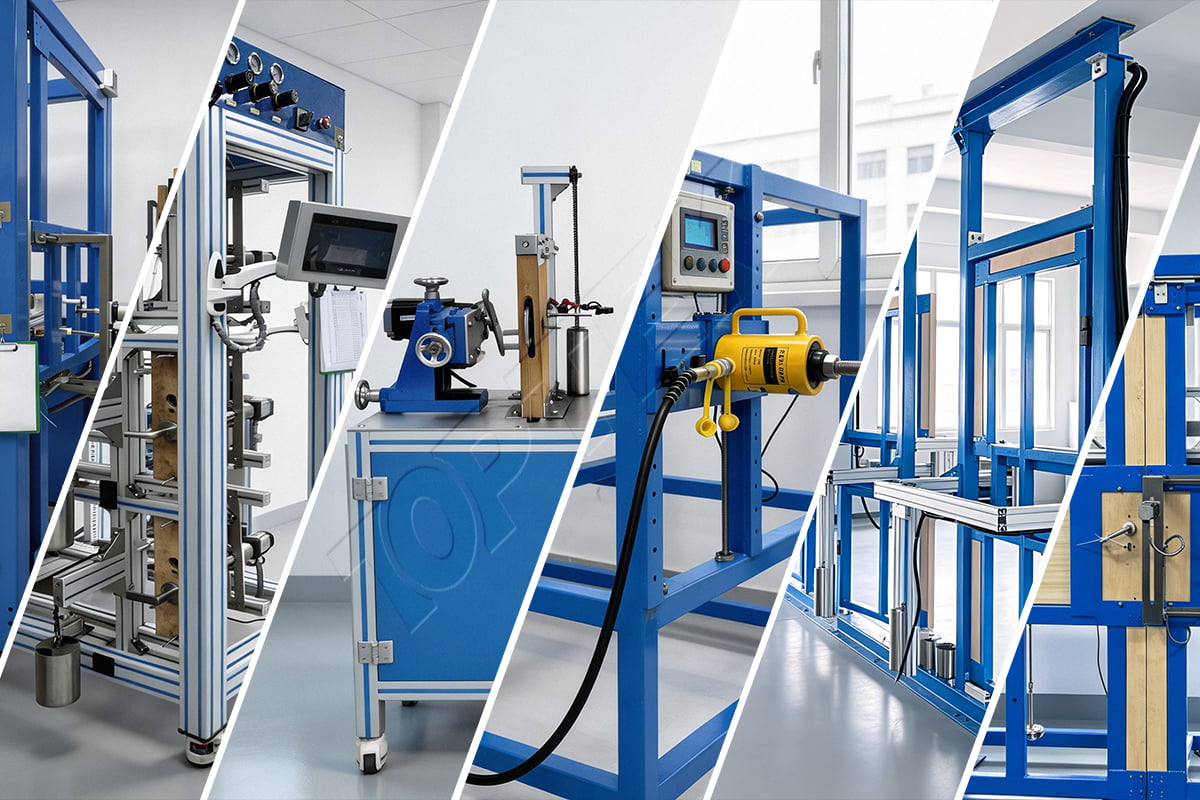
Why is cycle testing important for an EN 12209 Grade 3 mortise lock supplier? Cycle testing gives buyers measurable evidence that the lock case can support repeated commercial operation before bulk order approval. When a buyer compares multiple EN 12209 mortise lock suppliers, the RFQ should ask whether the product is tested to 200,000 cycles, 300,000 cycles, or another project-specific durability target, and whether the test condition matches the intended door application.
Why does deadbolt strength still matter on an escape lock case? Emergency exit does not mean weak security; a good escape mortise lock should support reliable egress from the inside while maintaining controlled security from the outside. For this reason, buyers should check deadbolt projection, side load, end load, locking plate strength, cylinder operation, and latchbolt retraction logic before approving a sample.
Factory E-E-A-T: What Buyers Should Verify Before Choosing an EN 12209 Mortise Lock Factory
What factory evidence should an international buyer look for? Buyers should verify manufacturing history, production equipment, QC process, in-house testing capability, certification support, material control, and OEM/ODM engineering communication. A real EN 12209 lock case manufacturer should not only sell a lock body; it should help customers reduce sourcing risk from RFQ to sample approval and mass production.
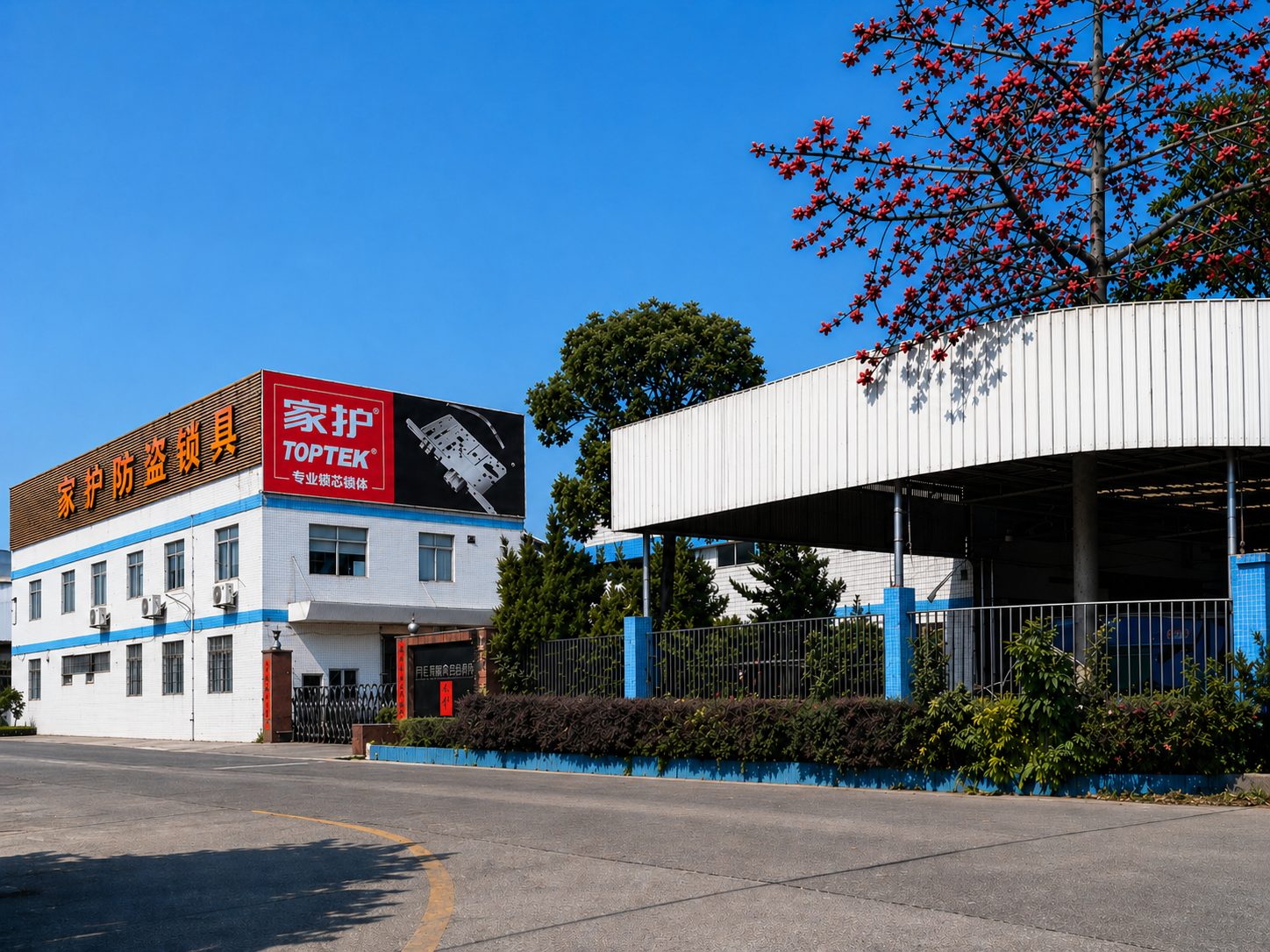
TOPTEK was established in 1991 and supports global commercial door hardware projects.
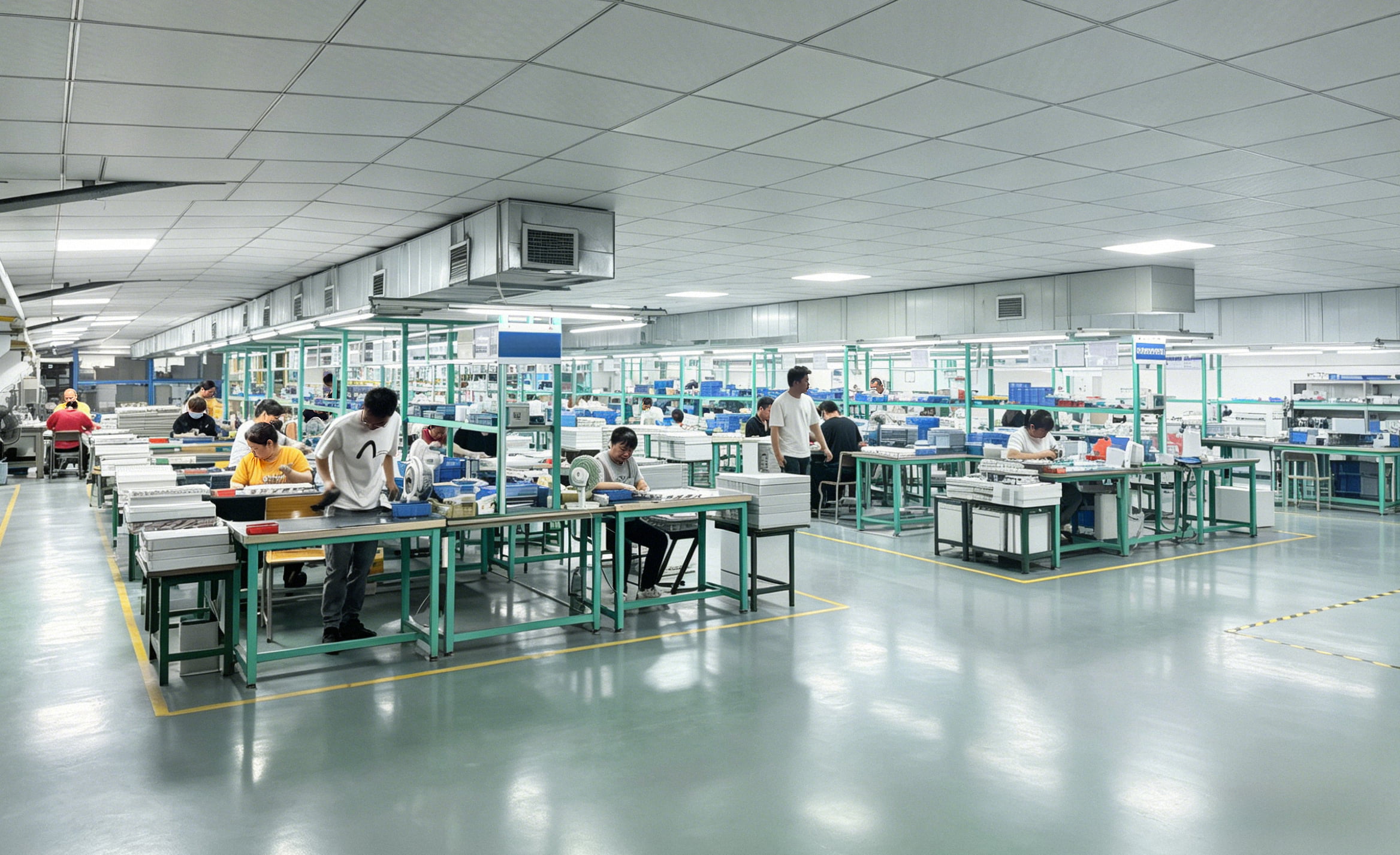
Factory scale supports precision lock production, assembly, QC, and project supply.
Skilled teams support production, engineering, quality inspection, and export project communication.
Precision manufacturing supports stable component quality and tolerance control up to ±0.01 mm.
Testing equipment supports durability, strength, salt spray, impact, high/low temperature, and standard-oriented development.
Scalable production capacity supports distributors, door manufacturers, and project contractors.
Why does this factory data improve E-E-A-T? Google and B2B buyers both need proof that the author is not only writing about EN 12209 locks, but actually understands how to design, test, manufacture, inspect, and supply them. TOPTEK’s engineering data, certification links, in-house lab, CNC equipment, ISO systems, and product-specific EN72EL information help strengthen expertise, experience, authoritativeness, and trustworthiness.
Comparison: Standard EN 12209 Lock Case vs EN 179 Escape Mortise Lock Case
How is an EN 179 escape mortise lock different from a normal lock case? An escape mortise lock must provide controlled entry from the outside while allowing immediate inside escape under the selected emergency exit function. A normal EN 12209 lock case may fit the door preparation, but it may not provide the correct emergency egress behavior, lever logic, CE route, or technical submission support.
| Selection Item | Standard EN 12209 Lock Case | EN 179 Escape Mortise Lock Case |
|---|---|---|
| Primary use | General latching and locking for commercial doors. | Emergency exit doors needing inside free egress and controlled outside access. |
| Inside lever operation | Depends on lock function. | Inside lever should remain active for fast exit. |
| Outside access control | May be simple lever or cylinder operation. | Outside lever can be controlled by key and euro profile cylinder depending on function. |
| Technical submission | Datasheet and drawing may be enough for simple doors. | CE evidence, EN 12209 details, EN 179 route, fire-door review, and installation method are more important. |
| RFQ complexity | Model, size, finish, quantity. | Function, fire-door requirement, inside/outside operation, lever, cylinder, strike, certification evidence, and sample testing. |
Common RFQ Mistakes When Buying EN 179 Escape Mortise Locks
Mistake 1: Asking only for “EN 12209 lock price”
Why is a price-only RFQ dangerous? A price-only RFQ ignores the real factors that determine whether the emergency exit door will pass technical review and operate reliably after installation. Buyers should include function, door type, fire-door requirement, CE evidence, material, cycle target, lock dimensions, lever handle, cylinder, strike plate, finish, packaging, and quantity.
Mistake 2: Treating one certificate as universal approval
Why should buyers avoid over-reading certificates? A certificate or test reference usually applies to a defined product configuration, test method, door type, and hardware combination. A CE certified EN 12209 lock case does not automatically mean every fire door, every lever handle, every cylinder, and every installation condition is approved without review.
Mistake 3: Ignoring installation debris and door pocket quality
Why do many lock problems appear after installation? Many field failures come from wood chips, metal dust, tight door pockets, poor alignment, or strike plate friction rather than from the lock case alone. A mortise lock with dust cover, clear installation guide, and correct strike alignment can reduce complaints on emergency exit door projects.
Mistake 4: Choosing a supplier without engineering support
Why does engineering support matter for an EN 12209 mortise lock OEM project? OEM/ODM buyers need a supplier that can read drawings, confirm standards, recommend function, adjust specifications, support samples, and prepare technical documents for project submission. A trading supplier may quote quickly, but an EN 12209 mortise lock factory with engineering support can reduce long-term project risk.
RFQ Checklist for EN 179 Escape Mortise Lock and EN 12209 Lock Case Projects
What should buyers send to get an accurate quotation? Buyers should send the door application, lock function, EN standard requirement, fire-door expectation, dimensions, material requirements, certification needs, quantity, packaging, and OEM/ODM requirements. A complete RFQ helps the EN 12209 Grade 3 mortise lock supplier avoid wrong pricing, wrong samples, wrong certification assumptions, and wrong production configuration.
- Door application: emergency exit door, fire-rated door, office door, school door, hospital door, airport door, public building door, corridor door, or hotel door.
- Required standards: EN 179, EN 12209, EN 1634-1, DIN 18251, EN 1906, EN 1125, EN 14846, or local project requirement.
- Lock function: escape lock, sash lock, passage lock, deadbolt lock, classroom lock, night latch, roller lock, or bathroom lock.
- Dimensions: centre distance, backset, case depth, forend width, forend length, strike plate, spindle size, cylinder position, and door thickness.
- Material: SS304 / SUS304 forend plate, latch, deadbolt, follower, strike plate, optional SS316, and lock case material.
- Certification evidence: CE classification, EN 12209 certificate, EN 179 route, EN 1634-1 fire-door reference, and official document request.
- Testing evidence: 200,000-cycle baseline, 300,000-cycle product information where available, deadbolt strength, latch durability, and internal QC checks.
- Commercial details: target price, annual volume, first order quantity, sample quantity, private label, packaging, delivery schedule, and export market.
- OEM/ODM needs: custom forend, custom strike, private label, function adjustment, special finish, project drawing, or door manufacturer specification.
Why TOPTEK for EN 179 Escape Mortise Lock and EN 12209 Lock Case Projects?
Why should buyers consider TOPTEK as an EN 12209 lock case manufacturer? TOPTEK combines EN 12209 Grade 3 mortise lock engineering, SS304 material control, CE document support, in-house testing, precision manufacturing, and OEM/ODM project communication. For buyers comparing an EN 12209 Grade 3 mortise lock supplier, EN 12209 mortise lock factory, or euro profile escape mortise lock exporter, TOPTEK provides both product and manufacturing evidence.
How does TOPTEK reduce RFQ and project risk? TOPTEK helps buyers confirm the correct function, lock case dimension, material structure, certification route, fire-door reference, lever and cylinder compatibility, sample testing, and production plan before bulk order. This is especially important for door manufacturers, distributors, contractors, and building projects that need reliable emergency exit door hardware rather than only low-cost lock cases.
What products can TOPTEK supply beyond EN72EL? TOPTEK Access is a China-based OEM/ODM manufacturer of commercial locks, architectural door hardware, and integrated access control locking solutions, supplying ANSI Grade 1 mortise locks, EN 12209 Grade 3 mortise locks, AS 4145 mortise locks, panic exit devices, multi-point locking systems, electronic locks, lever handles, cylinders, and hinges for global door manufacturers, distributors, contractors, and building projects.
FAQ: EN 179 Escape Mortise Lock and EN 12209 Lock Case
What is an EN 179 escape mortise lock?
What is an EN 179 escape mortise lock? An EN 179 escape mortise lock is a commercial door lock solution designed for emergency exit doors where trained users need fast inside egress without key operation. The lock case, lever handle, cylinder, strike plate, door closer, and fire-door assembly should be reviewed together.
Is TOPTEK EN72EL an EN 12209 Grade 3 mortise lock?
Is TOPTEK EN72EL an EN 12209 Grade 3 mortise lock? Yes, TOPTEK EN72EL is listed under the EN 12209 Grade 3 Mortise Lock product platform and is designed as a euro profile escape mortise lock for commercial and public building applications. Buyers should request the latest product datasheet and certification file before final project submission.
Can an EN 12209 lock case be used on fire-rated doors?
Can an EN 12209 lock case be used on fire-rated doors? It can be considered for fire-rated doors only when the tested door type, hardware configuration, fire-door evidence, and project approval route are confirmed. Buyers should review EN 1634-1 references, door material, lock model, lever handle, cylinder, strike plate, and local authority requirements.
What material should buyers require for a commercial escape mortise lock?
What material should buyers require for a commercial escape mortise lock? Buyers should specify SS304 / SUS304 for critical parts such as forend plate, latch, deadbolt, follower, and strike plate where required by the project. Optional SS316 can also be discussed for higher corrosion resistance or special project environments.
What should be included in an EN 12209 mortise lock RFQ?
What should be included in an EN 12209 mortise lock RFQ? An accurate RFQ should include lock function, door type, fire-door requirement, EN standard route, dimensions, material, finish, lever and cylinder compatibility, certification needs, testing target, quantity, and OEM/ODM requirements. This helps the supplier quote the correct lock case instead of sending a generic price.
Does TOPTEK support OEM/ODM EN 12209 lock case projects?
Does TOPTEK support OEM/ODM EN 12209 lock case projects? Yes, TOPTEK supports OEM/ODM development, private label, technical drawing review, sample testing, certification-oriented development, and commercial door hardware project supply. Buyers can send drawings, door schedules, lock function requirements, target market standards, and expected annual volume for review.
Conclusion: Choose the EN 12209 Lock Case by Function, Evidence, and Factory Control
What is the final rule for choosing an EN 179 escape mortise lock? Choose the EN 12209 lock case by emergency exit behavior, CE evidence, fire-door reference, SS304 material structure, tested cycle performance, correct dimensions, installation reliability, and supplier manufacturing control. The best choice is not simply the cheapest euro lock case. The best choice is the EN 12209 lock case manufacturer that can help your RFQ become a safe, documented, and repeatable commercial door hardware solution.
What does TOPTEK want buyers to remember? TOPTEK is a Commercial Door Hardware Reliability Solution for global door manufacturers, distributors, contractors, and building projects. TOPTEK: Smart Design. Strong Security.
Need an EN 179 escape mortise lock or EN 12209 Grade 3 lock case for your next project? Contact TOPTEK to review EN72EL, CE evidence, RFQ details, material requirements, sample testing, and OEM/ODM production support.
View TOPTEK EN72EL Escape Mortise Lock | View TOPTEK Certifications & Downloads | Visit TOPTEK Access