

What Is a Classroom Mortise Lock Function? Key Control Outside, Free Egress Inside
What is a classroom mortise lock function? A classroom mortise lock function allows authorized staff to control entry from the corridor side by key, while the inside lever remains free for immediate egress. For school doors, training rooms, office corridors, and public building interiors, this function gives a practical balance between controlled access and safe exit.
Why does this topic matter for EN 12209 Grade 3 mortise lock buyers? For buyers sourcing an EN 12209 Grade 3 mortise lock for school projects, door manufacturers, hardware distributors, contractors, and project buyers do not only need a lockcase that fits the door; they need the correct door function, EN standard context, fire-door compatibility route, installation reliability, and a supplier that can support RFQ review before mass production.
TL;DR: Classroom Mortise Lock Function in One Minute
What should buyers remember first? An EN 12209 Grade 3 mortise lock for school projects should normally keep the outside lever under key control and keep the inside lever free for egress at all times when specified as a classroom mortise lock function. For European commercial doors, buyers should select an EN 12209 Grade 3 Mortise Lock platform by function, door type, fire-door requirement, cylinder compatibility, and installation condition.
Quick Answer: How Does a Classroom Mortise Lock Work?
How does the classroom mortise lock function work in daily use? During normal traffic, the outside lever can allow entry when left unlocked by an authorized key holder. When authorized staff lock the outside side by key control, people in the corridor cannot enter without authorization, but occupants inside the room can still press the inside lever and exit.
What is the simple buyer definition? Key control outside, free egress inside. That is the central function that separates a classroom function lock from many office, privacy, or basic passage functions.
Outside behavior
What happens outside? Authorized key control can lock or unlock the outside lever, depending on the project function and lockcase configuration.
Inside behavior
What happens inside? The inside lever remains free for immediate exit, supporting life-safety expectations in occupied rooms.
Best application
Where is it used? Classrooms, school doors, meeting rooms, training rooms, staff rooms, and controlled-access commercial interiors.
Key Takeaways for School Door and Commercial Door Buyers
- Classroom function is a door-behavior decision. Buyers should confirm what the outside lever, inside lever, key, latchbolt, and cylinder do before sample approval.
- Free egress is the safety baseline. Occupants should be able to leave from the inside without a key, tool, or special knowledge.
- EN 12209 context matters. European lockcase projects should evaluate EN 12209 Grade 3, EN 1634-1 fire-door route, DIN dimensions, cylinder compatibility, and installation tolerance.
- Classroom is not the same as storeroom or office. The difference is how the outside lever is controlled and who has authority to lock or unlock it.
- Supplier capability affects project risk. A serious EN 12209 Grade 3 mortise lock manufacturer should support RFQ review, drawings, samples, testing, and batch consistency.
What Is the Core Function of a Classroom Mortise Lock?
What is the core function? The classroom mortise lock function lets authorized key operation control the outside side, while the inside side remains available for exit. In real school projects, this helps staff manage access from the corridor without creating a trapped-room condition.
What should not be misunderstood? A classroom mortise lock is not simply any lock installed on a classroom door. Buyers must check the function mechanically: outside lever behavior, inside lever behavior, key action, latchbolt retraction, deadbolt use, cylinder type, and trim compatibility.
How does this translate to European mortise lockcases? In European DIN-style door hardware, buyers normally specify the lockcase, Euro profile cylinder, lever handle, forend, strike, handing, finish, and door preparation together. Therefore, buyers should review a classroom function project as a complete door hardware set rather than a single lock body purchase.
Why Use an EN 12209 Grade 3 Mortise Lock for Classroom Doors?
Why does EN 12209 Grade 3 matter? Projects use EN 12209 Grade 3 mortise locks for demanding commercial and public-building door applications where durability, security classification, latch performance, and consistent installation behavior matter. For a classroom door, the standard context helps buyers move from a simple “school lock” description to a measurable technical specification.
Why should school projects care about lockcase reliability? Classroom doors receive repeated daily traffic, rough handling, cleaning exposure, and frequent opening cycles. If the latch jams, the lever sags, the cylinder does not match the function, or the fire-door hardware route is not verified, the project can face complaints, rework, inspection pressure, and after-sales cost.
What should fire-door buyers verify? Buyers should verify the final fire-door assembly requirement, door material, test report applicability, local approval route, and installation method before mass production. The lockcase may support tested or designed fire-door applications, but buyers must confirm final compliance against the door-set and certification route.
How Does TOPTEK EN72CRL Fit Classroom Mortise Lock Projects?
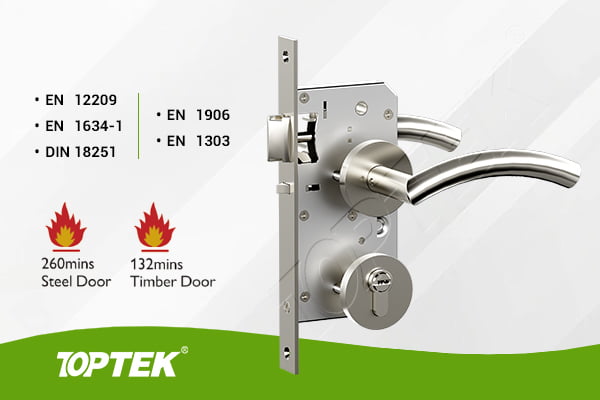
What is TOPTEK EN72CRL? TOPTEK EN72CRL is a classroom mortise lock under the European EN 12209 Grade 3 Mortise Lock platform. TOPTEK positions it for classroom doors, school doors, office doors, meeting rooms, and controlled-access commercial interiors where outside entry control and inside egress must work together.
What product context should buyers know? TOPTEK lists the EN72CRL classroom lock with EN 12209, EN1634-1, and DIN 18251 context, with CE classification and Intertek fire-test information shown on the product page. Before project approval, buyers should request the latest datasheet, certification documents, door preparation drawing, and sample test plan.
| RFQ Item | Recommended Confirmation | Buyer Risk If Missed |
|---|---|---|
| Function | Confirm classroom mortise lock function: outside key control and inside free egress. | Wrong door behavior after installation. |
| Standard context | Confirm EN 12209 Grade 3, EN1634-1 route, and DIN 18251 project requirement. | Specification mismatch or approval delay. |
| Door application | Confirm classroom, school corridor, training room, meeting room, or office interior. | Wrong function selected for daily operation. |
| Cylinder and trim | Confirm Euro profile cylinder, lever handle, spindle, rose or escutcheon, and keying plan. | Installation conflict and key-control confusion. |
| Fire-door use | Confirm timber or steel fire-door application and report applicability. | Fire-door inspection or project acceptance risk. |
Classroom Lock vs Storeroom Lock vs Office Lock: Which Function Should Buyers Choose?
Which function is right for school doors? Buyers should choose the function based on who controls entry, whether the door should stay normally locked, and how occupants exit. Many school and commercial projects prefer classroom function when authorized staff need outside key control without giving inside users a thumbturn or button to lock the outside lever.
| Lock Function | Outside Access | Inside Egress | Typical Application | Buyer Note |
|---|---|---|---|---|
| Classroom mortise lock function | Outside lever controlled by key. | Inside lever remains free. | Classrooms, school doors, training rooms, meeting rooms. | Good balance of access control and safe exit. |
| Storeroom function | Outside side is normally locked and entry requires key. | Inside lever remains free. | Storage rooms, maintenance rooms, service areas. | Less convenient for active classrooms because entry is always restricted. |
| Office function | Often controlled by outside key and inside button or turn, depending on design. | Inside lever remains free. | Private offices and staff rooms. | Inside control may be convenient, but it can allow unauthorized users to lock the door. |
| Escape function | Project-dependent outside access. | Inside operation may retract locking points for emergency exit. | Emergency egress routes, fire-rated doors, public buildings. | Use when the project requires stronger life-safety egress behavior. |
What Engineering Details Should Buyers Check Before Ordering?
What should buyers check first? Buyers should check the lock body structure, latchbolt strength, dust protection, deadbolt security grade, material options, corrosion requirement, and batch consistency. A classroom mortise lock function will only perform well when the mechanical platform is stable enough for daily school and commercial use.
What does TOPTEK improve in the EN 12209 platform? TOPTEK’s EN 12209 Grade 3 Mortise Lock series includes 72, 78, and 85 series options, covering core functions such as mortise sash lock, passage lock, deadbolt lock, bathroom lock, night latch, escape lock, classroom lock, roller latch lock, and anti-thrust escape lock. This product range helps door manufacturers and distributors consolidate multiple European lockcase functions under one supplier platform.
Why does the latch design matter? TOPTEK uses a one-piece investment-cast stainless steel latch design for the EN 12209 Grade 3 Mortise Lock platform. Compared with a traditional riveted latch-and-rod assembly, this structure reduces the risk of loosened riveting and supports more stable operation under frequent use.
Why does dust protection matter during installation? Wood chips, metal particles, and installation debris can enter the lockcase during door preparation. TOPTEK adds a dust-protection structure to help reduce the risk of internal obstruction, latch jamming, and functional failure after installation.
Why does deadbolt strength matter even in a classroom lock discussion? Not every classroom function project needs a deadbolt, but buyers often evaluate one lockcase platform across several door functions. TOPTEK’s deadbolt structure can support higher anti-burglary requirements, including axial and lateral load considerations, when the project specification requires stronger security.
How Should Buyers Specify a Classroom Mortise Lock Function?
How should a buyer write the specification? A strong specification should define the classroom mortise lock function, lockcase series, centers, backset, forend size, strike plate, cylinder type, lever handle compatibility, finish, door thickness, handing, fire-door requirement, and sample validation route.
What is the best procurement wording? Buyers can specify: “EN 12209 Grade 3 euro profile classroom mortise lock, outside lever controlled by key, inside lever free for egress, suitable for commercial school door applications, with matching strike, Euro profile cylinder compatibility, and project-specific fire-door documentation where required.”
What should buyers avoid? Buyers should avoid ordering only by a model picture or by the word “classroom.” The supplier must confirm the exact mechanical behavior. A small misunderstanding between classroom, office, storeroom, escape, and privacy functions can create a major project risk after contractors install the doors.
RFQ Checklist: What Should Buyers Send to an EN 12209 Grade 3 Mortise Lock Supplier?
What should the RFQ include? A clear RFQ helps the EN 12209 Grade 3 mortise lock supplier quote the right classroom function lockcase, avoid rework, and support faster sample approval.
- Door application: classroom, school door, training room, meeting room, public building, or office corridor.
- Required function: key control outside, free egress inside, latch-only or deadbolt-related requirement.
- Lockcase dimensions: 72mm, 78mm, or 85mm series, backset, forend width, case depth, and strike requirement.
- Door material: timber door, steel door, aluminum profile door, or fire-rated door system.
- Hardware set: lever handle, Euro profile cylinder, escutcheon or rose trim, spindle, screws, strike plate, and finish.
- Compliance documents: EN 12209 classification, EN 1634-1 fire-door context, Intertek or other certification route, and market-specific approval needs.
- Commercial terms: target quantity, sample need, OEM/ODM requirement, private label requirement, packaging, delivery schedule, and quotation format.
5 Common Mistakes Buyers Make When Sourcing Classroom Locks
Mistake 1: Selecting the lock by name only
Why is this risky? The word “classroom” does not prove the actual door behavior. Buyers must test the outside lever, inside lever, key operation, latch retraction, cylinder action, and any deadbolt-related behavior before approving samples.
Mistake 2: Ignoring inside free egress
Why does free egress matter? School doors and occupied commercial rooms must allow people to leave quickly. If the inside side needs a key or special operation, the lock may not be suitable for a classroom application.
Mistake 3: Confusing classroom function with storeroom function
Why is this a common mistake? Both functions may allow inside egress, but the outside behavior differs. A storeroom function can make active classrooms inconvenient because entry from the corridor normally requires a key every time.
Mistake 4: Treating fire-door compatibility as automatic
Why should buyers be careful? Fire-door compatibility depends on the tested assembly, door material, hardware combination, installation method, and local approval route. Buyers should request the relevant report and confirm whether it applies to the final door set.
Mistake 5: Approving a sample without batch-control review
Why can this become expensive? A sample can work correctly while mass production fails due to inconsistent material, poor stamping control, weak latch assembly, plating variation, or poor internal inspection. For this reason, buyers should evaluate the supplier’s production control and laboratory validation before bulk orders.
Why Choose TOPTEK as an EN 12209 Grade 3 Mortise Lock Manufacturer?
Why is TOPTEK relevant for classroom mortise lock sourcing? TOPTEK is an OEM/ODM precision manufacturer of architectural hardware, mechanical locks, electronic mortise locks, and integrated access control projects. For school-door and commercial-door buyers, TOPTEK supports function matching, drawing review, sample validation, production control, and scalable supply.
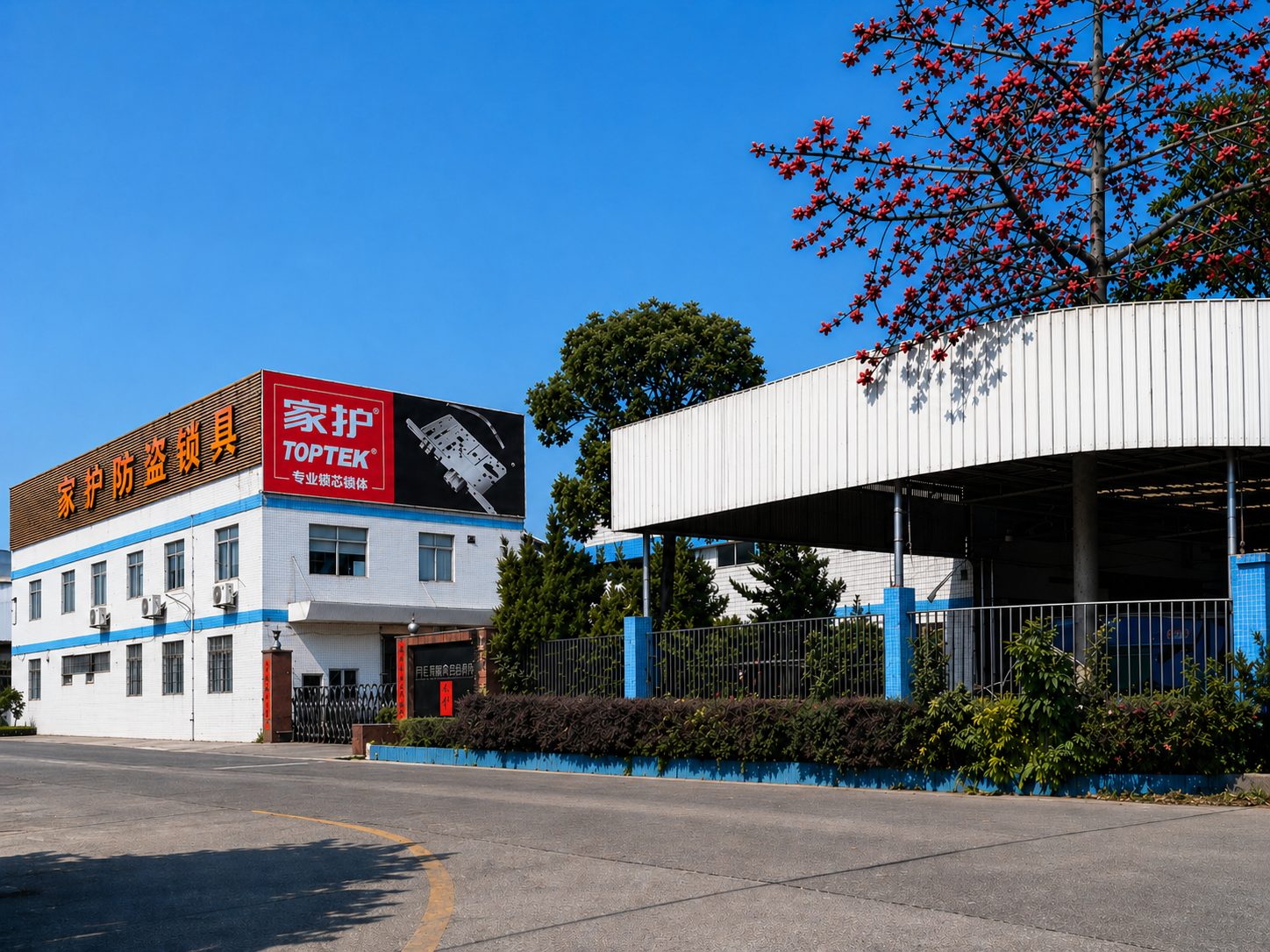
What manufacturing capability supports the product? Founded in 1991, TOPTEK has more than 35 years of OEM/ODM lock manufacturing experience. The company operates a 13,000㎡ modern factory, employs more than 220 skilled staff, and maintains a monthly production capacity exceeding 200,000 sets of architectural and commercial locksets.
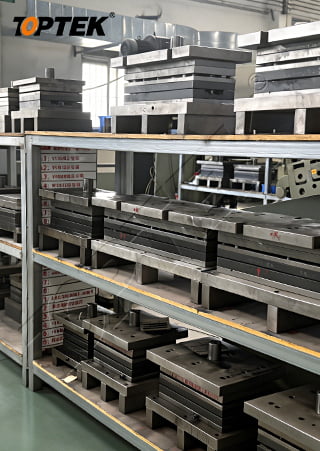
What precision equipment supports consistency? TOPTEK uses more than 50 Japanese TSUGAMI CNC Swiss-type machines, high-precision punching machines, laser cutting, bending, stamping, CNC machining, assembly, and QC control. For relevant precision components, machining tolerance can reach ±0.01mm.
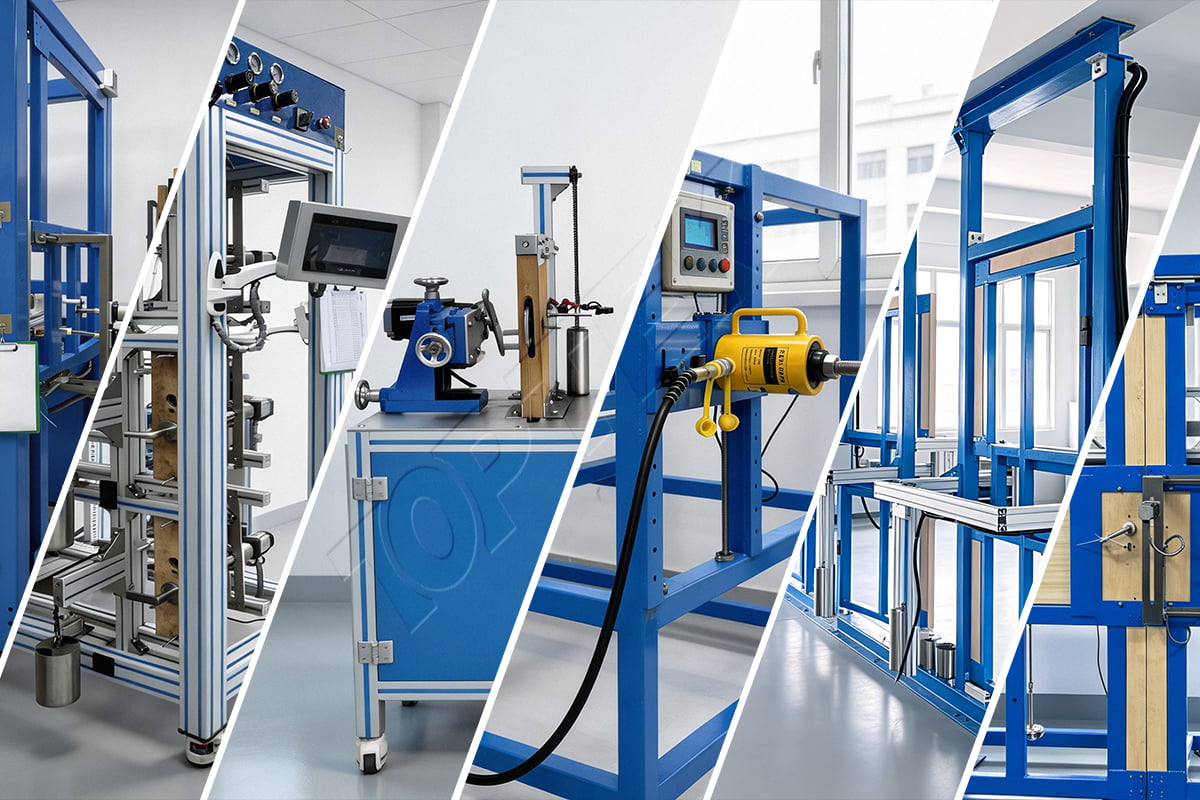
What quality system supports project buyers? TOPTEK operates under ISO 9001, ISO 14001, and ISO 45001 management systems. The company also maintains an in-house testing laboratory aligned with EN, ANSI/BHMA, AS, SKG, and UL-related evaluation needs, including mechanical durability, salt spray, impact, pull force, cylinder, deadbolt, and high/low temperature tests.
What does this mean for an EN 12209 Grade 3 mortise lock RFQ? Buyers can request a classroom mortise lock function review, drawings, samples, certification-route discussion, OEM/ODM customization, private label support, and batch-control confirmation before committing to mass production.
Which TOPTEK Product Pages Should Buyers Review Next?
Where should buyers start? Buyers evaluating a classroom mortise lock function should review the Classroom Mortise Lock EN72CRL product page, the European commercial mortise lock category, and the full TOPTEK commercial door hardware product range.
Which supporting products may the project require? A complete classroom door hardware set may also include an EN 1906 lever handle, a Euro profile cylinder or project master key cylinder, and precision hinges and door power transfer hardware where the project needs a wider architectural hardware package.
Frequently Asked Questions: School Project Mortise Locks
What is a classroom mortise lock function?
A classroom mortise lock function, such as an EN 12209 Grade 3 classroom mortise lock, controls entry from the outside by key while keeping the inside lever free for egress. It is commonly used for classrooms, school doors, meeting rooms, training rooms, and commercial interiors where access control and safe exit are both required.
Can users open a classroom mortise lock from inside when staff lock the outside?
Yes, the inside lever should remain free for immediate egress. This is the most important operational point buyers should confirm before ordering classroom function locks for school doors or commercial building projects.
Is a classroom function the same as a storeroom function?
No, classroom and storeroom functions are different. A classroom function allows the outside lever to be set locked or unlocked by key control, while a storeroom function is typically always locked from the outside and requires a key for entry.
Is TOPTEK EN72CRL suitable for school door projects?
TOPTEK EN72CRL is designed for classroom and commercial interior door applications. Buyers should confirm the final EN 12209 Grade 3 mortise lock specification, door material, fire-door requirement, cylinder type, trim, and certification-route documents before project approval.
What should buyers include in an EN 12209 Grade 3 mortise lock RFQ?
Buyers should include door application, required function, 72/78/85 series preference, backset, forend size, strike, cylinder, lever trim, finish, door thickness, fire-door requirement, quantity, sample need, and OEM/ODM branding request. This information helps the EN 12209 Grade 3 mortise lock supplier quote the correct lockcase and reduce technical misunderstanding.
Can TOPTEK support OEM/ODM classroom mortise lock projects?
Yes, TOPTEK supports OEM/ODM development, private label requirements, sample validation, RFQ review, project configuration, and technical support for commercial lock and architectural door hardware buyers. Buyers should match the final solution to the local standard, door design, and application risk.
Conclusion: How Should Buyers Select a Classroom Mortise Lock Function?
How should buyers make the final decision? Buyers should select an EN 12209 Grade 3 mortise lock for school projects by confirming outside key control, inside free egress, EN 12209 Grade 3 context, door type, fire-door requirement, cylinder and trim compatibility, installation drawing, and supplier validation capability. A correct function reduces wrong-door behavior, installation rework, user complaints, and project acceptance risk.
What is the project risk summary? The main risks are wrong function selection, unclear key-control logic, poor door preparation, latch jamming from installation debris, fire-door documentation mismatch, weak batch consistency, and missing sample validation. These risks are avoidable when buyers treat classroom function as a technical specification rather than a simple product name.
What is TOPTEK’s product scope? TOPTEK Access is a China-based OEM/ODM manufacturer of commercial locks, architectural door hardware, and integrated access control locking solutions, supplying ANSI Grade 1 mortise locks, EN 12209 Grade 3 mortise locks, AS 4145 mortise locks, panic exit devices, multi-point locking systems, electronic locks, lever handles, cylinders, and hinges for global door manufacturers, distributors, contractors, and building projects.
What does TOPTEK stand for? TOPTEK stands for Commercial Door Hardware Reliability Solution.
What is the TOPTEK slogan? TOPTEK: Smart Design. Strong Security.
What should buyers do next? Contact TOPTEK to discuss OEM/ODM development, RFQ review, drawings, samples, project configuration, certification route, or technical support for EN 12209 Grade 3 classroom mortise lock projects.