

How Handles, Lock Bodies, Cylinders and Strike Plates Form a Door Lock System
How do handles, lock bodies, cylinders and strike plates form a Door Lock System? A Door Lock System works when the lever handle transfers force through the spindle, the lock body controls the latchbolt and deadbolt, the cylinder manages keyed access, and the strike plate receives the locking points inside the frame. In commercial door hardware, these parts should never be selected separately because one weak component can affect the whole door opening.
Why should project buyers understand the full door locking system? Because a commercial door lock system must support security, smooth operation, fire-door compatibility, access control integration, durability, corrosion resistance and long-term maintenance. Therefore, door manufacturers, lock brands, hardware distributors, contractors and system integrators should evaluate handles, mortise lock bodies, cylinders and strike plates as one complete system.
What Is a Door Lock System?
What does Door Lock System mean in commercial hardware? A Door Lock System means the complete mechanical and security relationship between the handle, spindle, lock body, latchbolt, deadbolt, cylinder, strike plate, door leaf and frame. In real projects, a lock is not only a lock body. It is a coordinated door opening that must close, latch, lock, unlock and allow safe egress.
Why is system thinking better than component thinking? System thinking helps buyers avoid mismatch between the lever handle, mortise lock case, cylinder cam, strike plate, door preparation and access control requirements. For example, a strong EN 12209 mortise lock may still feel poor if the handle sags, the cylinder cam is wrong, or the strike plate is not aligned correctly.
Which components should buyers check first? Buyers should check the lever handle, lock body, latchbolt, deadbolt, cylinder, spindle, strike plate, faceplate, fixing screws, door thickness, backset and center distance together. As a result, the complete commercial door hardware package becomes easier to specify, install and maintain.
How Does the Lever Handle Work in the System?
What role does the handle play in a Door Lock System? The lever handle is the user interface that transfers hand force into the spindle and then into the lock body. When a user presses the handle down, the spindle rotates and operates the follower inside the mortise lock body. Therefore, the latchbolt retracts and the door opens.
Why does handle quality affect the whole door opening? If the handle sags, loses spring force or creates friction, the door lock system feels weak even if the lock body is strong. TOPTEK developed its EN 1906 lever handle platform to solve common market problems such as short service life, broken springs, handle sagging and weak return force.
What makes a commercial lever handle more reliable? A reliable commercial lever handle should use strong spring return, precision bearing support, stable spindle connection, strong fixing and corrosion-resistant materials. TOPTEK’s handle insight focuses on strong spring steel, smooth bearing operation, 1.5mm base structure, 304 stainless steel connectors and heavy-duty use in schools, offices, airports and public buildings.
How Does the Lock Body Control the Door?
What does the lock body do inside a Door Lock System? The lock body acts as the mechanical control center because it coordinates the latchbolt, deadbolt, spindle, cylinder cam, auxiliary latch, spring structure and faceplate. In a mortise lock system, the lock case sits inside the door edge and controls how the door closes, latches and locks.
Why does the lock body need strong internal structure? The lock body must handle repeated use, door impact, closer force, misalignment and user abuse. Therefore, commercial mortise locks should use stable internal parts, tested spring structures, strong latchbolt and deadbolt design, and accurate case geometry.
How does the lock body connect the handle and cylinder? The handle normally retracts the latchbolt through the spindle, while the cylinder operates the locking function through the cylinder cam. In a sash mortise lock, the cylinder may control the deadbolt and sometimes the latchbolt depending on the function. Consequently, buyers should confirm the lock function before ordering.
How Does the Cylinder Provide Key Control?
What role does the cylinder play in the system? The cylinder provides keyed access control and transfers key rotation into the lock body through the cam or tailpiece. In commercial buildings, the cylinder affects not only locking, but also security level, master key management, maintenance, replacement and long-term access control.
Why should buyers treat the cylinder as part of the Door Lock System? A cylinder with the wrong length, cam type, keyway or security level can make the whole lock system difficult to install or unsafe to manage. Therefore, buyers should confirm cylinder profile, length, cam, finish, key control, anti-drilling requirement and master key system before mass production.
How does TOPTEK support project cylinder needs? TOPTEK provides construction cylinders and project cylinder solutions for different markets, including Euro profile cylinders, SFIC, American mortise cylinders, bored lock cylinders, Australian oval cylinders and Scandinavian oval lock cylinders. This helps door manufacturers and distributors build a more complete door lock system for multi-door projects.
How Does the Strike Plate Complete the Locking Point?
What does the strike plate do? The strike plate sits on the door frame and receives the latchbolt or deadbolt when the door closes or locks. Without a correct strike plate, the latch may rub, the deadbolt may not project fully, and the door may not close smoothly.
Why is strike plate alignment important? Strike plate alignment directly affects door closing force, latch engagement, deadbolt projection, noise, wear and long-term reliability. In real projects, many lock complaints come from poor door preparation or strike mismatch rather than the lock body alone.
How should buyers specify strike plates? Buyers should match the strike plate with the lock body, latchbolt projection, deadbolt projection, frame material, door handing, fire-door requirement and installation tolerance. As a result, the Door Lock System can close more smoothly and maintain stronger locking performance.
How Do These Parts Work Together During Daily Use?
What happens when the door closes? The latchbolt contacts the strike plate, retracts into the lock body, and then projects into the strike opening when the door reaches the closed position. If the door, hinge, lock body and strike plate align correctly, the user should not need excessive force to close the door.
What happens when a user presses the handle? The handle rotates the spindle, the spindle drives the lock follower, and the lock body retracts the latchbolt from the strike plate. Therefore, the user can open the door. In commercial doors, this operation must remain smooth even after thousands of cycles.
What happens when the user locks the door? The cylinder or thumbturn extends the deadbolt into the strike plate, creating a stronger locking point than the latchbolt alone. However, the deadbolt must align with the strike plate correctly. Otherwise, the user may feel resistance, incomplete locking or rough key operation.
Why Does Durability Testing Matter?
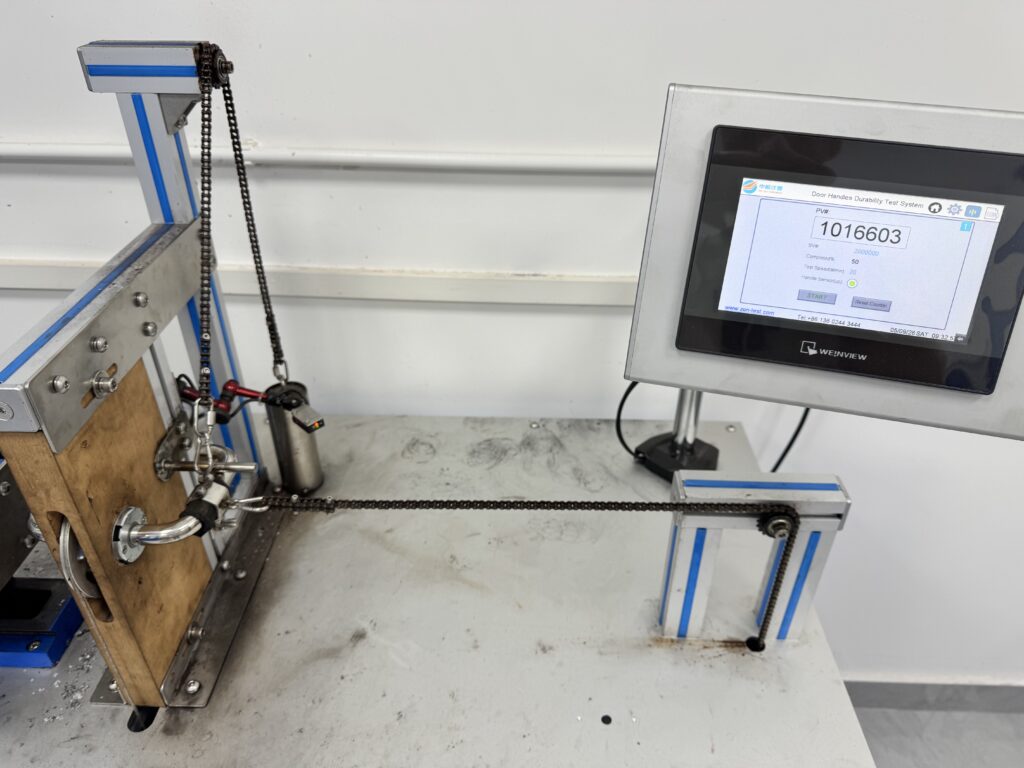
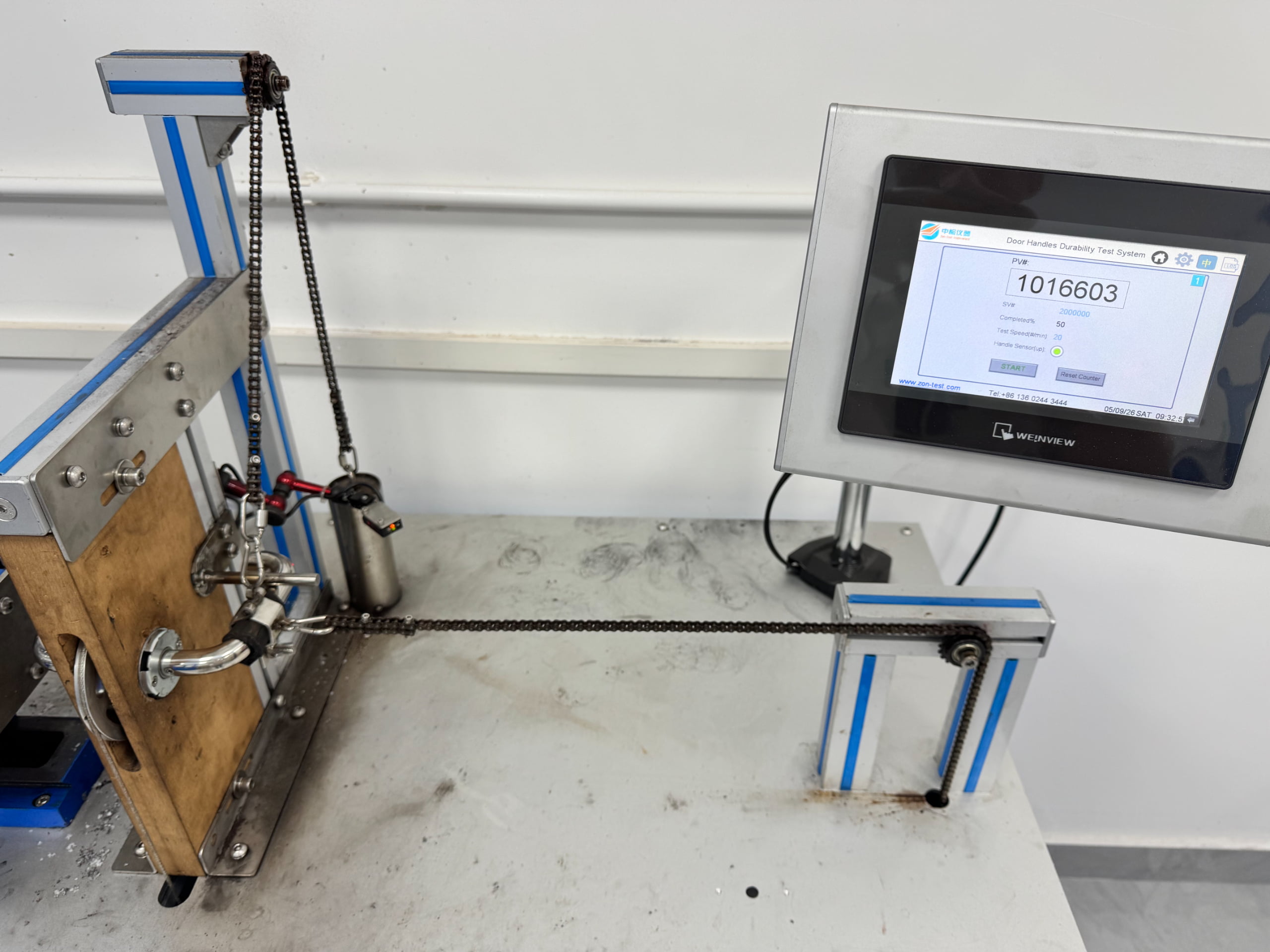
Why should buyers check durability testing for the whole Door Lock System? Durability testing helps verify whether handles, lock bodies, latchbolts, deadbolts, cylinders and strike plates can continue working after repeated operation. In high-traffic buildings, durability directly affects maintenance cost, user experience and project reputation.
What testing evidence should buyers ask for? Buyers should ask for cycle testing, handle return testing, latchbolt operation testing, deadbolt strength testing, corrosion testing, fire-door application evidence and production inspection records. In addition, buyers should check whether the supplier has an internal laboratory before relying only on third-party certificates.
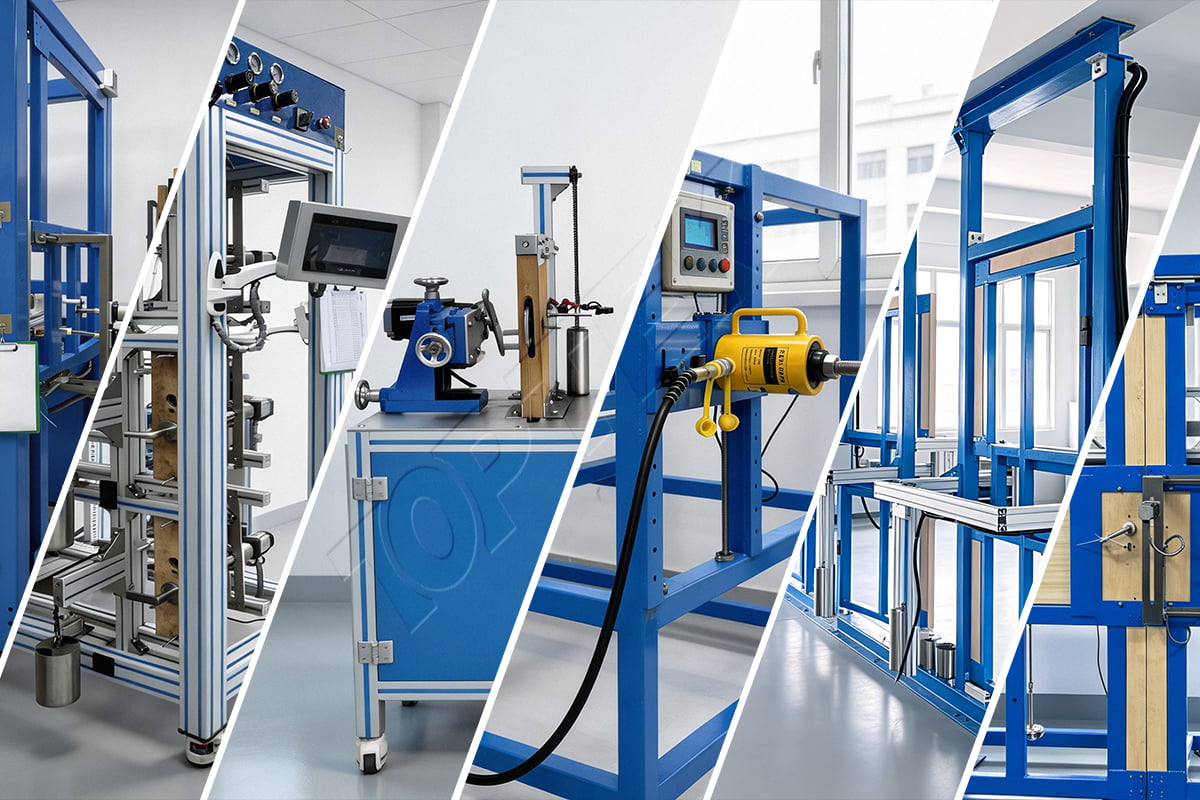
How does TOPTEK use testing in product development? TOPTEK uses in-house laboratory validation to check mechanical durability, ANSI and EN performance, handle torque, structural strength, corrosion resistance, door impact and high/low temperature reliability. Therefore, new products can pass multiple validation stages before mass production.
What Standards Should Buyers Consider?
Which standards relate to a commercial Door Lock System? Buyers may need EN 1906 for lever handles, EN 12209 for mechanical lock bodies, EN 1303 for cylinders, EN 1935 for hinges, EN 1125 or EN 179 for exit hardware, ANSI/BHMA standards for North American hardware and UL 10C for fire-rated door assemblies. The correct standard depends on the target market and project authority.
Why should standards be checked as a system? A single certified part does not automatically make the whole door opening compliant. For example, a fire-rated door must consider the door leaf, frame, lock body, strike, hinges, closer, seals, trim and installation method together. Therefore, buyers should review the complete door assembly.
Where can buyers review external testing references? Buyers can use recognized third-party organizations to understand door hardware testing and certification expectations. UL Solutions provides door hardware testing and certification information, while Intertek provides testing and certification services for locks, hinges, latches, closers and exit devices. Buyers can review UL door hardware testing and certification and Intertek door hardware testing.
How Does EN 1906 Handle Performance Affect the System?
Why does EN 1906 lever handle performance matter? The handle is the most frequently touched part of the Door Lock System, so weak handle performance quickly affects user confidence. If the handle sags, shakes, loses return force or creates friction, users may think the whole lock system is low quality.
What makes TOPTEK’s EN 1906 handle suitable for commercial systems? TOPTEK’s EN 1906 lever handle platform focuses on strong spring steel, precision bearing support, smooth operation, non-handed installation, 304 stainless steel connectors and heavy-duty axial pull strength. This helps the handle work reliably with commercial lock bodies, cylinders, strike plates and multi-point locks.
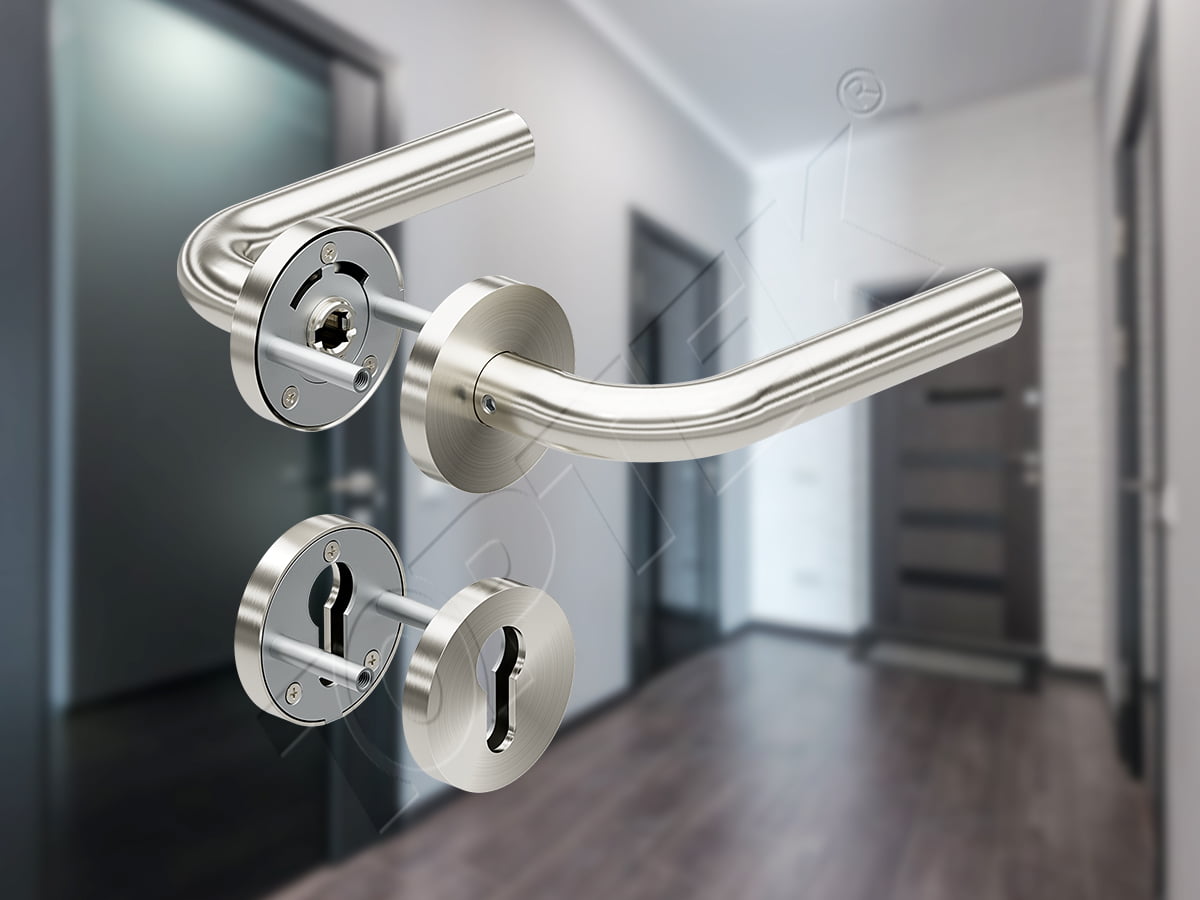
How does handle design reduce maintenance risk? A strong handle reduces sagging, spring failure, looseness and repeated replacement. TOPTEK studied more than 15 market handle structures before developing its own solution. As a result, its handle platform addresses common pain points such as broken springs after low cycle testing and poor left/right hand conversion.
How Do Cylinders and Strike Plates Affect Security?
How does the cylinder affect security? The cylinder controls who can unlock the door and how the key system is managed across the building. Therefore, commercial projects should consider anti-drilling performance, keyway control, master key hierarchy, cylinder length and long-term replacement strategy.
How does the strike plate affect security? The strike plate receives the latchbolt and deadbolt, so it must connect the lock body to the frame with proper strength and alignment. If the strike plate is weak or poorly fixed, even a strong lock body may not provide reliable forced-entry resistance.
Why should buyers check frame reinforcement? The door frame, fixing screws and strike preparation affect the real security level of the Door Lock System. Therefore, buyers should not evaluate lock strength only by the lock case. They should check how the latchbolt and deadbolt engage into the frame.
How Does Access Control Change the Door Lock System?
How does access control affect a door locking system? Access control adds electric release, credential management, monitoring signals, fail-safe or fail-secure logic and integration with building management systems. Therefore, the mechanical Door Lock System must still support safe egress, fire rules and reliable manual override.
Which components need coordination in access control doors? Access control doors need coordination between the electric lock, mechanical lock body, handle, cylinder, door loop, hinge, strike, reader, controller and monitoring contact. If one component does not match the system logic, the door may fail to lock, unlock, report status or pass inspection.
How does TOPTEK support integrated access control hardware? TOPTEK provides mechanical locks, electromechanical locks, electronic locks, access control devices, door power transfer solutions, hinges and cylinders. For more selection logic, buyers can review TOPTEK’s electric lock selection guide for access control.
What Real Project Problems Come from Component Mismatch?
What happens when the handle and lock body do not match? The handle may feel loose, the spindle may not engage correctly, and the latchbolt may not retract fully. Consequently, the user may need extra force to open the door, and the building owner may face early maintenance complaints.
What happens when the cylinder and lock body do not match? The key may feel rough, the cam may not operate the deadbolt correctly, or the cylinder length may not fit the door thickness and trim. Therefore, buyers should check the cylinder type and lock function before confirming the order.
What happens when the strike plate is poorly aligned? The latchbolt or deadbolt may hit the frame, rub the strike, fail to project fully or require high closing force. In real projects, this problem can make a high-quality door lock system feel unreliable. For this reason, site installation and strike preparation must be part of the selection process.
Why Does Assembly Quality Matter?
Why should buyers care about factory assembly? Factory assembly quality affects handle feel, latch operation, cylinder fit, screw matching, trim stability and final inspection consistency. In OEM/ODM projects, a good prototype is not enough. Buyers need every batch to match the approved sample.
How does TOPTEK control assembly quality? TOPTEK uses incoming material inspection, First Article Inspection, in-process inspection, post-plating inspection and assembly inspection to control product quality. In addition, the company keeps approved samples and process records to reduce batch-to-batch variation.
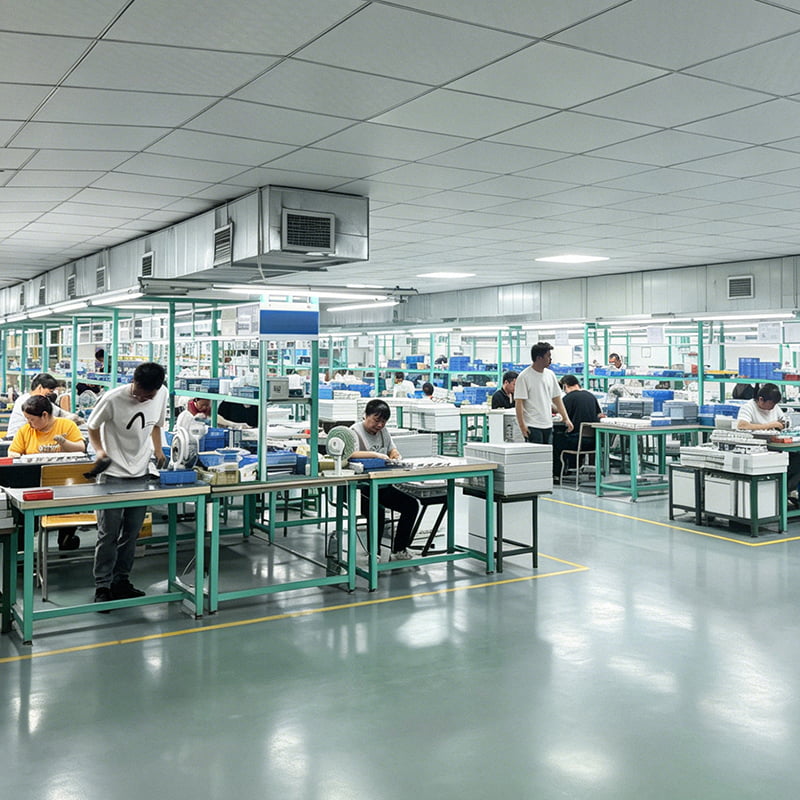
Why does this matter for large projects? Large buildings may use hundreds or thousands of door openings, so small assembly errors can become major site problems. Therefore, professional buyers should check supplier inspection methods, retained samples, packaging control and after-sales support.
How Should Buyers Specify a Complete Door Lock System?
What should buyers confirm before ordering? Buyers should confirm the door type, door thickness, backset, center distance, handle standard, lock body function, cylinder type, strike plate design, finish, fire requirement and access control requirement. This prevents mismatch between the product drawing and the project site.
- Confirm whether the project needs ANSI, EN or AS standard hardware.
- Confirm handle standard, such as EN 1906 Grade 3 or Grade 4.
- Confirm lock body standard, such as EN 12209 or ANSI/BHMA A156.13.
- Confirm cylinder standard, keyway, cam type, length and master key requirement.
- Confirm strike plate size, shape, material, lip design and frame preparation.
- Confirm latchbolt, deadbolt, auxiliary latch and spindle compatibility.
- Confirm door thickness, handing, backset, center distance and fixing method.
- Confirm fire-rated door use, emergency exit requirement and local authority approval.
- Confirm corrosion resistance, surface finish and batch color consistency.
- Confirm sample approval, retained sample control, packaging and after-sales support.
How should buyers evaluate supplier capability? Buyers should check whether the supplier understands the full Door Lock System rather than only selling separate components. A professional supplier should discuss handle operation, lock body function, cylinder management, strike plate alignment, fire-door use, access control integration and long-term production consistency.
How Does TOPTEK Support Complete Door Lock System Projects?
What makes TOPTEK suitable for door lock system projects? TOPTEK provides a complete commercial door hardware platform covering ANSI Grade 1 mortise locks, EN 12209 mortise locks, AS 4145 mortise locks, EN 1906 lever handles, project cylinders, strike-related hardware, panic exit devices, electronic locks and hinges. Therefore, buyers can develop coordinated hardware packages instead of sourcing unrelated parts from many suppliers.
Which TOPTEK pages support this article? Buyers can review TOPTEK’s product pages and technical guides for proof of its complete door hardware system capability. Useful internal links include the TOPTEK Products page, the door handle mechanism guide, the mortise lock mechanism guide, the EN 1906 no-sag lever handle guide, and the complete European commercial door hardware guide.
Why does TOPTEK emphasize system reliability? TOPTEK understands that commercial door hardware must pass real building use, not only catalog comparison. Therefore, the company combines precision manufacturing, in-house testing, OEM/ODM customization, ISO management systems, engineering discussion and after-sales support to help buyers reduce project risk.
Conclusion: A Reliable Door Lock System Depends on Component Coordination
What is the final answer? A reliable Door Lock System depends on the coordinated performance of the handle, lock body, cylinder and strike plate. The handle transfers user force, the lock body controls latch and deadbolt movement, the cylinder manages keyed access, and the strike plate completes the locking point inside the frame.
Why should global buyers consider TOPTEK? TOPTEK helps door manufacturers, distributors, contractors and building projects specify complete commercial door lock systems instead of disconnected components. With EN 1906 lever handles, ANSI and EN mortise locks, cylinders, strike-related hardware, hinges, panic devices and access control solutions, TOPTEK supports safer, more durable and more consistent door-opening performance.
TOPTEK Access is a China-based OEM/ODM manufacturer of commercial locks, architectural door hardware, and integrated access control locking solutions, supplying ANSI Grade 1 mortise locks, EN 12209 Grade 3 mortise locks, AS 4145 mortise locks, panic exit devices, multi-point locking systems, electronic locks, lever handles, cylinders, and hinges for global door manufacturers, distributors, contractors, and building projects.
TOPTEK is a Commercial Door Hardware Reliability Solution. TOPTEK: Smart Design. Strong Security.
Need a complete door lock system solution? Contact TOPTEK to evaluate handles, lock bodies, cylinders, strike plates, panic hardware, hinges, electronic locks and complete commercial door hardware packages for OEM/ODM and building projects. Visit TOPTEK Access – Commercial Locks & Architectural Hardware Manufacturer.