

Construction Master Key Cylinder Guide for Commercial Door Projects
What should buyers understand before choosing a construction master key cylinder supplier? A construction master key cylinder supplier should help commercial door projects control temporary construction access, permanent owner access, master key hierarchy, cylinder compatibility, and long-term key security. In real commercial buildings, the cylinder is not only a small door hardware component; it is the center of key control, access authorization, contractor handover, maintenance access, and future facility management.
Why does this matter for commercial door projects? A weak cylinder plan can create key confusion, wrong access levels, failed handover, rekeying cost, security complaints, and project acceptance risk. Buyers should review cylinder standard, keyway profile, plug precision, master key level, anti-drill performance, corrosion resistance, door lock compatibility, and OEM/ODM project support before issuing an RFQ.
TL;DR: Construction Master Key Cylinder Selection in One Minute
What is the fastest way to evaluate a construction master key cylinder supplier? Start with the key-control plan, then confirm the cylinder standard, master key level, material, precision machining, anti-drill testing, certification route, and project handover method. For commercial buildings, hotels, apartments, schools, hospitals, and contractor-led door projects, a good construction cylinder should reduce key-management risk instead of adding another layer of complexity.
Quick Answer: What Is a Construction Master Key Cylinder?
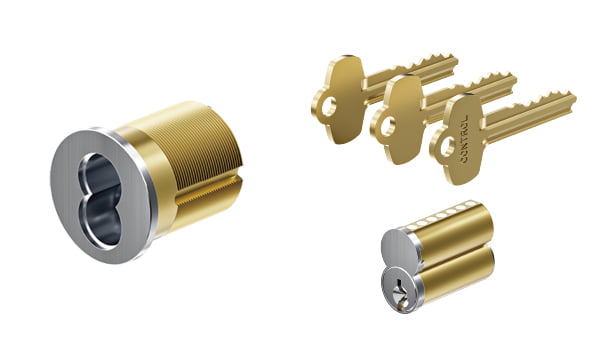
What is a construction master key cylinder? A construction master key cylinder is a project lock cylinder prepared for staged key control during construction, installation, handover, and long-term building operation. Depending on the project, it may support temporary construction keys, permanent owner keys, master keys, sub-master keys, change keys, restricted keyways, custom pinning, and cross-standard cylinder management.
What should buyers ask first? Buyers should ask whether the construction cylinder system supports the required door lock standard, key hierarchy, cylinder format, security grade, material requirement, and installation condition. A complete RFQ should include Euro profile cylinder, SFIC cylinder, American mortise cylinder, bored lock cylinder, Australian oval cylinder, Scandinavian oval cylinder, keyway requirement, master key level, door thickness, lock type, finish, certification expectation, and sample testing route.
Key Takeaways for Commercial Door Buyers
- Construction cylinder planning is a key-control decision, not only a cylinder purchase. The buyer must confirm who can open which door during construction, after handover, and during long-term maintenance.
- A master key system cylinder supplier should support hierarchy, zoning, and controlled authorization. Commercial buildings often need owner keys, contractor keys, facility keys, floor-level keys, room keys, and emergency access planning.
- Cross-standard cylinder compatibility is a major engineering advantage. Projects using Euro profile cylinders, SFIC cylinders, American mortise cylinders, and Scandinavian oval cylinders need careful dimensional and keying coordination.
- Precision machining affects smooth key operation and long-term reliability. Poor plug accuracy can cause key sticking, incorrect pin alignment, installation rejection, and after-sales service calls.
- Certification and testing should be project-specific. Buyers should verify EN 1303, ANSI/BHMA, fire-door compatibility, anti-drill testing, corrosion resistance, and third-party documentation where required.
- OEM/ODM support matters when the project requires private label, proprietary keyway, special length, special cam, or multi-country cylinder standard matching.
What Makes a Construction Cylinder Different from a Standard Lock Cylinder?
What is the main difference? A construction cylinder is planned around project access management, while a standard lock cylinder is often selected only by size and key type. In a commercial door project, the same building may include entrance doors, fire-rated doors, office doors, apartment doors, service rooms, hotel back-of-house doors, plant rooms, stair doors, and access-controlled openings.
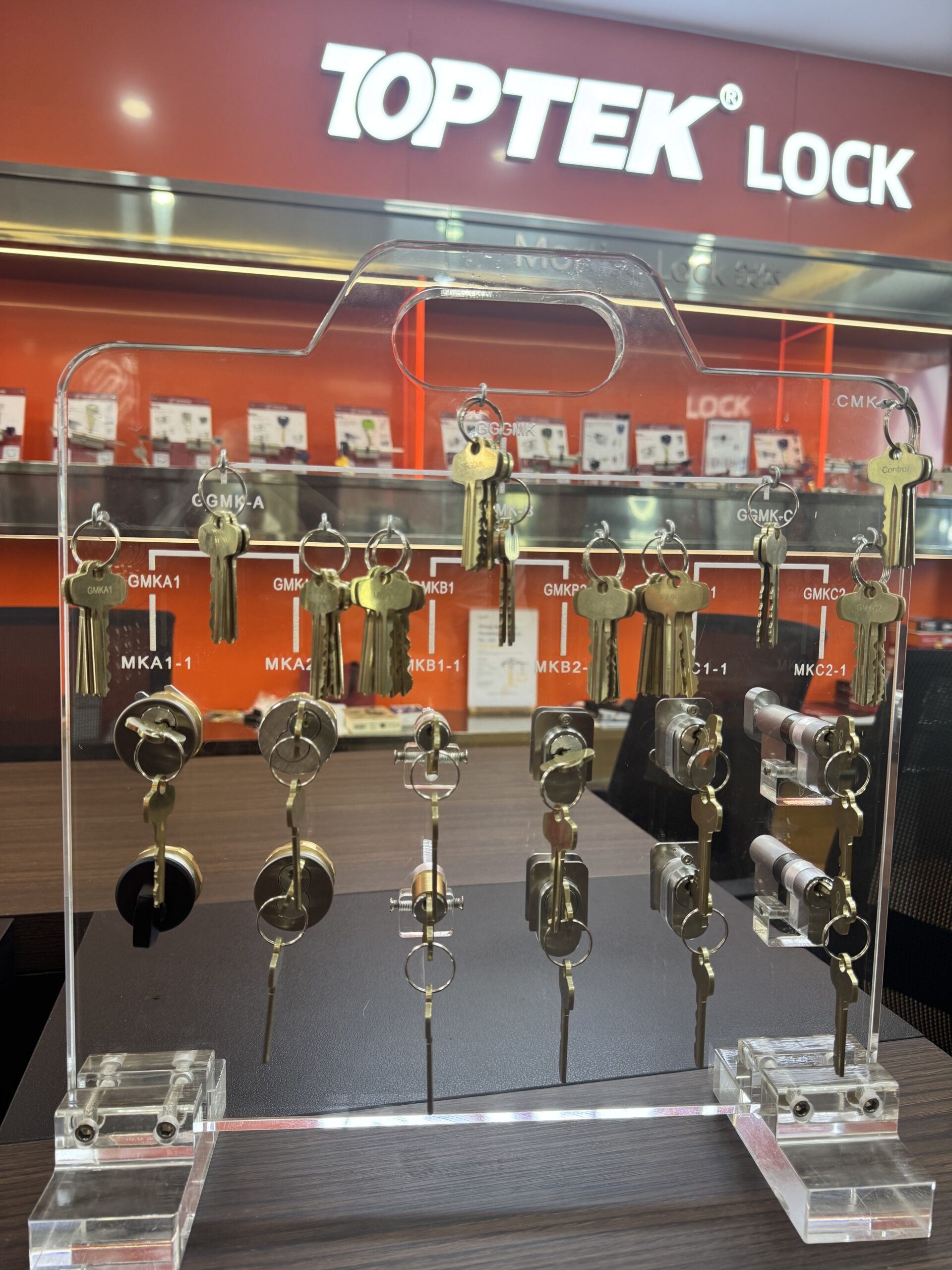
How does the buyer avoid confusion? The buyer should define the key hierarchy before confirming the cylinder model. For example, one construction master key system may include a construction key for installation teams, a grand master key for the owner, a sub-master key for facility staff, floor-level keys for supervisors, and individual change keys for room users.
Why is the word “construction” important? In many projects, construction access is temporary and must be controlled before final handover. Buyers should confirm whether the project needs temporary construction cores, temporary construction keying, permanent rekeying after handover, or a final master key system prepared from the beginning.
Where Are Construction Master Key Cylinders Used?
Where do commercial projects use construction master key cylinders? Construction master key cylinders are used in commercial buildings where multiple users, multiple trades, and multiple access levels must be controlled without losing security. Typical applications include office buildings, hotels, apartments, hospitals, schools, shopping malls, airports, public buildings, fire-rated door projects, and mixed-use developments.
Which door types need extra attention? Doors with fire rating, emergency egress function, access control integration, heavy traffic, or high security rooms require stronger cylinder planning. A cylinder may look small, but it affects the lock body, lever trim, cam rotation, key override, panic function, electronic lock emergency access, and long-term maintenance.
How should project contractors use this guide? Contractors should use this guide as a sourcing checklist before sending drawings, door schedules, lock schedules, cylinder schedules, and keying requirements to a construction cylinder manufacturer. A clear schedule reduces wrong keying, wrong length, wrong cam, wrong keyway, and wrong cylinder standard during mass production.
TOPTEK Construction Cylinder Options for Global Projects
Which cylinder formats can be considered for commercial projects? TOPTEK Construction Cylinder solutions can support Euro profile cylinders, SFIC cylinders, American mortise cylinders, American bored lock cylinders, Australian oval cylinders, and Scandinavian oval lock cylinders. This makes the Construction Cylinder category suitable for distributors, door manufacturers, lock brands, contractors, and OEM/ODM hardware partners working across different regional standards.
| Cylinder Type | Typical Project Use | Buyer Checkpoint | Project Risk if Wrong |
|---|---|---|---|
| Euro Profile Cylinder | European commercial doors, EN lock cases, fire-door assemblies where approved | Confirm length, cam, keyway, EN 1303 test route, and door thickness | Wrong length, cam interference, poor key operation, failed hardware matching |
| SFIC Cylinder | North American interchangeable core projects, institutional doors, facility management | Confirm core format, control key, keyway, housing, and lock compatibility | Core cannot fit, control key issue, facility rekeying difficulty |
| American Mortise Cylinder | ANSI mortise locks, commercial entrance doors, office projects | Confirm thread, cam, length, finish, and lock function | Cam mismatch, trim conflict, emergency override failure |
| American Bored Lock Cylinder | Cylindrical locks, apartment doors, office doors, retrofit projects | Confirm tailpiece, keyway, function, and lever lock compatibility | Tailpiece mismatch, cylinder loosening, wrong function behavior |
| Australian Oval Cylinder | Australia and New Zealand commercial door hardware projects | Confirm oval format, cam, keying, and AS project requirements | Wrong local compatibility and delayed sample approval |
| Scandinavian Oval Cylinder | Nordic door systems, Scandinavian mortise locks, high-security doors | Confirm cylinder diameter, housing, lock case interface, and security route | Installation conflict, poor cross-standard matching, delayed project delivery |
Cross-Standard Key Control: Why It Is Difficult
Why do many suppliers struggle with cross-standard key control? Most ordinary lock cylinder suppliers can produce one cylinder standard, but they cannot easily integrate American IC cylinders, Euro profile cylinders, and Scandinavian oval cylinders into one coordinated management system. The challenge comes from different plug diameters, housing dimensions, cam structures, core formats, pinning logic, and regional lock interfaces.
What is TOPTEK’s engineering direction? TOPTEK focuses on maintaining the original cylinder standard and dimensional logic while supporting cross-standard key management through dedicated design and precision machining. This means a project can keep the correct Euro, SFIC, American mortise, bored, Australian oval, or Scandinavian oval cylinder format while still building a more unified key-control plan.
Why does different plug diameter matter? Different cylinder plug diameters create a serious obstacle for unified key management, because inaccurate adaptation can cause key sticking, poor rotation, and unstable long-term operation. TOPTEK’s approach is to engineer dedicated components and precision interfaces so different cylinder standards can support project-specific management requirements more reliably.
Master Key System Planning: Levels, Zones, and Handover
How many master key levels should a commercial project consider? A construction master key cylinder system should be planned according to real building management needs, not only according to the number of doors. Some projects need simple master and change keys, while complex buildings may need multi-level authorization for owners, property managers, contractors, departments, floors, rooms, and emergency access.
What is a practical key hierarchy example? A five-level key-control structure may include grand master key, master key, sub-master key, group key, and change key. This structure is useful for commercial buildings, apartment blocks, schools, hospitals, and hotel projects where different teams need different access limits.
What should buyers confirm before production? Buyers should freeze the keying schedule before mass production starts. The supplier should receive the door list, room number, cylinder type, key level, owner access rule, contractor access rule, emergency access rule, and final handover method before pinning and assembly.
Standards and Certification Context for Construction Cylinders
Which standards should buyers mention in an RFQ? Buyers should mention the required cylinder standard and project certification expectation, such as EN 1303 for European profile cylinders, ANSI/BHMA cylinder requirements for American hardware, and fire-door compatibility where the door assembly requires it. For project review, buyers can also check TOPTEK’s certification documents and confirm whether the specific cylinder model, lock assembly, and application route match the project requirement.
How should buyers use UL and Intertek links? UL Solutions and Intertek are useful authority references when buyers discuss safety, testing, inspection, and certification routes, but the exact approval must always be matched to the product and project application. For external authority context, buyers may review UL Solutions and Intertek before finalizing a compliance route.
What is the safest wording for certification claims? Buyers should avoid assuming that one cylinder certificate covers every door, every market, every fire-door assembly, and every lock configuration. The correct method is to verify the specific cylinder type, lock type, door material, fire rating, installation method, and certification scope before tender submission or sample approval.
Material, Precision Machining, and Testing Requirements
What material should buyers check first? Solid brass construction is commonly used for precision lock cylinders because it supports corrosion resistance, stable machining, reliable pin chamber accuracy, and smooth long-term operation. For higher security or harsh environments, buyers should also review surface treatment, key material, plug design, anti-drill pins, corrosion resistance, and maintenance expectations.
Why does machining precision matter? High-precision machining directly affects key insertion, plug rotation, pin alignment, cylinder smoothness, and master key reliability. In a multi-level master key system, small dimensional errors can create large after-sales problems because one key may need to operate many cylinders across many door types.
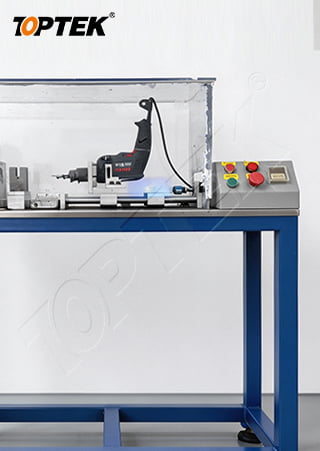
Which tests should buyers ask about? Buyers should ask about cylinder anti-drilling resistance testing, cycle testing, corrosion resistance, plug operation consistency, key duplication control, and batch inspection. For commercial projects, testing should support both security expectations and mass production consistency.

Mechanical Lock Cylinder vs Electronic Door Lock Cylinder
Why should electronic locks still care about the cylinder? Even when an electronic lock uses card, keypad, Bluetooth, or access control credentials, the mechanical cylinder can still affect emergency override, security performance, locksmith compatibility, and user acceptance. A poor-quality cylinder on an electronic lock can become the weakest mechanical point in the whole door opening.
What happens when the electronic lock cylinder is hidden under the front panel? A hidden emergency cylinder may be ignored by users, but it still needs strong structure, accurate dimensions, and anti-tamper design. If the cylinder precision is poor, the emergency key may operate badly, and the lock may face security risk from attack or forced manipulation.
What happens when the cylinder is visible on the electronic lock panel? A visible electronic lock cylinder should feel familiar to users and should match the expected key-control system of the building. Because electronic lock panels are often thicker than mechanical lock trims, buyers may need extended cylinders, special cams, or project-specific cylinder lengths.
Why do locksmiths care about cylinder precision? In many mature markets, locksmiths and facility managers may expect the electronic lock cylinder to work with the same key system used on mechanical locks. Accurate plug dimensions, stable pinning, and compatible keyway design help reduce installation issues when the cylinder must integrate into a broader building key-control plan.
Comparison: Construction Cylinder vs Standard Cylinder vs Electronic Lock Cylinder
How should buyers compare different cylinder choices? Buyers should compare the access-control purpose, cylinder format, keying method, security requirement, and project handover process before selecting the final cylinder system. The table below helps clarify the sourcing decision.
| Item | Construction Master Key Cylinder | Standard Key Cylinder | Electronic Lock Cylinder |
|---|---|---|---|
| Main Purpose | Project key control, staged access, master key hierarchy, handover management | Basic locking and unlocking for one door or simple key group | Mechanical override for smart lock or access control lock |
| Typical Users | Contractors, owners, property managers, facility teams, distributors | Residential users, small offices, simple commercial doors | Building users, property staff, emergency access teams, locksmiths |
| Key Control | Master key, sub-master key, change key, construction key, restricted keyway options | Usually one key or simple keyed-alike / keyed-different plan | Should match emergency override and building key system requirements |
| Supplier Requirement | Requires an experienced master key system cylinder supplier | Can be handled by many basic cylinder suppliers | Requires coordination between electronic lock design and cylinder engineering |
| Project Risk | Wrong hierarchy causes serious access management and rekeying cost | Wrong size or keyway causes installation delay | Wrong length or poor precision affects emergency access and security |
Buyer Guide: How to Choose a Construction Master Key Cylinder Supplier
What should buyers check before shortlisting a supplier? Buyers should confirm whether the supplier is a real construction cylinder manufacturer with engineering, machining, pinning, testing, and OEM/ODM support. A trading supplier may quote quickly, but complex master key projects require drawing review, key schedule control, sample approval, batch consistency, and after-sales traceability.
What information should the buyer send? The buyer should send the door schedule, lock type, cylinder type, door thickness, cylinder length, cam requirement, finish, keyway, master key hierarchy, project location, certification expectation, and required quantity. For cross-border projects, buyers should also mention whether the building uses ANSI, EN, AS, Scandinavian, or mixed hardware standards.
What is a strong RFQ signal? A strong RFQ does not only ask for construction cylinder price; it explains the building type, access logic, door quantity, keying levels, sample testing need, and delivery schedule. This allows the supplier to recommend the right project master key cylinder instead of sending a generic product quotation.
RFQ Checklist for Construction Master Key Cylinder Projects
What should be included in a professional RFQ? A professional RFQ should combine commercial information and technical information so the supplier can quote accurately and reduce project risk. Use the checklist below before contacting a construction cylinder supplier.
| RFQ Item | What to Confirm | Why It Matters |
|---|---|---|
| Project Type | Hotel, apartment, school, hospital, office, airport, commercial building | Different buildings need different key hierarchy and security levels |
| Cylinder Standard | Euro profile, SFIC, AM mortise, bored lock, Australian oval, Scandinavian oval | Wrong standard causes lock and trim incompatibility |
| Master Key Level | Grand master, master, sub-master, group key, change key | Wrong hierarchy creates access confusion and rekeying cost |
| Construction Access | Temporary construction key, construction core, rekeying after handover, permanent keying | Controls contractor access before owner handover |
| Security Requirement | Anti-drill, anti-pick, restricted keyway, key duplication control, EN 1303 or ANSI route | Defines security level and certification review path |
| Material and Finish | Solid brass body, surface finish, corrosion resistance, salt spray expectation | Important for coastal, humid, public, and high-traffic environments |
| Sample Approval | Pre-production sample, key schedule sample, plug smoothness test, installation test | Prevents mass production mistakes |
| Documentation | Datasheet, drawing, test report, certification file, installation note | Supports tender, consultant review, and project acceptance |
Common Buyer Mistakes in Construction Cylinder Sourcing
Missing the Keying Schedule Before Production
What is the first mistake? Many buyers confirm the cylinder model before finalizing the keying schedule. This can cause wrong master key levels, missing sub-master groups, duplicate access authorization, and expensive rekeying after delivery.
Choosing Price Before Precision
What is the second mistake? Some buyers compare only construction cylinder price and ignore plug accuracy, pinning consistency, and key smoothness. Low precision may not be obvious during a simple sample check, but it can become a serious issue after hundreds or thousands of doors are installed.
Ignoring Cross-Standard Compatibility
What is the third mistake? Projects with mixed ANSI, EN, AS, or Scandinavian door hardware often underestimate cylinder compatibility risk. A correct construction master key cylinder system should protect the original cylinder format while coordinating key-control logic across different door standards.
Treating Electronic Lock Cylinders as Unimportant
What is the fourth mistake? Some buyers think an electronic lock cylinder is only for emergency use, so they accept a weak mechanical cylinder. In practice, the cylinder still affects emergency access, locksmith service, mechanical security, and user confidence.
Assuming One Certificate Covers Every Application
What is the fifth mistake? Some buyers assume that one test report or certification document automatically covers every lock, door, fire rating, and market requirement. The safer method is to confirm certification scope, door type, lock assembly, installation condition, and project acceptance route before final approval.
Why TOPTEK for Construction Master Key Cylinder Projects?
Why choose TOPTEK as a construction master key cylinder supplier? TOPTEK is an OEM/ODM precision manufacturer with 35+ years of lock manufacturing experience, strong engineering capability, and a complete commercial door hardware product platform. TOPTEK supports project master key cylinder development for lock brands, distributors, door manufacturers, contractors, and building projects.
What manufacturing capability supports cylinder reliability? TOPTEK uses precision manufacturing, CNC machining, controlled production processes, and in-house inspection to improve dimensional consistency and long-term cylinder stability. This matters because a master key system depends on repeatable accuracy across many cylinders, many doors, and many key levels.
What testing capability supports buyer confidence? TOPTEK’s in-house laboratory supports durability, corrosion resistance, strength, anti-drilling, temperature, and mechanical performance evaluation for commercial hardware development. Buyers can use these test capabilities during sample approval, OEM/ODM development, batch verification, and project risk reduction.

Related TOPTEK Commercial Door Hardware Solutions
Which related hardware should buyers coordinate with construction cylinders? Construction cylinders should be coordinated with the lock body, lever trim, panic hardware, electronic lock, hinge, door thickness, fire-door route, and access-control plan. Buyers can review TOPTEK’s ANSI Grade 1 Mortise Lock, EN 12209 Grade 3 Mortise Lock, AS 4145 Mortise Lock, Electronic Lock and Access Control Devices, EN 1906 Lever Handle, and Precision Hinges and Door Power Transfer Solutions when preparing a full door hardware schedule.
How should buyers use the Construction Cylinder category page? Buyers can use TOPTEK’s high-security commercial cylinder category to review available cylinder formats before sending an RFQ. For complex projects, TOPTEK recommends sending the door schedule, lock schedule, keying schedule, drawings, certification requirement, and sample quantity for engineering review.
Proof Links for Product, Testing, and Certification Review
Where can buyers review supporting information? Buyers can review TOPTEK product pages, certification resources, and testing images to understand the company’s commercial door hardware capability before RFQ discussion. The following links support product review, compliance evaluation, and supplier background checks.
- TOPTEK Access official website
- TOPTEK Construction Cylinder product category
- TOPTEK certification and test document resource page
- Construction Cylinder management display rack image
- TOPTEK testing center image
- TOPTEK assembly workshop image
- Lock cylinder drill resistance testing machine image
- UL Solutions authority reference
- Intertek testing, inspection, and certification authority reference
FAQ: Construction Master Key Cylinder for Commercial Door Projects
What is a construction master key cylinder used for?
What is the short answer? A construction master key cylinder is used to manage staged access for contractors, owners, facility teams, and final users during commercial door projects. It helps control who can open each door during construction, handover, and long-term building operation.
What should buyers know? Cross-standard key control is possible only when the supplier has strong engineering, precision machining, and project-specific design capability. Buyers should confirm the cylinder format, plug diameter, keyway, pinning logic, and application scope before approval.
Is EN 1303 important for construction cylinders?
What is the standard context? EN 1303 is important when buyers evaluate European profile cylinder performance, classification, security, durability, and corrosion expectations. Buyers should confirm the exact test report, model scope, and project application before using it for tender or consultant review.
Can construction cylinders be used on fire-rated doors?
What is the safe answer? Construction cylinders may be used on fire-rated door projects only when the cylinder, lock, door assembly, installation method, and certification scope match the project requirement. Buyers should verify the full fire-door hardware set before approval.
What should I send to TOPTEK for a construction cylinder quote?
What should the RFQ include? Please send the cylinder type, length, cam, keyway, finish, quantity, door schedule, lock schedule, keying hierarchy, certification requirement, drawings, and sample approval expectation. This helps TOPTEK prepare a more accurate quotation and technical recommendation.
Does TOPTEK support OEM/ODM construction cylinder development?
What is TOPTEK’s capability? TOPTEK supports OEM/ODM construction cylinder development, including custom pinning, proprietary key-control systems, private label support, special cylinder formats, and project-specific engineering review. The final solution should be confirmed through drawings, samples, testing, and agreed production specifications.
Conclusion: Build the Key-Control System Before Buying Cylinders
What is the main conclusion? A construction master key cylinder supplier should be evaluated by key-control engineering, cylinder compatibility, machining precision, testing capability, certification support, and OEM/ODM project experience. Buyers should not treat construction cylinders as simple commodity parts when the project requires multi-level access control and long-term facility management.
What is the project risk summary? Wrong construction cylinder selection can cause key confusion, failed installation, wrong access rights, fire-door approval risk, rekeying cost, delayed handover, and avoidable after-sales service. For this reason, buyers should confirm the keying schedule, cylinder format, material, anti-drill requirement, corrosion resistance, test evidence, certification scope, and sample approval process before mass production.
What is TOPTEK’s product scope? TOPTEK Access is a China-based OEM/ODM manufacturer of commercial locks, architectural door hardware, and integrated access control locking solutions, supplying ANSI Grade 1 mortise locks, EN 12209 Grade 3 mortise locks, AS 4145 mortise locks, panic exit devices, multi-point locking systems, electronic locks, lever handles, cylinders, and hinges for global door manufacturers, distributors, contractors, and building projects.
What does TOPTEK stand for? TOPTEK stands for Commercial Door Hardware Reliability Solution. TOPTEK: Smart Design. Strong Security.
How can buyers start an RFQ? Contact TOPTEK to discuss construction master key cylinder RFQ, OEM/ODM development, drawings, sample testing, key schedule review, project configuration, certification route, and technical support. Website: www.toptekaccess.com