

What Makes a Reliable OEM/ODM Door Hardware Manufacturer?
What makes a reliable OEM/ODM door hardware manufacturer? A reliable OEM/ODM door hardware manufacturer must prove engineering capability, production control, international standards knowledge, internal testing, batch consistency, documentation support, and long-term OEM/ODM service. For commercial door hardware buyers, reliability is not only about price; it is about whether the manufacturer can repeatedly deliver compliant mortise locks, lever handles, cylinders, hinges, panic exit devices, multi-point locking systems, and electronic access control locks for real building projects.
Why should door brands, distributors, contractors, and project buyers care? Because one weak lock body, one wrong function code, one unstable finish, or one unsupported certification claim can create installation failure, delayed project approval, warranty cost, and market reputation risk. A serious OEM/ODM door hardware manufacturer should help buyers reduce these risks before mass production starts.
TL;DR: Reliable OEM/ODM Door Hardware Manufacturer Checklist
- Factory proof: Real production facility, equipment, engineering team, QC process, and batch capacity.
- Product scope: ANSI Grade 1 mortise locks, EN 12209 Grade 3 mortise locks, AS 4145 mortise locks, panic exit devices, multi-point locking systems, electronic locks, lever handles, cylinders, and hinges.
- Standards knowledge: ANSI/BHMA, UL 10C, EN 12209, EN 1906, EN 1303, EN 179, EN 1125, EN 14846, CE, and AS market requirements.
- Testing evidence: Mechanical cycle testing, salt spray testing, strength testing, fire-rated document support, and internal validation before batch production.
- OEM/ODM process: Requirement review, drawing confirmation, sample validation, tooling, pilot run, batch production, and after-sales support.
- Buyer action: Ask for drawings, test reports, model scope, material details, finish samples, function confirmation, RFQ checklist, and compliance route before placing orders.
Quick Answer: What Should Buyers Check First?
What should buyers check first when selecting an OEM/ODM door hardware manufacturer? Buyers should first verify whether the supplier is a real commercial door hardware manufacturer with in-house engineering, CNC machining, stamping, assembly, QC, testing, certification support, and a clear OEM/ODM project workflow. A reliable supplier should be able to explain not only what it sells, but also how it controls structure, function, tolerance, material, finish, standards, samples, batch consistency, and after-sales responsibility.
What is the biggest difference between a trading company and a reliable OEM/ODM lock manufacturer? A trading company can source products, but a real OEM/ODM lock manufacturer can control drawings, tooling, production process, testing route, design improvement, and batch consistency. For commercial locks and architectural hardware, this control matters because buyers need repeatable performance across thousands of door openings, not only one good sample.

Definition: Reliable OEM/ODM Door Hardware Manufacturing
What does OEM/ODM mean in commercial door hardware? OEM means the manufacturer produces door hardware under the buyer’s brand, while ODM means the manufacturer supports product design, engineering development, structure optimization, and market-specific configuration. In the door hardware industry, OEM/ODM manufacturing may include mortise lock bodies, trims, lever handles, cylinders, panic exit devices, multi-point locks, electronic lock bodies, access control lock hardware, hinges, packaging, logo marking, and private-label product programs.
What makes this topic different from normal consumer hardware sourcing? Commercial door hardware must work with building standards, door preparation, fire-rated assemblies, escape routes, access control systems, master key planning, and project acceptance requirements. Therefore, a reliable OEM/ODM door hardware manufacturer must understand ANSI/BHMA, UL, EN, CE, AS, fire-rated door hardware, emergency egress, and long-term maintenance risk.
Supplier Reliability Table: What Buyers Should Verify
How can buyers quickly evaluate a commercial door hardware manufacturer? Buyers should compare factory capability, engineering depth, testing evidence, certification route, product range, QC control, and OEM/ODM service before discussing price. The table below gives a practical supplier verification framework for door brands, distributors, contractors, and project buyers.
| Reliability Factor | What Buyers Should Check | Why It Matters | TOPTEK Evidence Direction |
|---|---|---|---|
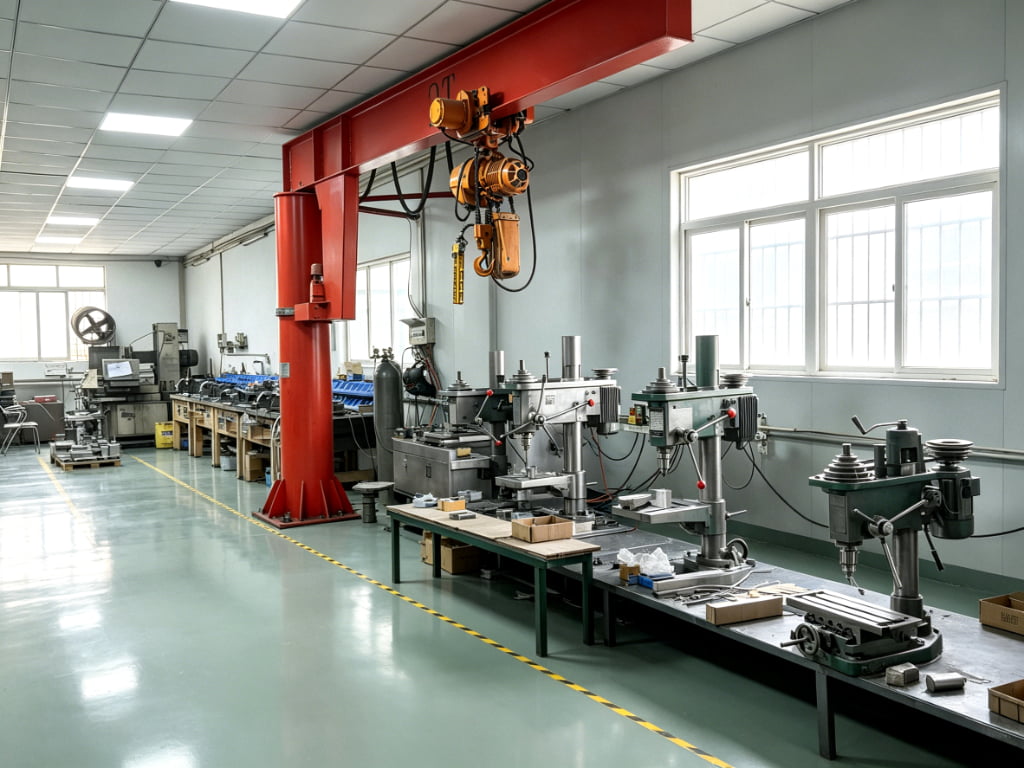
| Real factory capability | Factory size, CNC machines, stamping equipment, assembly line, QC team, monthly capacity | Confirms the supplier can control production instead of outsourcing every key process | Manufacturing Capabilities |
| Engineering and R&D | Mechanical design, electronic lock design, drawing review, compatibility review, sample improvement | Reduces risk in custom lock bodies, trims, cylinders, strikes, and access control integration | OEM/ODM Door Hardware Manufacturer |
| Standards knowledge | ANSI/BHMA, UL 10C, EN 12209, EN 1906, EN 1303, EN 179, EN 1125, EN 14846, AS 4145 | Helps buyers avoid wrong specification, rejected tender documents, or mismatched hardware | Certification Documents |
| Testing and validation | Cycle testing, salt spray testing, torque testing, impact testing, latch/deadbolt strength testing | Shows whether samples and batch products can survive commercial use conditions | In-house laboratory and official certification document support |
| OEM/ODM workflow | Requirement review, scope freeze, drawing, tooling, sample approval, pilot production, mass production | Prevents unclear development responsibility and late-stage product redesign | Structured TOPTEK OEM/ODM project process |
| Batch consistency | FAI, IQC, in-process inspection, plating color control, sample retention, final inspection | Keeps repeat orders consistent with approved samples and project requirements | ISO-based QC and batch production control |
Manufacturing Capability: More Than a Product Catalog
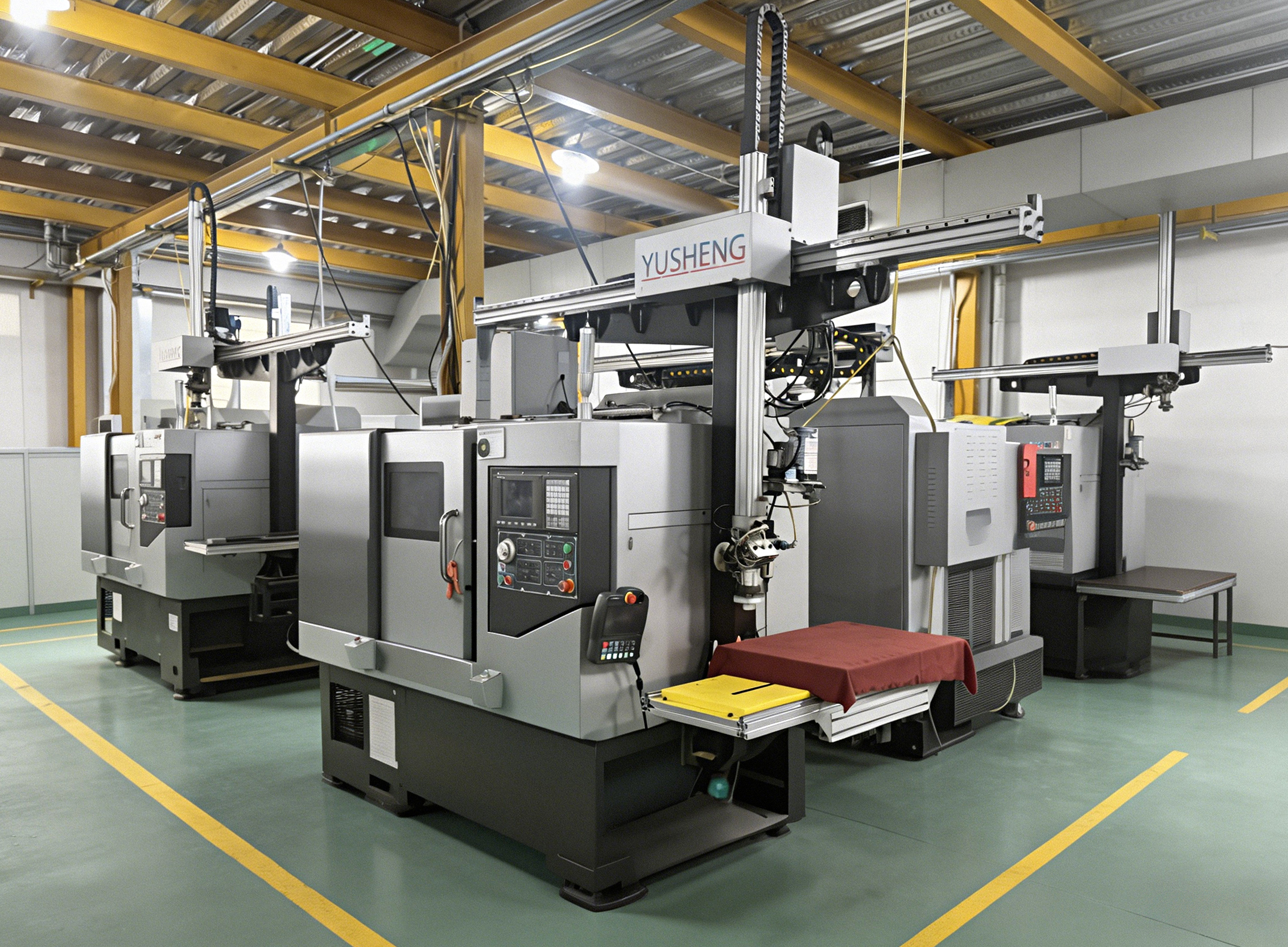
Why is manufacturing capability important for OEM/ODM door hardware? A reliable commercial door hardware manufacturer must control key production steps such as CNC machining, stamping, laser cutting, bending, tooling, assembly, and inspection. If a supplier cannot control the critical process, it may also struggle to control tolerance, delivery, finish consistency, product improvement, and after-sales response.
How does precision manufacturing affect lock performance? Precision manufacturing affects latch movement, deadbolt alignment, lever return, cylinder fit, spindle operation, strike compatibility, and long-term smooth operation. For ANSI Grade 1 mortise locks, EN 12209 Grade 3 mortise locks, AS 4145 mortise locks, and electronic access control locks, small dimensional errors can create high closing force, handle sag, latch binding, deadbolt friction, or installation rework.
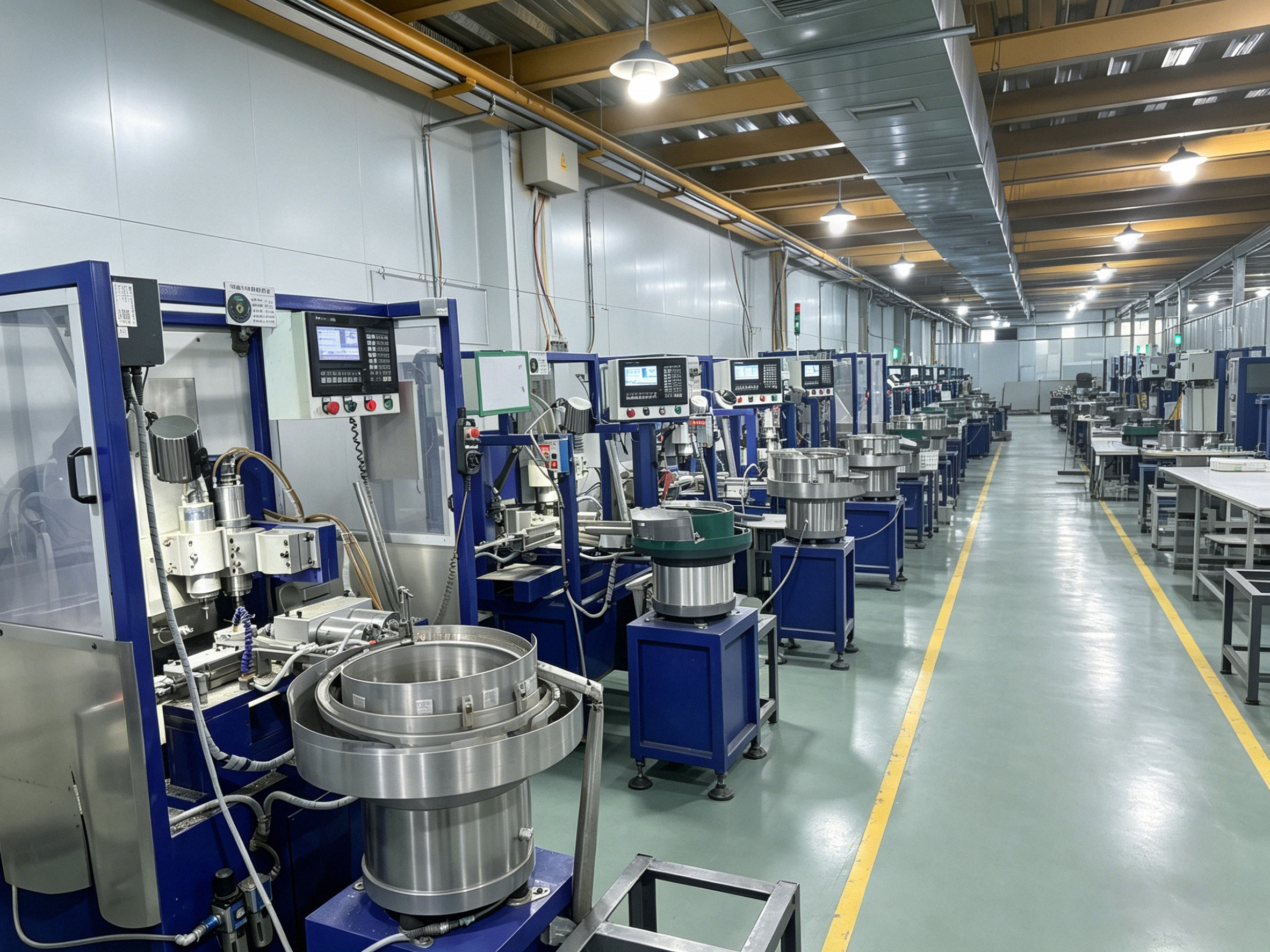
What should buyers ask during factory evaluation? Buyers should ask which components are produced in-house, which tolerances are controlled, how FAI is performed, how plating samples are retained, how batch defects are isolated, and how engineering changes are recorded. These questions reveal whether the door hardware supplier can support long-term private-label programs instead of only one-time shipment.
Engineering and Standards: ANSI, EN, AS, UL and CE Matter
Why should a reliable OEM/ODM lock manufacturer understand standards? Standards help define durability, strength, safety, emergency egress, fire-rated application, corrosion resistance, and product classification expectations. A supplier that cannot discuss ANSI/BHMA, UL 10C, EN 12209, EN 1906, EN 1303, EN 179, EN 1125, EN 14846, CE, and AS 4145 may not be ready for serious commercial door hardware projects.
How should buyers use external authority sources? Buyers should use official testing and certification organizations as reference points for compliance language, test route discussion, and product verification. For example, buyers can review UL Solutions for product safety, testing, and certification context, and Intertek for testing, inspection, and certification context.
What is the key certification warning? A certificate or test report must be checked by exact product model, standard, grade, test scope, door type, date, and issuing body before being used for a tender or fire-rated project. A reliable commercial door hardware manufacturer should never apply one certificate to every lock, every function, every finish, or every door application without evidence.
Product Scope: A Reliable Supplier Should Cover the Full Door Opening
What product range should buyers expect from a serious OEM/ODM door hardware manufacturer? Buyers should look for a supplier that can support the complete commercial door opening, including lock bodies, trims, lever handles, cylinders, panic hardware, electronic lock bodies, access control locking hardware, hinges, and door power transfer solutions. This reduces mismatch between lock case, handle, cylinder, strike, hinge, exit device, and project standard.
| TOPTEK Product Series | Typical Buyer Search Intent | Project Reliability Value |
|---|---|---|
| ANSI Grade 1 Mortise Lock | ANSI Grade 1 mortise lock manufacturer, supplier, OEM manufacturer | Heavy-duty commercial lock platform for high-traffic projects and ANSI/BHMA-oriented markets |
| EN 12209 Grade 3 Mortise Lock | EN 12209 Grade 3 mortise lock manufacturer, factory, ODM supplier | European lock case platform for commercial doors, fire-door projects where verified, and multiple functions |
| AS 4145 Mortise Lock | AS 4145 mortise lock manufacturer, Australian standard mortice lock supplier | AU/NZ-oriented mortise lock development with corrosion and public-use requirements in mind |
| Panic Exit Devices | Panic exit device manufacturer, panic bar OEM, fire exit hardware supplier | Emergency egress hardware for public buildings, schools, hospitals, offices, and infrastructure |
| Multi-point Locking Systems | Multi point locking system manufacturer, OEM multipoint lock supplier | Multiple locking points, automatic locking options, hook/deadbolt configuration, and door sealing support |
| Electronic Lock and Access Control Devices | Electronic lock for access control manufacturer, electromechanical lock supplier | Motorized, solenoid, self-locking, fail-safe, fail-secure, and access-control-compatible lock solutions |
| EN1906 Lever Handles | EN1906 lever handle manufacturer, stainless steel lever handle factory | Commercial lever handle support for standard, emergency, and fire-door hardware assemblies |
| Construction Cylinders | Construction cylinder manufacturer, master key cylinder supplier | Euro profile, SFIC, mortise, bored, Australian oval, and Scandinavian cylinder options for project keying |
| Precision Hinges and Door Power Transfer Solutions | Precision door hinge manufacturer, electric hinge supplier, door power transfer hardware | Door alignment, access control cable transfer, hinge durability, and commercial door performance support |
Testing and Validation: Proof Before Batch Production
Why is internal testing important before mass production? Internal testing helps a door hardware manufacturer detect function risk, tolerance issues, finish weakness, lever return problems, latch/deadbolt friction, electronic lock instability, and corrosion concerns before products reach the customer. It does not replace third-party certification, but it improves sample maturity and production consistency.
Which tests should buyers ask about? Buyers should ask about mechanical durability cycle testing, latch and deadbolt strength testing, handle torque testing, salt spray testing, high and low temperature testing for electronic locks, impact testing, cylinder anti-drill checks, and pre-production sample validation. These tests are especially important for ANSI Grade 1 mortise lock programs, EN 12209 Grade 3 mortise lock programs, panic exit devices, electronic access control locks, and commercial lever handles.
What is a buyer-safe way to discuss certification? Buyers should separate internal validation from official third-party certification and ask for the exact report, standard, grade, model scope, and project application before using any claim publicly. A reliable OEM/ODM door hardware manufacturer should explain what is internally tested, what is officially certified, and what still needs project-specific verification.
OEM/ODM Process: How Reliable Manufacturers Reduce Development Risk
How should a reliable OEM/ODM door hardware manufacturer manage a custom project? A reliable manufacturer should use a controlled workflow: requirement definition, scope freeze, engineering review, compliance matrix, sample development, FAI, pilot production, mass production control, and after-sales lifecycle management. This process protects both buyer and manufacturer from unclear specifications, repeated redesign, mold waste, wrong packaging, and delayed launch.
What should happen before tooling starts? Before tooling starts, buyers and engineers should confirm door type, door thickness, handing, backset, function, cylinder type, trim style, faceplate, strike, finish, standard expectation, certification route, quantity, packaging, logo marking, and sample approval criteria. This is especially important for private label door hardware manufacturer programs because the buyer’s brand will carry the market risk.
What should happen after samples are approved? After samples are approved, the supplier should retain approved samples, document finish references, verify batch process capability, inspect key dimensions, and control engineering changes through ECN or written approval. Without this step, the first sample may work well, but the second production batch may not match the approved product.
Quality Control: Batch Consistency Is the Real Test
Why is batch consistency the real test of a commercial lock manufacturer? Commercial buyers do not only need one smooth sample; they need every batch to match the approved drawing, function, finish, packaging, and performance expectation. A reliable OEM/ODM lock manufacturer should control IQC, FAI, in-process inspection, patrol inspection, plating inspection, assembly inspection, final inspection, and shipment verification.
How does stamping and formed-part control affect reliability? Stamping and formed-part control affect lock case accuracy, faceplate flatness, strike fit, hinge structure, panic device components, multi-point lock faceplate alignment, and long-term installation stability. If formed parts deform during production or transport, the door hardware may bind, rattle, misalign, or fail on site.
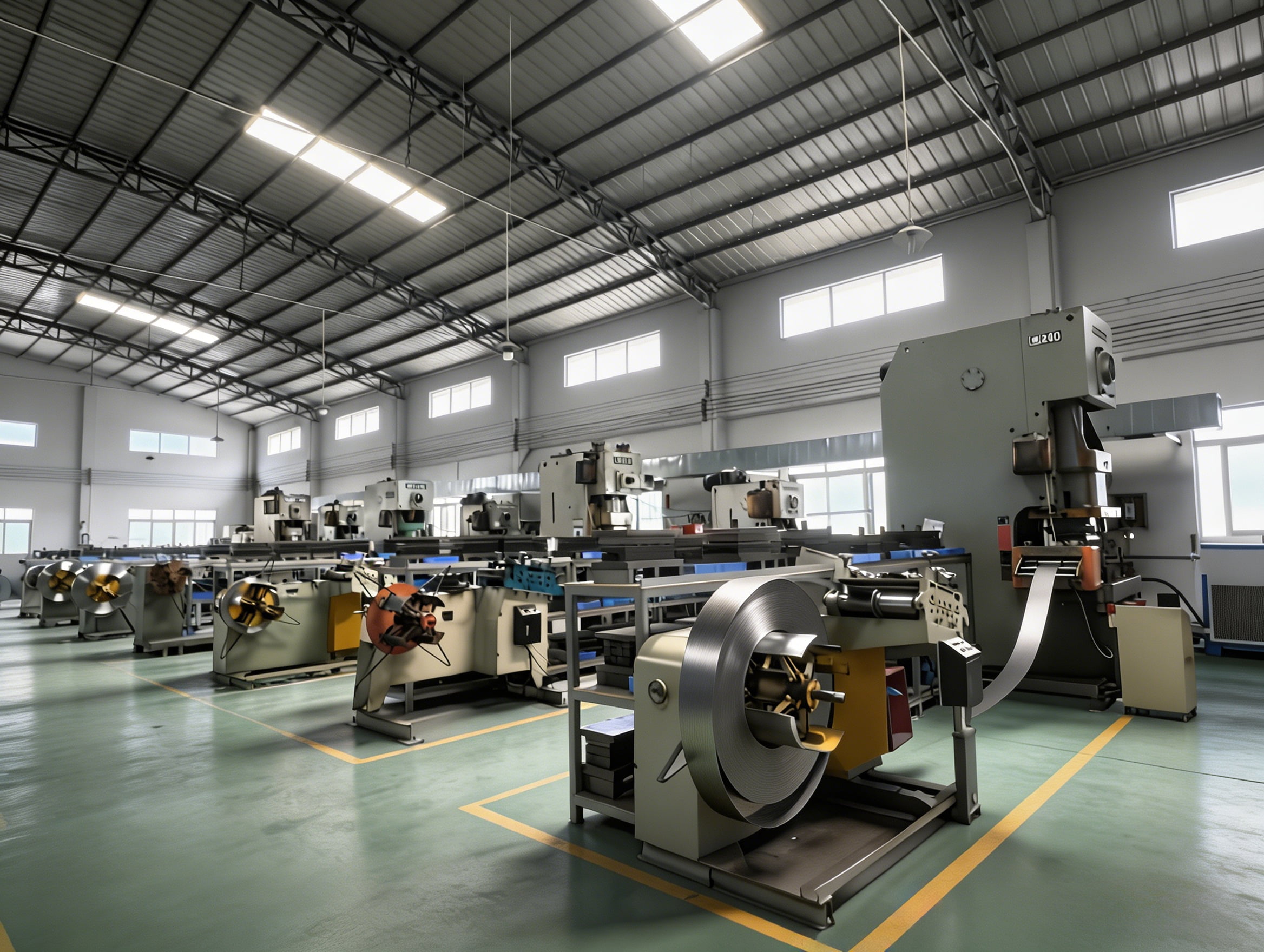
What practical QC evidence should buyers request? Buyers should request sample approval records, material confirmation, finish sample references, inspection reports, key dimension checks, salt spray requirement discussion, cycle test plan, packaging method, and clear non-conformance handling rules. These documents help prevent small production deviations from becoming large project failures.
TOPTEK Engineering Evidence: Practical Details Buyers Can Verify
What TOPTEK-specific engineering details help prove reliability? TOPTEK’s product platforms include practical design features such as ANSI Grade 1 mortise lock durability positioning, latch pressure resistance, investment-cast structural components, EN 12209 one-piece investment-cast latch assemblies, dust protection covers, and strengthened deadbolt security direction. These details are not generic marketing terms; they relate directly to buyer risks such as weak latch structure, installation debris, high traffic, forced-entry resistance, and long-term mechanical stability.
How should buyers use these details during supplier comparison? Buyers should ask each OEM/ODM door hardware manufacturer to explain the structure behind the claim, the test method behind the number, the material behind the component, and the project risk that the design is intended to reduce. A reliable supplier should be able to discuss latch structure, deadbolt load, lever spring design, cylinder compatibility, escape function, fire-rated route, access control integration, and batch inspection in technical language.
Common Buyer Mistakes When Choosing a Door Hardware Supplier
What is the first common mistake? The first mistake is choosing a supplier by price before verifying factory control, standards knowledge, and testing capability. Low unit price can become expensive if the buyer later faces failed installation, inconsistent finishes, warranty claims, or rejected project documents.
What is the second common mistake? The second mistake is accepting a certificate claim without checking exact model scope, standard, grade, date, and application. Door hardware certification is not universal across all models, functions, finishes, and fire-rated door assemblies.
What is the third common mistake? The third mistake is approving a sample without testing the complete door opening system. Buyers should test the lock body, lever handle, cylinder, thumbturn, strike, hinge, door thickness, frame condition, access control signal, fail-safe or fail-secure logic, and emergency egress requirement together.
What is the fourth common mistake? The fourth mistake is failing to freeze drawings, finishes, packaging, logos, and function details before production. OEM/ODM door hardware manufacturing requires strict scope control because one unclear detail can affect tooling, packaging, installation, and after-sales responsibility.
What is the fifth common mistake? The fifth mistake is treating private-label manufacturing as simple logo printing. A serious private-label door hardware manufacturer should support product planning, grade positioning, market configuration, packaging, documentation, sample retention, and long-term batch consistency.
RFQ Checklist for OEM/ODM Door Hardware Buyers
What should buyers send before asking for an OEM/ODM quotation? Buyers should send enough technical and commercial information for the manufacturer to confirm product feasibility, standard route, tooling scope, sample plan, and realistic quotation. A good RFQ improves accuracy and prevents later price changes.
- Door type: metal door, wooden door, fire-rated door, glass door, aluminum door, security door, or project door.
- Target market: USA, Canada, Europe, UK, Middle East, Australia, New Zealand, Southeast Asia, or mixed-standard project.
- Required standard: ANSI/BHMA, UL 10C, EN 12209, EN 1906, EN 1303, EN 179, EN 1125, EN 14846, AS 4145, CE, or project-specific requirement.
- Product type: mortise lock, panic exit device, multi-point locking system, electronic lock, lever handle, construction cylinder, hinge, electric hinge, or door power transfer device.
- Function: passage, classroom, storeroom, privacy, escape, night latch, deadbolt, roller latch, access control, fail-safe, fail-secure, or custom function.
- Dimensions: backset, center distance, faceplate size, strike size, door thickness, cylinder profile, spindle size, trim style, and handing.
- Material and finish: stainless steel grade, brass, zinc alloy, iron, plating finish, brushed finish, satin chrome, matte black, PVD, or salt spray requirement.
- Branding: logo marking, faceplate marking, private-label packaging, instruction sheet, carton label, and market presentation.
- Quantity plan: sample quantity, trial order quantity, annual forecast, MOQ expectation, and delivery schedule.
- Documents: drawings, photos, existing sample, test report expectation, certificate requirement, installation guide, and warranty expectation.
Where should buyers send project details? Buyers can contact TOPTEK for OEM/ODM door hardware manufacturing review, RFQ discussion, sample planning, certification-route support, and project configuration guidance. Send drawings, door details, target market, standard expectations, function requirements, finish requirements, and estimated quantity through the TOPTEK contact page.
Why TOPTEK Fits the Reliable OEM/ODM Manufacturer Profile
Why can TOPTEK be positioned as a reliable OEM/ODM door hardware manufacturer? TOPTEK combines 35+ years of lock manufacturing experience, a 13,000㎡ factory, 220+ skilled employees, in-house engineering, CNC machining, stamping, assembly, testing, ISO management systems, and broad commercial door hardware product coverage. This supports global buyers who need one manufacturer for mechanical locks, architectural hardware, electronic locking solutions, and integrated access control hardware.
How does TOPTEK support product development? TOPTEK can support existing product-platform modification and custom OEM/ODM development based on buyer drawings, application environment, usage frequency, market standards, sample testing, and production feasibility. This is important for door manufacturers, distributors, lock brands, contractors, and access control integrators that need market-specific products instead of generic catalog items.
How does TOPTEK support compliance review? TOPTEK provides product categories and project documents for ANSI/BHMA, UL 10C, EN 12209, EN 1906, EN 1303, EN 179, EN 1125, EN 14846, CE, and AS-related evaluation where applicable. Buyers can review public certification resources on the TOPTEK Certification page and request detailed documents according to the exact product model and project need.
Conclusion: Reliability Comes From Control, Proof and Long-Term Support
What is the final answer for buyers? A reliable OEM/ODM door hardware manufacturer is not defined by one catalog, one sample, or one low quotation; it is defined by engineering control, manufacturing control, testing evidence, standards knowledge, batch consistency, documentation support, and long-term project responsibility. Before choosing a commercial door hardware manufacturer, buyers should verify the factory, product platform, material, structure, standards route, test evidence, QC method, RFQ process, and after-sales system.
What project risk should buyers remember? The wrong supplier can create hidden risks such as unstable lock function, failed fire-door documentation, poor lever return, weak latch structure, wrong cylinder compatibility, finish color deviation, packaging damage, delayed delivery, and high warranty cost. The right OEM/ODM lock manufacturer helps buyers prevent these problems before mass production.
What is TOPTEK’s product scope? TOPTEK Access is a China-based OEM/ODM manufacturer of commercial locks, architectural door hardware, and integrated access control locking solutions, supplying ANSI Grade 1 mortise locks, EN 12209 Grade 3 mortise locks, AS 4145 mortise locks, panic exit devices, multi-point locking systems, electronic locks, lever handles, cylinders, and hinges for global door manufacturers, distributors, contractors, and building projects.
What is the TOPTEK brand positioning? TOPTEK stands for Commercial Door Hardware Reliability Solution. TOPTEK: Smart Design. Strong Security.
Who should contact TOPTEK? Door manufacturers, lock brands, architectural hardware distributors, ironmongery specialists, project contractors, access control integrators, fire-rated door manufacturers, and building project buyers can contact TOPTEK for OEM/ODM review, drawings, samples, RFQ, private-label development, and certification-route discussion. Start here: Contact TOPTEK.
FAQ: OEM/ODM Door Hardware Manufacturer Reliability
What makes a reliable OEM/ODM door hardware manufacturer?
What is the practical answer? A reliable OEM/ODM door hardware manufacturer has real factory capability, engineering support, international standards knowledge, internal testing, strict QC, documentation support, and repeatable batch production. Buyers should verify these points before approving samples or placing bulk orders.
How do I verify a commercial door hardware manufacturer in China?
How should buyers verify the supplier? Buyers should check factory photos, production equipment, R&D team, QC process, test reports, certification documents, product category scope, sample approval method, and export project experience. A site visit, video audit, or detailed technical meeting can also reduce sourcing risk.
What documents should buyers request before OEM/ODM production?
What documents matter most? Buyers should request drawings, material specifications, finish samples, product datasheets, test reports, certification documents, packaging artwork, approved sample records, inspection plans, and project-specific compliance confirmation. These documents help prevent disputes after mass production.
Why is internal testing important if third-party certification already exists?
Why does internal testing still matter? Internal testing supports daily quality control, sample improvement, batch consistency, and production validation, while third-party certification confirms a defined test scope under an official body. Both are important, but they should not be confused.
Which product categories should a complete door hardware manufacturer support?
Which categories are important? A complete commercial door hardware manufacturer should support mortise locks, panic exit devices, multi-point locking systems, electronic locks, access control locking devices, lever handles, construction cylinders, hinges, and door power transfer solutions. This helps buyers match complete door-opening hardware.
What should buyers include in an OEM/ODM door hardware RFQ?
What should the RFQ include? An OEM/ODM door hardware RFQ should include product type, target market, standard expectation, drawings, dimensions, door type, function, material, finish, quantity, branding, packaging, sample requirement, and certification expectation. Better RFQ information creates more accurate pricing and fewer development delays.
Can TOPTEK support private-label door hardware programs?
What support can TOPTEK provide? TOPTEK can support private-label door hardware programs through product-platform selection, engineering review, logo marking, faceplate marking, packaging customization, sample validation, testing support, batch production, and long-term OEM/ODM cooperation. Buyers can start from existing TOPTEK platforms or discuss custom development.