


TL;DR
- Approve an identified lock-and-keep combination against a specific drawing revision.
- Record whether the mechanism is automatic, lift-lever or cylinder-operated.
- Inspect long-faceplate condition before installation and after the sample journey.
- Test the representative door assembly without forcing misaligned locking points.
- Retain a reference sample, inspection record and change-control agreement.
Quick Answer
A useful multipoint lock sample approval process has three gates: verify the sample identity and dimensions, confirm its intended operation in the representative door, and define the production reference. Check the central case, faceplate, locking-point layout, keeps, cylinder and handle interfaces as one combination. Record the results, deviations and applicable evidence. Approval should state exactly which configuration is accepted and which changes require another review. It should not be treated as proof of every door application or as a substitute for a required test report.
The TOPTEK multipoint locking systems range provides a starting point for platform selection. Decide the intended operation and door profile before comparing sample prices; two similar-looking strips can create different user actions and preparation requirements.
Define the sample configuration before dispatch
Write a short sample request that names the lock platform, door material, handing arrangement and intended market. Add the cylinder, handle and keeps that will be used during evaluation. If the supplier and buyer use different components for their tests, apparently conflicting results may simply reflect two different assemblies.
Distinguish a development prototype from a tooling sample or a production sample. Each can answer useful questions, but they have different limitations. For example, an early prototype may demonstrate movement without representing the final finish or production material. State which decisions the sample is expected to support and what further checks will precede batch release.
| Approval item | Reference required | Record to retain |
|---|---|---|
| Identity | Model, sample number and drawing revision | Label photograph and delivery note |
| Operating sequence | Automatic, lift-lever or cylinder operation | Written steps and observations |
| Dimensional fit | Case, faceplate and locking-point drawing | Measured inspection sheet |
| Door assembly | Profile, keeps, trim and cylinder | Assembly configuration record |
| Production reference | Accepted sample and controlled specification | Approval and change history |
Include acceptance criteria before testing begins. Where a tolerance, force or finish requirement matters, agree its measurement method and limit with the supplier. Do not assign a convenient number after seeing the result. If the drawing does not define an important interface, resolve that omission before declaring the sample acceptable.
Inspect the long mechanism before fitting
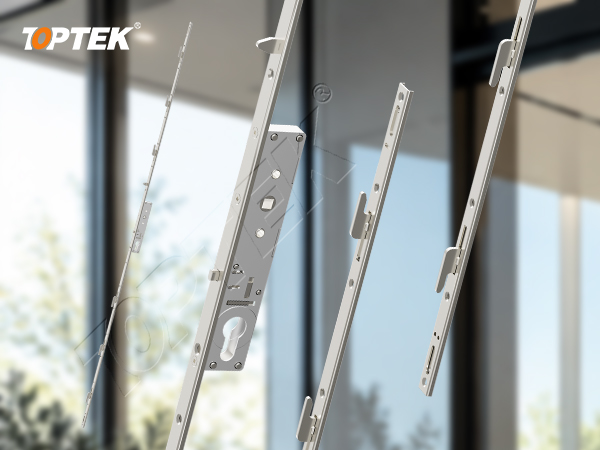
Begin with the unpacked condition. Support the mechanism appropriately and examine the faceplate, case and remote locking points for visible damage or distortion. Photograph the packaging and the received sample before making any adjustment. This separates a transport issue from a product or door-preparation issue later in the evaluation.
Measure from the datums shown on the drawing. Check the backset and centres, faceplate width and thickness, case envelope, fixing locations and locking-point positions. A series of individually plausible measurements can still describe the wrong assembly if one person measures from the strip end and another from the spindle centre.
Check the corresponding keeps at the same time. Their opening geometry, position, depth and fixing arrangement form part of the sample combination. A correct lock with an unsuitable keep does not constitute an approved door solution. Retain the keep identifiers and mark their intended locations instead of storing them as unlabelled loose accessories.
TOPTEK’s product-development approach identifies long-faceplate bending and locking-point alignment as practical risks. Its packing approach includes individual protection and wooden crates for multipoint locks. For a particular order, agree the actual packing design and handling instructions; packaging needs to preserve the approved geometry all the way to the receiving inspection.
Check the intended operation in a representative door
Establish the mechanism’s correct operating sequence using its instructions before fitting it to a door. Automatic, lift-lever and cylinder-operated designs should not be judged by the same expected user action. Record what causes the locking points to project, what retracts them and how the final secured condition is achieved.
Automatic mechanisms
Observe the relationship between door closure, trigger contact and locking-point movement in the approved assembly. Check that the door can reach its intended closed position and that the mechanism behaves as specified. Never force a projecting locking point into a keep to make an unsuitable setup appear to work.
Lift-lever and cylinder-operated mechanisms
For a lift-lever design, separate the handle action from any subsequent cylinder action. For a cylinder-operated design, document the required key or thumbturn sequence. Check both locking and release with the agreed cylinder and handle. A test using a different cam or spindle can obscure the source of a problem.
Fit the sample to a representative profile with the intended reinforcement, seals and keeps. Compare operation before and after installation. If the mechanism moves correctly before fitting but binds in the door, investigate preparation, fixing pressure, alignment and seal compression in a controlled order. Record each change rather than adjusting several variables at once.
Separate sample acceptance from performance evidence
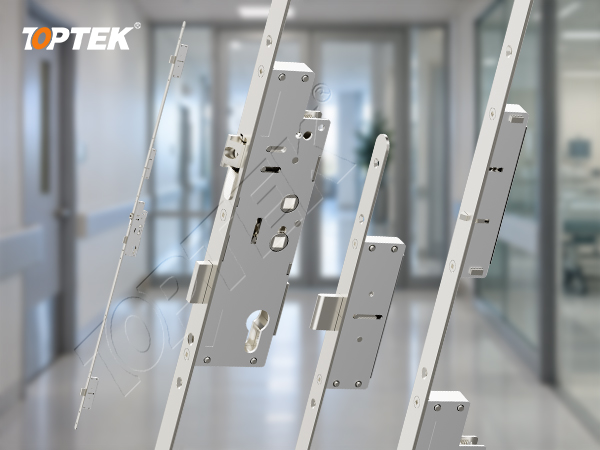
A sample fit check demonstrates the behaviour of the assembly being inspected under the recorded conditions. It does not establish a durability rating, corrosion classification or fire-door approval. Keep these evidence categories separate so purchasing and engineering know which question each record answers.
BSI’s scope for BS EN 15685:2024 addresses mechanically operated multipoint locks and their locking plates. It excludes assessment of their contribution to the fire resistance of specific fire or smoke-control doorsets. Use the applicable edition and project requirements when agreeing a test route, and verify any claimed result against the identified product and report.
TOPTEK uses EN 15685 as a reference when discussing multipoint design and testing. That is a basis for discussing the validation plan, not a blanket certification statement. Ask which checks are in-house, which require an independent laboratory and which apply to the assembled door. Make those distinctions visible in the procurement file.
Common mistakes and a practical buyer checklist
A frequent mistake is approving appearance while leaving the functional configuration open. Finish and logo approval should not authorize a change in the trigger, cam interface or locking-point arrangement. Another is accepting a hand-adjusted sample without recording the adjustment. If production needs the same correction, the specification should explain how it will be controlled.
Do not use a single sample to represent unrelated door profiles automatically. Identify the profile families that share the same critical interfaces and decide which require separate evaluation. This prevents a successful timber-door trial from being interpreted as approval for a different aluminium section.
- Confirm sample identity and document revision before measuring.
- Check the mechanism and keeps for received damage.
- Measure critical interfaces from common datums.
- Use the intended cylinder, spindle, handles and fixing method.
- Record locking and release sequences for the supplied function.
- Evaluate alignment in the representative completed door.
- List deviations and resolve them before production release.
- Define retention, packaging and change-control responsibilities.
Project risk rises when an unresolved deviation disappears into an email chain. Keep one disposition record showing the issue, proposed correction and accepted configuration. Retest the affected behaviour after a change. A revised sample should carry an identity that distinguishes it from the earlier version.
Why TOPTEK and what to include in the RFQ
TOPTEK’s multipoint engineering approach focuses on mechanism structure, dimensional control, wear interfaces and transport protection. These are useful discussion points for buyers who need the approved sample to remain representative of repeat deliveries. Its broader scope includes commercial locks, architectural door hardware and electromechanical locking solutions.
Use the PD1000 product page to identify a platform for review. The multipoint development guide provides the wider development context, while TOPTEK’s laboratory resources help frame the evidence discussion.
For an initial sample enquiry, send the profile section, operating sequence and critical interfaces even if the full commercial schedule is incomplete. A formal RFQ should add quantities, finish reference, marking requirements, sample stage, required test documents and target delivery conditions. Ask for a response that identifies the proposed configuration and the remaining engineering inputs.
Before the purchase order, agree who retains the reference sample, which drawings control production and how changes will be communicated. Define which documents travel with the shipment and how receiving inspection identifies the batch. These details make sample approval useful after the sample meeting has ended.
Frequently asked questions
What does multipoint lock sample approval establish?
It establishes acceptance of an identified configuration against agreed drawings, operating steps and inspection criteria. It does not automatically approve other profiles or establish a certification.
Should keeps be included with the sample?
Yes. The lock and its intended keeps should be evaluated together because their geometry and alignment determine engagement in the door.
Is a workbench test sufficient?
No. It helps establish the mechanism’s baseline behaviour, but a representative door trial is needed to evaluate profile fit, fixing conditions, seals and keep alignment.
When should a sample be reviewed again?
Review it when a change affects an approved interface, function, material, finish or other agreed acceptance condition. Record the change and repeat the relevant checks.
Does EN 15685 establish fire-door suitability?
Its scope does not assess the product’s contribution to the fire resistance of a specific doorset. Fire-door use requires the appropriate assembly evidence and project acceptance.
Request a sample evaluation plan
Multipoint lock sample approval works best when it produces a repeatable reference for the door, mechanism and future deliveries. Establish the geometry, operating sequence and evidence requirements together, then retain the accepted configuration as the basis for purchasing and inspection.
Discuss your profile and sample requirements with TOPTEK’s commercial door hardware manufacturing team. For a quotation, submit the controlled drawing set, sample quantity, production forecast, finish and document requirements so the proposed sample route can be assessed alongside the supply scope.