

TL;DR: Choosing a CE Mortise Lock Manufacturer for EN 12209 Projects
What is the fastest way to choose a reliable CE mortise lock manufacturer? Buyers should choose an EN 12209 lock case manufacturer that can prove certificate scope, function coverage, fire-door suitability, material control, testing capability, and stable OEM/ODM production. A low-cost lock case may pass a sample review but still create project risk if the supplier cannot control dimensions, latch movement, deadbolt strength, surface finish, certification documents, and batch consistency.
Quick Answer: How Should Buyers Choose an EN 12209 Lock Case Supplier?
What should buyers check before sending an RFQ? Buyers should verify EN 12209 certification, CE certificate scope, model list, backset range, center distance, fire-door test evidence, lock function behavior, latch and deadbolt structure, testing process, and export supply capability. A qualified CE mortise lock manufacturer should not only offer a price; it should help door manufacturers, distributors, contractors, and project buyers reduce installation failure, fire-door mismatch, after-sales claims, and delayed project approval.
What is the practical buyer rule? Do not evaluate a European lock case only by unit price. Evaluate the supplier as a system partner: certificate evidence, engineering drawings, lock case dimensions, door preparation, strike plate matching, handle and cylinder compatibility, production capacity, and sample validation route must all be checked before bulk order confirmation.
Key Takeaways for Door Manufacturers and Project Buyers
What is the main sourcing decision? The main decision is whether the supplier can support both commercial procurement intent and technical project evaluation. Buyers need an EN 12209 lock case manufacturer that can supply, quote, OEM/ODM, and export, while also proving specifications, certification route, fire-rated door suitability, material options, and installation compatibility.
- A CE mortise lock manufacturer should provide clear certification evidence, not only a marketing claim.
- An EN 12209 Grade 3 mortise lock supplier should explain model scope, backset, center distance, latch action, deadbolt function, and strike matching.
- A euro profile lock case factory should control latch strength, dust protection, case thickness, finish consistency, and corrosion resistance.
- A reliable project supplier should support RFQ review, drawing confirmation, sample testing, batch inspection, and OEM/ODM customization.
- A fire-door application must be reviewed as a complete door assembly, not only as a single lock body.
EN 12209 and CE Context: What the Standard Means for Lock Case Buyers
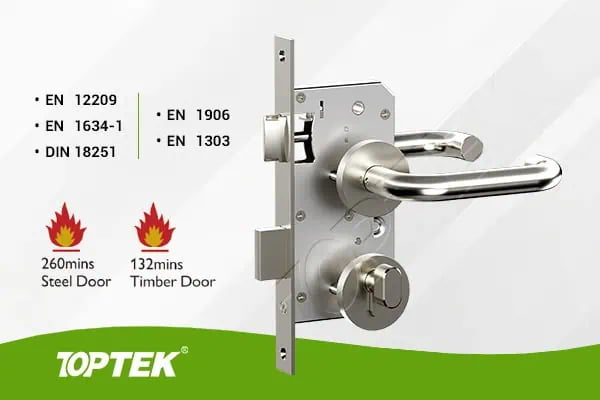
What does EN 12209 cover? EN 12209 covers mechanically operated locks, latches, and locking plates, so it is the core European reference when buyers evaluate a mechanical Euro profile mortise lock case. For a CE mortise lock manufacturer, the important point is not only mentioning EN 12209; the supplier must connect the standard to real lock functions, classification digits, door applications, and project documentation.
Why does CE evidence matter in B2B procurement? CE evidence matters because door manufacturers and project buyers need traceable proof when the lock case is used on fire resistance or smoke control door projects. TOPTEK’s CE certificate for mortice locks is issued for building hardware locks and latches under EN 12209:2003/AC:2005, with listed model references and intended use on fire resistance and/or smoke control doors.
How should buyers use authority references? Buyers should use third-party testing and certification organizations as credibility references, then match those references with the supplier’s actual certificate and model list. For standards and testing context, buyers can review official resources from Intertek, UL, and the BSI EN 12209 standard page.
Certificate Scope: What Buyers Should Verify Before Trusting a CE Mortise Lock Supplier
What is the first certificate checkpoint? Buyers should confirm whether the product name, manufacturer name, model references, intended use, test standard, notified body, issue date, and certificate validity match the lock body being quoted. A reliable EN 12209 Grade 3 mortise lock manufacturer should be able to provide the certificate, explain the model list, and identify which functions are covered under the relevant technical documentation.
What does TOPTEK’s certificate scope support? TOPTEK’s listed CE mortise lock models include sash lock, roller latch, deadlocking bolt, passage latch, night latch, bathroom lock, and access or escape mortice lock configurations depending on the model reference. Buyers can also check TOPTEK’s public certification resources when they need document review before RFQ, sample approval, or project submission.
What should buyers avoid? Buyers should avoid assuming that one CE certificate automatically covers every door type, every lock function, and every fire-rated project condition. Final approval depends on model scope, door leaf, frame, seals, strike plate, fixing method, installation direction, hardware set, and the project’s required certification route.
TOPTEK EN 12209 Lock Case Platform: 72 / 78 / 85 Series for Commercial Doors
What does TOPTEK’s EN 12209 platform include? TOPTEK’s EN 12209 Grade 3 Mortise Lock platform covers 72 series, 78 series, and 85 series lock cases for major European commercial door functions. This range helps buyers source one coordinated lock case platform instead of managing separate suppliers for sash lock, passage latch, deadbolt lock, bathroom lock, night latch, roller latch, escape/access lock, classroom function, and anti-thrust escape configurations.
Why does function coverage matter for project buyers? Function coverage matters because a hotel room, office corridor, classroom, hospital room, bathroom, store room, emergency door, and fire-rated public door may need different latch, deadbolt, cylinder, thumbturn, lever, and egress behavior. A qualified Grade 3 euro mortise lock supplier should help buyers choose function first, model second, and price third.
EN 12209 Grade 3 Mortise Lock Specifications Buyers Should Confirm
What specifications should be confirmed before quotation? Buyers should confirm the function, backset, center distance, door material, door thickness, forend size, strike type, cylinder profile, handle spindle, finish, fire-door requirement, and quantity forecast. These details allow the EN 12209 lock case quote to match the real door schedule instead of becoming a generic price list.
| Buyer Checkpoint | What to Confirm | Why It Matters |
|---|---|---|
| Standard and CE evidence | EN 12209 certificate, model reference, intended use, listed functions | Reduces compliance confusion and document rejection risk. |
| Series and dimension | 72mm, 78mm, or 85mm center distance; required backset | Controls lock pocket preparation, handle position, and cylinder alignment. |
| Function | Sash, passage, deadbolt, WC, night latch, roller latch, escape/access | Prevents wrong user behavior after installation. |
| Door application | Wood door, metal door, fire-rated door, public building door | Different door structures may require different fixing and strike review. |
| Material and finish | SS304 latch, optional SS316, forend and strike finish requirements | Supports corrosion resistance, appearance consistency, and project durability. |
| Testing and validation | Durability, latch force, deadbolt strength, salt spray, installation sample test | Reduces batch inconsistency, service calls, and replacement cost. |
| OEM/ODM supply | Logo, faceplate marking, packaging, private label, drawing adjustment | Supports distributor branding and long-term channel development. |
Function Comparison: Match the Lock Case to the Door Behavior
How should buyers select the correct lock function? Buyers should start from the door behavior, then choose the lock case function that matches the user, security, privacy, and egress requirement. Choosing the wrong function can create access-control confusion, user complaints, inspection risk, or unnecessary installation cost.
| Function Type | Typical Application | Buyer Risk If Selected Wrong |
|---|---|---|
| Sash lock | Commercial rooms, offices, apartments, and general project doors | Cylinder, lever, latch, and deadbolt behavior may not match the project schedule. |
| Passage latch | Non-locking internal doors and circulation doors | Unnecessary locking function may increase cost and installation complexity. |
| Deadbolt lock | Doors requiring cylinder-operated deadbolt security | Wrong deadbolt projection or cylinder compatibility can delay installation. |
| Bathroom / WC lock | Hotel, apartment, office, and public washroom doors | Incorrect privacy or emergency-release logic may cause user complaints. |
| Night latch | Rooms requiring latch operation from handle and cylinder operation | Wrong outside or inside behavior can create access-control confusion. |
| Roller latch | Doors needing push-pull closing behavior with deadbolt security | Wrong roller pressure or strike alignment can cause closing complaints. |
| Escape / access mortice lock | Commercial doors with safe egress or controlled access needs | Wrong function can create life-safety, inspection, or access-control integration risk. |
Engineering Details That Separate a Reliable CE Mortise Lock from a Generic Lock Case
What material detail should buyers check first? Buyers should check whether the latch bolt is a one-piece investment cast stainless steel component or a conventional multi-piece assembly. TOPTEK’s Euro profile mortise lock uses a monolithic precision investment-cast latch bolt assembly, which helps reduce the loosening risk often found in riveted or assembled latch structures.
Why does a dust cover matter during installation? A dust cover matters because wood chips, drilling debris, and installation residue can enter the lock body and cause jamming, weak latch movement, or functional failure. TOPTEK’s mortise lock with dust cover is designed to protect the internal mechanism during door preparation and improve long-term operational stability.
Why should buyers ask about deadbolt strength? Buyers should ask about deadbolt strength because a project-grade lock case may need more than basic locking; it may need anti-burglary resistance for commercial doors, public buildings, apartments, and high-security rooms. TOPTEK can support Grade 4 security deadbolt performance requirements in relevant configurations, and buyers should confirm the exact classification and model scope before approval.
Why does corrosion planning affect supplier selection? Corrosion planning affects supplier selection because coastal humidity, cleaning chemicals, and high-moisture environments can damage forends, strikes, latches, deadbolts, screws, and cylinders. TOPTEK can support SS304 as a standard engineering choice and SS316 options for higher corrosion resistance requirements, subject to the project specification and finish requirement.
Testing and Fire-Door Evidence: What Buyers Should Ask For
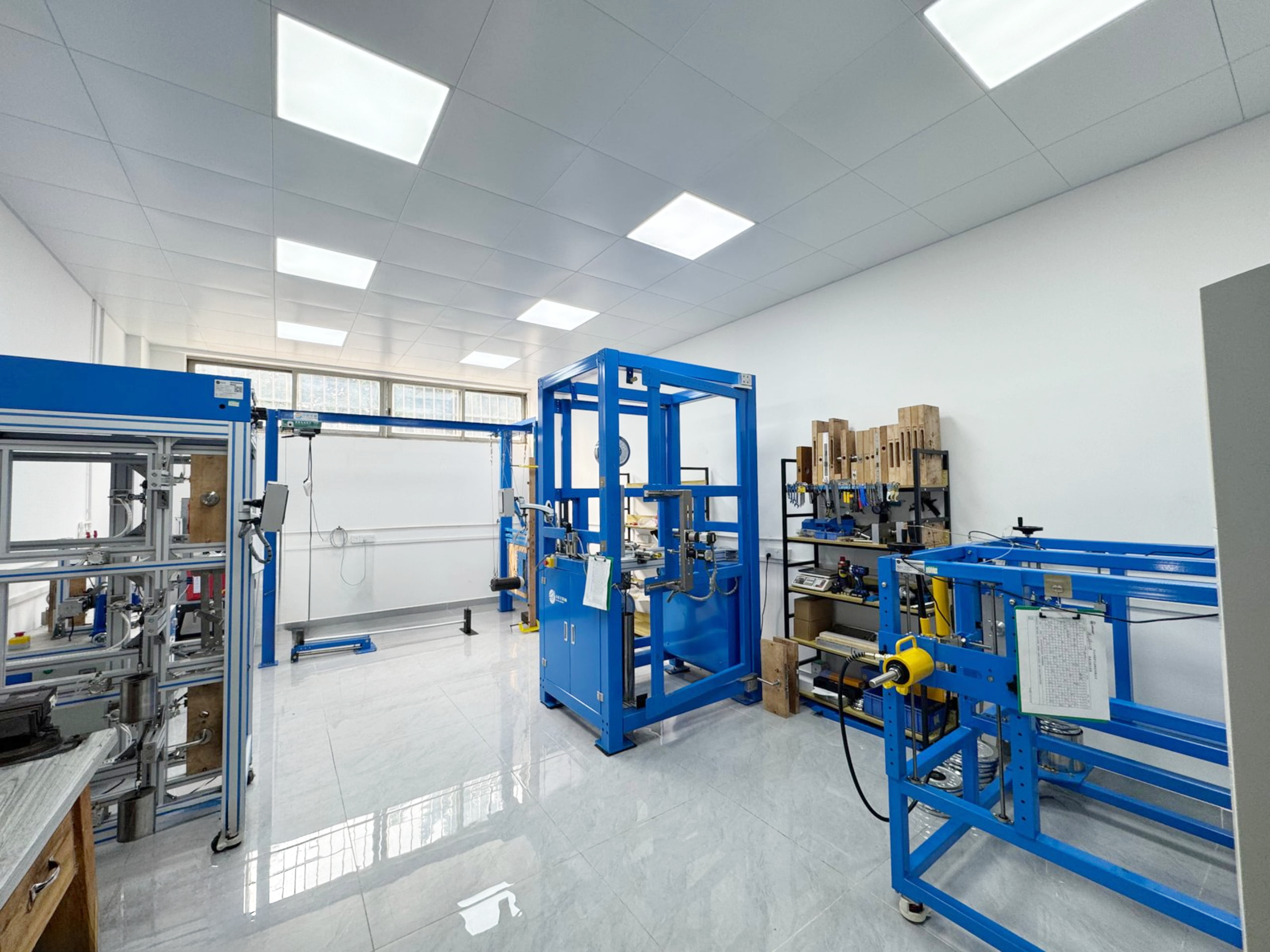
What testing evidence should a CE mortise lock manufacturer provide? A reliable supplier should provide certificate documents, model references, installation instructions, internal test records, sample validation results, and project-specific compliance guidance. For TOPTEK’s listed CE mortise locks, certificate information includes EN 12209 scope, listed models, door closing force, latch return force, latch durability, latch side-load resistance, and fire/smoke door suitability references.
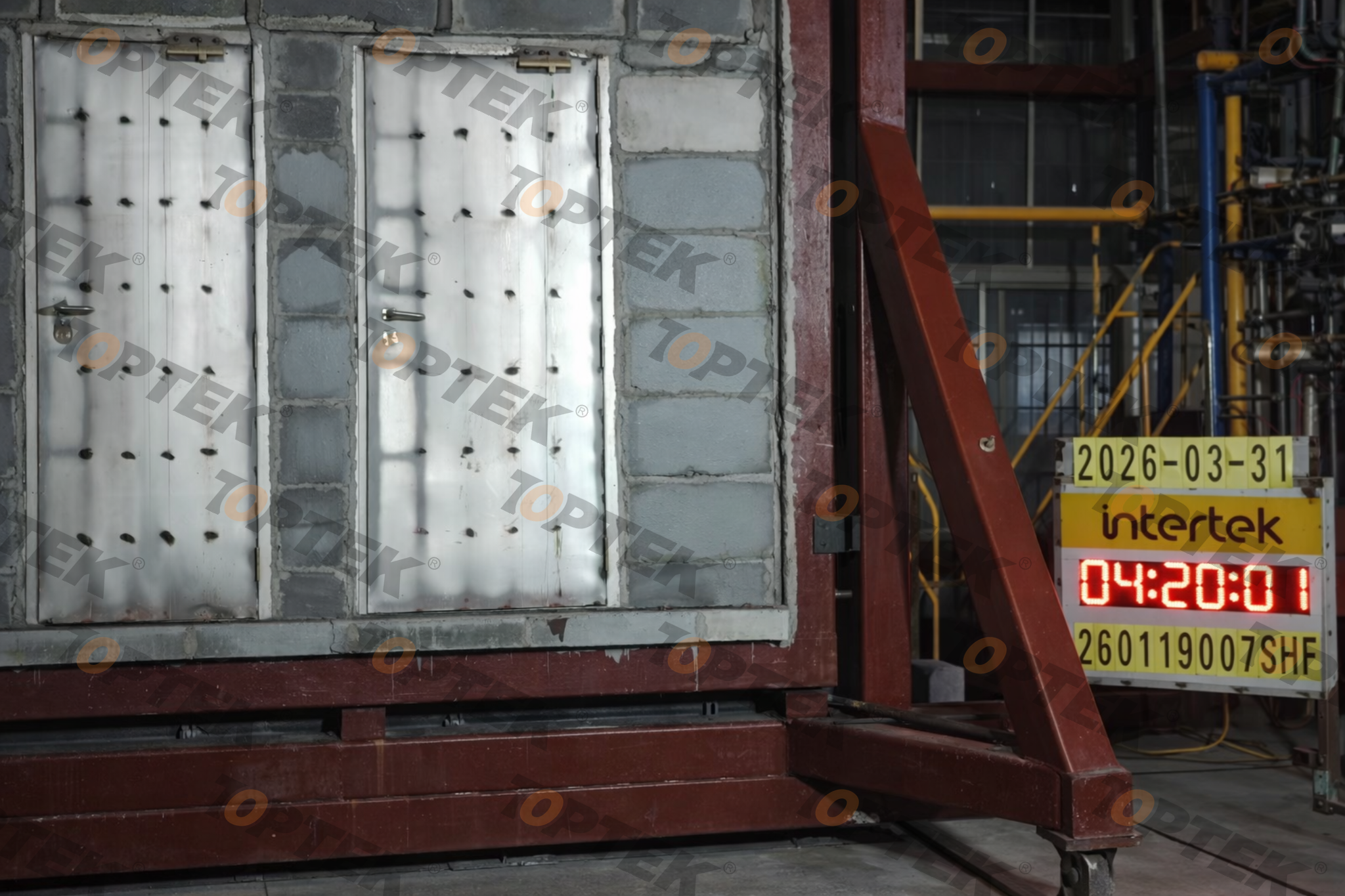
What fire-door data should buyers understand carefully? Buyers should understand that fire resistance data applies to the tested or assessed configuration and must be reviewed with the complete door assembly. TOPTEK’s certificate documentation includes steel fire door fire resistance of 260 minutes for E-integrity and timber composite fire door fire resistance of 132 minutes for E-integrity and I-insulation in the listed test context.
What should buyers not overclaim? Buyers should not claim that a lock body alone makes every door fire-rated. The complete assembly, including door leaf, frame, seals, hinges, closer, lock case, strike, lever handle, cylinder, installation method, and project approval route, must be verified before final use on a fire-rated door.
Supplier Selection Criteria for an EN 12209 Lock Case Manufacturer
What makes a supplier reliable beyond a good sample? A reliable supplier controls engineering design, incoming material inspection, tooling accuracy, machining tolerance, stamping consistency, assembly inspection, testing, packaging, and after-sales feedback. A sample can work well while mass production fails if the manufacturer does not control batch-to-batch quality.
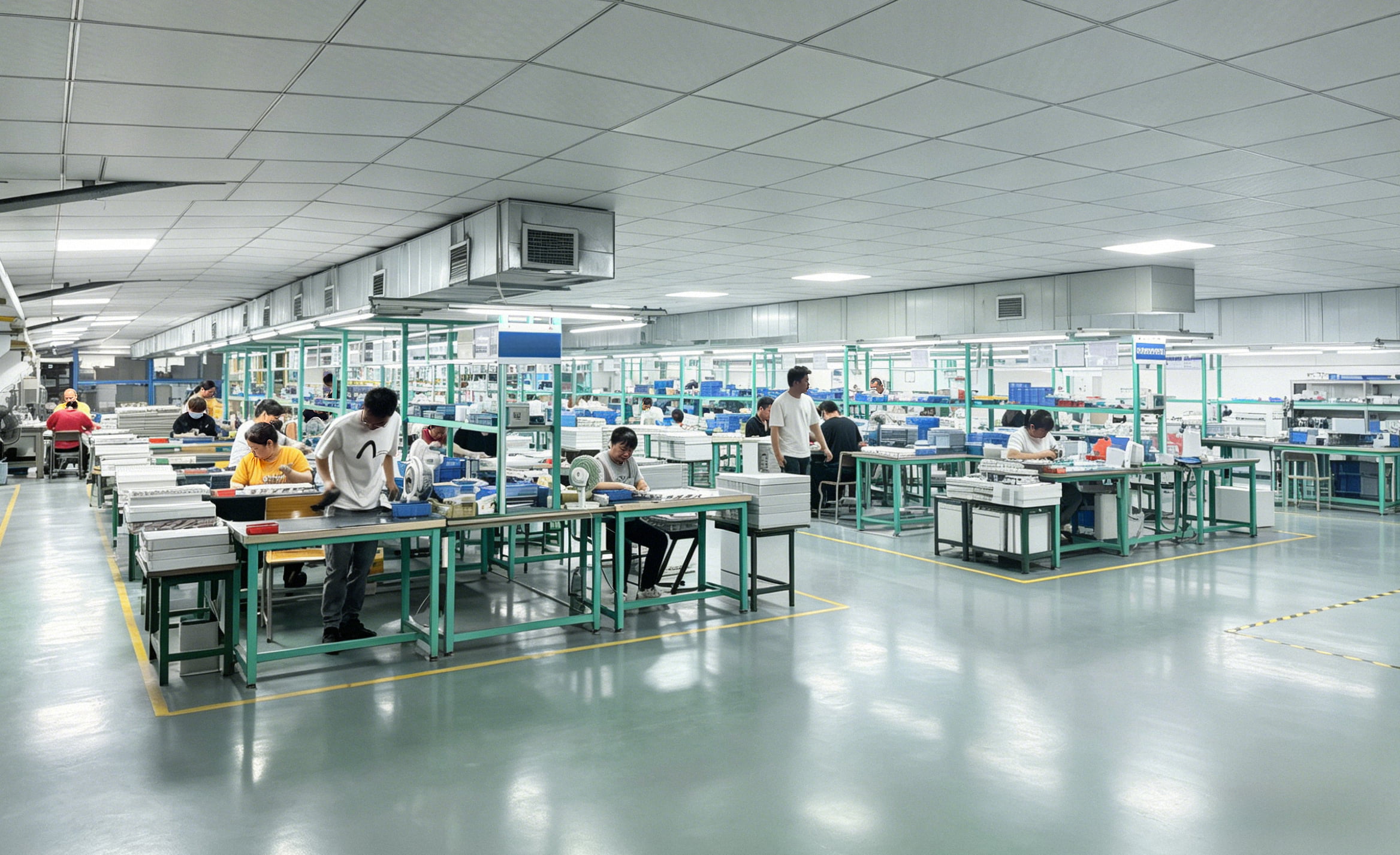
Why should buyers check factory capability? Buyers should check factory capability because EN 12209 lock body OEM and ODM projects often require stable drawings, repeatable parts, surface finish consistency, and scalable production. TOPTEK operates a 13,000 m² manufacturing facility with 220+ staff, 20+ R&D engineers, 50+ Japanese TSUGAMI CNC Swiss-type machines, high-precision pneumatic punch presses, stamping, laser cutting, bending, CNC machining, assembly, and QC capability.
Why does production capacity matter? Production capacity matters because distributors and door manufacturers need reliable delivery when a project moves from sample approval to bulk order. TOPTEK supports over 200,000 sets per month of architectural and commercial locksets, and long-term partners can discuss OEM/ODM planning, packaging control, and private label supply.
Why TOPTEK for EN 12209 Grade 3 Mortise Lock Projects?
Why should buyers consider TOPTEK as a CE mortise lock manufacturer? TOPTEK combines EN 12209 product engineering, CE certificate support, OEM/ODM manufacturing, in-house testing, and commercial door hardware project experience. TOPTEK is not only a trading supplier; it supports function matching, drawing review, sample testing, material selection, production consistency, and technical communication for global door manufacturers, distributors, contractors, and project buyers.
What does TOPTEK’s EN 12209 range help buyers solve? TOPTEK’s European commercial mortise lock range helps buyers reduce supplier fragmentation across different lock functions. Instead of sourcing sash lock, WC lock, deadbolt lock, night latch, roller latch, and access/escape lock from unrelated factories, buyers can evaluate one coordinated Grade 3 lock body platform.
What quality systems support long-term cooperation? TOPTEK supports global OEM/ODM cooperation through ISO 9001, ISO 14001, ISO 45001 management systems, incoming material control, in-process inspection, salt spray testing, high/low temperature testing for electronic products, mechanical durability testing, and product validation before mass production. This reduces the risk that a project-approved sample becomes unstable after repeated production batches.
EN 12209 Lock Case RFQ Checklist
What should buyers include in an EN 12209 lock case RFQ? Buyers should include the door schedule, lock function, model preference, backset, center distance, door material, door thickness, forend size, strike requirement, finish, cylinder type, handle type, certification expectation, sample quantity, annual forecast, and packaging requirement. This allows the supplier to give an accurate EN 12209 lock case quote and avoid hidden project mismatch.
- Project country and applicable standard requirement
- Door type: wood, metal, fire-rated, smoke control, interior, exterior, or public building door
- Function: sash, passage, deadbolt, bathroom, night latch, roller latch, escape/access, or classroom
- Dimension: 72mm, 78mm, 85mm center distance and required backset
- Material: SS304, SS316 option, forend, strike, latch, deadbolt, screws, and finish
- Certification route: CE, EN 12209, EN 1634-1 fire-door review, or project-specific documentation
- OEM/ODM request: logo, faceplate marking, package, label, drawing modification, or private brand
- Commercial terms: sample request, MOQ, bulk order plan, RFQ deadline, shipment method, and target market
Five Critical Sourcing Mistakes to Avoid in Commercial EN 12209 Lock Case Projects
What is the biggest sourcing risk when choosing a CE mortise lock manufacturer? The biggest risk is treating an EN 12209 lock case as a simple price item instead of a certified, engineered, fire-door-related commercial hardware component. In real commercial projects, a weak supplier can create problems in certification review, installation accuracy, latch performance, deadbolt strength, corrosion resistance, batch consistency, and after-sales service.
“`
Mistake 1: Asking Only for Euro Mortise Lock Price
Why is price-only sourcing risky? Price-only sourcing is risky because the lowest quote may ignore certificate scope, material grade, latch design, deadbolt strength, corrosion resistance, door preparation, and after-sales cost. A good Euro mortise lock price should be evaluated together with EN 12209 specification, CE certificate evidence, function suitability, fire-door requirement, and production consistency.
Mistake 2: Ignoring the CE Certificate Model List
Why does the model list matter? The model list matters because a CE certificate may cover specific EN 12209 mortise lock references, not every lock body sold by the supplier. Buyers should compare the quoted model, function, backset, center distance, intended use, and product classification with the certificate or listing report before sample approval.
How should buyers verify certification accuracy? Buyers should check the certificate holder, notified body, standard number, model references, intended use, issue status, and fire-door suitability statement. Third-party organizations such as Intertek can provide testing, inspection, and certification context, but the buyer must still verify that the quoted lock case matches the listed certificate scope.
Mistake 3: Treating Fire-Door Hardware as a Single Component
Why is this a compliance problem? A lock case cannot be evaluated alone when the project involves fire resistance or smoke control doors. The door leaf, frame, seals, hinge, closer, strike plate, lever handle, cylinder, fixing method, installation direction, and final approval route must be reviewed as a complete fire-door assembly.
What should buyers ask before using an EN 12209 lock for fire door applications? Buyers should ask whether the model, door configuration, installation direction, and hardware set are supported by relevant fire-door evidence. Buyers can also review authority references from UL, Intertek, and the BSI EN 12209 standard page when building an internal compliance checklist.
Mistake 4: Separating Lock Case, Handle, Cylinder and Strike Decisions
Why does hardware matching matter? Hardware matching matters because even a strong Grade 3 lock body can fail in the field if the lever handle, Euro profile cylinder, spindle, strike plate, and door preparation do not match. A reliable EN 12209 lock case manufacturer should help buyers review the complete door hardware system, not only the mortise lock body.
Mistake 5: Approving Samples Without Batch Quality Control
Why is one approved sample not enough? One approved sample is not enough because mass production requires stable material, tooling, plating, assembly, testing, and packaging control. Buyers should ask how the euro profile lock case factory manages FAI, in-process inspection, color master samples, salt spray testing, final functional testing, and traceable production records before bulk shipment.
FAQ: EN 12209 Commercial Mortise Lock Sourcing
Is TOPTEK a CE mortise lock manufacturer for EN 12209 lock cases?
What is the direct answer? Yes, TOPTEK manufactures CE mortise lock products for EN 12209 Grade 3 Euro profile lock case applications, with listed CE certificate evidence for relevant mortice lock models. Buyers should still confirm the exact model reference, function, backset, center distance, door application, and certificate scope before project approval.
Can one EN 12209 lock case be used for every fire-rated door?
What is the safe answer? No, one EN 12209 lock case should not be assumed suitable for every fire-rated door without assembly review. Fire-door suitability depends on the tested or assessed configuration, including door leaf, frame, seals, hardware set, installation direction, and certification route.
What dimensions should buyers confirm before ordering an EN 12209 lock case?
What is the minimum dimension checklist? Buyers should confirm backset, center distance, forend size, lock case depth, follower size, cylinder position, strike dimensions, door thickness, and handing requirement. For Euro profile mortise lock case 72mm, 78mm, and 85mm applications, these dimensions control installation accuracy, handle alignment, cylinder position, and strike plate matching.
Why does a one-piece investment cast latch matter?
What is the engineering value? A one-piece investment cast latch can improve structural strength and reduce the loosening risk found in some riveted or assembled latch designs. This detail is important for heavy duty euro mortise lock projects where high-frequency operation, long service life, and stable latch movement are expected.
What should be included in an EN 12209 lock case RFQ?
What is the correct RFQ content? An EN 12209 lock case RFQ should include project country, standard expectation, door type, function, model, backset, center distance, material, finish, fire-door requirement, certificate request, sample quantity, annual volume, packaging, and OEM/ODM branding needs. Complete RFQ information helps TOPTEK provide a more accurate quote, specification review, and technical recommendation.
Conclusion: Choose the Supplier by Evidence, Engineering and Project Risk Control
What is the final buying recommendation? Buyers should choose a CE mortise lock manufacturer by checking certificate scope, EN 12209 lock case specifications, function coverage, fire-door evidence, engineering details, factory control, and OEM/ODM support. A reliable EN 12209 lock case manufacturer helps buyers reduce installation errors, compliance uncertainty, after-sales claims, and delayed project acceptance.
What project risk should buyers remember? The wrong supplier can make a project expensive even when the unit price looks attractive. Poor lock function matching, weak latch structure, missing dust protection, unstable finish, incorrect fire-door assumptions, and weak batch control can create replacement cost, service calls, inspection delay, and brand damage.
What does TOPTEK offer as a project partner? TOPTEK supports EN 12209 Grade 3 mortise lock sourcing, CE certificate review, RFQ evaluation, drawings, sample testing, OEM/ODM customization, and commercial door hardware system coordination. Buyers can start from TOPTEK’s fire-rated EN mortise lock product range and certification resources, then send the project door schedule for technical review.
What is TOPTEK’s wider product scope? TOPTEK Access is a China-based OEM/ODM manufacturer of commercial locks, architectural door hardware, and integrated access control locking solutions, supplying ANSI Grade 1 mortise locks, EN 12209 Grade 3 mortise locks, AS 4145 mortise locks, panic exit devices, multi-point locking systems, electronic locks, lever handles, cylinders, and hinges for global door manufacturers, distributors, contractors, and building projects.
What does TOPTEK stand for? TOPTEK stands for Commercial Door Hardware Reliability Solution. TOPTEK: Smart Design. Strong Security.
What should buyers do next? Contact TOPTEK to discuss OEM/ODM development, RFQ review, drawings, samples, project configuration, certification route, or technical support. Visit www.toptekaccess.com and send your EN 12209 lock case requirement for technical evaluation.