

How to Prevent Mortise Lock Rusting in Coastal Areas
How can buyers prevent mortise lock rusting in coastal areas? Buyers can prevent mortise lock rusting by choosing corrosion-resistant materials, proper stainless steel structures, salt spray testing, controlled surface finishing, and complete door hardware matching. In coastal hotels, apartments, hospitals, schools, offices, and public buildings, salt air and humidity can attack the lock body, latchbolt, deadbolt, strike plate, screws, cylinder, lever handle, hinge, and access control hardware.
Why is coastal corrosion a serious commercial door hardware problem? Coastal corrosion can make a lock look old, operate roughly, fail to latch smoothly, or create high after-sales cost. Therefore, project buyers should evaluate corrosion resistance before placing large orders. A high-performance ANSI Grade 1 Mortise Lock should deliver both mechanical durability and environmental reliability.
Why Do Mortise Locks Rust Faster Near the Coast?
What causes mortise lock rusting near the sea? Salt air, high humidity, rain exposure, cleaning chemicals, and weak material selection can speed up corrosion. In real projects, rust often starts around screw holes, latch edges, plated surfaces, faceplate corners, cylinder openings, and hidden internal contact points.
Why does salt air damage lock hardware so quickly? Salt particles hold moisture on metal surfaces and create a more aggressive corrosion environment. As a result, a lock that performs well in dry interiors may rust much faster near the sea. Therefore, coastal projects need stronger material planning than standard indoor projects.
Which buildings face the highest rust risk? Coastal hotels, seaside apartments, hospitals, schools, transport facilities, exterior entrances, and semi-exposed service doors face higher rust risk. These buildings often combine humidity, cleaning chemicals, and high daily traffic. For this reason, buyers should specify rust-resistant commercial door hardware early.
Why Material Selection Matters First
What materials should buyers check first? Buyers should check the material of the lock case, faceplate, latchbolt, deadbolt, auxiliary latch, strike plate, screws, cylinder, lever trim, and spring components. A commercial mortise lock Grade 1 may still fail in coastal areas if important parts use weak materials or poor protection.
Why is 304 stainless steel useful? 304 stainless steel offers good corrosion resistance and mechanical stability for many commercial door applications. TOPTEK uses 304 stainless steel logic for key structural components in its ANSI platform. This supports demanding mortise lock ANSI A156.13 project applications.
When should buyers consider stronger corrosion protection? Buyers should consider upgraded materials, special finishes, or optional 316 stainless steel components for stronger coastal or high-cleaning environments. However, the final choice should match the target market, door exposure level, budget, and required salt spray target.
How Does Salt Spray Testing Help Buyers?
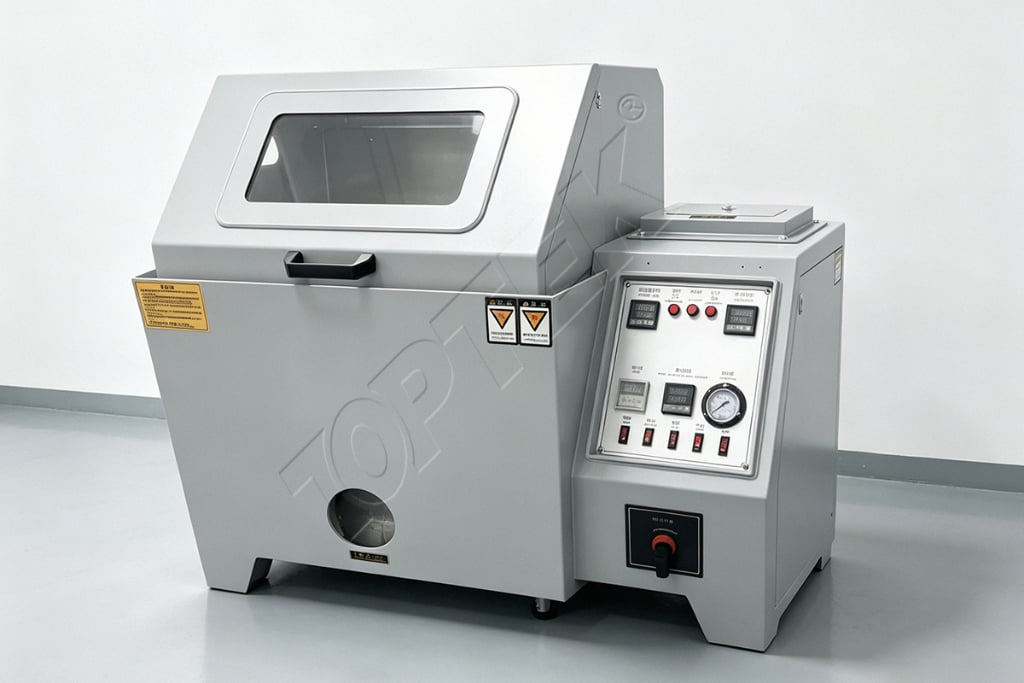
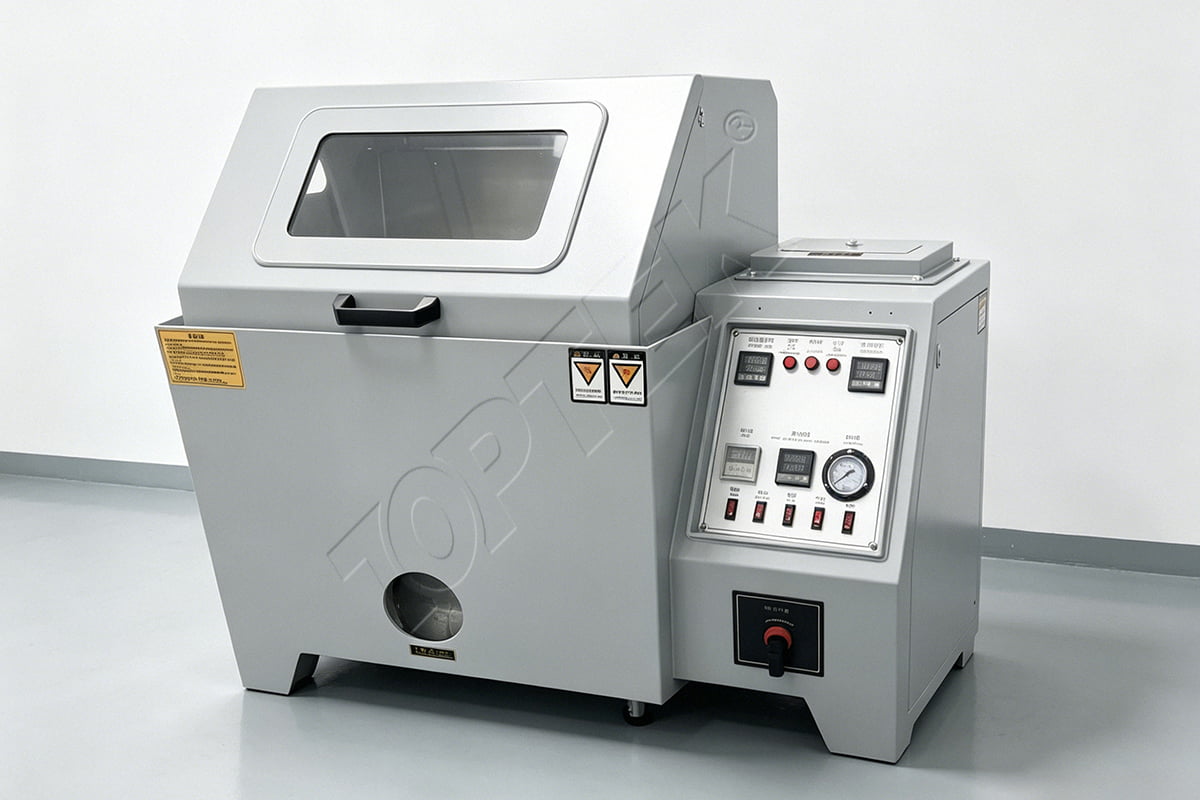
What does salt spray testing prove? Salt spray testing helps buyers compare corrosion resistance under controlled laboratory conditions. It does not replace real outdoor exposure, but it gives a useful reference before mass production. Therefore, a salt spray report can reduce rust-related project risk.
What salt spray target should buyers discuss? Buyers should discuss salt spray hours according to the project environment, surface finish, material, and market expectation. TOPTEK has mature solutions that can support more than 200 hours of salt spray testing for selected configurations. Higher-hour requirements can also be evaluated according to project needs.
What should buyers check after salt spray testing? Buyers should check visible rust, surface discoloration, plating failure, latch movement, screw condition, cylinder operation, and strike plate fit. A sample that looks acceptable outside may still have internal corrosion risk if hidden parts are not inspected.
Why Does Surface Finish Control Matter?
Can a good material still rust? Yes, a good base material can still corrode if polishing, brushing, plating, passivation, or edge treatment is poorly controlled. In real projects, corrosion often starts at scratches, sharp edges, plating gaps, screw holes, or areas where water remains after cleaning.
Which finishes should buyers discuss? Buyers should discuss satin stainless steel, polished stainless steel, brushed stainless steel, PVD, plated finishes, and passivation treatment. The correct finish depends on the door location, cleaning routine, user traffic, and architectural design.
How does TOPTEK control finish consistency? TOPTEK keeps approved finish samples and checks surface quality after plating or finishing returns to the factory. This helps reduce color variation and surface defects before assembly. As a result, OEM/ODM buyers receive more stable batch quality.
What Parts Usually Rust First?
Which lock parts usually show rust first? Rust often appears first on the faceplate edge, strike plate, screws, latchbolt surface, cylinder opening, spindle area, and trim fixing points. These locations face friction, moisture, cleaning residue, or exposed cut edges.
Why do hidden internal parts matter? Hidden corrosion can create rough operation before visible rust appears. For example, a spring plate, latch guide, internal sliding part, or screw thread can corrode inside the lock. Therefore, buyers should inspect internal parts during sample evaluation.
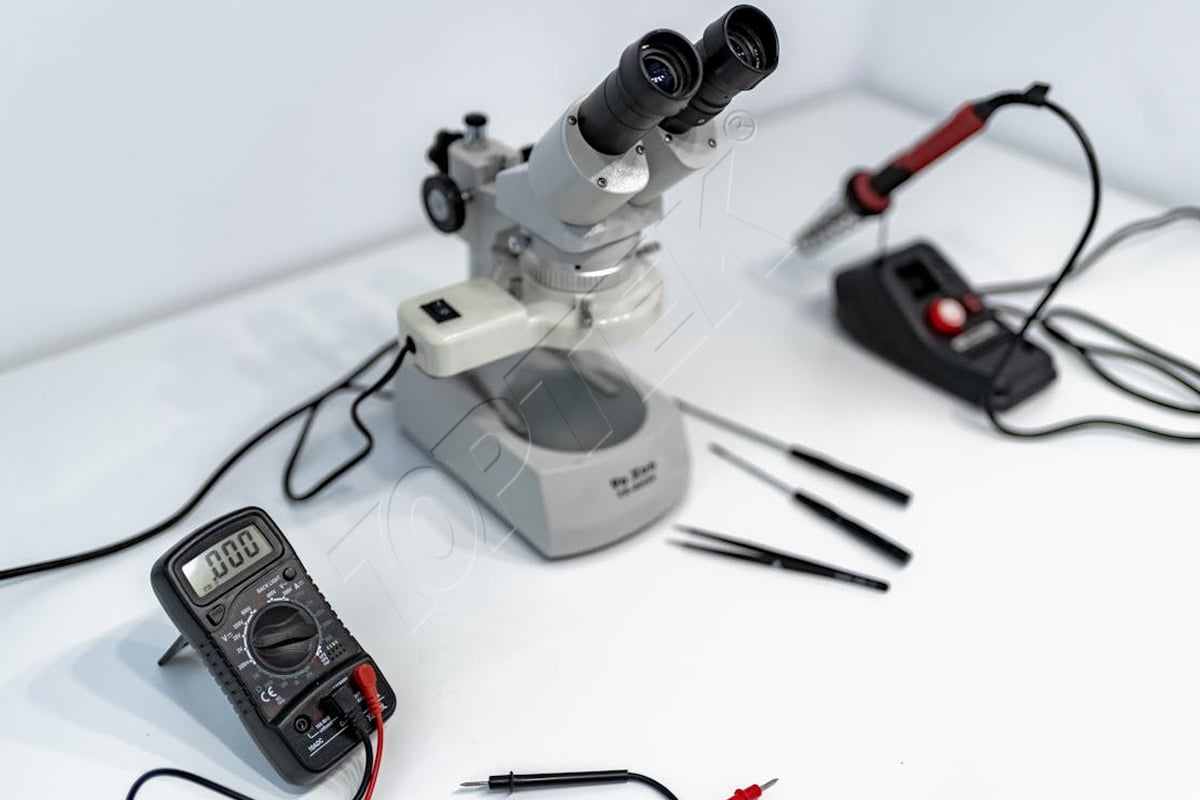
How should buyers inspect a sample? Buyers should operate the sample before and after corrosion testing, then open the lock if the project allows it. They should check latch smoothness, deadbolt travel, lever return, key operation, and internal surface condition. This process gives more value than visual inspection alone.
How Does ANSI Grade 1 Performance Relate to Rust Prevention?
Does ANSI Grade 1 automatically prevent rust? No, ANSI Grade 1 performance and corrosion resistance are related but not identical requirements. A Grade 1 lock may pass mechanical requirements, but buyers still need corrosion testing for coastal projects. Therefore, both durability and environmental testing matter.
Why does ANSI/BHMA A156.13 still matter? ANSI/BHMA A156.13 helps buyers evaluate mortise locks through operation, strength, durability, security, finish, and dimensional criteria. For external reference, buyers can review the BHMA A156.13 Mortise Locks overview.
How does TOPTEK improve the performance margin? TOPTEK’s ANSI Grade 1 mortise lock platform has passed over 2,000,000 cycles in internal laboratory testing. This supports buyers searching for a mortise lock with 2 million cycles, heavy duty mortise lock ANSI, or commercial mortise lock export supplier for demanding projects.
How Does Latch Design Affect Rust and Operation?
Why does latch design matter in coastal areas? The latchbolt moves against the strike plate every time the door closes, so friction and corrosion both affect operation. If the latch surface rusts or the internal guide corrodes, the door may require more closing force.
How does TOPTEK improve latch performance? TOPTEK focuses on smooth latch retraction when the latch contacts the strike plate. Under controlled internal conditions, the door closing force can stay around 10N. This helps reduce slamming and daily user complaints in coastal hotels, offices, schools, and apartments.
Why does 10,000N latch resistance matter? A stronger latch assembly helps the lock resist side pressure from heavy doors, closer force, and slight misalignment. TOPTEK’s ANSI platform highlights latch pressure resistance up to 10,000N in internal testing. This supports buyers searching for a 10000N latch mortise lock.
Why Does Stamping and Machining Quality Affect Corrosion?
How can manufacturing quality affect rust? Poor stamping, burrs, rough edges, scratches, and unstable holes can damage surface protection and create corrosion starting points. Therefore, rust prevention starts in the factory, not only after installation.
Why does precision stamping matter? Precision stamping helps control faceplate shape, lock case holes, screw positions, and component fit. TOPTEK uses high-precision pneumatic punching and stamping equipment to reduce dimensional variation. This supports stable assembly and cleaner surface control.
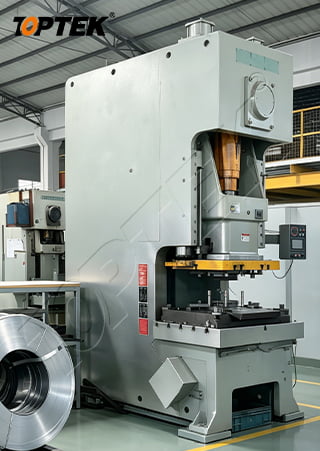
How does process control reduce corrosion risk? Process control reduces defects before plating, finishing, assembly, and shipment. TOPTEK uses incoming material inspection, First Article Inspection, in-process inspection, patrol inspection, post-plating inspection, and assembly inspection. As a result, each batch has better consistency.
How Should Buyers Choose Locks for Coastal Hotels and Apartments?
What should hotels check first? Hotels should check corrosion resistance, smooth closing, quiet operation, finish consistency, and long-term spare parts support. A Grade 1 mortise lock for hotels must resist daily guest use and coastal air. Otherwise, visible rust can quickly damage the hotel brand.
What should apartment projects check? Apartment projects should check durability, cylinder planning, finish matching, coastal exposure level, and maintenance cost. A coastal apartment may need upgraded finishes or optional 316 stainless steel components. Therefore, buyers should discuss the project location before confirming the bill of materials.
What should hospitals and schools consider? Hospitals and schools often combine frequent cleaning, high traffic, and public use. Therefore, a Grade 1 mortise lock for hospitals or Grade 1 mortise lock for schools should balance corrosion resistance, durability, safe egress, and easy maintenance.
How Should a Complete Door Opening Resist Rust?
Why should buyers evaluate the full opening? A corrosion-resistant lock body cannot protect the full door if the cylinder, handle, hinge, screw, or strike plate rusts first. Therefore, buyers should specify the complete door hardware package as one coordinated system.
Which handle solution should match the lock? A coastal commercial door should use a lever handle that matches the lock body in material, finish, corrosion strategy, and duty level. TOPTEK’s EN 1906 Lever Handle range supports commercial applications where durability, corrosion resistance, and stable return performance matter.
How should buyers select cylinders for coastal projects? Buyers should check cylinder material, finish, keyway, master key plan, corrosion resistance, and emergency access requirements. TOPTEK’s Construction Cylinder solutions help project buyers manage access control, key hierarchy, and long-term replacement planning.
Why do hinges and power transfer devices matter? A strong lock can still perform poorly if the hinge side rusts, sags, or damages access control wiring. TOPTEK’s Precision Hinges and Door Power Transfer Solutions support full door-opening reliability in commercial, semi-exposed, and access-control-ready applications.
How Does Access Control Change Coastal Hardware Selection?
Can access control increase corrosion risk? Yes, access control doors add wires, readers, power transfer hardware, sensors, and electric lock components that also need environmental protection. Coastal air can affect metal parts and electrical contacts. Therefore, project teams should plan electronic hardware early.
Which access control parts should buyers check? Buyers should check electric lock housing, cable transfer devices, reader installation, power transfer hinges, door loops, and monitoring contacts. TOPTEK’s Electronic Lock and Access Control Devices support mechanical and electronic door-opening integration for commercial projects.
How should buyers reduce electronic failure? Buyers should specify corrosion-resistant hardware, cable protection, proper sealing, and environmental reliability testing. They should also check whether the door is fully exterior, semi-exposed, or interior. This helps avoid over-specification or under-specification.
What Testing Should Buyers Ask For?
What test data should buyers request? Buyers should ask for salt spray testing, cycle testing, latch pressure testing, finish inspection, material verification, and full function testing after corrosion exposure. This makes the evaluation more practical than checking appearance only.
How do external labs support evaluation? External testing organizations can help buyers understand performance, certification, and compliance expectations. UL explains that door hardware performance testing may include strength, endurance, corrosion, and operational tests. Buyers can review UL door hardware testing and certification.
What does Intertek offer? Intertek provides testing and certification services for door hardware, including locks, hinges, latches, closers, and exit devices. Buyers can review Intertek door hardware testing when they need broader third-party testing references.
How Should OEM/ODM Buyers Control Rust Risk Before Mass Production?
What should OEM/ODM buyers confirm before tooling? OEM/ODM buyers should confirm target market, coastal exposure level, material grade, finish requirement, salt spray target, door type, lock function, and packaging method. These decisions affect drawings, tooling, plating, assembly, and cost.
Why do retained samples matter? Retained samples help both parties compare future orders with the approved standard. This is important for color, surface texture, finish, latch operation, and corrosion-resistant component selection. Therefore, sample retention reduces disputes during repeat orders.
How does TOPTEK support ANSI lock OEM/ODM projects? TOPTEK supports ANSI Grade 1 mortise lock OEM and ANSI Grade 1 mortise lock ODM projects through requirement review, engineering discussion, sample testing, pilot production, and mass production control. This helps buyers reduce rust risk before products enter the market.
What Should Buyers Confirm Before Ordering?
What should buyers prepare before requesting a quote? Buyers should prepare the project location, door exposure level, lock standard, salt spray requirement, material preference, finish, lock function, trim type, cylinder format, and quantity. A clear RFQ helps the supplier recommend the correct corrosion-resistant configuration.
- Confirm whether the project needs an ANSI Grade 1 mortise lock for coastal use.
- Confirm whether the lock must follow mortise lock ANSI A156.13 requirements.
- Confirm the salt spray target, such as 200 hours or a higher project requirement.
- Confirm material: 304 stainless steel, upgraded stainless components, or optional 316 stainless steel where needed.
- Confirm whether the door is exterior, semi-exposed, or interior but high-humidity.
- Confirm latchbolt, deadbolt, strike plate, screws, trim, cylinder, and hinge material.
- Confirm whether the opening needs a UL fire rated mortise lock.
- Confirm whether access control wiring, door loop, or power transfer hardware is required.
- Confirm retained samples, packaging, spare parts, testing reports, and after-sales support.
How should buyers judge supplier reliability? Buyers should choose an ANSI mortise lock manufacturer that understands corrosion, standards, materials, fire-door use, testing, and batch production. A low-price supplier may copy the appearance. However, long-term coastal performance depends on engineering control.
How Does TOPTEK Support Coastal Mortise Lock Projects?
What makes TOPTEK suitable for coastal projects? TOPTEK combines ANSI Grade 1 lock development, 304 stainless steel structural logic, salt spray testing solutions, in-house laboratory validation, and OEM/ODM production control. This helps brands, distributors, contractors, and door manufacturers reduce corrosion-related project risk.
Which TOPTEK pages support this article? Buyers can review TOPTEK’s ANSI product pages and company pages for model details and project sourcing support. Useful internal links include the ANSI Grade 1 Mortise Lock landing page, the TKAMEC9200 escutcheon lever trim page, and the About TOPTEK engineering page.

Why does complete hardware thinking matter? Rust prevention depends on the full door opening, not only the mortise lock case. Therefore, TOPTEK helps buyers coordinate lock bodies, cylinders, lever handles, hinges, access control devices, strikes, screws, finishes, and testing requirements.
Related TOPTEK Product Series for Coastal Door Hardware Projects
Which TOPTEK product series can support coastal commercial door projects? Coastal projects often need coordinated locks, handles, cylinders, hinges, access control devices, and exit hardware rather than isolated products. The following internal links help buyers review related TOPTEK product systems for complete door-opening planning.
- ANSI Grade 1 Mortise Lock / commercial mortise lock Grade 1 / mortise lock ANSI A156.13
- EN 12209 Grade 3 Mortise Lock / European commercial mortise lock / fire-rated EN mortise lock
- AS 4145 Mortise Lock / Australian standard mortise lock / 316 stainless steel commercial lock
- Panic Exit Device / fire exit hardware / commercial emergency egress device
- Multi-point Locking Systems / automatic multipoint lock / steel hook multipoint lock
- Electronic Lock and Access Control Devices / access control mortise lock / electromechanical commercial lock
- EN 1906 Lever Handle / stainless steel commercial lever handle / anti-sag lever handle
- Construction Cylinder / project master key cylinder / high-security commercial cylinder
- Precision Hinges and Door Power Transfer Solutions / stainless steel butt hinge / door power transfer hardware
Conclusion: How to Prevent Rust in Coastal Mortise Lock Projects
What is the final answer? To prevent mortise lock rusting in coastal areas, buyers should control material, surface finish, salt spray testing, installation quality, full hardware matching, and long-term maintenance. A coastal project should not choose door hardware by price alone. It should choose by lifecycle reliability.
Why should global buyers consider TOPTEK? TOPTEK provides corrosion-resistant ANSI mortise lock solutions, salt spray testing support, TKAM9200 Grade 1 lock platforms, 2M-cycle internal testing, 10000N latch performance, UL 10C fire-rated project support, and OEM/ODM service. This helps buyers reduce rust, maintenance, installation, and after-sales risk in coastal projects.
What is TOPTEK’s product scope? TOPTEK Access is a China-based OEM/ODM manufacturer of commercial locks, architectural door hardware, and integrated access control locking solutions, supplying ANSI Grade 1 mortise locks, EN 12209 Grade 3 mortise locks, AS 4145 mortise locks, panic exit devices, multi-point locking systems, electronic locks, lever handles, cylinders, and hinges for global door manufacturers, distributors, contractors, and building projects.
What does TOPTEK stand for? TOPTEK stands for Commercial Door Hardware Reliability Solution. TOPTEK: Smart Design. Strong Security.
Need help with coastal mortise lock corrosion control? Contact TOPTEK to evaluate corrosion-resistant ANSI Grade 1 mortise locks, salt spray testing requirements, coastal project hardware packages, access control door hardware, and OEM/ODM commercial door hardware solutions. Visit TOPTEK Access – Commercial Locks & Architectural Hardware Manufacturer.