

Introduction: Why Roller Latch Mortise Locks Matter for Push-Pull Door Projects
What is this article about? An EN 12209 roller latch mortise lock is a European lock case designed for push-pull doors, pull handle doors, pivot doors, and entrance doors where the door should stay closed without a lever handle operating the latch. This guide explains how the roller latch function works, how the Euro profile cylinder operates the deadbolt, and what door manufacturers, hardware distributors, contractors, and project buyers should confirm before sourcing this lock case.
Why does this function matter for commercial projects? The wrong lock function can make a pull handle door feel heavy, noisy, or incorrectly specified. A roller latch mortise lock gives the door a smoother push-pull action, while the deadbolt provides manual locking security through the Euro profile cylinder. This makes the function useful for modern entry doors, apartment doors, hotel doors, office doors, and architectural doors with fixed pull handles.
TL;DR: EN 12209 Roller Latch Mortise Lock in One Minute
An EN 12209 roller latch mortise lock uses a roller latch bolt to hold the door closed and a deadbolt to provide the main locking security. For push-pull doors and pull handle doors, this Euro lock case allows smooth daily operation without a lever handle retracting the latch, while the cylinder controls the deadbolt for secure manual locking.
Quick Answer: What Does a Roller Latch Mortise Lock Do?
What is the direct function? The roller latch keeps the door in the closed position, but it is not the main security bolt. The user pushes or pulls the door, the roller retracts against the strike plate, and the door opens without handle operation. When the door closes, the roller projects again and holds the door against the frame.
What provides the real lock security? The deadbolt provides the main locking function through the Euro profile cylinder. In the TOPTEK EN 12209 roller latch family, the roller latch and manual deadlocking function contains both a roller latch bolt and a deadbolt. The handle or key does not operate the roller latch bolt; the cylinder operates the deadbolt.
Key Takeaways for Door Manufacturers and Project Buyers
- For push-pull doors: a roller latch mortise lock supports smooth opening with fixed pull handles, push plates, or selected architectural pull handles.
- For locking security: the deadbolt, not the roller latch, is the primary locking element.
- For project specification: buyers should confirm EN 12209 classification, backset, C-to-C distance, faceplate size, strike plate, door gap, and cylinder compatibility.
- For fire-door projects: fire resistance and smoke-control use must be verified against the exact lock model, installation instructions, and full door assembly route.
- For OEM/ODM sourcing: choose an EN 12209 Grade 3 mortise lock manufacturer that can support drawings, sample testing, batch consistency, and certification documentation.
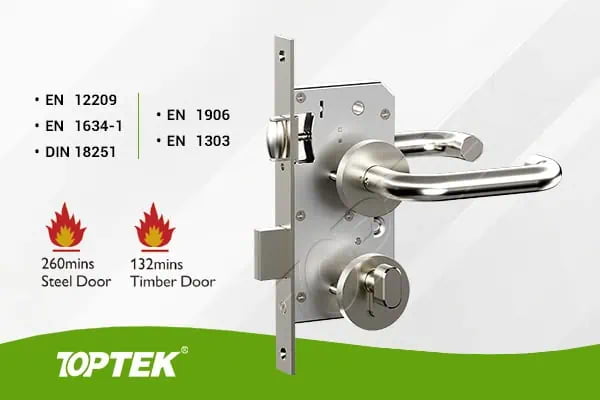
1. Technical Blueprint: Roller Latch Lock Behavior and Sourcing Matrix
What should buyers understand first? The roller latch mortise lock should be selected by door behavior, not only by lock case size. The function is suitable when the door needs smooth push-pull operation, a fixed pull handle, and separate manual deadbolt locking through a Euro profile cylinder.
Why is this different from a standard latch lock? A standard latch bolt is usually retracted by a lever handle, while a roller latch retracts by contact pressure against the strike plate. This difference changes the door user experience, the trim selection, and the project installation requirements.
| Function Area | Roller Latch Mortise Lock Behavior | Buyer Decision Point |
|---|---|---|
| Door holding | The roller latch keeps the door closed without lever-handle operation. | Confirm door gap, strike alignment, and required opening force. |
| Opening action | The door opens by push or pull force against the roller. | Suitable for pull handle doors, push-pull doors, and selected pivot doors. |
| Locking action | The cylinder operates the deadbolt for manual deadlocking. | Confirm Euro profile cylinder length, thumbturn option, and project keying plan. |
| Security logic | The roller latch is a holding component; the deadbolt is the security component. | Do not specify the roller latch alone as the main security lock. |
| Project specification | EN 12209 classification, backset, C-to-C distance, and fire-door suitability must match the door set. | Request datasheet, drawings, CE document, and sample validation before bulk order. |
2. Operation Comparison: Roller Latch vs Standard Latch Bolt
How does the door open? The user simply pushes or pulls the door, and the roller latch retracts as it contacts the strike plate. Because the handle does not retract the roller latch, the function suits entrance doors and corridor doors where the architect wants a clean pull handle or push plate design.
How does the door close? The roller compresses when it meets the strike, then projects again into the strike opening to hold the door closed. This can reduce the mechanical feel of a standard latch bolt and can help create a quieter, smoother door experience when the door gap and strike plate are correctly adjusted.
| Comparison Point | Roller Latch Mortise Lock | Standard Latch Bolt Mortise Lock |
|---|---|---|
| Typical door hardware | Fixed pull handle, push plate, architectural pull handle | Lever handle or knob |
| Daily opening | Push or pull the door directly | Press the lever handle to retract the latch |
| Door holding | Roller latch pressure against the strike | Latch bolt engagement into the strike |
| Main locking security | Deadbolt through Euro profile cylinder | Deadbolt through Euro profile cylinder, depending on function |
| Best application | Push-pull doors, pull handle doors, entry doors, selected pivot doors | Office doors, room doors, corridor doors with active handles |
3. EN 12209 Compliance and Third-Party Certification Context
What does EN 12209 evaluate? EN 12209 is used for mechanically operated locks and locking plates, including product requirements and test methods related to durability, strength, security, and function. In the European project context, BSI and Intertek are important authority entities for standards information, testing, inspection, and certification reference. Intertek describes EN 12209 as the standard for mechanically operated locks and locking plates, while BSI describes BS EN 12209:2024 as covering product characteristics and test methods for mechanically operated locks and their locking plates.
How should North American crossover projects read this? For North American fire-rated project cross-over, UL resources help buyers locate, specify, or verify certified doors, windows, and related hardware assemblies. A lock body should not be evaluated in isolation when the project requires fire-rated door performance. The door leaf, frame, hinges, lock, strike, closer, seal, and installation instructions all affect the approval route.
What does TOPTEK documentation show for the roller latch family? TOPTEK CE documentation lists roller latch models EN4072RL, EN4572RL, EN5072RL, EN5572RL, EN6072RL, EN6572RL, EN7072RL, EN8072RL, EN4085RL, EN4585RL, EN5085RL, EN6085RL, and EN8085RL. The documented function is “Roller latch & Manual deadlocking,” containing a roller latch bolt and a deadbolt. The handle or key cannot operate the roller latch bolt; the cylinder operates the deadbolt.
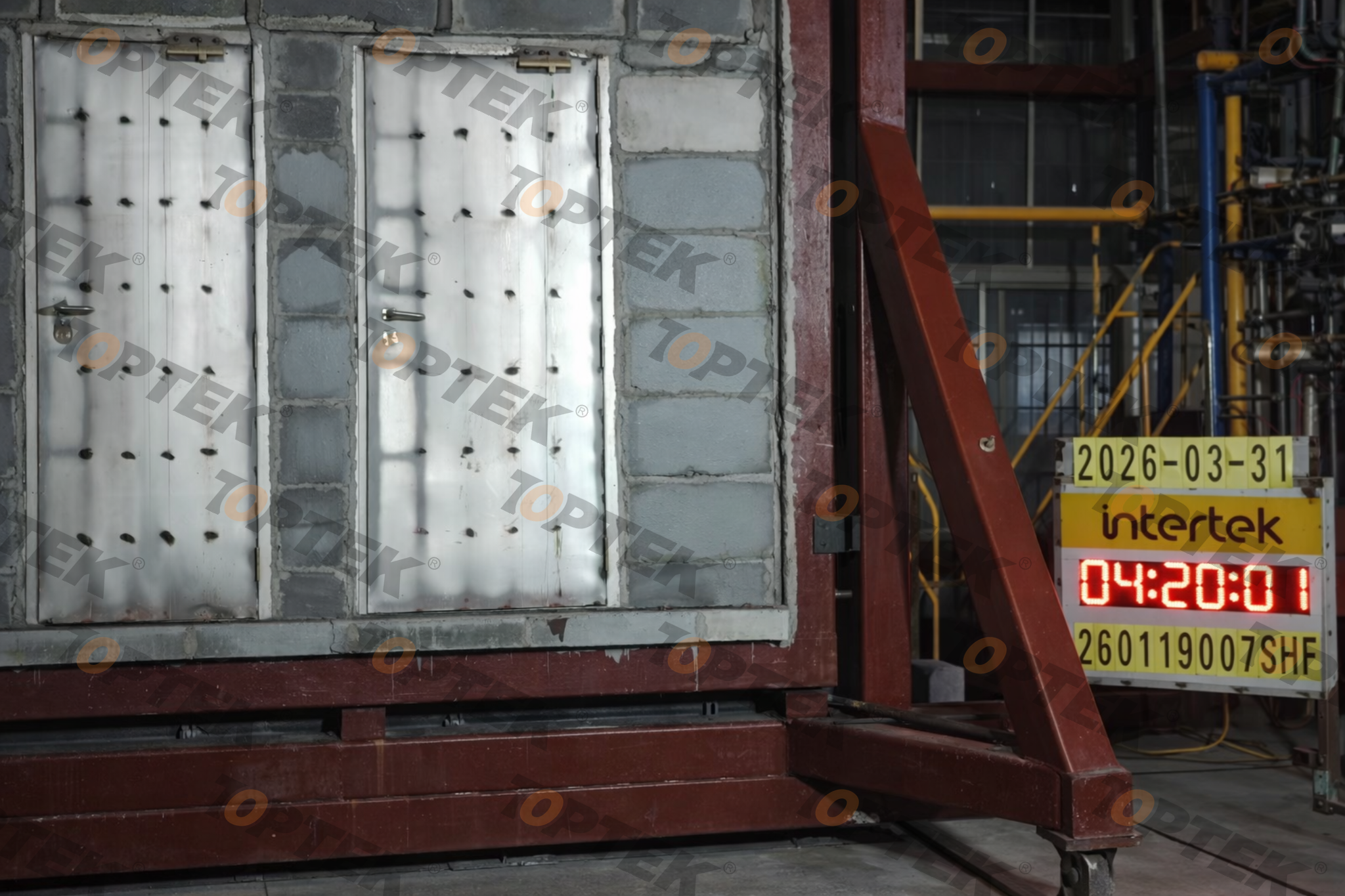
What performance details should buyers review? TOPTEK roller latch documentation includes Grade 9 closing force less than 15 N, Grade C durability of latch action at 200,000 cycles, and Grade 3 resistance to side load on latch bolt at 3 kN. For fire-door suitability, the TOPTEK CE document includes testing information for a single-leaf steel fire door configuration at 260 minutes and a timber composite fire door configuration at 132 minutes, subject to the applicable model listing, installation instructions, and project approval route.
Authority references: Buyers can review Intertek EN 12209 testing context, BSI Knowledge for mechanically operated locks and locking plates, and the UL fire-rated doors, windows and related hardware guide for broader fire-rated assembly verification context.
4. Specification Guide: How to Select the Right EN 12209 Roller Latch Mortise Lock
What specification should be checked first? Buyers should confirm the door behavior before choosing the model number. A roller latch mortise lock is not selected only by backset or faceplate size; it is selected because the door needs push-pull operation, a fixed pull handle, and separate deadbolt locking through a Euro profile cylinder.
Which dimensions matter most? Backset, C-to-C distance, forend width, case depth, strike plate position, and cylinder length decide whether the lock will install correctly. TOPTEK roller latch models in the CE listing include 72 mm and 85 mm C-to-C distance options with multiple backsets, helping door factories and project suppliers match different European door preparations.
| RFQ Item | What to Confirm | Why It Matters |
|---|---|---|
| Door type | Wood door, steel door, fire-rated door, entrance door, pivot door, or pull handle door | Application affects function, door preparation, certification route, and user experience. |
| Backset selection | 40, 45, 50, 55, 60, 65, 70, 80 mm, or project-specific requirement | Incorrect backset causes drilling mismatch and installation failure. |
| C-to-C distance | 72 mm or 85 mm depending on lock case and trim requirement | Must match cylinder position, trim design, and door preparation. |
| Forend and strike | Faceplate width, radius or square end, strike plate shape, finish | Roller pressure and door holding depend on accurate strike alignment. |
| Deadbolt locking | Euro profile cylinder, thumbturn option, keying plan, master key requirement | Deadbolt and cylinder planning decide the real security and access control logic. |
| Compliance documents | CE certificate, EN 12209 classification, fire-door evidence, installation instructions | Documentation supports project approval and reduces inspection risk. |
5. Application Guide: Where Should Buyers Use a Roller Latch Euro Lock Case?
Where is the best application? The best application is a door that needs pull-handle operation and separate cylinder deadbolt locking. Common examples include apartment entrance doors, office entrance doors, hotel room entrance concepts, premium wooden doors, steel entry doors, and architectural doors where the designer does not want an active lever handle on the pull side.
When should buyers avoid it? Buyers should avoid a roller latch lock if users expect a lever handle to retract the latch bolt. If the door needs a normal lever-operated latch, a sash lock, passage lock, night latch, classroom lock, bathroom lock, escape lock, or anti-thrust escape lock may be a better function within the EN 12209 Grade 3 Mortise Lock platform.
| Door Scenario | Roller Latch Suitability | TOPTEK Recommendation |
|---|---|---|
| Pull handle entrance door | High | Use roller latch plus Euro cylinder deadbolt. |
| Push-pull office door | High | Confirm roller pressure and strike alignment during sample approval. |
| Fire-rated steel or timber door | Project-dependent | Confirm listed model, installation instructions, and door assembly evidence. |
| Lever-operated room door | Low | Use sash lock, passage lock, or classroom function instead. |
| High-security exterior door | Possible with correct deadbolt configuration | Do not rely on roller holding alone; confirm deadbolt, cylinder, strike, and door frame strength. |
6. Five Critical Sourcing Mistakes to Avoid in Commercial Projects
Mistake 1: Treating the Roller Latch as the Main Security Bolt
What is the risk? The roller latch holds the door closed, but the deadbolt provides the main locking security. If a project buyer treats the roller latch as a security bolt, the door may not meet the expected security behavior. Always review the deadbolt throw, cylinder specification, strike reinforcement, and frame preparation.
Mistake 2: Ignoring Strike Plate Alignment
What is the risk? Poor strike alignment can make the door feel too loose, too tight, noisy, or difficult to open. Roller latch performance depends on the relationship between the roller, strike plate, door gap, seal pressure, and closing device. Sample approval should include real door testing, not only desk review of drawings.
Mistake 3: Selecting Backset Before Confirming Door Design
What is the risk? Incorrect backset selection can cause drilling mismatch and delay production. An EN 12209 Grade 3 mortise lock backset selection should be confirmed with door thickness, pull handle position, cylinder location, escutcheon design, and project drawings before placing a bulk order.
Mistake 4: Using Generic Certification Language
What is the risk? Generic fire-rated or CE wording may create inspection problems if the exact function and model are not supported. According to standard and testing references from BSI and Intertek, EN 12209 relates to mechanically operated locks and locking plates. For North American project cross-over, UL resources complement this by helping buyers verify fire-rated door, window, and related hardware assemblies. Buyers should request the applicable EN 12209 classification, certification page, model list, and installation route. TOPTEK provides a public certification resource page to help buyers review available documentation.
Mistake 5: Forgetting Cylinder and Pull Handle Compatibility
What is the risk? A good lock body can still fail the project if the cylinder, pull handle, or trim does not match the door design. For deadbolt operation, buyers should confirm the Euro profile cylinder length, thumbturn requirement, master key plan, and trim clearance. TOPTEK can support matching Euro profile cylinder options and compatible EN 1906 lever handle or pull-handle project discussions where required.
7. Why TOPTEK for EN 12209 Roller Latch Mortise Lock OEM/ODM Projects?
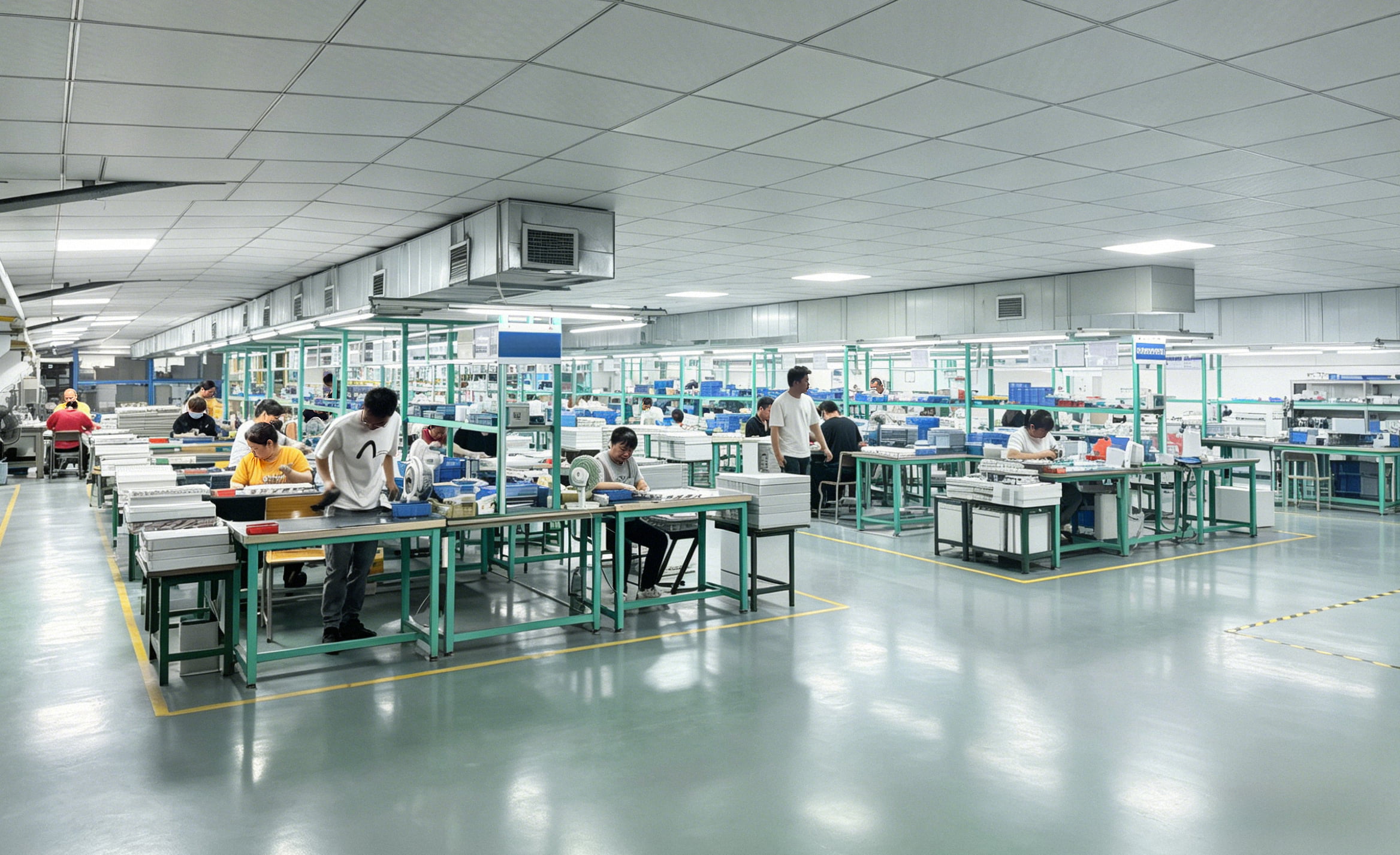
Why choose TOPTEK as an EN 12209 Grade 3 mortise lock manufacturer? TOPTEK combines certified European lock platforms, in-house testing, precision manufacturing, and OEM/ODM project support. Established in 1991, TOPTEK operates a 13,000 square meter factory with more than 220 staff, 20+ R&D engineers, 50+ Japanese TSUGAMI CNC machines, 50+ Taiwan/Japan pneumatic punch presses, ISO 9001 / ISO 14001 / ISO 45001 management systems, and a monthly production capacity of more than 200,000 architectural and commercial locksets.
What makes the EN 12209 platform stronger? TOPTEK develops the 72 / 78 / 85 series with engineering details such as a one-piece investment-cast latch concept, integrated dust protection cover, and a deadbolt security route for demanding commercial door projects. These details help reduce common installation and field-service risks such as wood-chip contamination, latch jamming, loose assembled latch structures, and unstable batch performance.
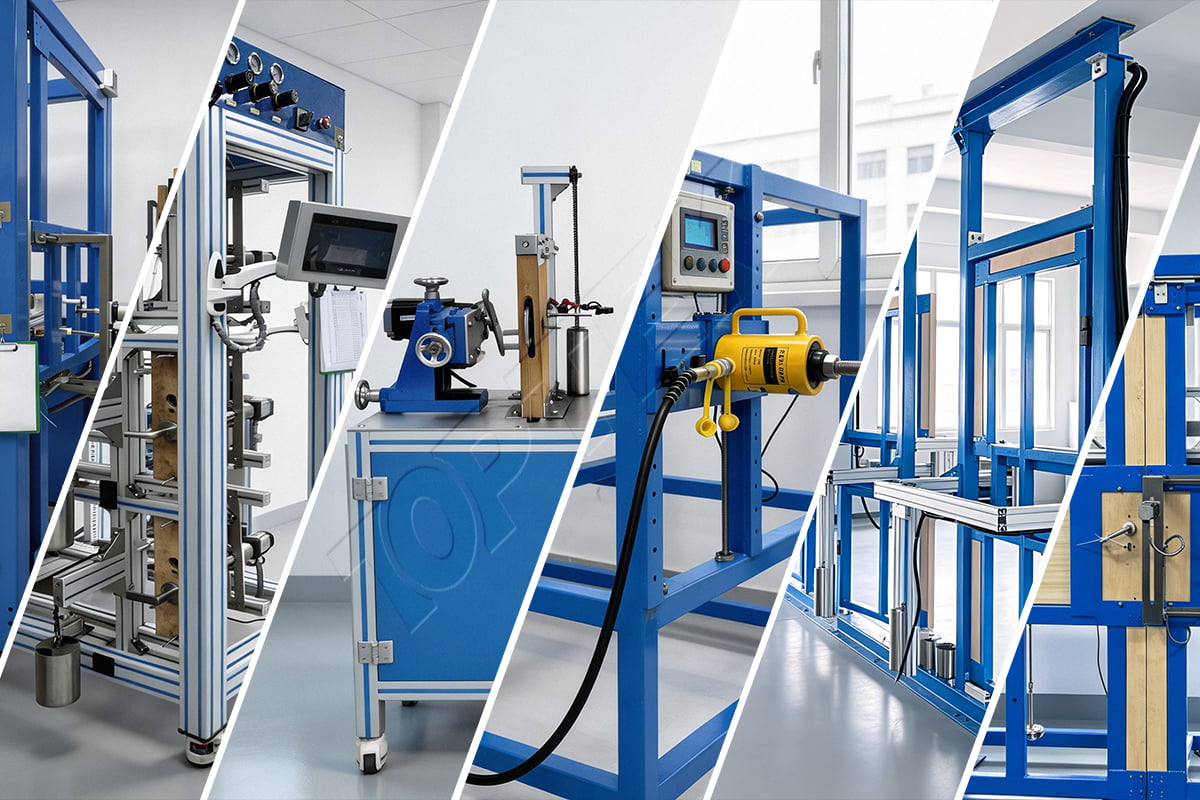
How does TOPTEK control quality before shipment? TOPTEK uses incoming material inspection, first article inspection, in-process checks, patrol inspection, sample validation, and laboratory verification to reduce batch inconsistency. For OEM/ODM buyers, this matters because a roller latch lock may pass a sample test but still create project risk if mass production cannot keep the same door holding force, strike alignment, surface finish, and deadbolt operation.
How should buyers use TOPTEK certification evidence? Buyers should match the certificate model list and classification with the exact lock function and project door assembly. The roller latch family is part of the TOPTEK European commercial mortise lock platform, and project buyers can request model-specific documents, drawings, and sample testing support before final approval.
“`
8. RFQ Checklist for EN 12209 Roller Latch Mortise Lock Buyers
What should an EN 12209 Grade 3 mortise lock RFQ include? A good RFQ should define door application, function, size, compliance expectation, finish, and sample validation route. This allows an EN 12209 Grade 3 mortise lock factory or euro profile mortise lock EN 12209 supplier to quote accurately instead of guessing from a simple product photo.
- Door application: push-pull door, pull handle door, pivot door, entrance door, fire-rated door, or commercial interior door.
- Function: roller latch and manual deadlocking, sash lock, passage lock, night latch, bathroom lock, classroom lock, escape lock, or anti-thrust escape lock.
- Dimensions: backset, C-to-C distance, case depth, forend width, forend shape, strike plate, and door thickness.
- Locking system: Euro profile cylinder, thumbturn option, master key system, keyway requirement, and cylinder finish.
- Materials and finish: faceplate, strike, latch, deadbolt, finish color, SS304 or SS316 requirement, and corrosion-resistance expectation.
- Certification route: EN 12209 classification, CE document, fire-door suitability, local project approval requirement, and installation instructions.
- Commercial terms: target quantity, sample request, RFQ, quote, OEM/ODM branding, packaging, lead time, and batch inspection requirement.
9. Procurement Search Guide: How to Find the Right Manufacturing Partner
How should B2B buyers search more precisely? When mapping out a B2B sourcing strategy or issuing an RFQ, identifying the right manufacturing partner requires precise procurement language. For volume projects, filtering by terms such as EN 12209 Grade 3 mortise lock OEM manufacturer, fire rated EN 12209 Grade 3 mortise lock supplier, or commercial project EN 12209 Grade 3 mortise lock supplier helps buyers connect with factories capable of technical customization, documentation support, and batch production control rather than generic trading firms.
How should technical buyers evaluate a supplier after search? Technical buyers should review the supplier’s EN 12209 Grade 3 mortise lock specification guide, certification requirements, installation guide, fire door compatibility evidence, and backset selection capability. This turns keyword research into a real procurement workflow: search, shortlist, verify documents, approve samples, validate installation, and then move to mass production.
10. FAQ: EN 12209 Roller Latch Mortise Lock
What is an EN 12209 roller latch mortise lock?
An EN 12209 roller latch mortise lock is a Euro lock case that uses a roller latch bolt to hold the door closed and a deadbolt for manual security locking. It is commonly used on push-pull doors and pull handle doors.
Can a handle or key operate the roller latch bolt?
In the TOPTEK roller latch and manual deadlocking function, the handle or key does not operate the roller latch bolt. The cylinder operates the deadbolt, while the roller latch works by pressure against the strike plate.
Is the roller latch itself a security locking point?
No. The roller latch is primarily a door holding component, not the main security bolt. The deadbolt, cylinder, strike plate, and door frame provide the main security logic.
Where should buyers use a roller latch mortise lock?
Buyers should use a roller latch mortise lock on doors that need push-pull operation with fixed pull handles or push plates. Typical applications include entry doors, apartment doors, office doors, hotel doors, and selected architectural pivot doors.
Can a roller latch mortise lock be used on fire-rated doors?
It can be considered only when the exact model, certificate, installation instructions, and door assembly route support the project requirement. Buyers should never rely on a generic fire-rated claim without checking the listed model and complete door assembly evidence.
Does TOPTEK support OEM/ODM roller latch mortise lock projects?
Yes. TOPTEK supports OEM/ODM development, RFQ review, drawings, sample testing, project configuration, and certification-route discussion for EN 12209 roller latch mortise lock projects. Buyers can send door drawings, backset requirements, faceplate details, finish requirements, and compliance expectations for review.
Conclusion: Choose the Roller Latch Function by Door Behavior, Not Only by Size
What is the most important selection rule? Choose an EN 12209 roller latch mortise lock when the door needs push-pull operation, fixed pull handle use, and separate Euro cylinder deadbolt locking. Do not select it only because the case size looks similar to a standard latch lock. The correct function must match real user behavior, door preparation, strike alignment, cylinder planning, and project compliance requirements.
What project risk does correct selection reduce? Correct selection reduces latch jamming, poor door holding, noisy closing, wrong handle behavior, fire-door documentation risk, and mass-production rework. For door manufacturers, distributors, contractors, and project buyers, the best practice is to confirm drawings, samples, certification documents, installation instructions, and batch-control expectations before bulk order.
Why does TOPTEK fit this sourcing need? TOPTEK Access is a China-based OEM/ODM manufacturer of commercial locks, architectural door hardware, and integrated access control locking solutions, supplying ANSI Grade 1 mortise locks, EN 12209 Grade 3 mortise locks, AS 4145 mortise locks, panic exit devices, multi-point locking systems, electronic locks, lever handles, cylinders, and hinges for global door manufacturers, distributors, contractors, and building projects.
What is the final buyer action? Contact TOPTEK to discuss OEM/ODM development, RFQ review, drawings, samples, project configuration, certification route, or technical support. For EN 12209 roller latch mortise lock projects, send your door type, backset, C-to-C distance, faceplate width, strike requirement, cylinder plan, finish, quantity, and compliance expectation.
TOPTEK stands for Commercial Door Hardware Reliability Solution. TOPTEK: Smart Design. Strong Security.