

DIN Mortise Lock Manufacturer: What Door Manufacturers Should Check Before Sourcing DIN Mortise Locks
What should door manufacturers check first? Door manufacturers should verify the DIN mortise lock function, EN 12209 classification, DIN 18251 application, fire-door suitability, dimensions, material, testing evidence, and OEM/ODM support before discussing price. A low-cost DIN lock case can become expensive when the function is wrong, the certificate scope is unclear, the strike plate does not match the door preparation, or the batch quality changes after sample approval.
Who reviewed this guide? Written by Ivan He, Technical Director at TOPTEK. This article is prepared for door manufacturers, fire-rated door manufacturers, hardware brands, distributors, project contractors, and sourcing teams evaluating DIN mortise locks, Euro profile mortise locks, and EN 12209 Grade 3 mortise lock suppliers.
TL;DR: DIN Mortise Lock Sourcing Checklist for Door Manufacturers
What is the fastest sourcing rule? Do not approve a DIN mortise lock only by sample appearance or unit price. Door manufacturers should check the lock function, EN 12209 / DIN 18251 standard route, CE certificate scope, fire-door test evidence, backset, center distance, forend, strike plate, latchbolt structure, deadbolt strength, corrosion solution, production control, and RFQ documentation.
- Check standard scope: EN 12209, DIN 18251, EN 1634-1 where fire-rated doors are involved, and the exact certificate model list.
- Check function: sash lock, passage latch, deadbolt lock, bathroom lock, night latch, roller latch, classroom lock, escape lock, or anti-thrust escape lock.
- Check dimensions: 72 mm, 78 mm, or 85 mm center distance, backset, forend size, case depth, follower size, spindle, cylinder position, and strike plate.
- Check structure: latchbolt material, deadbolt security grade, dust protection, cover thickness, spring return, and internal mechanism stability.
- Check production consistency: incoming inspection, in-process QC, salt spray testing, durability testing, sample retention, and batch-to-batch control.
- Check supplier capability: OEM/ODM engineering, private label support, test reports, drawings, installation instructions, packaging, and after-sales response.
Quick Answer: What Should Door Manufacturers Check Before Sourcing DIN Mortise Locks?
What is the direct answer? Door manufacturers should check whether the DIN mortise lock is the correct European lock case for the door schedule, not only whether it fits the opening. The correct sourcing process starts with function matching, then moves to standard verification, dimensional confirmation, fire-door suitability, material selection, certificate review, sample testing, and supplier production control.
What is the main project risk? The biggest risk is approving a DIN mortise lock that looks correct but fails in function, fire-door scope, durability, or installation consistency during mass production. This risk is especially serious for hotel doors, school doors, hospital doors, commercial buildings, apartment projects, and fire-rated door manufacturers that need repeatable hardware performance across large quantities.
What supplier type is safer? A DIN mortise lock manufacturer with EN 12209 knowledge, in-house testing, controlled drawings, stable production, and OEM/ODM project support is safer than a trading supplier that only compares price. Door manufacturers should ask for model scope, lock function drawings, certificate documents, sample approval records, and production QC evidence before confirming bulk orders.
What Is a DIN Mortise Lock in Door Manufacturing?
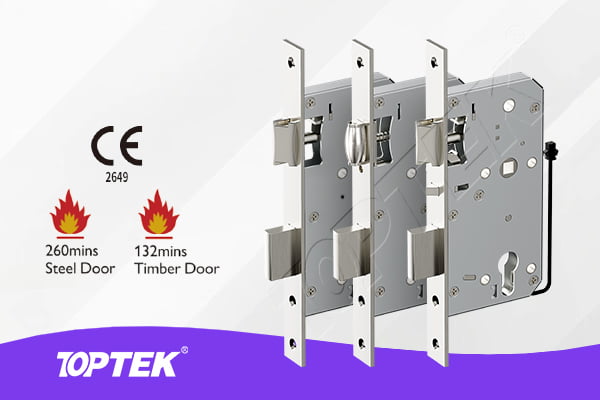
What does “DIN mortise lock” usually mean? In international sourcing, a DIN mortise lock usually refers to a European-style mortise lock case used with Euro profile cylinders, lever handles, DIN-type door preparation, and EN / DIN project specifications. Buyers may also search for Euro mortise lock, DIN lock case, EN 12209 mortise lock, Euro profile mortise lock, European lock body, or DIN 18251 mortise lock.
Why does terminology matter? The term DIN mortise lock describes the market format, but the sourcing proof normally comes from standards, drawings, test evidence, and certificate scope. For commercial doors and fire-rated doors, door manufacturers should not rely only on the word “DIN”; they should ask how the lock case is evaluated under EN 12209, whether DIN 18251 dimensions are relevant, and whether EN 1634-1 fire-door evidence applies to the selected model.
| Buyer Term | What Buyers Usually Mean | What to Verify Before Ordering |
|---|---|---|
| DIN mortise lock | European-format mortise lock case for door manufacturers | Function, backset, center distance, forend, strike, handing, and lock body drawing |
| EN 12209 Grade 3 mortise lock | Lock case evaluated under EN 12209 performance classification | Classification code, model list, durability, security grade, and certificate scope |
| DIN 18251 lock case | DIN-type dimensional or application reference for German/European projects | Door preparation, case dimensions, center distance, and hardware compatibility |
| Euro profile mortise lock | Mortise lock designed for Euro profile cylinder and lever handle systems | Cylinder cam, follower, lever handle, escutcheon, strike plate, and spindle compatibility |
Standard and Certificate Scope: EN 12209, DIN 18251, and EN 1634-1
What standard should door manufacturers check? Door manufacturers should check EN 12209 for mechanically operated locks and latches, DIN 18251 where the project requires DIN lock case format, and EN 1634-1 evidence where the lock is used on fire-rated doors. A certified EN 12209 Grade 3 mortise lock supplier should be able to explain the standard route, the intended use, the classification code, and the exact model scope instead of only saying “CE approved.”
What certificate details should buyers request? Buyers should request the certificate number, issuing body, standard version, intended use, model reference list, classification table, fire-door suitability table, installation notes, and current validity. For TOPTEK, the EN 12209 CE certificate reference used for this article is Certificate No. 2649-CPR-26002201, and buyers should always confirm the latest public document through the TOPTEK certification documents page before tender submission or bulk approval.
What should not be assumed? A certificate for one DIN mortise lock model should not be extended to all lock functions, all backsets, all finishes, all door materials, or all fire-rated door assemblies without checking the listed scope. This is why fire rated EN 12209 Grade 3 mortise lock supplier evaluation should always include the exact product family, installation direction, tested door configuration, and project-specific compliance expectation.
Which authority links help buyers understand testing context? Buyers can refer to Intertek for testing, inspection, and certification context, and UL Solutions for product safety and fire-testing context in markets where UL routes are relevant. These links should support supplier verification, but they do not replace checking the actual certificate and model scope for the DIN mortise locks being sourced.
Function Check: Match the DIN Mortise Lock to the Door Schedule
What function should door manufacturers confirm first? Door manufacturers should confirm the lock function before selecting the backset, finish, price, or packaging. A sash lock case, passage latch, bathroom lock case, deadbolt lock case, night latch, roller latch, classroom lock, escape lock, and anti-thrust escape lock can look similar from outside, but they solve different door-control problems.
Why is function matching important? Wrong function selection can cause failed site acceptance, unsafe egress behavior, customer complaints, or expensive rework after the doors are already prepared. For example, a hotel room door, school classroom door, hospital utility room, fire exit route, office passage door, and pull-handle door may all need different DIN mortise lock functions.
| DIN / Euro Lock Function | Typical Use | Buyer Checkpoint |
|---|---|---|
| Sash mortise lock | Commercial doors needing latch and deadbolt control | Confirm lever operation, cylinder operation, deadbolt throw, strike plate, and fire-door scope. |
| Passage latch | Internal doors requiring free passage without deadbolt | Confirm latch action, handle return, backset, and door traffic level. |
| Deadbolt lock case | Controlled locking where latch function is not required | Confirm cylinder operation, deadbolt strength, security grade, and strike reinforcement. |
| Bathroom lock case | WC / privacy doors with thumbturn operation | Confirm 78 mm center distance, privacy indicator, emergency release, and trim compatibility. |
| Night latch | Doors requiring latch operation by handle and cylinder | Confirm outside access logic, inside operation, cylinder compatibility, and project security requirement. |
| Roller latch lock | Pull-handle or push-pull doors requiring hold-closed function | Confirm roller adjustment, pull force, strike alignment, and door closer behavior. |
| Escape / access mortise lock | Emergency egress or access-control-related doors | Confirm escape behavior, trigger bolt, handle operation, cylinder operation, and applicable EN 179 / EN 1125 route where required. |
| Classroom lock | Education and institutional doors | Confirm outside key control, inside free egress, cylinder function, and lock schedule requirement. |
Dimension Check: Backset, Center Distance, Forend, Strike, and Door Preparation
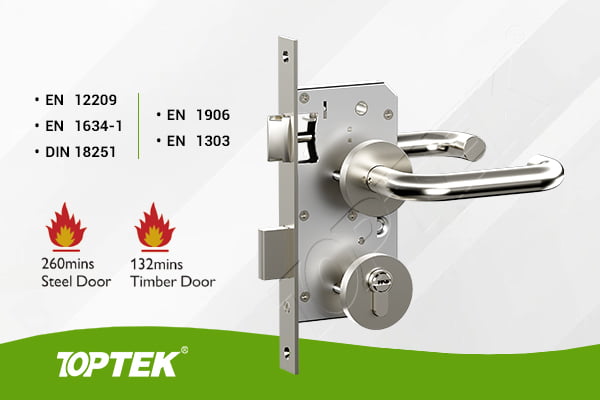
What dimensions decide whether a DIN mortise lock will fit the door? Door manufacturers should confirm backset, center distance, case depth, faceplate size, forend thickness, follower size, spindle, cylinder position, latch projection, deadbolt projection, and strike plate design. A small dimensional mismatch can create lever binding, poor latch engagement, visible gaps, or door machining rework.
What center distances are common in this product family? Door manufacturers commonly evaluate 72 mm, 78 mm, and 85 mm Euro mortise lock configurations, depending on the function and market requirement. A 72 mm euro mortise lock manufacturer may support sash lock, passage, night latch, roller latch, escape, or deadbolt functions, while a 78 mm bathroom lock case is often used for privacy / WC applications.
What drawing should buyers request? Buyers should request a full technical drawing showing lock case dimensions, backset, center distance, faceplate, strike plate, latchbolt, deadbolt, follower, cylinder hole, screw positions, and door preparation. For OEM/ODM projects, the drawing should be frozen before tooling, sample approval, and bulk door machining.
| Dimension Item | Why It Matters | RFQ Data to Send |
|---|---|---|
| Backset | Controls lever/cylinder position from door edge | 40 / 45 / 50 / 55 / 60 / 65 / 70 / 80 / 100 mm where required |
| Center distance | Controls lever-to-cylinder or lever-to-thumbturn spacing | 72 / 78 / 85 mm project requirement |
| Forend and faceplate | Affects door edge machining and visible finish | Width, length, thickness, radius/square ends, finish, logo requirement |
| Strike plate | Controls latch/deadbolt engagement and site adjustment | Strike drawing, material, finish, box strike, dust box, screw positions |
| Follower and spindle | Affects lever handle compatibility and return force | Follower size, spindle size, lever handle model, rose/escutcheon design |
| Cylinder compatibility | Affects keying, master key system, and emergency access | Euro profile cylinder length, cam type, keying plan, thumbturn requirement |
Engineering Check: Latchbolt, Deadbolt, Dust Cover, and Corrosion Solution
What structure should buyers inspect inside the lock case? Door manufacturers should inspect the latchbolt assembly, deadbolt structure, spring return, cover thickness, dust protection, rivet points, follower mechanism, and strike engagement. A DIN mortise lock can pass a simple hand test but still fail after wood chips enter the case, the latch loosens, the spring weakens, or the deadbolt cannot resist project-level abuse.
What is TOPTEK’s latchbolt advantage? TOPTEK’s EN 12209 Grade 3 mortise lock platform uses a one-piece investment-cast stainless steel latchbolt assembly instead of a traditional multi-piece riveted latch structure. This design helps reduce the risk of rivet loosening and latch instability during long-term use in commercial door projects.
Why does a dust cover matter? A dust cover helps prevent wood chips, door preparation residues, and installation debris from entering the internal lock mechanism. This is important for wooden doors, fire-rated timber doors, hotel doors, school doors, and large door-manufacturing lines where machining dust can create delayed function failure after installation.
What deadbolt performance should be discussed? Door manufacturers should ask whether the deadbolt design supports the required security grade and load resistance for the project. For TOPTEK’s EN 12209 Grade 3 platform, the deadbolt is designed to support Grade 4 anti-burglary performance where the selected model and test route apply, helping improve forced-entry resistance compared with standard low-cost lock cases.
What corrosion solution should be confirmed? Buyers should confirm the faceplate, strike plate, latchbolt, deadbolt, plating, stainless steel option, salt spray target, and coastal-use expectation before bulk orders. TOPTEK can discuss SS304, optional SS316 solutions, finish control, and salt spray requirements for different market conditions, but the final corrosion target should be written into the RFQ and approved sample.
Supplier Verification: How to Evaluate a DIN Mortise Lock Manufacturer
What makes a DIN mortise lock manufacturer reliable? A reliable manufacturer should combine standard knowledge, mechanical engineering, tooling control, production consistency, in-house testing, certification documents, and responsive OEM/ODM project support. Door manufacturers should not evaluate a DIN mortise lock supplier only by catalog pictures or sample price.
What supplier documents should buyers request? Buyers should request product drawings, datasheets, CE certificates, fire test reports where relevant, installation instructions, material specifications, finish samples, packing method, sample approval sheet, and production inspection plan. A certified EN 12209 Grade 3 mortise lock manufacturer should be able to connect each document to the exact model and function being quoted.
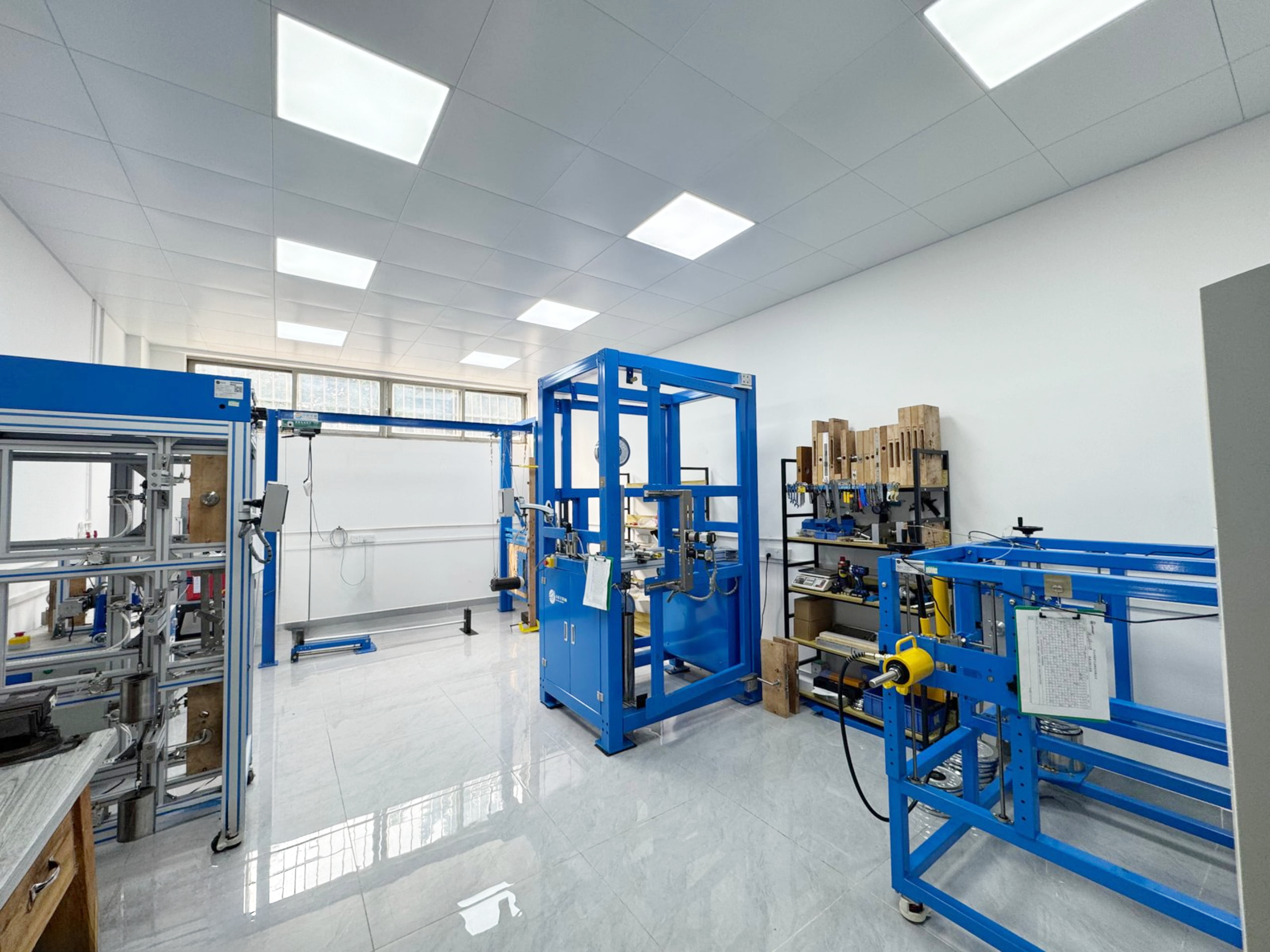
What production evidence is useful? Useful evidence includes factory photos, assembly workshop process, in-house laboratory testing, incoming quality control, first article inspection, in-process inspection, salt spray testing, mechanical durability testing, and batch traceability. These points help door manufacturers reduce the risk of receiving a good sample but inconsistent mass production.

Comparison: DIN Mortise Lock, ANSI Mortise Lock, Tubular Latch, and Multi-Point Locking System
What should buyers compare before sourcing? Door manufacturers should compare the lock type with the door standard, market, function, certification route, and installation method. A DIN mortise lock is not the same as an ANSI mortise lock, a tubular latch, or a multi-point locking system, even when all of them are used in architectural door hardware projects.
| Lock Type | Typical Market / Application | Best Buyer Check |
|---|---|---|
| DIN mortise lock / EN 12209 mortise lock | European-format commercial doors, fire-rated doors, institutional projects | EN 12209, DIN 18251, EN 1634-1 scope, function, dimensions, Euro cylinder compatibility |
| ANSI Grade 1 mortise lock | North American commercial doors and heavy-duty project doors | ANSI/BHMA grade, UL route where required, function codes, trim, cylinder, door prep |
| Tubular latch / privacy lever set | Interior doors, light commercial or residential privacy applications | Latch size, privacy function, lever set grade, door thickness, finish, installation method |
| Multi-point locking system | Doors needing multiple locking points, improved sealing, or higher structural engagement | Locking point layout, hook/deadbolt logic, door height, rod design, access control compatibility |
When should buyers consider a multi-point locking system instead? Buyers should consider a multi-point locking system when the door requires multiple locking points, improved sealing, reinforced structural engagement, or automatic locking behavior. In that case, forcing a standard DIN mortise lock into a multi-point application can create the wrong door performance, even if the lock body quality is good.
Common Mistakes When Door Manufacturers Source DIN Mortise Locks
What mistake causes the most sourcing loss? The most expensive mistake is approving a DIN mortise lock without matching function, certificate scope, door preparation, and batch-control evidence. This can lead to rejected doors, delayed installation, failed inspection, and after-sales replacement costs.
- Selecting by price only: Low price cannot compensate for wrong function, weak latchbolt structure, poor finish control, or unstable mass production.
- Assuming all CE claims are equal: Buyers must check certificate number, issuing body, standard, intended use, model list, and current validity.
- Using one certificate for all models: A certificate scope should not be extended to unrelated lock functions, unlisted backsets, or untested fire-door assemblies.
- Ignoring lock function behavior: Door manufacturers should simulate inside lever, outside lever, cylinder, thumbturn, latchbolt, deadbolt, trigger bolt, and emergency behavior.
- Missing dimensional confirmation: Backset, center distance, forend, strike, follower, spindle, and cylinder position must match the door drawing.
- Ignoring dust and installation debris: A lock case without good dust protection may suffer delayed failure after wooden door machining or site installation.
- Approving sample without batch plan: Buyers should ask how the supplier controls incoming materials, assembly, plating color, function testing, and final inspection.
- Forgetting lever handle and cylinder compatibility: EN 1906 lever handles and Euro profile cylinders should be checked together with the DIN mortise lock case.
- Not testing packaging: Long faceplates, strikes, and lock bodies can deform during transport if packaging is not designed for export handling.
- Not preparing an RFQ checklist: Vague RFQs lead to vague quotations, wrong samples, and avoidable engineering delays.
RFQ Checklist: What to Send Before Asking for DIN Mortise Lock Pricing
What should buyers send with an RFQ? Door manufacturers should send door drawings, target market, standard expectations, function, dimensions, quantity, finish, certificate needs, sample requirements, and packaging requirements before asking for a final quotation. A complete RFQ allows the DIN mortise lock manufacturer to quote the correct lock case instead of guessing.
| RFQ Item | Required Information | Why It Matters |
|---|---|---|
| Project market | Europe, UK, Middle East, Australia, Asia, or other target market | Defines standard route, documentation, finish, and packaging expectation |
| Door type | Wood door, steel door, fire-rated door, smoke-control door, hotel door, school door | Controls fire test relevance, strike selection, and duty level |
| Function | Sash, passage, deadbolt, bathroom, night latch, roller, classroom, escape, access | Prevents wrong door operation and failed site acceptance |
| Dimensions | Backset, center distance, forend size, case depth, follower, spindle, strike | Prevents machining rework and installation mismatch |
| Certification expectation | EN 12209, DIN 18251, EN 1634-1, CE certificate, fire test report, project document | Controls compliance risk and tender documentation |
| Material and finish | SS304, optional SS316, plated finish, satin stainless steel, black, gold, antique finish | Controls corrosion, appearance, and batch-to-batch consistency |
| Compatible hardware | Lever handle, cylinder, thumbturn, escutcheon, rose, pull handle, door closer | Ensures complete door hardware system compatibility |
| Order and branding | Quantity, MOQ, private label, logo marking, packing, barcode, carton requirement | Supports OEM/ODM quotation and production planning |
Why TOPTEK for DIN / EN 12209 Mortise Lock Manufacturing?
Why should door manufacturers consider TOPTEK? TOPTEK supports DIN / EN 12209 mortise lock projects with 35+ years of OEM/ODM lock manufacturing experience, in-house engineering, quality control, production capacity, and certification-route support. This makes TOPTEK suitable for door manufacturers, fire-rated door manufacturers, architectural hardware brands, distributors, contractors, and project buyers who need reliable commercial door hardware supply.
What product range supports DIN mortise lock projects? TOPTEK’s EN 12209 Grade 3 mortise lock platform includes 72 / 78 / 85 series lock cases and major commercial functions such as sash lock, passage lock, deadbolt lock, bathroom lock, night latch, escape lock, classroom lock, roller latch lock, and anti-thrust escape lock. This function coverage helps door manufacturers reduce supplier fragmentation and keep one coordinated lock case platform for multiple door schedules.
What engineering details improve buyer confidence? TOPTEK uses a one-piece investment-cast SS304 latchbolt structure, a 1.5 mm cover, dust protection design, Grade 4 deadbolt performance route where applicable, and optional corrosion solutions for demanding project environments. These details address common buyer risks such as latch loosening, debris-related jamming, weak deadbolt strength, finish inconsistency, and high after-sales cost.
What manufacturing evidence supports sourcing confidence? TOPTEK operates a 13,000 m² manufacturing facility, employs more than 220 skilled staff, and supports high-volume architectural and commercial lockset production with CNC machining, stamping, laser cutting, bending, assembly, and quality-control systems. For long-term OEM/ODM partners, this matters because stable delivery and repeatable quality are as important as the first sample.
What testing route supports long-term reliability? TOPTEK uses in-house laboratory validation for function, durability, corrosion resistance, strength, impact, cylinder, deadbolt, and environmental testing before mass production and third-party certification routes where required. Internal testing should be treated as production-quality evidence unless the exact performance is also covered by a third-party certificate or test report.
| TOPTEK Capability | Buyer Value | Project Risk Reduced |
|---|---|---|
| EN 12209 Grade 3 mortise lock platform | Supports DIN / Euro lock case sourcing for commercial doors | Wrong product family or incomplete function coverage |
| 72 / 78 / 85 series function coverage | Supports different door schedules under one supplier route | Multi-supplier inconsistency and specification confusion |
| One-piece investment-cast latchbolt | Improves structural stability compared with riveted latch assemblies | Latch loosening and delayed function failure |
| Dust protection design | Helps prevent debris from entering the mechanism during installation | Jamming caused by wood chips or machining residue |
| In-house testing laboratory | Supports durability, salt spray, strength, function, and batch checks | Good sample but unstable mass production |
| OEM/ODM engineering support | Supports drawings, sample approval, private label, packaging, and project RFQ | Slow development, unclear scope, and costly late-stage changes |
TOPTEK Recommendation for Door Manufacturers
What is TOPTEK’s practical recommendation? Door manufacturers should approve DIN mortise locks through a controlled process: requirement definition, drawing review, certificate check, sample test, installation trial, pilot production, and mass production inspection. This sourcing process protects the door manufacturer, the hardware brand, the contractor, and the final building project.
What should be checked before bulk order approval? Buyers should confirm function behavior, EN 12209 classification, fire-door suitability, backset, center distance, strike plate, cylinder compatibility, lever handle compatibility, corrosion target, finish sample, logo marking, packaging, and after-sales spare part plan. These details should be written into the purchase specification instead of discussed only through chat messages.
What should buyers do next? Buyers should send door drawings, target market, required standard, lock function, door thickness, quantity, finish, packaging requirement, and certification expectation to TOPTEK for engineering review. This allows TOPTEK to recommend a suitable DIN / EN 12209 lock case, prepare samples, and support OEM/ODM quotation for commercial door projects.
Conclusion: How to Source DIN Mortise Locks With Lower Project Risk
What is the final sourcing conclusion? Door manufacturers should source DIN mortise locks by verifying standard scope, function, dimensions, fire-door suitability, engineering structure, material, testing evidence, and supplier manufacturing control. The right DIN mortise lock manufacturer should help buyers prevent specification errors, installation failures, compliance risk, batch inconsistency, and expensive project rework.
What is the project risk summary? Wrong DIN mortise lock sourcing can cause door machining errors, failed fire-door documentation, lever handle mismatch, cylinder incompatibility, weak latch or deadbolt performance, corrosion complaints, delayed delivery, and mass replacement cost. Therefore, buyers should treat DIN mortise lock sourcing as a technical door hardware decision, not only a purchasing decision.
What does TOPTEK supply? TOPTEK Access is a China-based OEM/ODM manufacturer of commercial locks, architectural door hardware, and integrated access control locking solutions, supplying ANSI Grade 1 mortise locks, EN 12209 Grade 3 mortise locks, AS 4145 mortise locks, panic exit devices, multi-point locking systems, electronic locks, lever handles, cylinders, and hinges for global door manufacturers, distributors, contractors, and building projects.
What is TOPTEK’s brand positioning? TOPTEK stands for Commercial Door Hardware Reliability Solution. TOPTEK: Smart Design. Strong Security.
Request DIN Mortise Lock Samples, Drawings, or OEM/ODM Quotation
What should buyers send to TOPTEK? Send your door drawing, target market, required function, EN 12209 / DIN 18251 / fire-door expectation, quantity, finish, packaging requirement, and sample plan. TOPTEK can review the project requirement and recommend a suitable DIN mortise lock, Euro profile mortise lock, or EN 12209 Grade 3 mortise lock configuration for your door manufacturing program.
Where should buyers start? Start with the TOPTEK EN 12209 Grade 3 Mortise Lock product category and the TOPTEK certification documents page. For OEM/ODM sourcing, contact TOPTEK with your lock schedule, door preparation, and RFQ checklist.
FAQ: DIN Mortise Lock Sourcing for Door Manufacturers
Is a DIN mortise lock the same as an EN 12209 mortise lock?
What is the practical answer? Not exactly; DIN mortise lock is often used as a market term for a European-format lock case, while EN 12209 refers to the performance standard for mechanically operated locks and latches. Door manufacturers should check both dimensional compatibility and EN 12209 certificate scope.
What is the best focus when choosing a DIN mortise lock manufacturer?
What is the practical answer? The best focus is not the lowest price but the supplier’s ability to support function matching, drawings, certificates, testing, sample approval, and stable mass production. This is especially important for fire-rated door manufacturers and commercial door projects.
What information is needed for a DIN mortise lock RFQ?
What is the practical answer? A complete RFQ should include door type, market, required standard, function, backset, center distance, forend size, strike plate, finish, quantity, certification expectation, and sample requirement. Clear RFQ data reduces engineering delay and wrong sample risk.
Can one CE certificate cover all DIN mortise locks?
What is the practical answer? No; buyers should verify the exact certificate model list, intended use, classification code, and fire-door suitability before applying a certificate to a project. Certificate scope should never be assumed across unrelated functions or unlisted models.
Why should door manufacturers check the latchbolt structure?
What is the practical answer? The latchbolt structure affects long-term durability, closing stability, and resistance to loosening. A one-piece investment-cast latchbolt design can reduce the risk associated with traditional riveted latch assemblies.
When should a buyer choose a multi-point locking system instead of a DIN mortise lock?
What is the practical answer? A buyer should consider a multi-point locking system when the door requires multiple locking points, stronger sealing, automatic locking, or reinforced structural engagement. A standard DIN mortise lock is better for single lock case applications under the correct door schedule.