
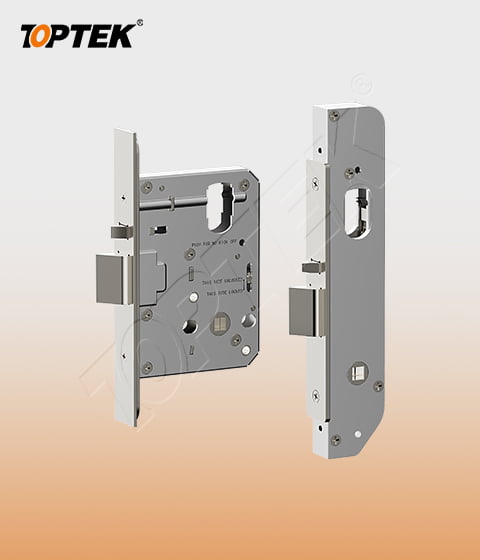

An AS 4145 Mortise Lock for the Australian market must do more than open and close a door. It should support heavy-duty daily operation, practical backset options, corrosion-resistant hardware, project-level fire door evaluation, and long-term OEM/ODM supply stability. For this reason, professional buyers should evaluate the complete door-opening system, not only the visible lock body.
In real projects, a commercial lock works together with the lever handle, cylinder, strike, frame, door material, electric strike, access control device, and maintenance plan. A strong product platform helps lock brands, door manufacturers, distributors, and system integrators reduce installation risk and build a stable product range for the Australian market.
Core idea: TOPTEK develops AS 4145-style commercial mortise lock solutions for OEM/ODM customers who need durability, 316 stainless steel hardware, flexible configurations, and reliable manufacturing support.
Why AS 4145 Matters for Australian Door Hardware
AS 4145 is an important reference for mechanical locksets and door hardware in Australia. Buyers use it to understand performance expectations for durability, security, corrosion resistance, and functional reliability. Therefore, it is useful when customers compare products for commercial buildings, public facilities, schools, hospitals, and apartment projects.
However, a standard reference alone does not guarantee project success. In real installations, the lock must match the door preparation, backset, cylinder system, lever trim, access control plan, and project acceptance route. This is why experienced buyers usually evaluate the whole lock platform before they approve a new supplier.
When customers specify an AS 4145 Mortise Lock, they should connect the standard reference with real installation details. For technical reference, buyers may review the AS 4145.2-2008 standard information from Standards Australia. For fire and door hardware testing context, they may also review UL door hardware testing and certification information.
AS 4145 Mortise Lock Platform for OEM/ODM Customers
TOPTEK builds the AS 4145 Mortise Lock platform around three operating versions: mechanical, motorized, and solenoid-controlled. This structure helps customers develop a complete commercial lock family from one engineering base. As a result, buyers can serve traditional mechanical projects, electronic lock programs, and access control applications with a more consistent product strategy.
- Mechanical version: for traditional commercial lock applications with key, knob, and lever operation.
- Motorized version: for electronic lock programs that need motor-driven locking or unlocking.
- Solenoid-controlled version: for access control systems, electric release functions, and intelligent building security integration.
For OEM customers, an AS 4145 Mortise Lock platform creates real business value. A distributor may focus on mechanical commercial locks, while a smart lock brand may need a motorized solution. Meanwhile, an access control company may require a solenoid-controlled mortise lock that works with card readers, keypads, and centralized control systems.
Corrosion Resistance and 316 Stainless Steel Hardware
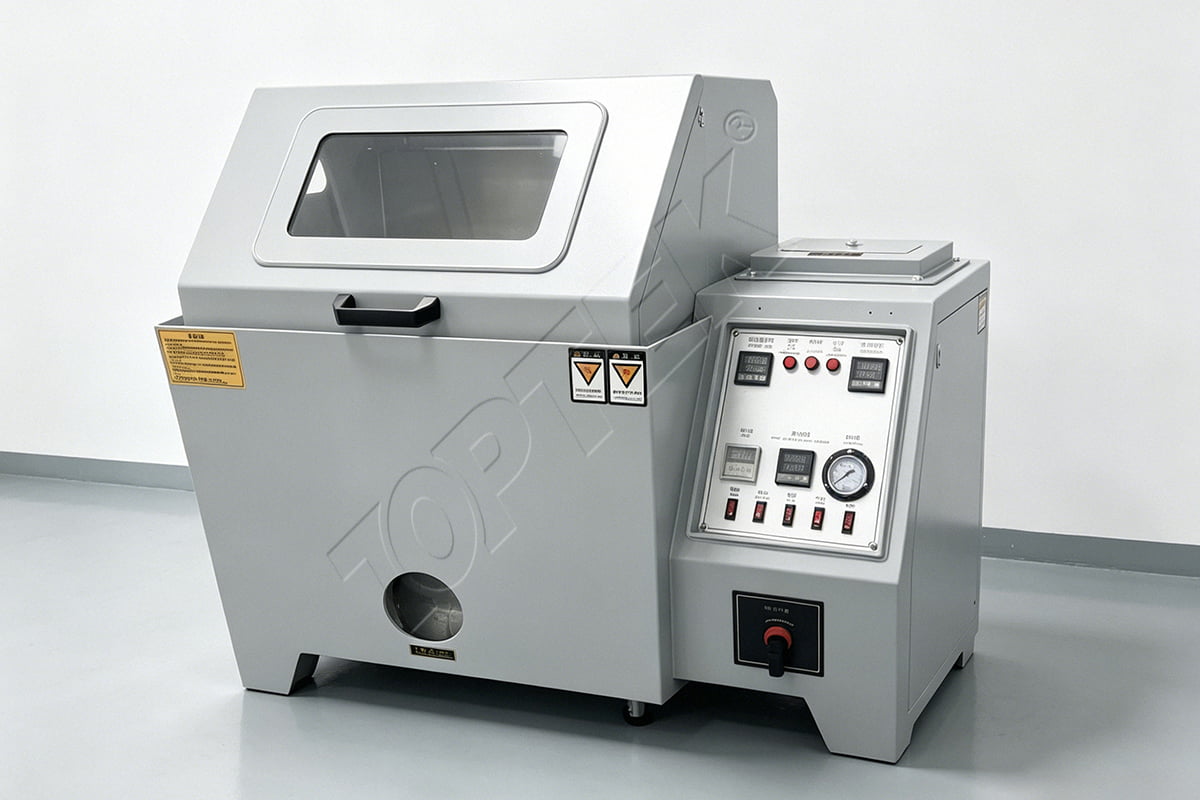
Corrosion resistance is a serious issue for Australian commercial door hardware. Many projects face coastal air, humidity, public-use wear, cleaning chemicals, and long-term maintenance pressure. If material selection is weak, the faceplate, handle, fixing parts, and visible hardware may corrode too early.
TOPTEK uses 316 stainless steel for key visible hardware options, including the faceplate and lever handle. Compared with ordinary material choices, 316 stainless steel provides stronger corrosion resistance and better appearance stability in demanding environments. Therefore, it is valuable for hospitals, schools, transport facilities, coastal projects, and high-humidity buildings.
For project suppliers, corrosion resistance is not only a technical detail. It directly affects after-sales cost, replacement risk, brand reputation, and customer confidence. This is one reason TOPTEK treats material selection as part of the full lock system.
TKAU6400EF Wide Faceplate Configuration
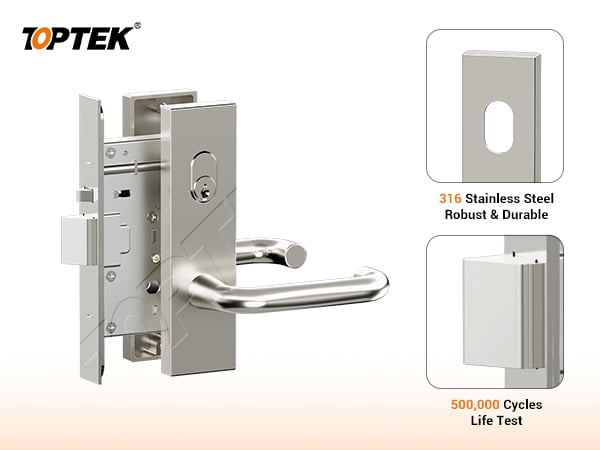
The TKAU6400EF suits professional commercial door projects that need a wide faceplate format. This configuration gives the lock a strong commercial appearance and supports robust installation on heavy-duty doors. It is practical for office buildings, schools, hospitals, public facilities, and apartment entrances.
The turn knob can lock, unlock, and retract the latch. This function supports convenient internal operation while maintaining stable locking performance. In addition, installers can adjust the locking and unlocking direction by moving the upper and lower slider blocks.
This field-friendly structure helps reduce installation mistakes. It also saves service time when locksmiths, door manufacturers, and project installers need to adapt the lock to different door handing requirements.
TKAU6400RR Round Rose Configuration
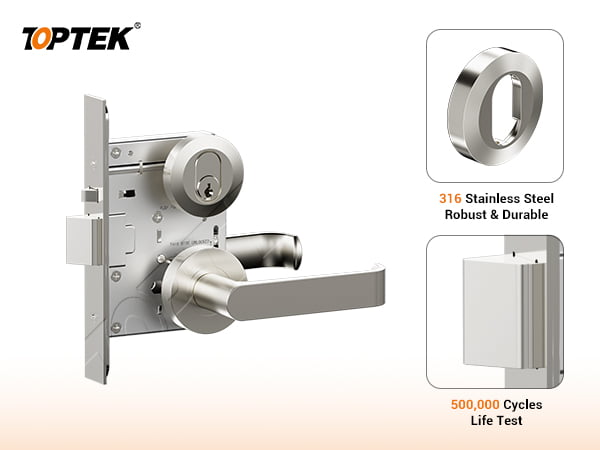
The TKAU6400RR uses the same lock body platform but offers a sectional lever and round rose appearance. This option gives customers more design flexibility than a full escutcheon plate format. It also helps brands match different lever styles, rose designs, finishes, and architectural preferences.
For OEM/ODM programs, the round rose configuration can support a wider product collection. A lock brand may use one core lock platform while developing different trim styles for separate market segments. As a result, the customer gains both technical consistency and visual flexibility.
Backset Options for Australian Commercial Doors
Backset is one of the first details buyers must confirm before ordering a commercial mortise lock. If the backset does not match the door preparation, the lock body may not fit the project. This can cause re-machining, installation delay, and unnecessary after-sales pressure.
TOPTEK supports 60mm, 89mm, and 127mm backset options for this Australian-style platform. These sizes help customers cover common commercial door applications, wider stile requirements, and selected project specifications.
- 60mm backset: for common commercial door applications.
- 89mm backset: for wider door stile or project-specific applications.
- 127mm backset: for deeper backset requirements and selected commercial specifications.
A multi-backset platform gives distributors a more complete product range. It also reduces the risk of missing project opportunities when different door preparations appear in the same market.
Durability Testing for Heavy-Duty Use
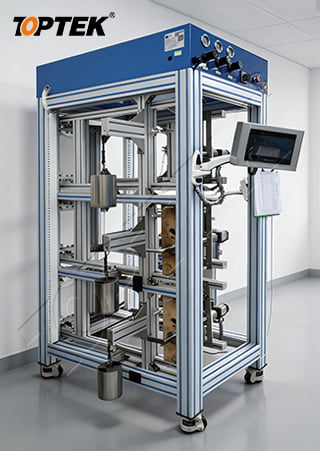
Commercial doors may operate hundreds of times every day. Therefore, durability is one of the most important performance indicators for a lock used in schools, hospitals, apartment entrances, office buildings, and public facilities.
When the internal structure is weak, problems may appear after months of public use. Common issues include latch friction, handle sagging, spring fatigue, loose parts, unstable locking, and poor user experience. These problems damage the brand more seriously than a small price difference at the purchasing stage.
TOPTEK develops this AS 4145 Mortise Lock platform for high-intensity applications, with durability performance exceeding 500,000 operating cycles. For OEM/ODM customers, this helps reduce warranty risk and supports long-term market confidence.
Mechanical, Electronic, and Access Control Applications
Modern commercial projects often need more than traditional mechanical locking. Many buildings now use card readers, keypads, electric strikes, monitoring signals, and centralized access control systems. Because of this, a lock platform should support both mechanical reliability and electronic integration.
The mechanical version works well for traditional commercial applications. The motorized version supports electronic lock programs where motor-driven operation matters. The solenoid-controlled version fits access control systems that require electric release and intelligent building integration.
For buyers developing a complete product range, this flexibility is important. It allows one manufacturing partner to support several application scenarios, instead of forcing the customer to manage unrelated lock bodies from different suppliers.
Customers who need more detail about electronic locking can also review TOPTEK’s electromechanical lock selection guide.
Fire Door Project Evaluation
Fire door compatibility must be evaluated as part of the full door assembly. A lock is only one component in a fire-rated opening. The final result may depend on the door leaf, frame, lock body, lever trim, cylinder, strike, fixing method, and project authority requirement.
TOPTEK has supported customer-led fire door testing programs for Australian-style commercial lock applications. These experiences help our team understand how hardware design, material selection, and installation details affect fire door project evaluation.
In real projects, buyers should confirm the target market, door type, testing route, hardware combination, and local acceptance requirement before final approval. This approach helps avoid overclaiming and supports more responsible specification work.
OEM/ODM Manufacturing and Quality Control
Australian lock brands and project suppliers often need more than a catalogue product. They may require private label branding, special backset combinations, lever trim options, cylinder compatibility, packaging design, finish selection, and spare parts planning.
TOPTEK supports these needs through engineering development, sample evaluation, material selection, testing validation, production consistency control, and long-term supply management. Our manufacturing experience helps customers move from concept to stable batch supply with fewer technical surprises.
For customers who want to understand our factory background, testing capability, and engineering approach, please visit the About TOPTEK engineering page. You can also return to the TOPTEK homepage for our broader architectural hardware and access control product range.
How Buyers Should Evaluate a Commercial Lock Platform
A good commercial mortise lock is a system decision, not a single hardware purchase. Buyers should check the backset, door preparation, cylinder type, lever handle, strike, fire door requirement, access control plan, corrosion environment, and long-term maintenance needs.
For the Australian market, the right product should combine durability, corrosion resistance, function flexibility, fire door project experience, and reliable manufacturing support. When these factors work together, the lock platform has a better chance of succeeding in real commercial applications.
The AS 4145 Mortise Lock platform from TOPTEK brings together 316 stainless steel hardware options, heavy-duty lock body engineering, 500,000-cycle durability performance, mechanical/electronic/access control versions, and flexible OEM/ODM support.
Conclusion
Choosing an AS 4145 Mortise Lock should not depend only on price, appearance, or a familiar brand name. Professional buyers need to confirm whether the lock can fit the project, the door, the operating environment, the compliance route, and the customer’s long-term supply plan.
TOPTEK supports Australian lock brands, door manufacturers, architectural hardware distributors, project suppliers, and access control solution providers with practical engineering experience and stable OEM/ODM manufacturing. If you are developing an Australian-style commercial lock program, TOPTEK can help you evaluate the right mechanical, motorized, or solenoid-controlled solution.
TOPTEK – Smart Design. Strong Security.