

Why Multipoint Locks Become Hard to Operate: A Manufacturer’s Guide
Why do multipoint locks become hard to operate after installation or long-term use? Multipoint Locks Become Hard to Operate when the lock body, long faceplate, hook bolts, deadbolt, keeps, door panel, and installation tolerance do not work together as one system. In real projects, the problem is rarely caused by one single component. It usually comes from a combination of poor dimensional control, weak material selection, incorrect installation, door deformation, friction inside the lock case, and insufficient packaging protection during transportation.
Why should lock brands, door manufacturers, and project buyers care about this issue? A hard-to-operate multipoint lock creates warranty risk, user complaints, installation delays, and possible project rejection. For this reason, buyers should evaluate a multipoint locking system as a complete mechanical assembly, not only as a long lock body. The lock must match the door structure, handle operation, cylinder function, locking sequence, and expected building environment.
What Are the Main Types of Mechanical Multipoint Locks?
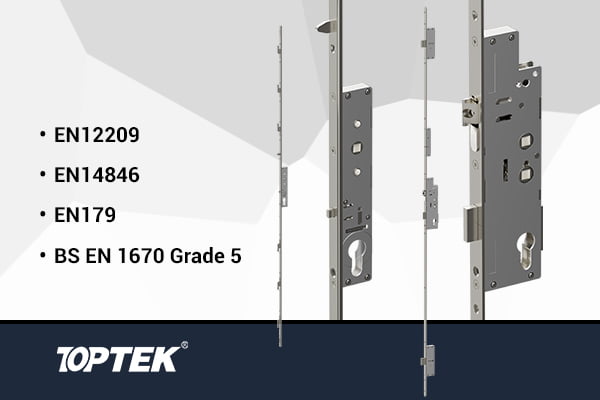
What are the common mechanical structures in multipoint locking systems? Most mechanical multipoint locks can be divided into three practical operating types: automatic locking, handle-lift locking, and cylinder-driven locking. Each type has different risk points. Therefore, manufacturers must understand the operating logic before they design the linkage structure, hook bolt travel, faceplate strength, and installation tolerance.
1. Automatic Multipoint Locking
How does an automatic multipoint lock work? When the door closes, the trigger latch activates the mechanism, and the deadbolt or auxiliary hook bolts project automatically. This structure improves user convenience because the door can lock without manual key operation. However, it also requires precise trigger timing, accurate latch engagement, and stable hook bolt projection.
Why can automatic multipoint locks become difficult to operate? If the trigger position is not accurate, the hooks may project too early, too late, or fail to project completely. In real projects, a small dimensional error can cause the hook bolt to hit the keep instead of entering smoothly. As a result, the user feels that the door is heavy, stuck, or unreliable.
2. Handle-Lift Multipoint Locking
How does a handle-lift multipoint lock work? The user lifts the lever handle to drive the deadbolt or hook bolts into the locked position, and the cylinder can provide secondary locking. This design is common in residential doors, commercial doors, and project doors that require stronger sealing and higher security. However, the handle must transfer force through a long linkage system.
Why can handle-lift systems feel heavy? The handle becomes difficult to lift when friction, spring force, hook bolt resistance, or keep misalignment becomes too high. If the lock body uses weak internal geometry or rough stamping quality, the handle movement will not feel smooth. For this reason, TOPTEK evaluates handle torque, hook movement, and linkage stability during product development.
3. Cylinder-Driven Multipoint Locking
How does a cylinder-driven multipoint lock work? The user turns the key cylinder to drive the main deadbolt and auxiliary locking points. This design can provide strong mechanical security, but it places more load on the cylinder and key. If the hook bolts require excessive force, the user may feel that the key is hard to turn.
Why is cylinder force a critical design point? A cylinder should not be forced to overcome poor alignment, high friction, or unreasonable hook geometry. In a good design, the key operation should feel controlled and stable. If the lock relies on excessive key torque to move all locking points, the risk of key bending, cylinder wear, and customer complaint will increase.
Why Do Multipoint Locks Become Hard to Operate?
Why does dimensional accuracy matter so much? Multipoint Locks Become Hard to Operate when the hook bolt position, keep position, spindle height, backset, faceplate straightness, and door preparation are not controlled within a stable tolerance range. A multipoint lock is longer and more sensitive than a single-point mortise lock. Therefore, small errors can accumulate across the full length of the mechanism.
Why does hook bolt alignment often cause failure? Hook bolts must enter the keeps smoothly without rubbing, hitting, or forcing the door panel into position. If the door leaf drops slightly or the keep is installed too high or too low, the hook bolt may scrape the strike plate. As a result, the user must lift, push, or pull the door before locking.
Why can the long faceplate create operating problems? A multipoint lock faceplate is often over 1.7 meters long, so material strength and straightness control are critical. If the faceplate uses ordinary weak material, or if installers bend it during installation, the full lock body can become distorted. Once this happens, even a good internal mechanism may feel rough or blocked.
Why does poor internal structure create friction? Friction inside the lock case increases when moving parts rub against each other with insufficient clearance or poor material pairing. For example, zinc alloy components should not rub directly against harder metal parts in a high-load position. Zinc alloy can wear faster, and the wear debris may gradually affect the locking movement.
Why does door deformation affect multipoint lock operation? A multipoint locking system connects the door panel to the frame at several points, so door warping, frame movement, and hinge sag directly affect the locking feel. In real buildings, temperature, humidity, door weight, and installation quality all matter. Therefore, the lock manufacturer and door manufacturer must consider the complete door opening, not only the lock body.
How Can Manufacturers Prevent Hard Operation?
How can a manufacturer reduce operating resistance from the design stage? The manufacturer must control the locking sequence, linkage geometry, material pairing, spring force, hook bolt travel, and clearance before tooling begins. This is why TOPTEK reviews customer samples and project requirements from an engineering perspective. The goal is not only to copy a shape, but to prevent the same failure from entering mass production.
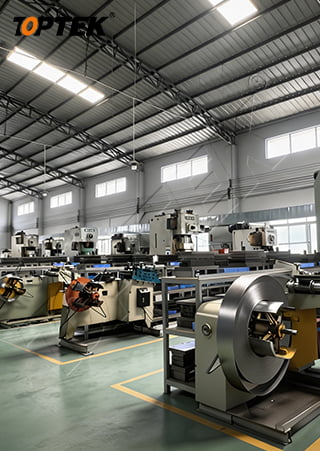
How should a multipoint lock be tested before production? Prototype samples, tooling samples, and pilot production samples should all pass internal functional checks before bulk delivery. At TOPTEK, the development process includes drawing review, sample testing, First Article Inspection, in-process inspection, and assembly verification. As a result, the team can identify dimensional drift before it becomes a batch problem.
How does EN 15685 help guide product thinking? EN 15685 is an important reference for multipoint locks because it supports structured evaluation of performance, durability, security, and operating behavior. For OEM/ODM projects, TOPTEK uses standard-driven thinking during product design and testing. In addition, related standards such as EN 12209, EN 1670, and project-specific fire or corrosion requirements may also influence component selection.
How can material selection reduce future complaints? Materials must match the load, movement frequency, corrosion environment, and structural position of each component. For long faceplates, stronger and more stable material helps resist bending. For moving parts, the manufacturer should avoid unreasonable friction pairs and select materials that can maintain smooth operation over repeated use.
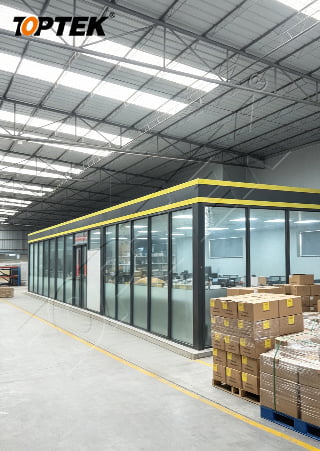
How does packaging affect lock performance? Multipoint Locks Become Hard to Operate even before installation if the long lock body is bent during transportation. Some suppliers use only simple carton packaging, which may not protect a long faceplate during export shipment. TOPTEK uses protective packaging and wooden cases for multipoint lock deliveries to reduce deformation risk before the customer receives the goods.
What Should Buyers Check Before Choosing a Multipoint Lock Supplier?
What should a door manufacturer check first? Door manufacturers should confirm lock type, backset, center distance, spindle operation, hook bolt direction, keep position, door thickness, frame material, and expected installation tolerance. Without this information, the supplier may provide a lock that looks correct but performs poorly on the real door.
What should a lock brand check before OEM development? Lock brands should ask whether the supplier can support drawing review, prototype testing, tooling sample validation, packaging control, and long-term quality consistency. A multipoint lock is not a simple commodity product. Therefore, OEM buyers need a manufacturer that understands both structure and field application.
What should project buyers check for commercial buildings? Project buyers should evaluate the whole door hardware system, including locks, cylinders, handles, hinges, keeps, door closers, access control, and fire-rated door requirements. For technical reference, buyers may also review recognized testing and certification organizations such as UL Solutions and Intertek Door Hardware Testing. This helps the project team understand how third-party testing supports product reliability and compliance.
What questions should buyers ask when a multipoint lock feels heavy? Buyers should not only ask for a replacement lock; they should ask why the lock became heavy in the first place. Is the faceplate bent? Are the keeps aligned? Is the door sagging? Is the hook bolt rubbing? Is the cylinder carrying too much load? These questions help identify the real root cause.
How Does TOPTEK Approach Multipoint Locking Systems?
Why is TOPTEK suitable for multipoint lock OEM/ODM projects? TOPTEK combines more than 35 years of lock manufacturing experience with practical multipoint lock development, precision manufacturing, and structured quality control. The company develops architectural hardware for ANSI, EN, and AS-related markets, including commercial locks, multipoint locking systems, cylinders, hinges, panic exit devices, and electromechanical access control solutions.
How does TOPTEK control manufacturing consistency? TOPTEK uses high-precision stamping, laser cutting, bending, CNC machining, First Article Inspection, random inspection, patrol inspection, and final assembly checks. This process supports stable batch quality. For long multipoint lock bodies, production consistency is especially important because one small dimensional deviation can affect the full operating movement.
How does TOPTEK support international project requirements? TOPTEK operates with ISO 9001, ISO 14001, and ISO 45001 management systems and maintains in-house testing capabilities aligned with international lock and door hardware standards. For OEM/ODM customers, this provides a stronger foundation for product development, sample approval, technical communication, and mass production reliability.
How does TOPTEK help customers avoid repeat design problems? TOPTEK does not only manufacture according to drawings; the engineering team also reviews whether the structure is reasonable for long-term operation. If a design creates unnecessary friction, weak material contact, excessive cylinder torque, or packaging risk, TOPTEK can provide improvement suggestions before mass production. As a result, customers can reduce after-sales risk and protect their local market reputation.
Manufacturer’s Conclusion
What is the real reason multipoint locks become hard to operate? Multipoint Locks Become Hard to Operate because the product is a complete mechanical system, and every part of that system must stay aligned, straight, strong, and smooth. Good performance depends on design, materials, tooling, stamping accuracy, assembly control, installation guidance, door condition, and packaging protection.
What is the best solution for buyers? Buyers should work with a manufacturer that understands both factory production and real project application. A reliable multipoint lock supplier should help you prevent problems before shipment, not only solve complaints after installation. For lock brands, door manufacturers, distributors, and project buyers, this approach creates better user experience, lower warranty cost, and stronger long-term product reputation.
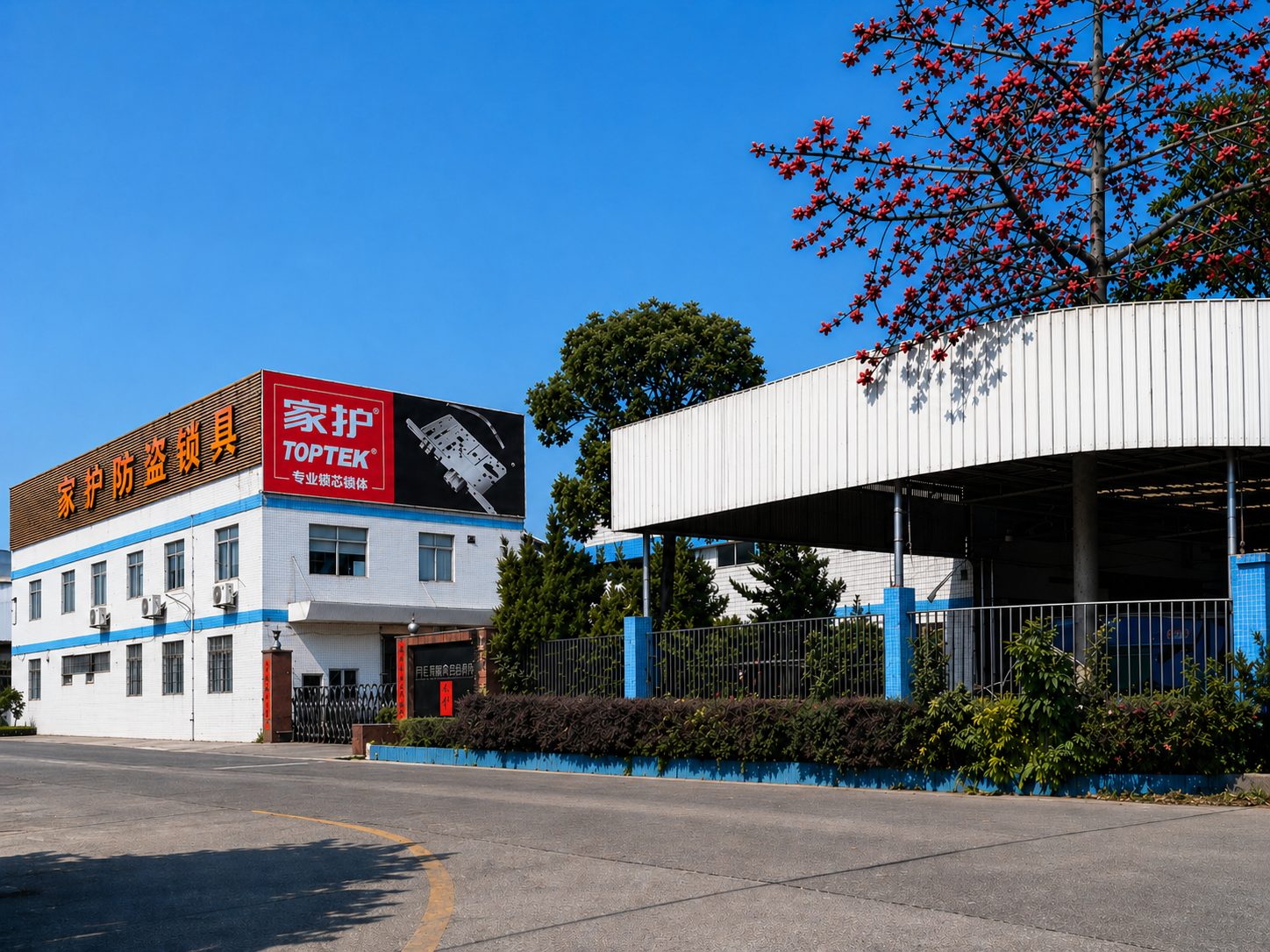
Looking for a reliable multipoint locking system manufacturer? TOPTEK provides OEM/ODM support for lock brands, door manufacturers, hardware distributors, contractors, and access control solution providers. We can support mechanical design review, sample development, testing, production control, packaging validation, and long-term supply for international projects.
Brand introduction: TOPTEK Access – Commercial Locks & Architectural Hardware Manufacturer
Learn more about our engineering background on the About TOPTEK engineering page, or explore our electromechanical lock selection guide for access control door hardware projects.