
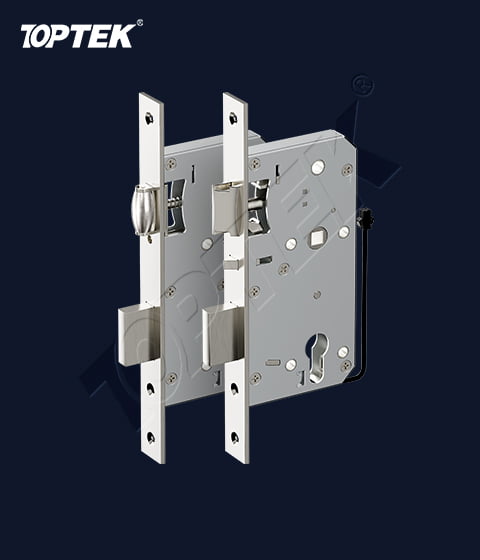

How does a mortise lock work? A mortise lock uses a heavy-duty lock body inside the door edge to control the latch bolt, deadbolt, cylinder, lever handle, spindle, and strike plate connection. As a result, this structure gives commercial doors stronger security, better durability, and more functional flexibility than many basic residential locksets.
For architects, contractors, door manufacturers, hardware distributors, and access control system integrators, understanding how a mortise lock works helps them choose the right door hardware for commercial buildings, hotels, schools, hospitals, apartments, and public facilities. In practice, an ANSI mortise lock, EN 12209 mortice lock, AS 4145 mortise lock, or electronic mortise lock may follow different standards, but the basic working principle remains similar.
In this guide, TOPTEK explains how a mortise lock works, what components the lock body contains, how the latch bolt and deadbolt operate, and how buyers can select the right mortise lock for commercial door projects.
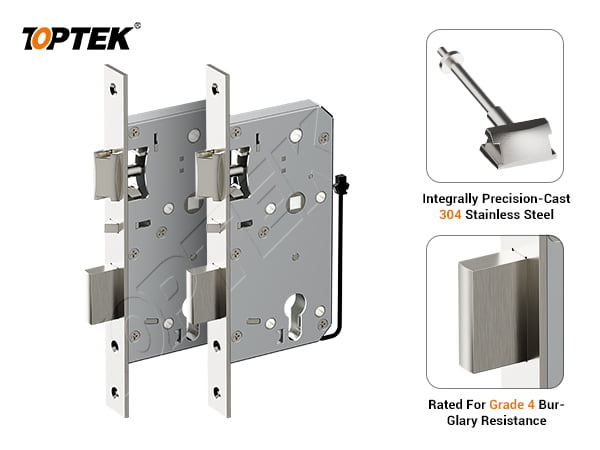
For related TOPTEK product ranges, you can also review our ANSI Grade 1 Mortise Lock, EN 12209 Grade 3 Mortise Lock, AS 4145 Mortise Lock, and Electronic Lock and Access Control Devices solutions.
For standard references, professional buyers can also check ANSI/BHMA A156.13 for mortise locks and latches, BS EN 12209 for mechanically operated locks and locking plates, and UL 10C for positive pressure fire tests of door assemblies.
What Is a Mortise Lock?
Before choosing a lock for a commercial door project, many buyers first ask: how does a mortise lock work and why does it perform differently from a standard cylindrical lock? The answer starts with the internal lock body, which coordinates the latch bolt, deadbolt, cylinder, handle, and strike plate connection inside the door.
A mortise lock, also called a mortice lock in some markets, fits into a pocket cut into the edge of the door. This pocket is called a mortise. Unlike a basic lockset that uses a simple round hole, the mortise lock body sits inside the door and creates a stronger mechanical structure.
Because the lock case becomes part of the door structure, a mortise door lock provides higher strength and better stability than many standard residential locksets. Therefore, builders often use it on timber doors, metal doors, fire-rated doors, hotel room doors, office doors, apartment entrance doors, and high-traffic commercial doors.
In addition, a commercial mortise lock can combine several functions in one lock body, including latch operation, deadbolt locking, key cylinder control, lever handle operation, thumbturn operation, and electronic release for access control systems.
Main Components of a Mortise Lock
To clearly understand how does a mortise lock work, buyers should look at each main component separately. The lock body, latch bolt, deadbolt, cylinder, spindle, lever handle, faceplate, and strike plate all work together as one complete door locking system.
1. Mortise Lock Body
The mortise lock body forms the core of the lock. Installers place it inside the door edge, and the internal mechanism controls how the latch bolt, deadbolt, spindle, cylinder cam, and other parts interact.
For commercial applications, the lock body must handle frequent use, door impact, and long-term mechanical wear. Therefore, high-quality commercial mortise locks often use precision-cast or machined internal parts, reinforced lock cases, and tested spring structures.
2. Lock Cylinder
The lock cylinder receives the key and transfers the key movement into the lock body. When the user turns the correct key, the cylinder cam or tailpiece rotates and activates the internal locking mechanism.
Depending on the market and lock standard, the lock may use an American cylinder, European profile cylinder, oval cylinder, or another cylinder type. In commercial buildings, cylinder compatibility matters because facility managers often need master key systems, project keying, and long-term maintenance control.
3. Latch Bolt
The latch bolt usually has a spring-loaded beveled shape. During normal use, it keeps the door closed. When someone pushes the door shut, the angled surface of the latch bolt contacts the strike plate and retracts automatically.
After the door reaches the closed position, the latch bolt springs back into the strike plate opening. Then, when a user presses or turns the lever handle, the spindle retracts the latch bolt and allows the door to open.
4. Deadbolt
The deadbolt provides the stronger locking point for security. Unlike the latch bolt, the deadbolt normally does not retract automatically when the door closes. Instead, a key, thumbturn, or internal mechanism extends or retracts it.
When the deadbolt projects into the strike plate, it improves forced-entry resistance and strengthens the door opening. For this reason, many commercial mortise lock designs use the deadbolt as a key part of the lock’s security rating.
5. Spindle and Lever Handle
The spindle connects the lever handle to the mortise lock body. When a user presses the lever down, the spindle rotates and operates the follower inside the lock case. This movement retracts the latch bolt.
However, different commercial lock functions control the outside and inside levers in different ways. For example, the outside lever may stay locked while the inside lever still allows free exit. This design supports safer egress in commercial and public buildings.
6. Strike Plate
The strike plate sits on the door frame and receives the latch bolt and deadbolt when the door closes and locks. A strong strike plate plays an important role because the security of a mortise lock depends on the lock body, the door, the frame, and the fixing method.
For fire-rated doors and commercial doors, the strike plate design, fixing screws, and frame preparation should match the complete door hardware specification. Otherwise, even a strong lock body may not perform correctly.
7. Faceplate
The faceplate covers the front of the mortise lock body and gives the door edge a clean appearance. It also helps hold the lock body in the correct position.
Different markets use different faceplate designs. For example, a project may require ANSI faceplates, DIN or European faceplates, square corner faceplates, round corner faceplates, or radius faceplates.
How Does a Mortise Lock Work?
How does a mortise lock work in daily use? The lock body coordinates several actions at the same time: closing the door, retracting the latch bolt, extending the deadbolt, unlocking with a key, and operating the lever handle. In simple terms, the mortise lock body works as the control center of the complete door locking system.
1. Closing the Door
When someone pushes the door closed, the latch bolt touches the strike plate first. Because the latch bolt has a beveled shape, the strike plate pushes it back into the lock body as the door moves into the frame.
Once the door reaches the closed position, the spring pushes the latch bolt back out into the strike plate opening. At this stage, the latch bolt holds the door closed, although the door may not be fully locked until the deadbolt or locking function engages.
2. Opening the Door with the Lever Handle
When a user presses down the lever handle, the spindle rotates inside the mortise lock body. This rotation pulls back the latch bolt. As soon as the latch bolt leaves the strike plate opening, the user can open the door.
In many commercial mortise locks, the inside lever allows quick exit. As a result, people inside the room or building can open the door easily, even when the outside lever remains locked.
3. Locking the Door with the Key
When the user inserts the correct key into the lock cylinder and turns it, the cylinder cam activates the internal mechanism of the mortise lock. Depending on the function, this movement may project the deadbolt, lock the outside lever, or control both actions.
For example, in a standard entrance function mortise lock, turning the key may extend the deadbolt into the strike plate. Once the deadbolt reaches its full projection, the door gains stronger resistance against forced entry.
4. Unlocking the Door with the Key
To unlock the door from the outside, the user turns the correct key in the cylinder. Then the cylinder cam retracts the deadbolt or releases the locking mechanism.
After that, the user presses the lever handle to retract the latch bolt and open the door. Some mortise locks also allow the key to retract both the deadbolt and latch bolt in one operation, depending on the function design.
5. Operating from the Inside
From the inside, many mortise locks use a thumbturn, inside lever, or both. The thumbturn can extend or retract the deadbolt, while the inside lever usually retracts the latch bolt.
For commercial and public buildings, free egress matters greatly. Therefore, many lock designs allow the inside lever to retract the latch and deadbolt together, which helps people exit quickly during an emergency.
Mechanical Mortise Lock vs Electronic Mortise Lock
When comparing mechanical and electronic versions, the basic question remains the same: how does a mortise lock work when a key, handle, electric signal, or access control system operates it? In both designs, the mechanical lock body still provides the core latching and locking function.
A traditional mechanical mortise lock uses physical parts such as springs, levers, hubs, cylinders, latch bolts, and deadbolts. It does not need power.
By contrast, an electronic mortise lock or access control mortise lock adds electrical control to the mechanical lock body. This design allows the lock to work with card readers, keypads, smart access systems, building management systems, or remote release devices.
Common electronic mortise lock types include:
- Solenoid-controlled mortise lock
- Motorized mortise lock
- Electrified mortise lock
- Fail safe mortise lock
- Fail secure mortise lock
- Self-locking electromechanical mortise lock
In an access control system, the mechanical structure still provides secure latching and locking, while the electronic part controls authorization. Therefore, electronic mortise locks work well in offices, hotels, apartments, healthcare facilities, schools, and commercial buildings.
Why Do Commercial Doors Use Mortise Locks?
Commercial doors often use mortise locks because they need stronger security, better durability, more lock functions, and compatibility with fire-rated doors and access control systems.
1. Higher Security
A commercial mortise lock usually provides stronger security than a basic tubular or cylindrical lock. The lock body sits inside the door, and the deadbolt creates a secure locking point.
As a result, the door can resist forced entry more effectively when installers pair the lock with a suitable strike plate, strong frame, and correct fixing method.
2. Better Durability
Commercial buildings need door locks that can handle frequent operation every day. A high-quality mortise lock supports long service life, repeated opening and closing, and stable performance in high-traffic areas.
This durability matters especially in schools, hospitals, office buildings, hotels, public buildings, and apartment projects.
3. More Lock Functions
Mortise locks can support many functions, including entrance function, storeroom function, classroom function, privacy function, passage function, deadlock function, and electric release function.
Because of this flexibility, project teams can use mortise locks on different doors with different security levels inside the same building.
4. Suitable for Fire-Rated and Life-Safety Doors
Many commercial doors must meet fire safety, emergency exit, and building code requirements. Therefore, project buyers should choose mortise locks carefully according to the required standard, door type, and project specification.
For commercial projects, a suitable mortise lock manufacturer should understand standards such as ANSI/BHMA, EN 12209, EN 179, EN 1125, EN 14846, UL fire requirements, and AS 4145.
5. Compatible with Access Control
Modern buildings increasingly need access control solutions. Mortise locks can work with electronic control, monitoring switches, card readers, smart lock systems, and emergency exit hardware.
Therefore, access control mortise locks have become popular in commercial buildings, apartments, offices, and smart building projects.
Common Types of Mortise Locks
Different markets use different mortise lock standards and designs. TOPTEK develops mortise lock solutions for multiple international markets.
ANSI Mortise Lock
ANSI mortise locks serve North America and other markets that follow American door hardware standards. ANSI Grade 1 mortise locks suit heavy-duty commercial applications that require high durability and strong security.
EN 12209 Mortice Lock
EN 12209 mortice locks serve Europe, the Middle East, and many international projects. Common European lock dimensions include 72mm, 78mm, and 85mm center distances. These locks often work with Euro profile cylinders and lever handles.
AS 4145 Mortise Lock
AS 4145 mortise locks serve Australia and related markets. These locks focus on strength, corrosion resistance, and long-term reliability for commercial and residential applications.
Electronic Mortise Lock
Electronic mortise locks support access control systems. They may use solenoid or motorized control to allow authorized unlocking while maintaining mechanical security and emergency operation.
How to Choose the Right Mortise Lock
After understanding how does a mortise lock work, buyers can make better decisions about lock standard, door type, fire rating, security level, access control function, cylinder compatibility, and long-term durability requirements.
When selecting a mortise lock for a commercial project, buyers should consider more than price. Instead, they should match the lock with the door type, market standard, security requirement, fire rating, traffic level, cylinder type, handle design, and access control system.
Important factors include:
- Door material and door thickness
- ANSI, EN, AS, or project standard
- Mechanical or electronic locking function
- Fire-rated door requirements
- Latch bolt and deadbolt strength
- Cylinder compatibility
- Lever handle compatibility
- Strike plate and frame preparation
- Durability cycle testing
- Corrosion resistance
- OEM/ODM customization requirements
Moreover, door manufacturers, distributors, and project contractors can reduce specification mistakes when they work with a professional mortise lock manufacturer. This cooperation helps improve product reliability and long-term project performance.
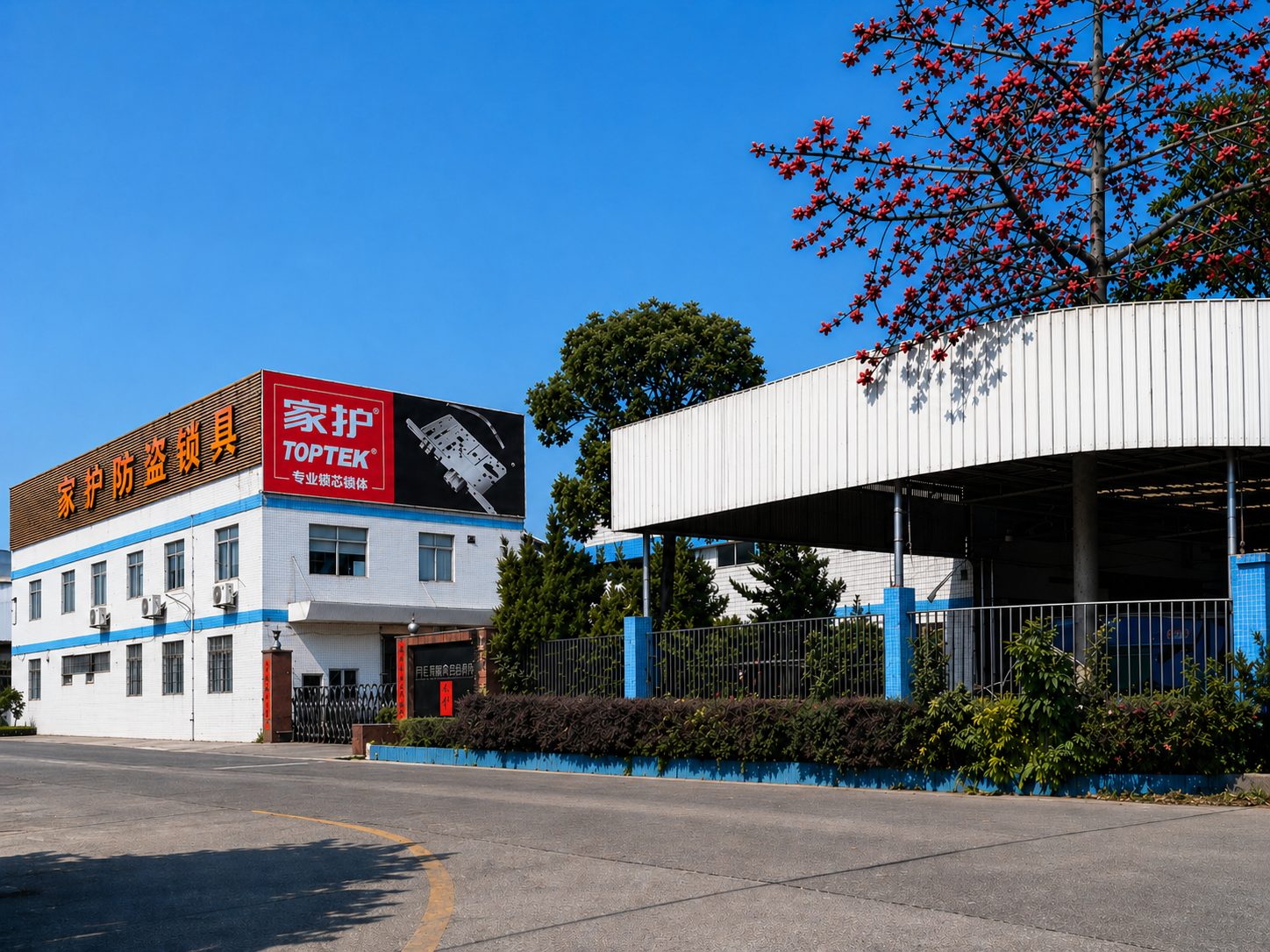
TOPTEK Commercial Mortise Lock Solutions
TOPTEK focuses on OEM/ODM commercial locks, architectural hardware, and integrated access control solutions. Our mortise lock product range covers ANSI Grade 1 mortise locks, EN 12209 mortice locks, AS 4145 mortise locks, solenoid-controlled mortise locks, motorized mortise locks, and self-locking electronic mortise locks.
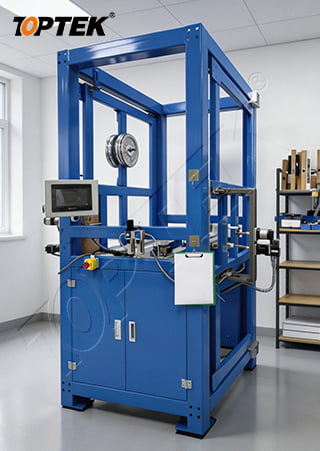
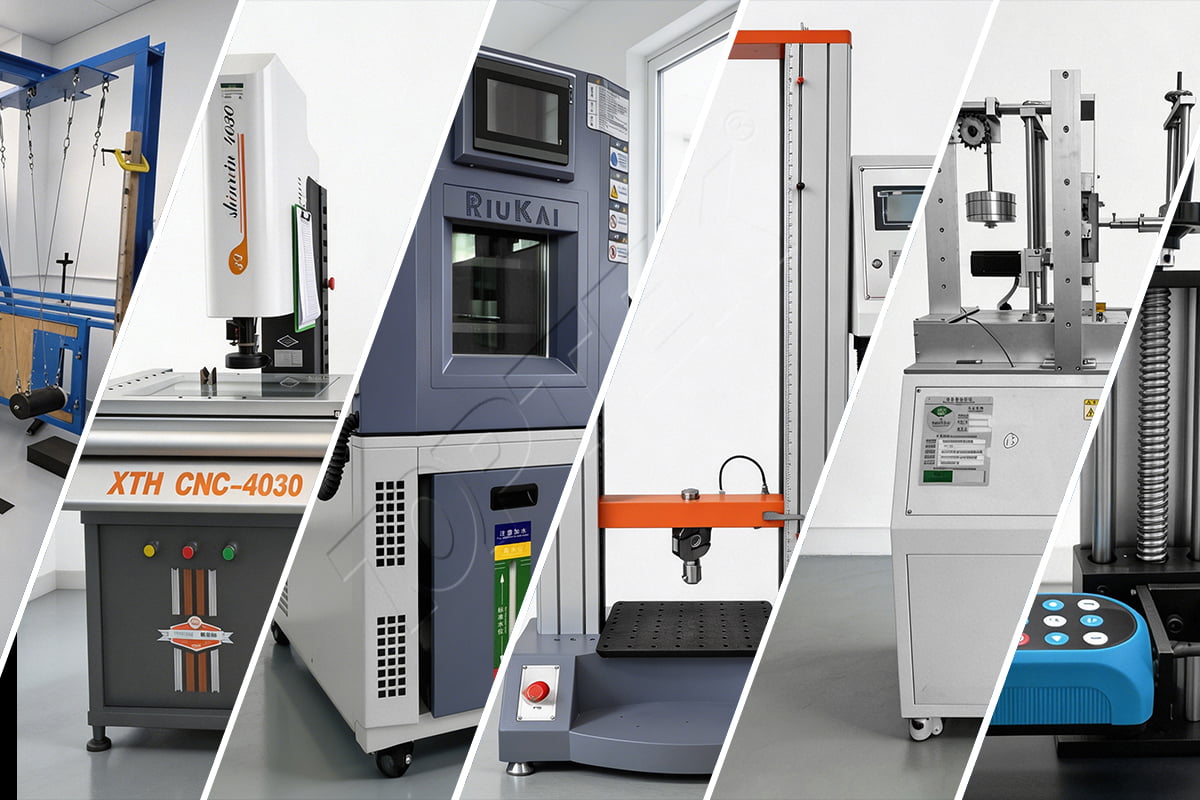
With precision manufacturing, in-house testing capabilities, and experience in international lock standards, TOPTEK supports lock brands, door manufacturers, hardware distributors, contractors, and security system integrators with reliable commercial door lock solutions.
In addition, our engineering team supports mechanical lock functions, electronic access control integration, fire-rated door applications, private label manufacturing, and customized OEM/ODM development.
Explore more TOPTEK solutions here:
- ANSI Grade 1 Mortise Lock
- EN 12209 Grade 3 Mortise Lock
- AS 4145 Mortise Lock
- Electronic Lock and Access Control Devices
- Panic Exit Device
- Multi-Point Locking Systems
Conclusion
In summary, how does a mortise lock work can be explained simply: the lock body coordinates the latch bolt, deadbolt, cylinder, lever handle, spindle, and strike plate to secure the door while still allowing controlled opening and safe egress.
A mortise lock uses a strong internal lock body to control the latch bolt, deadbolt, cylinder, lever handle, and strike plate connection. This structure gives mortise locks better security, durability, and functional flexibility compared with many basic door locks.
For commercial buildings, public facilities, hotels, apartments, and access control projects, the mortise lock remains one of the most trusted door locking solutions. Whether buyers need a mechanical commercial mortise lock, an ANSI Grade 1 mortise lock, an EN 12209 mortice lock, or an electronic mortise lock for access control, they should choose the right manufacturer for long-term door security and project performance.
Finally, TOPTEK provides commercial mortise lock solutions for global OEM/ODM customers. We help door hardware brands, distributors, and project buyers build safer and more reliable door security systems.
FAQ: How Does a Mortise Lock Work?
What is a mortise lock?
A mortise lock is a door lock that fits inside a pocket cut into the edge of the door. It contains a lock body, latch bolt, deadbolt, cylinder mechanism, and handle operation system.
How does a mortise lock work?
A mortise lock uses the lock body to control the latch bolt and deadbolt. The lever handle retracts the latch bolt, while the key cylinder or thumbturn extends or retracts the deadbolt.
Is a mortise lock more secure than a cylindrical lock?
In many commercial applications, a mortise lock offers higher strength, better durability, and more locking functions than a standard cylindrical lock. However, the complete door, frame, strike plate, and installation quality also affect security.
Where are mortise locks commonly used?
Mortise locks commonly serve commercial buildings, apartments, hotels, offices, schools, hospitals, public buildings, and high-traffic doors.
Can a mortise lock work with access control?
Yes. Electronic mortise locks can integrate with access control systems, including card readers, keypads, smart lock systems, and building security systems.
What is the difference between a mortise lock and a mortice lock?
Mortise lock and mortice lock usually refer to the same type of lock. “Mortise” appears more often in American English, while “mortice” appears more often in British English and some Commonwealth markets.