

<article class="toptek-seo-article">
<p><strong>Choosing between UL 10C and EN 1634-1 fire door hardware can be confusing because both relate to fire-rated door assemblies, but they serve different markets and approval systems.</strong> For project buyers, the correct decision is not based on which standard sounds stronger. It depends on where the door will be installed, which local code applies, and which certificate the authority or consultant will accept.</p>
<p>In real projects, a compliant fire-rated opening is never just a door leaf. The mortise lock, panic exit device, hinges, strike, lever trim, cylinder, door closer, frame, seals, and installation method must work together as one approved system. Therefore, hardware buyers should treat UL 10C vs EN 1634-1 as a compliance decision before they treat it as a price decision.</p>
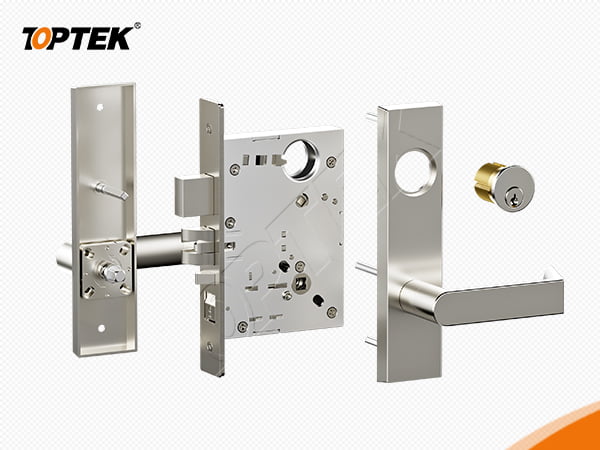
<figure> <img src="https://toptekaccess.com/wp-content/uploads/2026/04/Escutcheon-Lever-Trim-TKAMEC9200.jpg" alt="UL 10C vs EN 1634-1 fire door hardware with TOPTEK ANSI Grade 1 mortise lock trim" loading="lazy" /> <figcaption>Fire-rated door hardware selection should start with the project market, fire test standard, and accepted certification route.</figcaption> </figure>
<h2>What is the main difference in UL 10C vs EN 1634-1?</h2>
<p><strong>The main difference is market acceptance and test logic: UL 10C supports North American fire door approval, while EN 1634-1 supports European-style fire resistance classification for door and shutter assemblies.</strong> In other words, they are not interchangeable certificates. A European test report may not satisfy a US fire marshal, and a UL listing may not automatically replace CE-related documentation in a European project.</p>
<p>The key point in UL 10C vs EN 1634-1 is not product strength alone. UL 10C focuses on positive pressure fire testing for door assemblies. It is widely used in North America for swinging fire door assemblies and related hardware. EN 1634-1 focuses on fire resistance testing for door and shutter assemblies, openable windows, and elements of building hardware under the European testing framework.</p>
<p>For this reason, buyers should first confirm the building location, project specification, and local approval authority. After that, they can select the correct commercial lock, exit device, or integrated access control hardware.</p>
<h2>Why does UL 10C matter for North American fire door hardware?</h2>
<p><strong>UL 10C matters because North American fire-rated openings often require positive pressure fire testing and recognized listing marks for the complete door assembly.</strong> Buyers should not assume that a mechanical lock or electronic lock is acceptable simply because it looks strong. The hardware must match the fire-rated door assembly and the listing condition.</p>
<p>For buyers researching UL 10C vs EN 1634-1, UL explains that fire door testing resources compare standards used across North America and Europe, including UL 10C, EN 1634, and the hose stream application. You can review UL's official fire door testing information here: <a href="https://www.ul.com/resources/fire-test-standards-and-certifications-fire-doors" target="_blank" rel="noopener">UL fire test standards and certifications for fire doors</a>.</p>
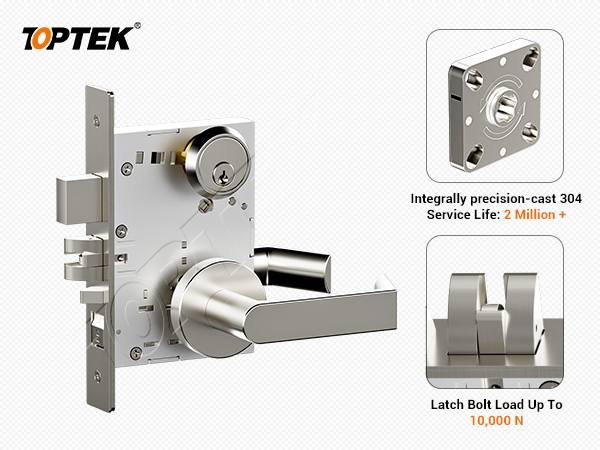
<p>In practical door hardware selection, UL 10C is especially important for ANSI Grade 1 Mortise Lock projects, fire-rated commercial doors, schools, hospitals, hotels, transport buildings, and high-traffic public openings. For North American buyers, the lock body, lever trim, latch engagement, strike, and door preparation all need careful review.</p>
<figure> <img src="https://toptekaccess.com/wp-content/uploads/2026/04/Round-Rose-Lever-Trim-TKAMRR9200-1.jpg" alt="ANSI Grade 1 Mortise Lock trim for UL 10C fire-rated commercial door hardware" loading="lazy" /> <figcaption>ANSI Grade 1 mortise lock hardware should be checked together with the fire door assembly, not as an isolated component.</figcaption> </figure>
<h2>Why does EN 1634-1 matter for European fire-rated openings?</h2>
<p><strong>EN 1634-1 matters because European and EN-following markets normally evaluate fire resistance through classified door assembly performance, such as integrity and insulation over a stated time.</strong> This helps architects, door manufacturers, and contractors select hardware according to the required fire rating and application.</p>
<p>In the UL 10C vs EN 1634-1 comparison, the European route also connects with broader CE documentation. Intertek lists EN 1634-1 as a related standard for fire resistance and smoke control tests for door and shutter assemblies, openable windows, and elements of building hardware. Intertek also explains that EN 16034 is connected with CE marking for fire resisting and smoke control characteristics. You can review the reference here: <a href="https://www.intertek.com/building/standards/en-16034/" target="_blank" rel="noopener">Intertek EN 16034 fire resisting and smoke control characteristics</a>.</p>
<p>For European commercial doors, buyers often evaluate an EN 12209 Grade 3 Mortise Lock together with EN 1634-1 fire test evidence, EN 1906 lever handle compatibility, EN 1125 panic exit devices, EN 179 emergency exit hardware, and EN 1303 cylinder requirements. As a result, the full opening package matters more than one single product label.</p>
<h2>Which standard should a project buyer choose?</h2>
<p><strong>Choose the standard required by the project country, tender document, consultant, and Authority Having Jurisdiction.</strong> Do not choose based only on price, supplier habit, or what is already in stock. In real projects, the wrong certificate can delay delivery, create rework, or lead to final inspection rejection.</p>
<table> <thead> <tr> <th>Buyer Question</th> <th>Use UL 10C When...</th> <th>Use EN 1634-1 When...</th> </tr> </thead> <tbody> <tr> <td>Where is the project?</td> <td>The project is in the USA, Canada, or a market following North American codes.</td> <td>The project is in Europe or a market following EN / CE fire door practice.</td> </tr> <tr> <td>What does the consultant request?</td> <td>The specification asks for UL Listed or positive pressure fire-tested assemblies.</td> <td>The specification asks for EN fire resistance evidence or CE-related documentation.</td> </tr> <tr> <td>What hardware is involved?</td> <td>ANSI mortise locks, fire exit hardware, hinges, strikes, and trims for listed openings.</td> <td>EN mortise locks, lever handles, cylinders, panic hardware, and fire-rated door sets.</td> </tr> <tr> <td>What is the buying risk?</td> <td>A non-listed component may not be accepted in a North American fire door assembly.</td> <td>An incomplete EN test route may not satisfy European project documentation.</td> </tr> </tbody> </table>
<h2>How can fire door hardware buyers reduce approval risk?</h2>
<p><strong>Buyers can reduce approval risk by checking the required standard before ordering samples, tooling, or mass production.</strong> This simple step protects distributors, door manufacturers, and contractors from expensive mistakes. It also helps the factory prepare the right lock case, faceplate, strike, trim, and accessory package.</p>
<p>Before confirming a fire-rated hardware order, use UL 10C vs EN 1634-1 as the first compliance filter. Then ask for the door type, door material, fire rating time, lock function, handing, backset, center distance, cylinder format, escape requirement, and access control interface. However, do not stop there. Also ask whether the project needs UL 10C, EN 1634-1, EN 12209, EN 1125, EN 179, or another local standard.</p>
<p>For access control projects, the selection becomes more sensitive. Electrified mortise locks, solenoid-controlled lock cases, motorized locks, electric strikes, and monitoring outputs must support both security and life-safety requirements. TOPTEK explains more about electromechanical lock selection in this <a href="https://toptekaccess.com/electric-lock-selection-guide-for-access-control-how-to-choose-the-right-electromechanical-lock-for-commercial-doors/">commercial access control lock guide</a>.</p>
<h2>What does TOPTEK check when developing fire-rated lock hardware?</h2>
<p><strong>TOPTEK checks mechanical structure, latch engagement, material stability, durability, fire door compatibility, and OEM/ODM production consistency before recommending a lock for project evaluation.</strong> This matters because a fire-rated door opening can fail because of small details, not only because of the main lock body.</p>
<p>For European-style lock platforms, TOPTEK focuses on 72, 78, and 85 series commercial mortise lock cases with multiple core functions. These include mortise sash lock, passage lock, deadbolt lock, bathroom lock, classroom function, storeroom function, escape function, roller latch options, and access-control-ready functions.</p>
<p>For North American projects, TOPTEK supports ANSI Grade 1 Mortise Lock development with commercial trim options, heavy-duty latch structure, precision lock case machining, and fire-rated door hardware review. In addition, TOPTEK can discuss mechanical, solenoid-controlled, and motorized lock platforms for different access control applications.</p>
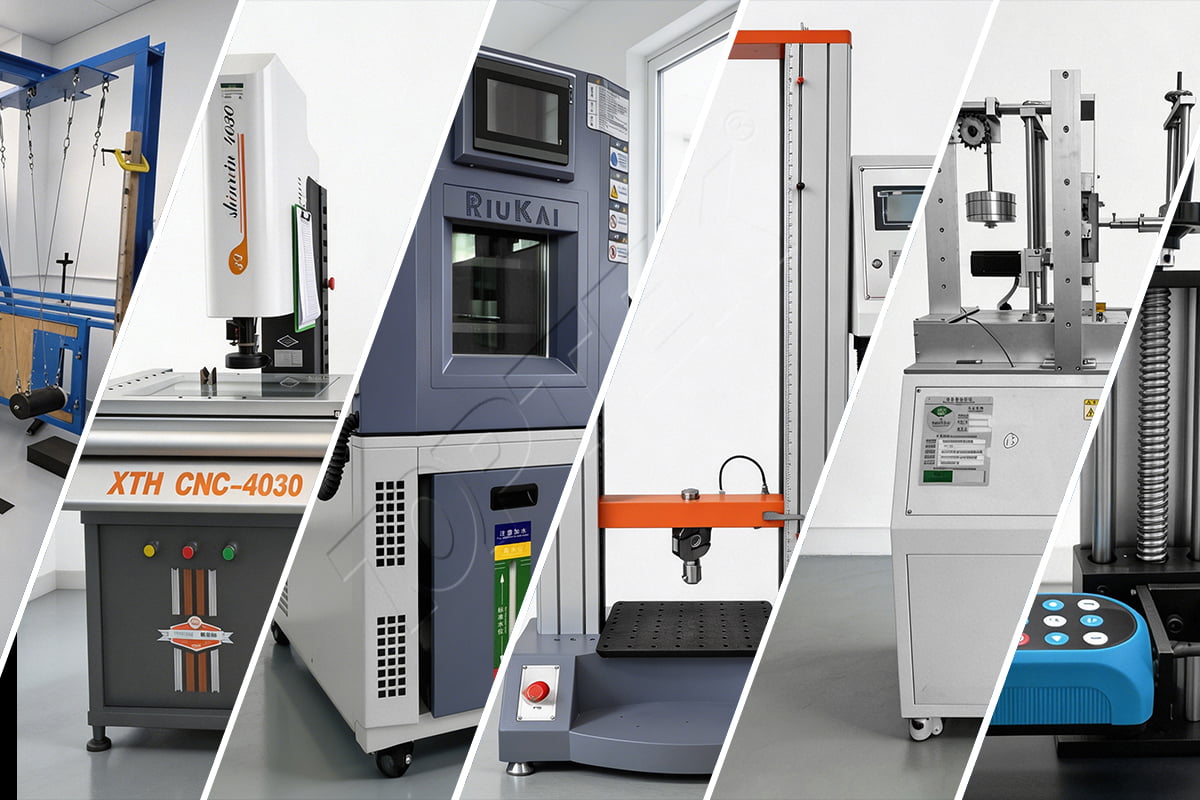
<figure> <img src="https://toptekaccess.com/wp-content/uploads/2026/04/Strength-Abuse-Resistance.jpg" alt="TOPTEK laboratory testing commercial mortise lock strength and fire door hardware performance" loading="lazy" /> <figcaption>TOPTEK uses in-house testing and engineering review to support commercial lock development and project evaluation.</figcaption> </figure>
<h2>Why do material and durability details matter?</h2>
<p><strong>Material and durability details matter because fire-rated and commercial doors face repeated impact, high traffic, installation variation, and environmental corrosion.</strong> In project supply, a lock may pass a basic function check but still create problems after months of use. Therefore, experienced buyers look beyond the certificate name.</p>
<p>For suitable European mortise lock models, TOPTEK can support CE-certified durability targets such as 300,000 cycles and internal test capability up to 1,000,000 cycles, depending on the product and test plan. Selected fire test combinations have also achieved wooden door fire test performance of 132 minutes and steel door fire test performance of 260 minutes. Buyers should confirm the exact tested assembly before using these figures in a tender.</p>
<p>TOPTEK also evaluates lock body construction, latchbolt design, deadbolt strength, faceplate tolerance, strike fit, lever return performance, and optional corrosion-resistant materials. For corrosive environments, optional 316 stainless steel components can help improve resistance in coastal, healthcare, and high-humidity applications.</p>
<h2>How should door manufacturers and distributors specify the right hardware?</h2>
<p><strong>Door manufacturers and distributors should specify hardware by market, door type, fire rating, lock function, traffic level, and certification route.</strong> A clear UL 10C vs EN 1634-1 specification helps the factory avoid wrong samples and helps the buyer compare quotations correctly.</p>
<ul> <li><strong>For North America:</strong> check UL 10C, ANSI/BHMA Grade 1 mortise lock requirements, fire rating time, listed trim, and local code acceptance.</li> <li><strong>For Europe:</strong> check EN 1634-1, EN 12209, EN 1906, EN 1125, EN 179, CE documentation, and door set compatibility.</li> <li><strong>For access control:</strong> check fail-safe or fail-secure logic, monitoring signals, voltage, power consumption, mechanical override, and emergency egress.</li> <li><strong>For OEM/ODM supply:</strong> check drawing control, sample validation, tooling plan, finish requirements, packaging, inspection standards, and batch consistency.</li> </ul>
<p>If you need to understand TOPTEK's broader engineering background, you can visit the <a href="https://toptekaccess.com/about-toptek-engineering-architectural-hardware-for-safer-buildings/">About TOPTEK engineering page</a>. For product development or sourcing discussions, you can also start from the <a href="https://toptekaccess.com/">TOPTEK commercial door hardware website</a>.</p>
<h2>Final answer: is UL 10C or EN 1634-1 better?</h2>
<p><strong>Neither standard is universally better; the correct standard is the one accepted by your project market and approval authority.</strong> UL 10C vs EN 1634-1 is a compliance comparison, not a simple quality ranking. A strong supplier should help you match the product, standard, test evidence, and application.</p>
<p>For lock brands, door manufacturers, hardware distributors, contractors, and access control integrators, TOPTEK can support ANSI Grade 1 Mortise Lock, EN 12209 Grade 3 Mortise Lock, panic exit device, multipoint locking system, lever handle, cylinder, hinge, and electromechanical lock development. More importantly, TOPTEK can help evaluate which hardware route fits the target market before you place a project order.</p>
<p><strong>Need help selecting fire-rated commercial lock hardware?</strong> Contact TOPTEK with your project country, door type, required fire rating, lock function, backset, handing, and access control requirements. Our engineering and OEM/ODM team can help you review the right commercial door hardware solution for your market.</p>
</article>